Sahar Amer - Böcker
Visar alla böcker från författaren Sahar Amer. Handla med fri frakt och snabb leverans.
4 produkter
4 produkter
334 kr
Skickas inom 7-10 vardagar
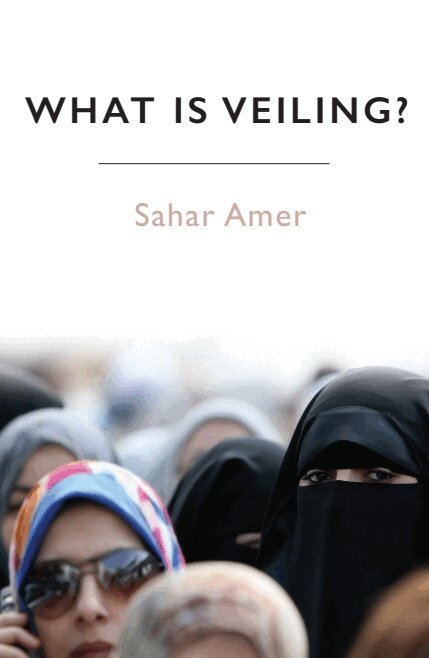
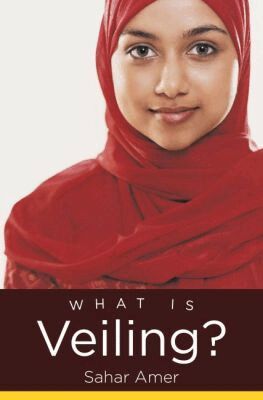
The Islamic veil in all its forms – from the headscarf to the full body garment – is one of the most visible signs of Islam as a religion. It is also one of its most controversial and misunderstood traditions among both Muslims and non-Muslims. In an environment of increasing conservatism in both Euro-American and Muslim-majority societies, in a world where a woman’s right to wear the headscarf has become a touchstone for issues of all sorts, and at a time when racial and religious profiling has become commonplace, it is our political and social responsibility to gain a deeper understanding of veiling.This concise, easy-to-read and even-handed introduction is organised around three main topics: the historical, religious and cultural background; contemporary debates about the veil; and the varied, shifting meanings the veil has had for Muslim women over the past century.
1 454 kr
Skickas inom 7-10 vardagar
The Islamic veil in all its forms – from the headscarf to the full body garment – is one of the most visible signs of Islam as a religion. It is also one of its most controversial and misunderstood traditions among both Muslims and non-Muslims. In an environment of increasing conservatism in both Euro-American and Muslim-majority societies, in a world where a woman’s right to wear the headscarf has become a touchstone for issues of all sorts, and at a time when racial and religious profiling has become commonplace, it is our political and social responsibility to gain a deeper understanding of veiling.This concise, easy-to-read and even-handed introduction is organised around three main topics: the historical, religious and cultural background; contemporary debates about the veil; and the varied, shifting meanings the veil has had for Muslim women over the past century.
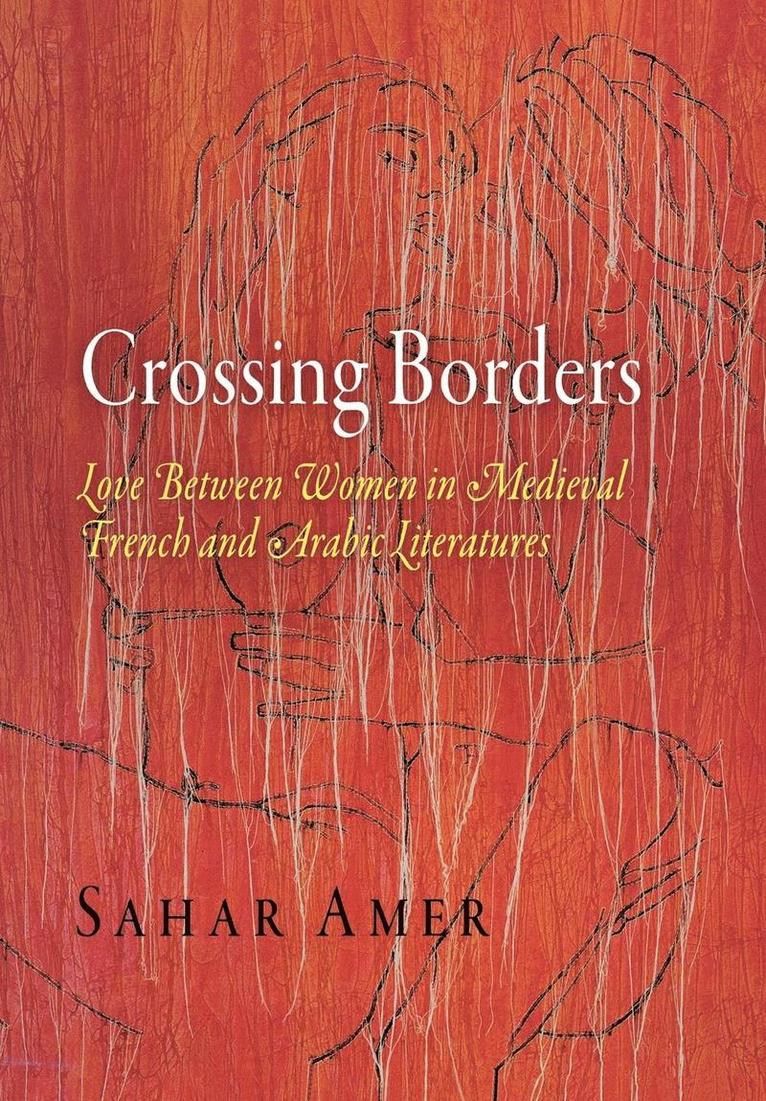
Crossing Borders
Love Between Women in Medieval French and Arabic Literatures
Inbunden, Engelska, 2008
869 kr
Skickas inom 10-15 vardagar
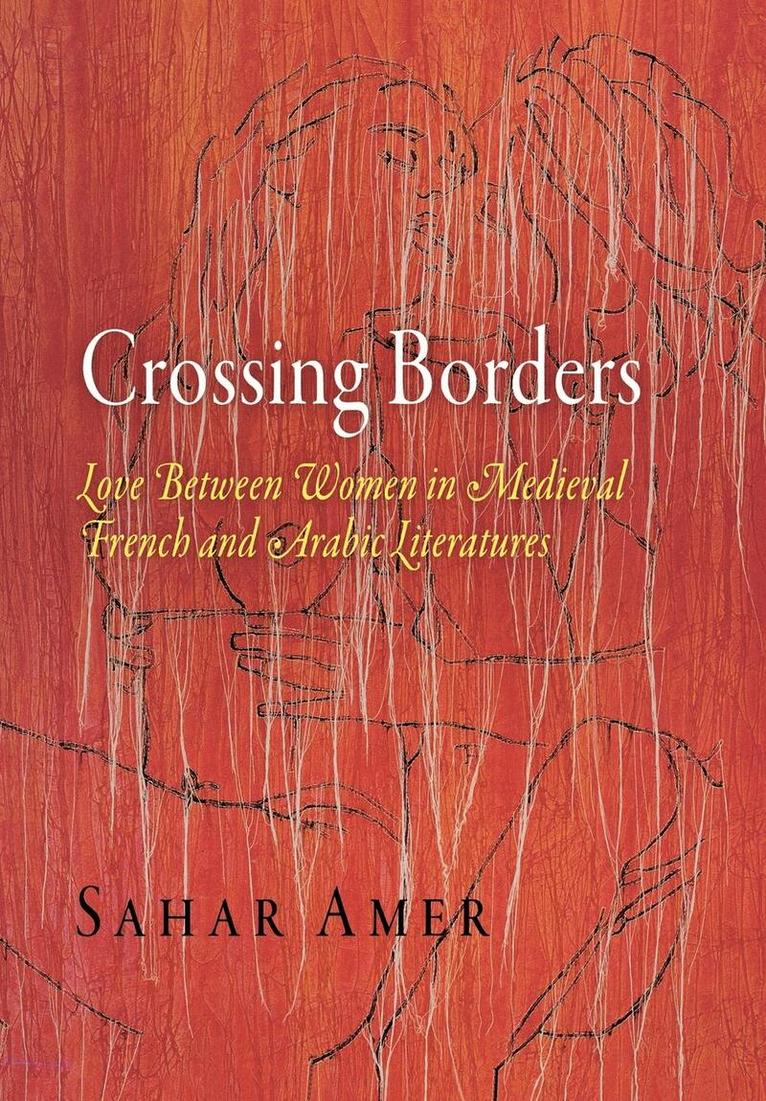
Given Christianity's valuation of celibacy and its persistent association of sexuality with the Fall and of women with sin, Western medieval attitudes toward the erotic could not help but be vexed. In contrast, eroticism is explicitly celebrated in a large number of theological, scientific, and literary texts of the medieval Arab Islamicate tradition, where sexuality was positioned at the very heart of religious piety.In Crossing Borders, Sahar Amer turns to the rich body of Arabic sexological writings to focus, in particular, on their open attitude toward erotic love between women. By juxtaposing these Arabic texts with French works, she reveals a medieval French literary discourse on same-sex desire and sexual practices that has gone all but unnoticed. The Arabic tradition on eroticism breaks through into French literary writings on gender and sexuality in often surprising ways, she argues, and she demonstrates how strategies of gender representation deployed in Arabic texts came to be models to imitate, contest, subvert, and at times censor in the West.Amer's analysis reveals Western literary representations of gender in the Middle Ages as cross-cultural, hybrid discourses as she reexamines borders-cultural, linguistic, historical, geographic-not as elements of separation and division but as fluid spaces of cultural exchange, adaptation, and collaboration. Crossing these borders, she salvages key Arabic and French writings on alternative sexual practices from oblivion to give voice to a group that has long been silenced.
341 kr
Skickas inom 10-15 vardagar
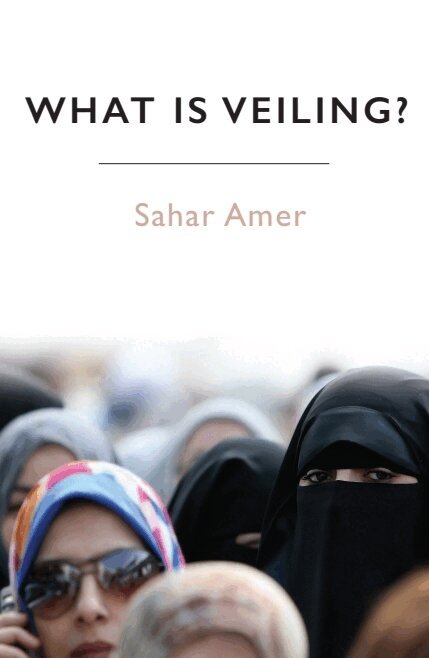
Ranging from simple head scarf to full-body burqa, the veil is worn by vast numbers of Muslim women around the world. What Is Veiling? explains one of the most visible, controversial, and least understood emblems of Islam. Sahar Amer's evenhanded approach is anchored in sharp cultural insight and rich historical context. Addressing the significance of veiling in the religious, cultural, political, and social lives of Muslims, past and present, she examines the complex roles the practice has played in history, religion, conservative and progressive perspectives, politics and regionalism, society and economics, feminism, fashion, and art. By highlighting the multiple meanings of veiling, the book decisively shows that the realities of the practice cannot be homogenized or oversimplified and extend well beyond the religious and political accounts that are overwhelmingly proclaimed both inside and outside Muslim-majority societies. Neither defending nor criticizing the practice, What Is Veiling? clarifies the voices of Muslim women who struggle to be heard and who, veiled or not, demand the right to live spiritual, personal, and public lives in dignity.