Sahar Khalifeh – författare
Visar alla böcker från författaren Sahar Khalifeh. Handla med fri frakt och snabb leverans.
7 produkter
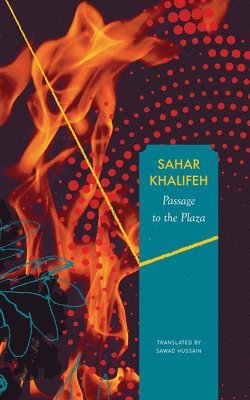
Passage to the Plaza
Inbunden, 2020
255 kr
Lägg i varukorg
In Bab Al-Saha, a quarter of Nablus, Palestine, sits a house of ill repute. In it lives Nuzha, a young woman ostracized from and shamed by her community. When the Intifada breaks out, Nuzha’s abode unexpectedly becomes a sanctuary for those in the quarter: Hussam, an injured resistance fighter; …
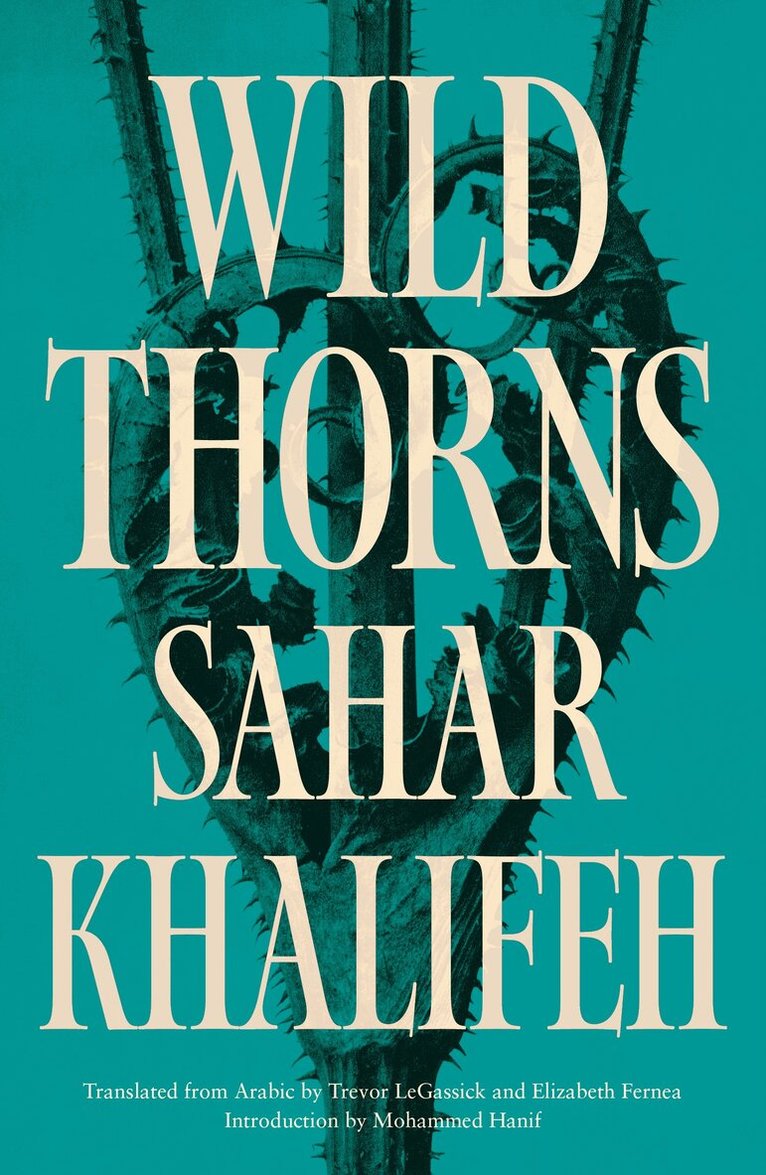
Wild Thorns
Häftad, 2023
142 kr
Lägg i varukorg
A young Palestinian named Usama returns from working in the Gulf to support the resistance movement. His mission is to blow up buses transporting Palestinian workers into Israel. Shocked to discover that many of his fellow citizens have adjusted to life under military rule, Usama sets out to …
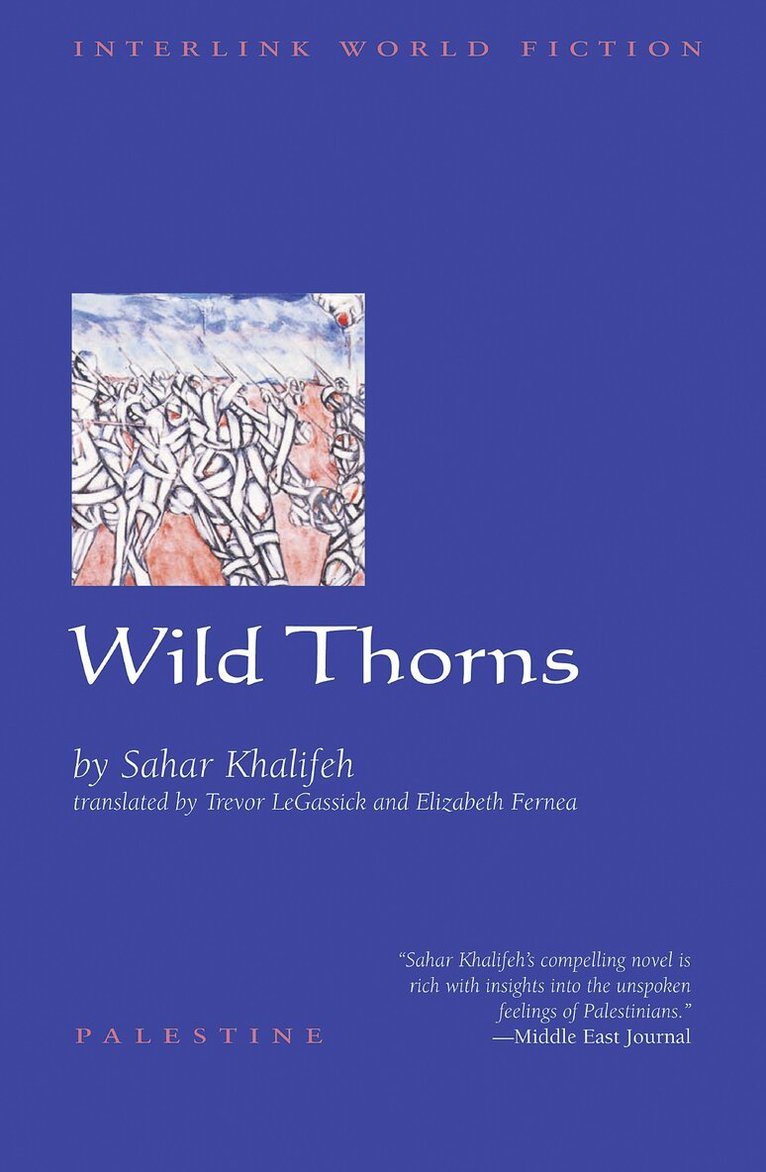
Wild Thorns
Häftad, 2021
174 kr
Lägg i varukorg
Wild Thorns is a chronicle of life in the Israeli-occupied West Bank. Written in Arabic and first published in Jerusalem in 1976, Wild Thorns, with its panorama of characters and unsentimental portrayals of everyday life, is the first Arab novel to give a true picture of social and personal …
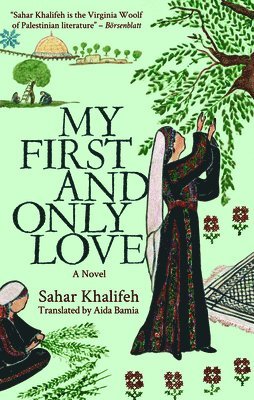
My First and Only Love
A Novel
Häftad, 2021
282 kr
Lägg i varukorg
A deeply poetic account of love and resistance through a young girl’s eyes by acclaimed writer, Sahar Khalifeh, called "the Virginia Woolf of Palestinian literature” (Börsenblatt)Nidal, after many decades of restless exile, returns to her family home in Nablus, where she had lived with her …
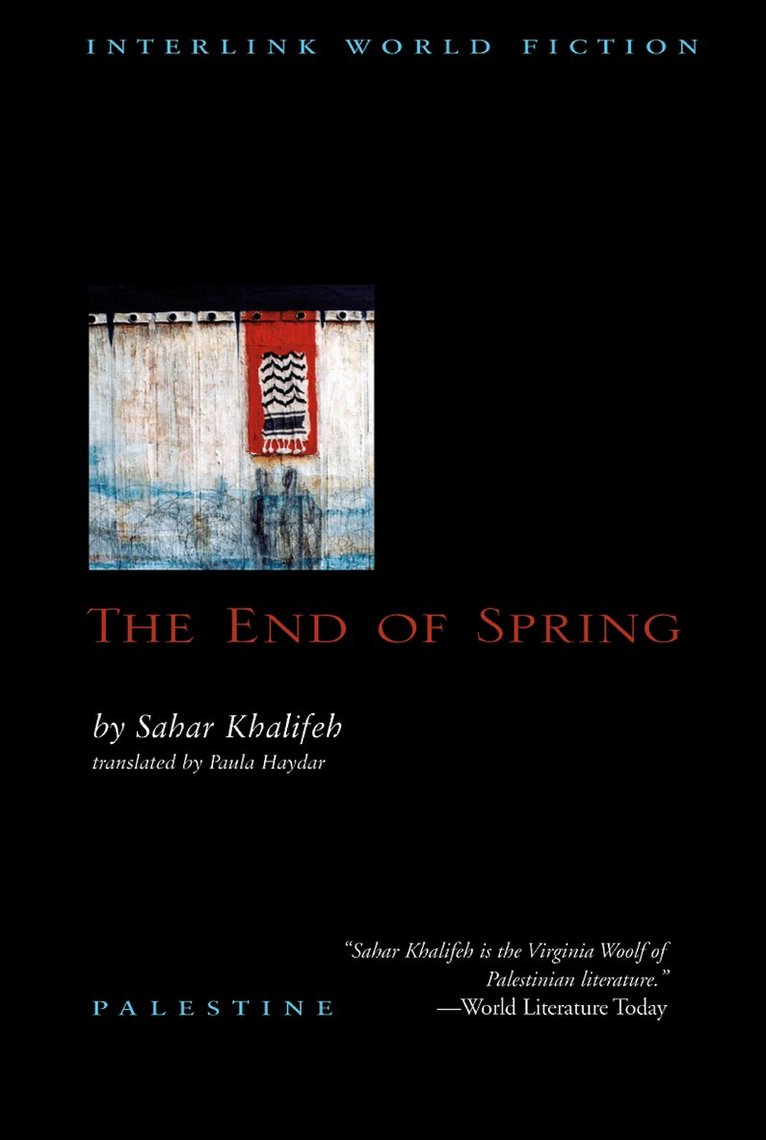
End of Spring
Häftad, 2007
182 kr
Tillfälligt slut
In The End of Spring, Sahar Khalifeh chronicles the struggle of the Palestinian people with a humane depiction of Palestinian resistance fighters during the 2002 siege of Yasir Arafat's official headquarters. Khalifeh's tender and moving portrayal of her protagonists delves into the inner …
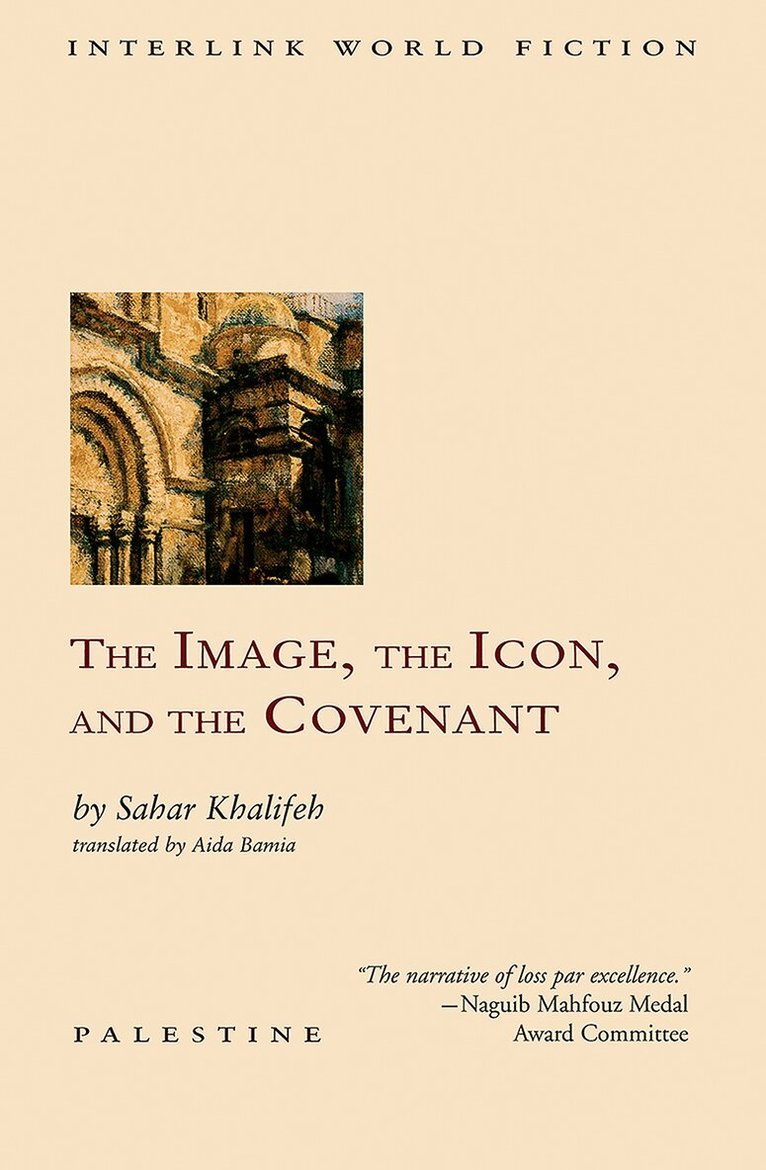
Image, the Icon, and the Covenant
Häftad, 2013
195 kr
Tillfälligt slut
Documenting a historic struggle with fresh vision, Sahar Khalifeh has penned what is at once a re-casting of the story of the Holy Family, a lyrical ode to Arab Jerusalem, and a call for liberation, not just of a nation but of its individual women and men.After abandoning his beloved Mariam when …