Sally Gregory Kohlstedt – författare
Visar alla böcker från författaren Sally Gregory Kohlstedt. Handla med fri frakt och snabb leverans.
14 produkter
Justus von Liebig
The Chemical Gatekeeper
Av William H. Brock, Sally Gregory Kohlstedt m. fl.
Häftad, 2002
976 kr
Lägg i varukorg
One of the founding fathers of organic chemistry and also a great teacher, the German scientist Justus von Liebig transformed scientific education, medical practice, and agriculture in Great Britain. William H. Brock's fresh interpretation of Liebig's stormy career shows how he moved chemistry into …
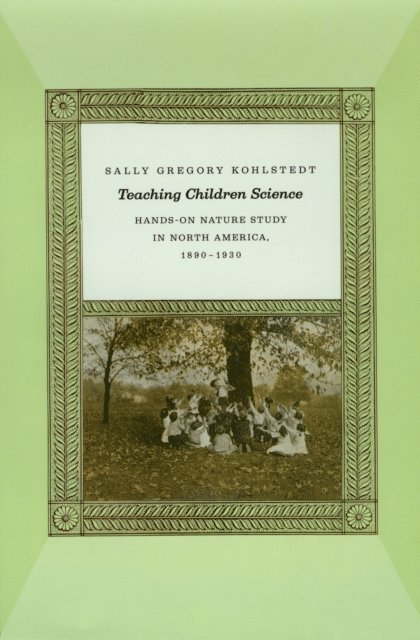
Teaching Children Science
Hands-On Nature Study in North America, 1890-1930
E-bok, 2010
1210 kr
Lägg i varukorg
In the early twentieth century, a curriculum known as nature study flourished in major city school systems, streetcar suburbs, small towns, and even rural one-room schools. This object-based approach to learning about the natural world marked the first systematic attempt to introduce science into …
Science and the American Century
Readings from "Isis"
Av Sally Gregory Kohlstedt, David Kaiser
Häftad, 2013
321 kr
Lägg i varukorg
The twentieth century was one of astonishing change in science, especially as pursued in the United States. Against a backdrop of dramatic political and economic shifts brought by world wars, intermittent depressions, sporadic and occasionally massive increases in funding, and expanding private …
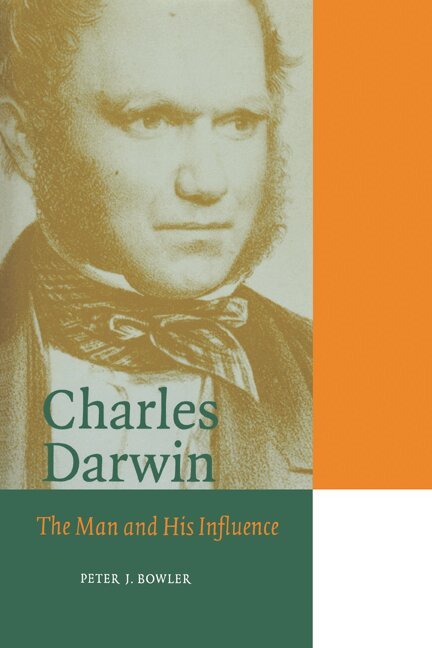
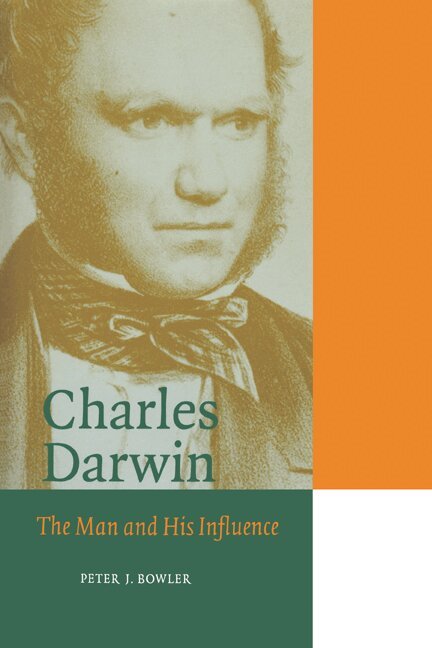
Charles Darwin
The Man and his Influence
Av Peter J. Bowler, Sally Gregory Kohlstedt m. fl.
Inbunden, 1996
1503 kr
Lägg i varukorg
Darwin's enormous influence on science and culture, begun during his lifetime, is still very evident today. The Origin of Species excited much debate and controversy, challenging the foundations of Christianity, yet underpinning the Victorian concept of progress, and today still evokes powerful and …
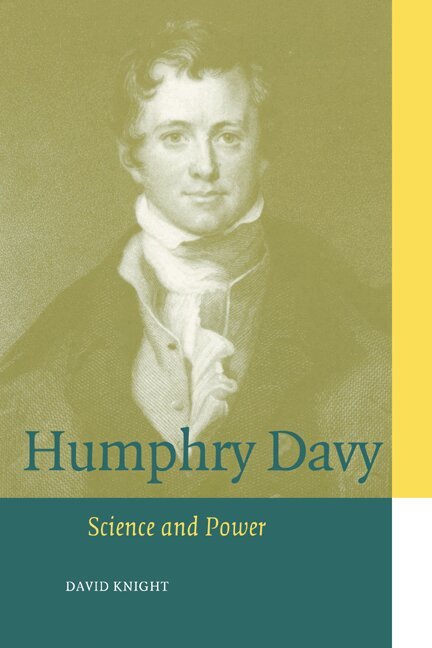
Humphry Davy
Science and Power
Av David Knight, Sally Gregory Kohlstedt m. fl.
Häftad, 1998
950 kr
Lägg i varukorg
In this illuminating and entertaining biography David Knight draws upon Humphry Davy's poetry, notebooks, and informal writings to introduce us to one of the first professional scientists. Davy is best remembered for his work on laughing gas, for the arc lamp, for isolating sodium and potassium, …
Charles Darwin
The Man and his Influence
Av Peter J. Bowler, Sally Gregory Kohlstedt m. fl.
Häftad, 1996
448 kr
Lägg i varukorg
Darwin's enormous influence on science and culture, begun during his lifetime, is still very evident today. The Origin of Species excited much debate and controversy, challenging the foundations of Christianity, yet underpinning the Victorian concept of progress, and today still evokes powerful and …
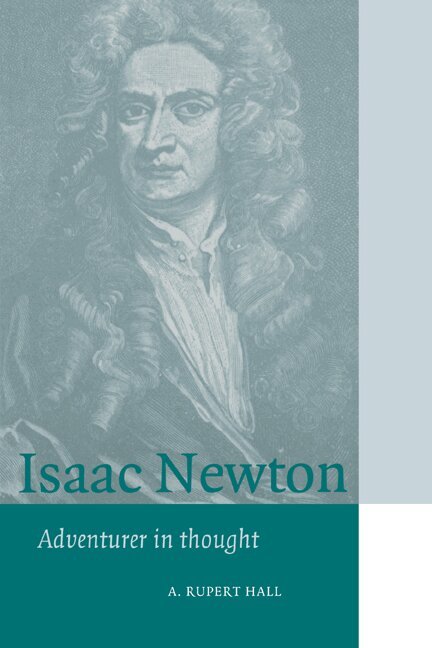
Isaac Newton
Adventurer in Thought
Av A. Rupert Hall, Sally Gregory Kohlstedt m. fl.
Häftad, 1996
863 kr
Lägg i varukorg
In this elegant, absorbing biography of Isaac Newton (1642-1727), Rupert Hall surveys the vast field of modern scholarship in order to interpret Newton's mathematical and experimental approach to nature. Mathematics was always the deepest, most innovative and productive of Newton's interests. …
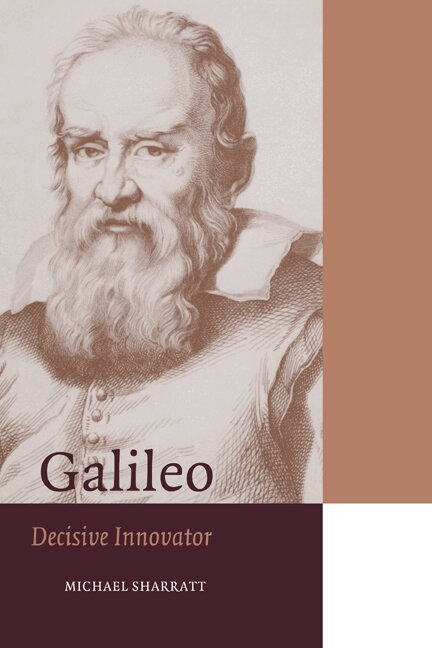
Galileo
Decisive Innovator
Av Michael Sharratt, Sally Gregory Kohlstedt m. fl.
Häftad, 1996
448 kr
Lägg i varukorg
In this entertaining and authoritative biography Michael Sharratt examines the flair, imagination, hard-headedness, clarity, combativeness, and penetration of Galileo Galilei. To follow his career as he exploited unforeseen opportunities to unseat established ways of comprehending nature is to …
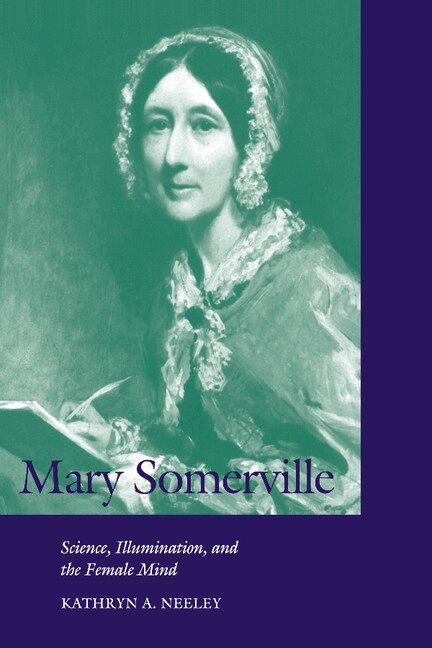
Mary Somerville
Science, Illumination, and the Female Mind
Av Kathryn A. Neeley, Sally Gregory Kohlstedt m. fl.
Häftad, 2001
471 kr
Lägg i varukorg
In an era when science was perceived as a male domain, Mary Somerville (1780-1872) became both the leading woman scientist of her day and an integral part of the British scientific community. She achieved this status through careful management of her gender identity and by creating rich, readable, …
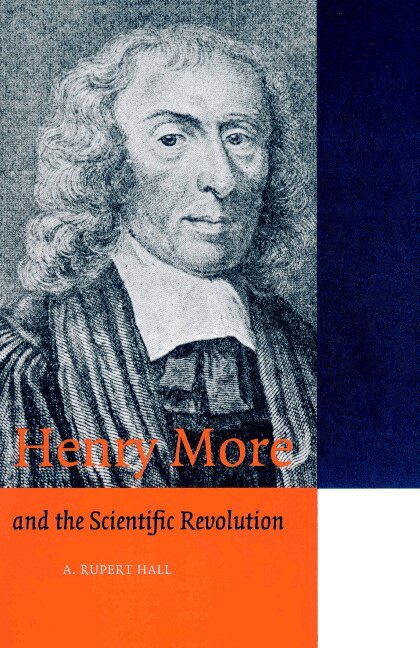
Henry More
and the Scientific Revolution
Av A. Rupert Hall, Sally Gregory Kohlstedt
Häftad, 2002
1105 kr
Lägg i varukorg
Henry More (1614-87) was the greatest English metaphysical theologian and the most perplexing; he was also perhaps the most distinguished member of the group of divines known as the Cambridge Platonists. An admirer of Galileo, Descartes, and Boyle, he rejected their detailed applications of …
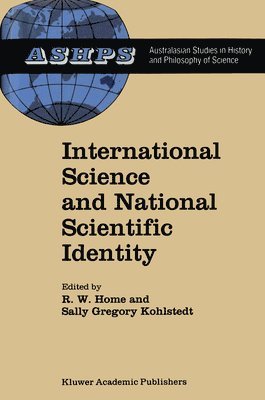
International Science and National Scientific Identity
Australia Between Britain and America
Av R. W. Home, Sally Gregory Kohlstedt
Inbunden, 1991
875 kr
Lägg i varukorg
Gender and Scientific Authority
Av Barbara Laslett, Sally Gregory Kohlstedt m. fl.
Inbunden, 1996
262 kr
Tillfälligt slut
This volume of recent "Signs" articles offers some of the most significant contributions to the debates on history and theory. Illustrating the uses of theories in recent feminist historical research and the often contentious arguments that surround them, the articles speak to a number of …
Osiris, Volume 1 – Historical Writing on American Science
Av Sally Gregory Kohlstedt, Margaret Rossiter
Inbunden, 1991
502 kr
Tillfälligt slut
Osiris, Volume 1 – Historical Writing on American Science
Av Sally Gregory Kohlstedt, Margaret Rossiter
Häftad, 2003
331 kr
Tillfälligt slut