Salvatore Pappalardo – författare
Visar alla böcker från författaren Salvatore Pappalardo. Handla med fri frakt och snabb leverans.
6 produkter
6 produkter
Häftad, Engelska, 2022
515 kr
Skickas inom 10-15 vardagar
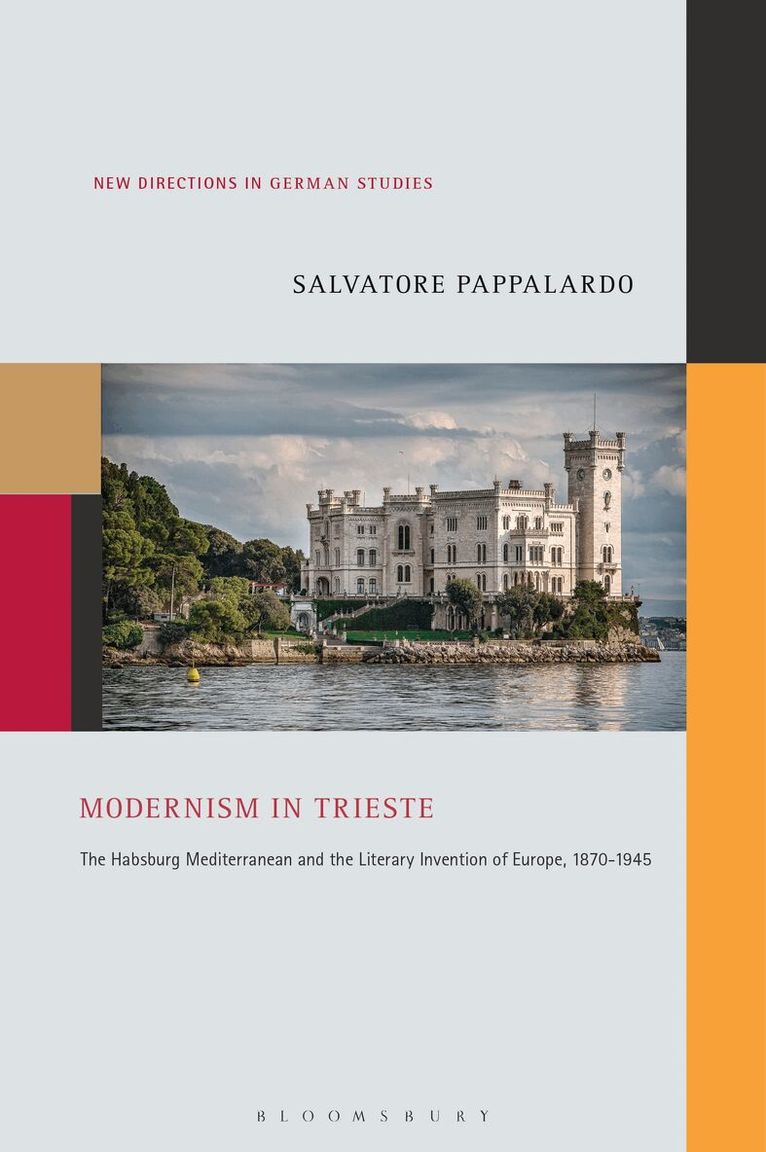
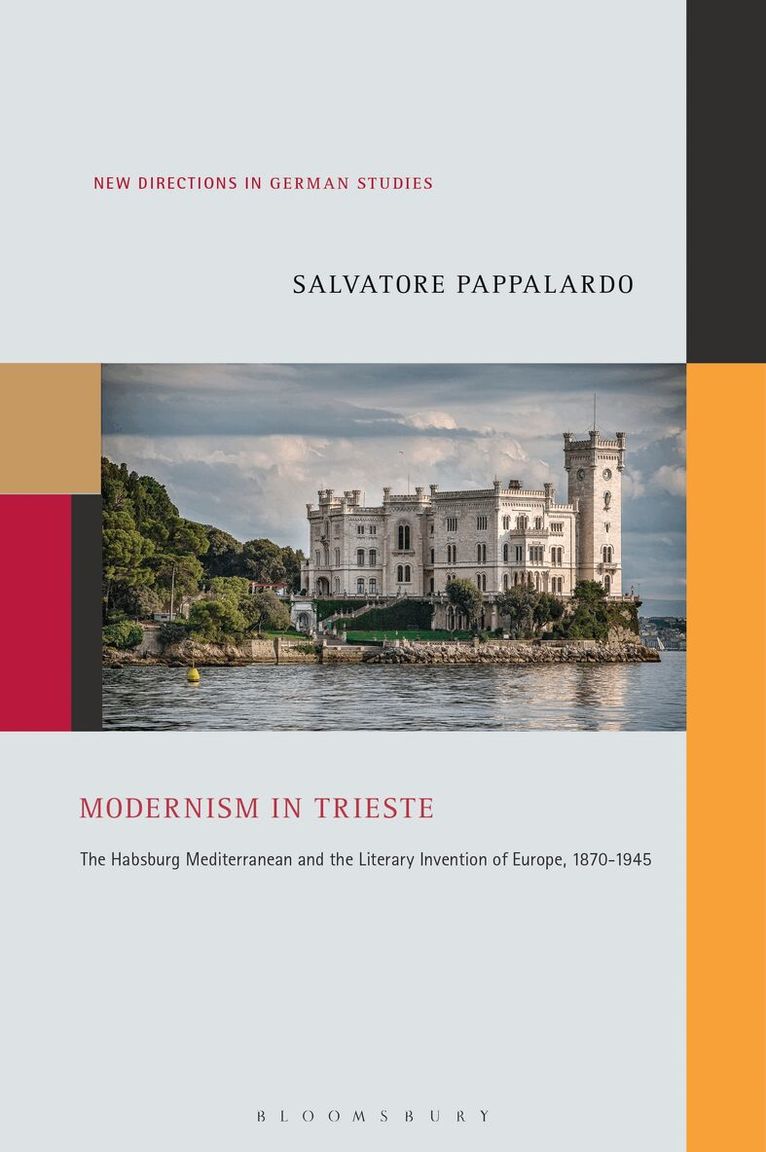
When we think about the process of European unification, our conversations inevitably ponder questions of economic cooperation and international politics. Salvatore Pappalardo offers a new and engaging perspective, arguing that the idea of European unity is also the product of a modern literary imagination. This book examines the idea of Europe in the modernist literature of primarily Robert Musil, Italo Svevo, and James Joyce (but also of Theodor Däubler and Srecko Kosovel), all authors who had a deep connection with the port city of Trieste. Writing after World War I, when the contested city joined Italy, these authors resisted the easy nostalgia of the postwar period, radically reimagining the origins of Europe in the Mediterranean culture of the Phoenicians, contrasting a 19th-century nationalist discourse that saw Europe as the heir of a Greek and Roman legacy. These writers saw the Adriatic city, a cosmopolitan bazaar under the Habsburg Empire, as a social laboratory of European integration. Modernism in Trieste seeks to fill a critical gap in the extant scholarship, securing the literary history of Trieste within the context of current research on Habsburg and Austrian literature.
Inbunden, Engelska, 2021
1 593 kr
Skickas inom 10-15 vardagar
When we think about the process of European unification, our conversations inevitably ponder questions of economic cooperation and international politics. Salvatore Pappalardo offers a new and engaging perspective, arguing that the idea of European unity is also the product of a modern literary imagination. This book examines the idea of Europe in the modernist literature of primarily Robert Musil, Italo Svevo, and James Joyce (but also of Theodor Däubler and Srecko Kosovel), all authors who had a deep connection with the port city of Trieste. Writing after World War I, when the contested city joined Italy, these authors resisted the easy nostalgia of the postwar period, radically reimagining the origins of Europe in the Mediterranean culture of the Phoenicians, contrasting a 19th-century nationalist discourse that saw Europe as the heir of a Greek and Roman legacy. These writers saw the Adriatic city, a cosmopolitan bazaar under the Habsburg Empire, as a social laboratory of European integration. Modernism in Trieste seeks to fill a critical gap in the extant scholarship, securing the literary history of Trieste within the context of current research on Habsburg and Austrian literature.
E-bok
Engelska, 2021537 kr
Läs direkt efter köp
When we think about the process of European unification, our conversations inevitably ponder questions of economic cooperation and international politics. Salvatore Pappalardo offers a new and engaging perspective, arguing that the idea of European unity is also the product of a modern literary imagination. This book examines the idea of Europe in the modernist literature of primarily Robert Musil, Italo Svevo, and James Joyce (but also of Theodor Däubler and Srecko Kosovel), all authors who had a deep connection with the port city of Trieste. Writing after World War I, when the contested city joined Italy, these authors resisted the easy nostalgia of the postwar period, radically reimagining the origins of Europe in the Mediterranean culture of the Phoenicians, contrasting a 19th-century nationalist discourse that saw Europe as the heir of a Greek and Roman legacy. These writers saw the Adriatic city, a cosmopolitan bazaar under the Habsburg Empire, as a social laboratory of European integration. Modernism in Trieste seeks to fill a critical gap in the extant scholarship, securing the literary history of Trieste within the context of current research on Habsburg and Austrian literature.
E-bok
PDF, Engelska, 2021537 kr
Läs direkt efter köp
When we think about the process of European unification, our conversations inevitably ponder questions of economic cooperation and international politics. Salvatore Pappalardo offers a new and engaging perspective, arguing that the idea of European unity is also the product of a modern literary imagination. This book examines the idea of Europe in the modernist literature of primarily Robert Musil, Italo Svevo, and James Joyce (but also of Theodor Däubler and Srecko Kosovel), all authors who had a deep connection with the port city of Trieste. Writing after World War I, when the contested city joined Italy, these authors resisted the easy nostalgia of the postwar period, radically reimagining the origins of Europe in the Mediterranean culture of the Phoenicians, contrasting a 19th-century nationalist discourse that saw Europe as the heir of a Greek and Roman legacy. These writers saw the Adriatic city, a cosmopolitan bazaar under the Habsburg Empire, as a social laboratory of European integration. Modernism in Trieste seeks to fill a critical gap in the extant scholarship, securing the literary history of Trieste within the context of current research on Habsburg and Austrian literature.
E-bok
Italienska, 202232 kr
Läs direkt efter köp
Una guida all''insegnamento dei principi del calcio modernoQuesto libro è una bussola per aiutare ogni allenatore moderno ad insegnare il calcio
E-bok
PDF, Spanska, 2018102 kr
Läs direkt efter köp
La Zona Intangible del Yasuní se delimitó de acuerdo a los límites de los bloques petroleros, mas no de acuerdo a las necesidades territoriales de sus habitantes. En febrero de 2018 se incluyó, en consulta popular (febrero 2018), la ampliación de esta zona para complacer una demanda de grupos ecologistas y ambientalistas principalmente. No es fácil pues el territorio cada vez es más complicado y los intereses superpuestos son mayores. En estos años, las presiones sobre el territorio del Yasuní han aumentado, se han abierto más arterias viales y se ha construido más infraestructura tanto para la industria como para los campesinos mestizos con quienes los gobiernos locales quieren congraciarse pues significan votos en las urnas.Para analizar este panorama, esta publicación quiere contribuir, desde diversos puntos de vista, a la reflexión sobre este tema. Y es concluyente en un punto fundamental: no hay ampliación que garantice la vida de los pueblos indígenas llamados aislados, si no hay políticas que la sostengan.