Sam Binkley – författare
Visar alla böcker från författaren Sam Binkley. Handla med fri frakt och snabb leverans.
13 produkter
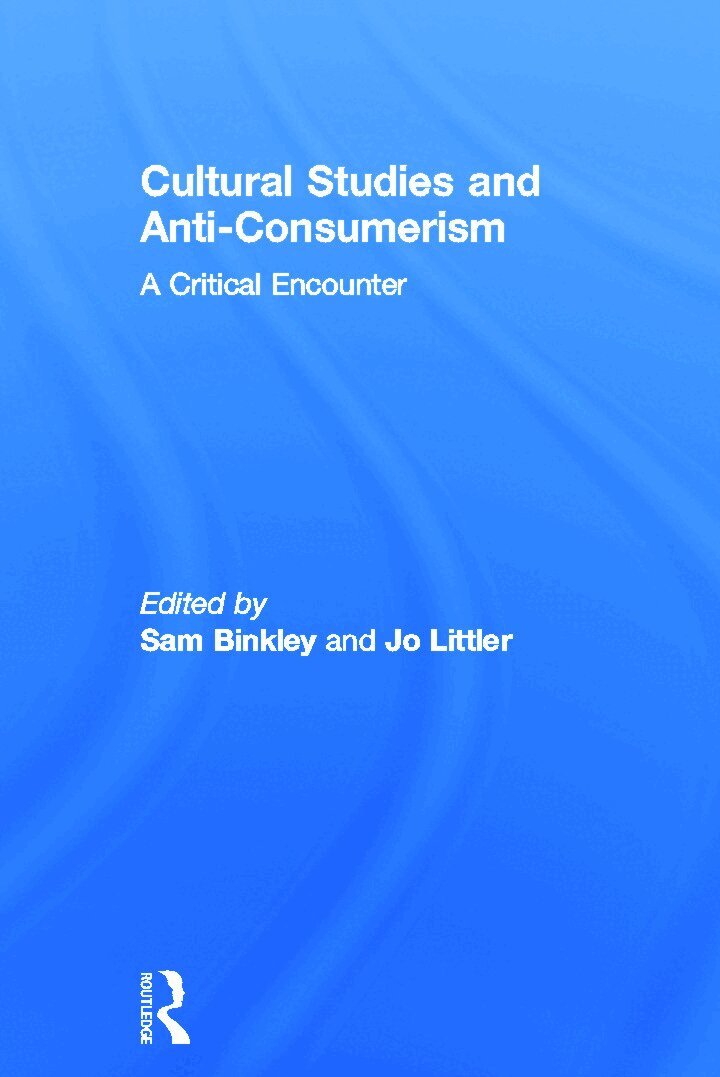
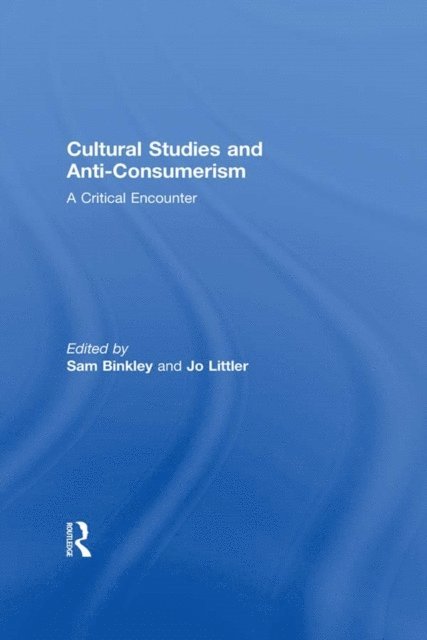
Cultural Studies and Anti-Consumerism
Inbunden, 2011
2516 kr
Lägg i varukorg
Anti-consumerism has become a conspicuous part of contemporary activism and popular culture, from ‘culture jams’ and actions against Esso and Starbucks, through the downshifting and voluntary simplicity movements, the rise of ethical consumption and organic and the high profile of films and books …
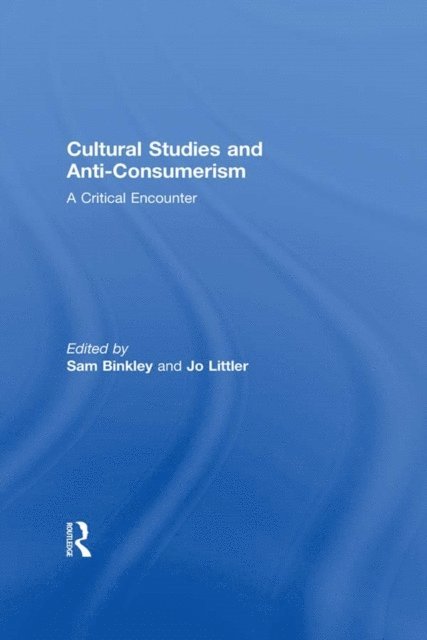
Cultural Studies and Anti-Consumerism
Häftad, 2013
911 kr
Lägg i varukorg
Anti-consumerism has become a conspicuous part of contemporary activism and popular culture, from ‘culture jams’ and actions against Esso and Starbucks, through the downshifting and voluntary simplicity movements, the rise of ethical consumption and organic and the high profile of films and books …
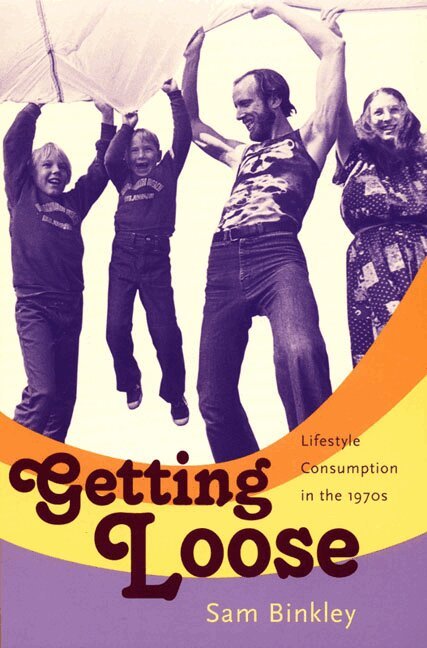
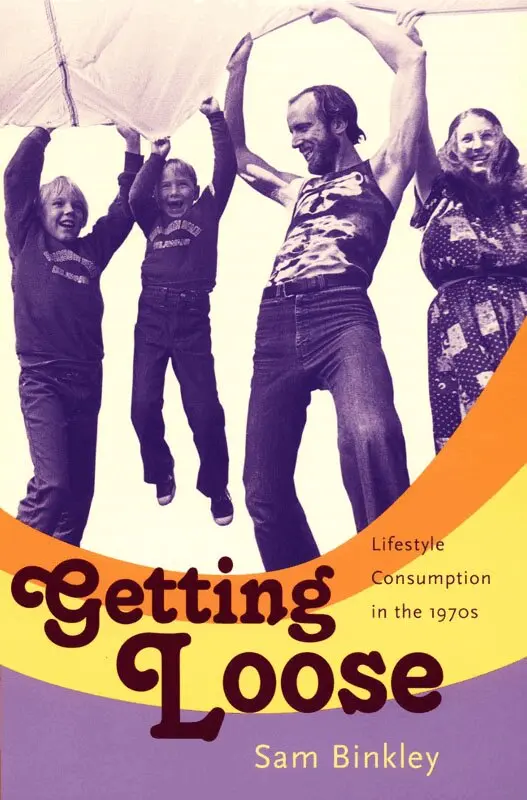
Getting Loose
Lifestyle Consumption in the 1970s
Av Sam Binkley
Häftad, 2007
563 kr
Lägg i varukorg
From “getting loose” to “letting it all hang out,” the 1970s were filled with exhortations to free oneself from artificial restraints and to discover oneself in a more authentic and creative life. In the wake of the counterculture of the 1960s, anything that could be made to yield to a more …
Getting Loose
Lifestyle Consumption in the 1970s
Av Sam Binkley
E-bok, 2007
570 kr
Lägg i varukorg
From “getting loose” to “letting it all hang out,” the 1970s were filled with exhortations to free oneself from artificial restraints and to discover oneself in a more authentic and creative life. In the wake of the counterculture of the 1960s, anything that could be made to yield to a more …
Cultural Studies and Anti-Consumerism
E-bok, 2014
1043 kr
Lägg i varukorg
Anti-consumerism has become a conspicuous part of contemporary activism and popular culture, from ‘culture jams’ and actions against Esso and Starbucks, through the downshifting and voluntary simplicity movements, the rise of ethical consumption and organic and the high profile of films and …
Cultural Studies and Anti-Consumerism
E-bok, 2014
1074 kr
Lägg i varukorg
Anti-consumerism has become a conspicuous part of contemporary activism and popular culture, from ‘culture jams’ and actions against Esso and Starbucks, through the downshifting and voluntary simplicity movements, the rise of ethical consumption and organic and the high profile of films and …
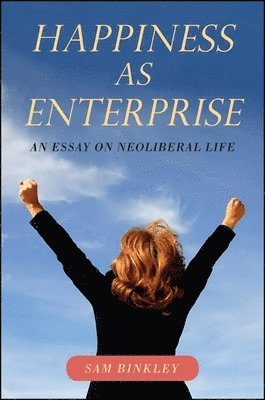
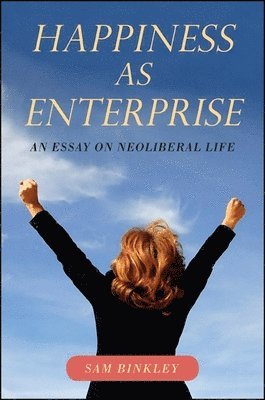
Happiness as Enterprise
An Essay on Neoliberal Life
Av Sam Binkley
Häftad, 2015
390 kr
Lägg i varukorg
Examines the contemporary discourse on happiness through the lens of governmentality theory.Recent decades have seen an explosion of interest in the phenomenon of happiness, as evidenced by self-help books, talk shows, spiritual mentoring, business management, and relationship counseling. At the …
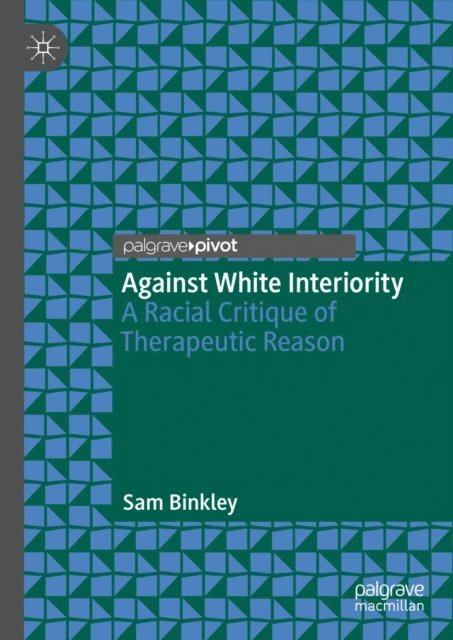
Against White Interiority
A Racial Critique of Therapeutic Reason
Av Sam Binkley
Inbunden, 2023
548 kr
Lägg i varukorg
This book presents a bold critique of the new racial sensibility that has attained global prominence following the police murder of George Floyd. Through a set of managerial and therapeutic discourses, this new sensibility describes the inner racial life of white subjects, inducing them to adopt a …
Against White Interiority
A Racial Critique of Therapeutic Reason
Av Sam Binkley
E-bok, 2023
713 kr
Lägg i varukorg
This book presents a bold critique of the new racial sensibility that has attained global prominence following the police murder of George Floyd. Through a set of managerial and therapeutic discourses, this new sensibility describes the inner racial life of white subjects, inducing them to adopt a …
Against White Interiority : A Racial Critique of Therapeutic Reason
Av Sam Binkley
2023
652 kr
Lägg i varukorg
Against White Interiority
A Racial Critique of Therapeutic Reason
Av Sam Binkley
Häftad, 2024
551 kr
Lägg i varukorg
This book presents a bold critique of the new racial sensibility that has attained global prominence following the police murder of George Floyd. Through a set of managerial and therapeutic discourses, this new sensibility describes the inner racial life of white subjects, inducing them to adopt a …
Getting Loose
Lifestyle Consumption in the 1970s
Av Sam Binkley
Inbunden, 2007
1325 kr
Tillfälligt slut
From “getting loose” to “letting it all hang out,” the 1970s were filled with exhortations to free oneself from artificial restraints and to discover oneself in a more authentic and creative life. In the wake of the counterculture of the 1960s, anything that could be made to yield to a more …
Happiness as Enterprise
An Essay on Neoliberal Life
Av Sam Binkley
Inbunden, 2014
1080 kr
Tillfälligt slut
Examines the contemporary discourse on happiness through the lens of governmentality theory.Recent decades have seen an explosion of interest in the phenomenon of happiness, as evidenced by self-help books, talk shows, spiritual mentoring, business management, and relationship counseling. At the …