
Samantha Beaver – författare
Visar alla böcker från författaren Samantha Beaver. Handla med fri frakt och snabb leverans.
11 produkter
11 produkter
870 kr
Skickas inom 5-8 vardagar
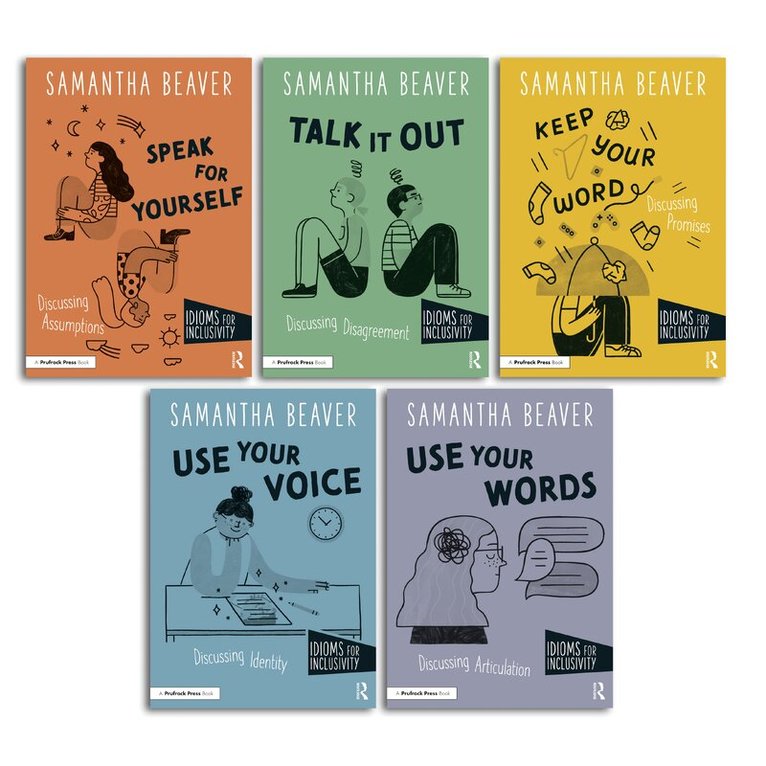
This collection of short, illustrated books for ages 7-14 uses common idioms to introduce children to key concepts in linguistics and gives them a language-oriented framework to use when discussing issues of inclusion.Informed by sociolinguistic research, yet written accessibly, each volume in this set poses probing questions to guide readers through beginner linguistic analysis with suggested answers and discussion prompts. Designed to be used by a teacher or parent in collaboration with the student, this enriching series makes linguistic exploration accessible to children, emphasizing critical thinking tools and analytical strategies inside and outside of the classroom.
153 kr
Skickas inom 5-8 vardagar
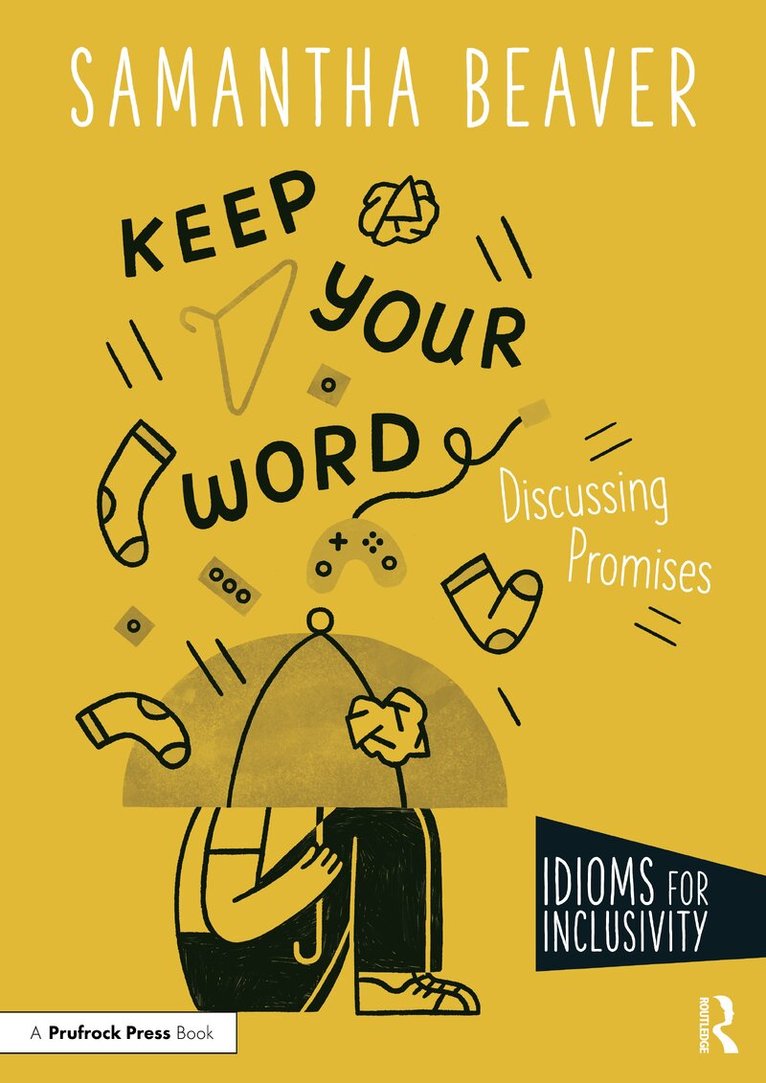
To get the complete Idioms for Inclusivity experience, this book can be purchased alongside four others as a set, Idioms for Inclusivity: Fostering Belonging with Language, 978-1-032-28635-8.Informed by sociolinguistic research, yet written accessibly, Keep Your Word challenges readers to investigate the act of promising as it relates to both language-use and inclusivity.This engaging and delightfully illustrated book invites students to engage with concepts such as: the cultural meaning of the idiom "keep your word" Speech Acts and Felicity Conditions, two frameworks that linguists use to research and understand promises why the expectation to "keep your word" can make someone feel excluded and how understanding the way language works can help learn to be more inclusiveFeaturing practical inclusivity tips related to promises, this enriching curriculum supplement can be used in a Language Arts setting to learn about figurative language; in a Social Studies setting to discuss diversity, equity, inclusion, and belonging; or as an introduction to linguistics for students ages 7-14.
153 kr
Skickas inom 5-8 vardagar
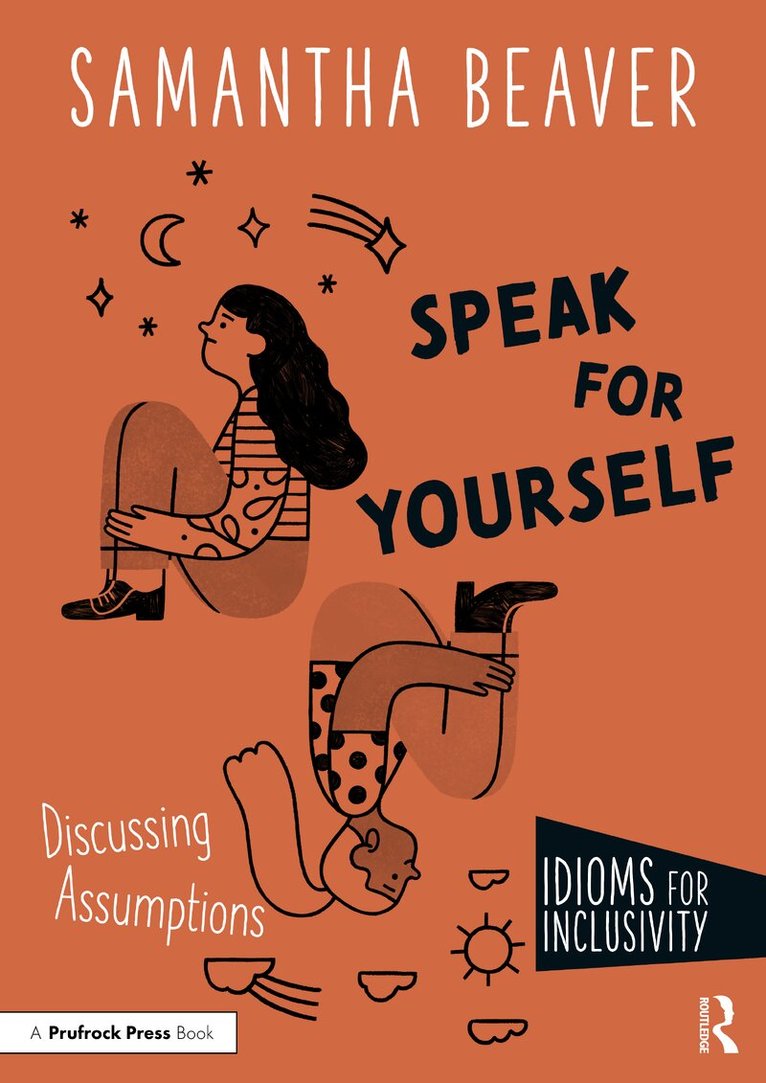
To get the complete Idioms for Inclusivity experience, this book can be purchased alongside four others as a set, Idioms for Inclusivity: Fostering Belonging with Language, 978-1-032-28635-8.Informed by sociolinguistic research, yet written accessibly, Speak for Yourself challenges readers to investigate the concept of assumptions as it relates to both language-use and inclusivity.This engaging and delightfully illustrated book invites students to engage with concepts such as: the cultural meaning of the idiom "speak for yourself" and how it can act as a helpful warning against harmful assumptions Presuppositions – a concept developed by linguists to research and understand assumptions in language, why the expectation to "speak for yourself" can make someone feel excluded and how understanding the way language works can help us learn to be more inclusiveFeaturing practical inclusivity tips related to integrating learning into daily conversations, this enriching curriculum supplement can be used in a Language Arts setting to learn about figurative language; in a Social Studies setting to discuss diversity, equity, inclusion, and belonging; or as an introduction to linguistics for students ages 7-14.
153 kr
Skickas inom 5-8 vardagar
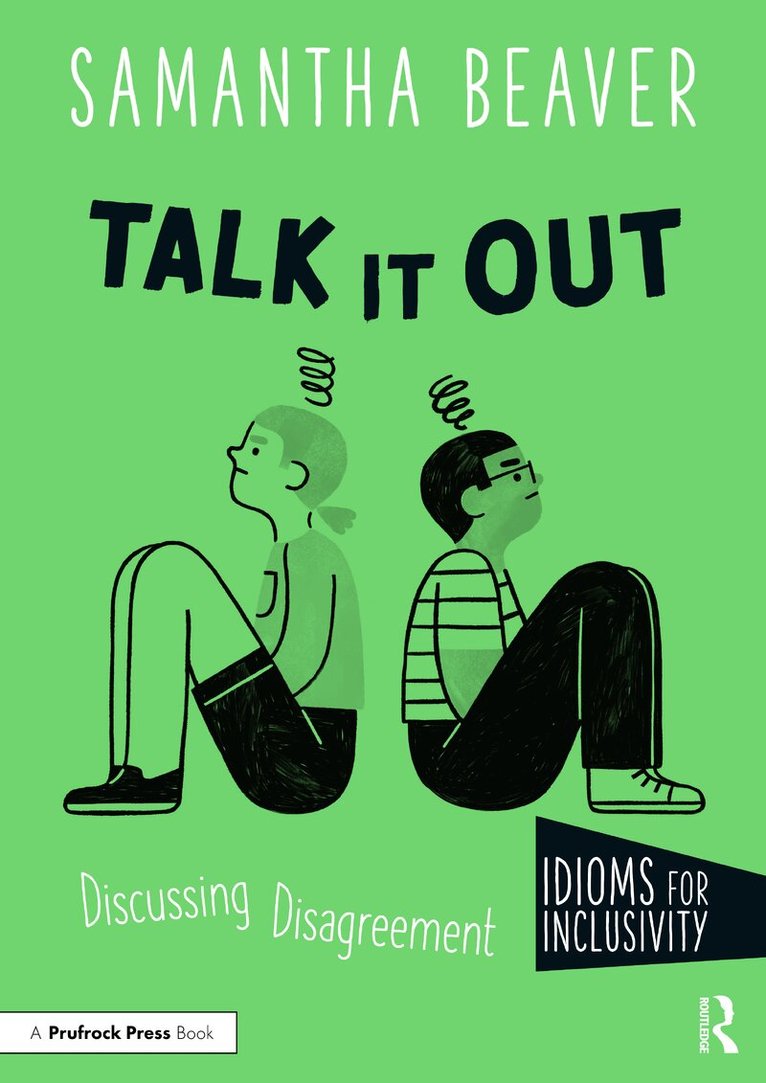
To get the complete Idioms for Inclusivity experience, this book can be purchased alongside four others as a set, Idioms for Inclusivity: Fostering Belonging with Language, 978-1-032-28635-8.Informed by sociolinguistic research, yet written accessibly, Talk It Out challenges readers to investigate disagreeing with someone as it relates to both language-use and inclusivity.This engaging and delightfully illustrated book invites students to engage with concepts such as: the cultural meaning of the idiom "talk it out" Facework and Politeness Theory, two frameworks that linguists use to research and understand disagreements why it can be so hard to like someone who disagrees with you why the expectation to "talk it out" could make someone feel excluded and how understanding the way language works can help us learn to be more inclusiveFeaturing practical inclusivity tips related to integrating learning into daily conversations, this enriching curriculum supplement can be used in a Language Arts setting to learn about figurative language; in a Social Studies setting to discuss diversity, equity, inclusion, and belonging; or as an introduction to linguistics for students ages 7-14.
153 kr
Skickas inom 5-8 vardagar
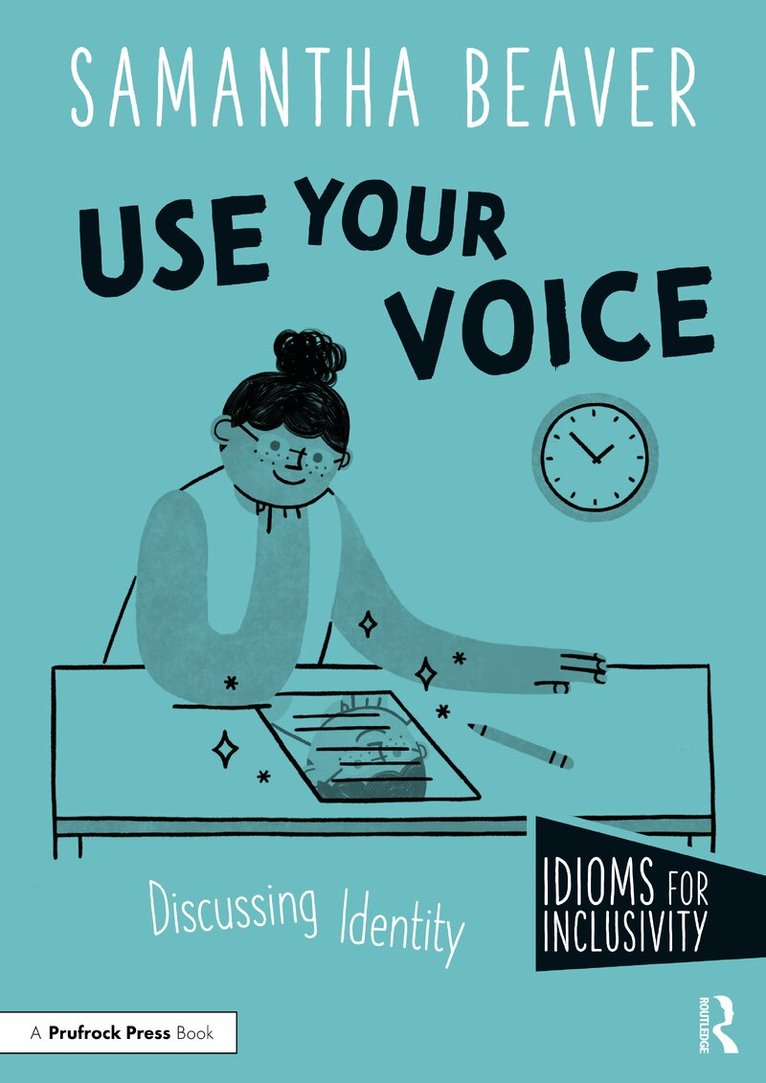
To get the complete Idioms for Inclusivity experience, this book can be purchased alongside four others as a set, Idioms for Inclusivity: Fostering Belonging with Language, 978-1-032-28635-8.Informed by sociolinguistic research, yet written accessibly, Use Your Voice challenges readers to investigate the concept of identity as it relates to both language-use and inclusivity.This engaging and delightfully illustrated book invites students to engage with concepts such as: the cultural meaning of the idiom "use your voice" Indexicality, a framework that linguists use to research and understand how our identities are encoded in language why the expectation to "use your voice" can make someone feel excluded and how understanding the way language works can help us learn to be more inclusiveFeaturing practical inclusivity tips related to integrating learning into daily conversations, this enriching curriculum supplement can be used in a Language Arts setting to learn about figurative language; in a Social Studies setting to discuss diversity, equity, inclusion, and belonging; or as an introduction to linguistics for students ages 7-14.
153 kr
Skickas inom 5-8 vardagar
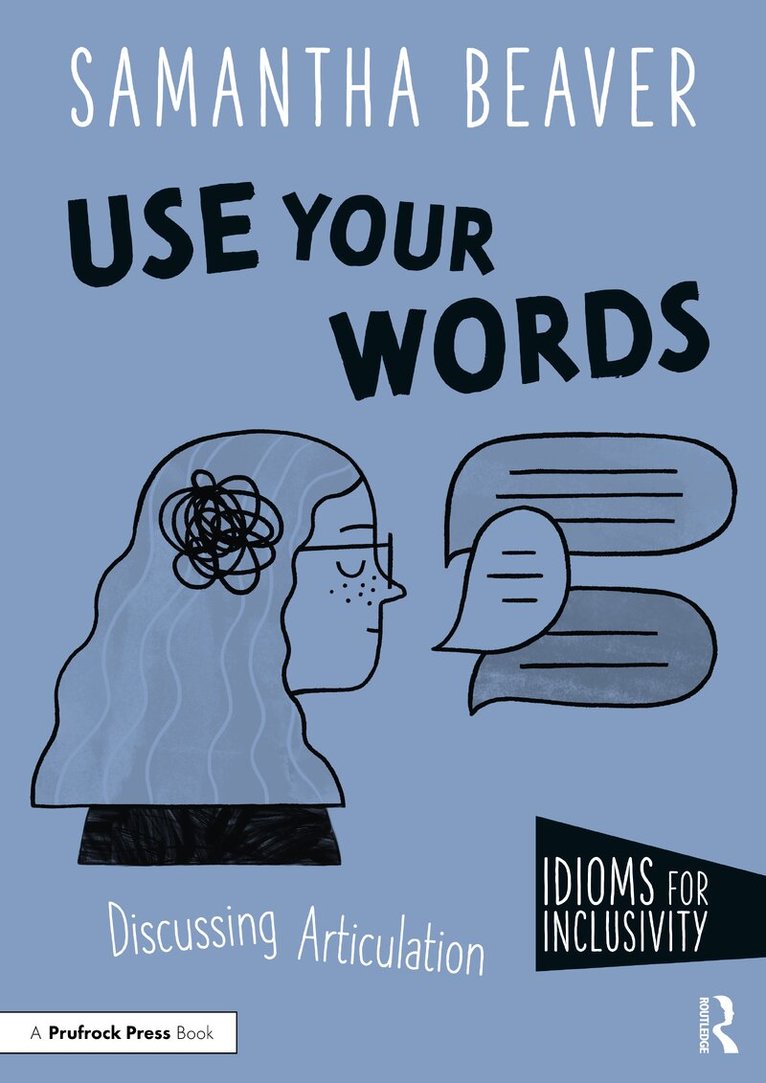
To get the complete Idioms for Inclusivity experience, this book can be purchased alongside four others as a set, Idioms for Inclusivity: Fostering Belonging with Language, 978-1-032-28635-8.Informed by sociolinguistic research, yet written accessibly, Use Your Words challenges readers to investigate the concept of articulation as it relates to both language-use and inclusivity.This engaging and delightfully illustrated book invites students to engage with concepts such as: the cultural meaning of the idiom "use your words" Linguistic Relativity, a framework linguists use to research and understand how thought and language influence one another why being told to "use your words" can make someone feel excluded and how understanding the way language works can help us learn to be more inclusiveFeaturing practical inclusivity tips related to integrating learning into daily conversations, this enriching curriculum supplement can be used in a Language Arts setting to learn about figurative language; in a Social Studies setting to discuss diversity, equity, inclusion, and belonging; or as an introduction to linguistics for students ages 7-14.
1 869 kr
Skickas inom 5-8 vardagar
To get the complete Idioms for Inclusivity experience, this book can be purchased alongside four others as a set, Idioms for Inclusivity: Fostering Belonging with Language, 978-1-032-28635-8.Informed by sociolinguistic research, yet written accessibly, Keep Your Word challenges readers to investigate the act of promising as it relates to both language-use and inclusivity.This engaging and delightfully illustrated book invites students to engage with concepts such as: the cultural meaning of the idiom "keep your word" Speech Acts and Felicity Conditions, two frameworks that linguists use to research and understand promises why the expectation to "keep your word" can make someone feel excluded and how understanding the way language works can help learn to be more inclusiveFeaturing practical inclusivity tips related to promises, this enriching curriculum supplement can be used in a Language Arts setting to learn about figurative language; in a Social Studies setting to discuss diversity, equity, inclusion, and belonging; or as an introduction to linguistics for students ages 7-14.
1 869 kr
Skickas inom 5-8 vardagar
To get the complete Idioms for Inclusivity experience, this book can be purchased alongside four others as a set, Idioms for Inclusivity: Fostering Belonging with Language, 978-1-032-28635-8.Informed by sociolinguistic research, yet written accessibly, Speak for Yourself challenges readers to investigate the concept of assumptions as it relates to both language-use and inclusivity.This engaging and delightfully illustrated book invites students to engage with concepts such as: the cultural meaning of the idiom "speak for yourself" and how it can act as a helpful warning against harmful assumptions Presuppositions – a concept developed by linguists to research and understand assumptions in language, why the expectation to "speak for yourself" can make someone feel excluded and how understanding the way language works can help us learn to be more inclusiveFeaturing practical inclusivity tips related to integrating learning into daily conversations, this enriching curriculum supplement can be used in a Language Arts setting to learn about figurative language; in a Social Studies setting to discuss diversity, equity, inclusion, and belonging; or as an introduction to linguistics for students ages 7-14.
1 869 kr
Skickas inom 5-8 vardagar
To get the complete Idioms for Inclusivity experience, this book can be purchased alongside four others as a set, Idioms for Inclusivity: Fostering Belonging with Language, 978-1-032-28635-8.Informed by sociolinguistic research, yet written accessibly, Talk It Out challenges readers to investigate disagreeing with someone as it relates to both language-use and inclusivity.This engaging and delightfully illustrated book invites students to engage with concepts such as: the cultural meaning of the idiom "talk it out" Facework and Politeness Theory, two frameworks that linguists use to research and understand disagreements why it can be so hard to like someone who disagrees with you why the expectation to "talk it out" could make someone feel excluded and how understanding the way language works can help us learn to be more inclusiveFeaturing practical inclusivity tips related to integrating learning into daily conversations, this enriching curriculum supplement can be used in a Language Arts setting to learn about figurative language; in a Social Studies setting to discuss diversity, equity, inclusion, and belonging; or as an introduction to linguistics for students ages 7-14.
1 869 kr
Skickas inom 5-8 vardagar
To get the complete Idioms for Inclusivity experience, this book can be purchased alongside four others as a set, Idioms for Inclusivity: Fostering Belonging with Language, 978-1-032-28635-8.Informed by sociolinguistic research, yet written accessibly, Use Your Voice challenges readers to investigate the concept of identity as it relates to both language-use and inclusivity.This engaging and delightfully illustrated book invites students to engage with concepts such as: the cultural meaning of the idiom "use your voice" Indexicality, a framework that linguists use to research and understand how our identities are encoded in language why the expectation to "use your voice" can make someone feel excluded and how understanding the way language works can help us learn to be more inclusiveFeaturing practical inclusivity tips related to integrating learning into daily conversations, this enriching curriculum supplement can be used in a Language Arts setting to learn about figurative language; in a Social Studies setting to discuss diversity, equity, inclusion, and belonging; or as an introduction to linguistics for students ages 7-14.
1 869 kr
Skickas inom 5-8 vardagar
To get the complete Idioms for Inclusivity experience, this book can be purchased alongside four others as a set, Idioms for Inclusivity: Fostering Belonging with Language, 978-1-032-28635-8.Informed by sociolinguistic research, yet written accessibly, Use Your Words challenges readers to investigate the concept of articulation as it relates to both language-use and inclusivity.This engaging and delightfully illustrated book invites students to engage with concepts such as: the cultural meaning of the idiom "use your words" Linguistic Relativity, a framework linguists use to research and understand how thought and language influence one another why being told to "use your words" can make someone feel excluded and how understanding the way language works can help us learn to be more inclusiveFeaturing practical inclusivity tips related to integrating learning into daily conversations, this enriching curriculum supplement can be used in a Language Arts setting to learn about figurative language; in a Social Studies setting to discuss diversity, equity, inclusion, and belonging; or as an introduction to linguistics for students ages 7-14.