Sambulo Ndlovu - Böcker
Visar alla böcker från författaren Sambulo Ndlovu. Handla med fri frakt och snabb leverans.
4 produkter
4 produkter
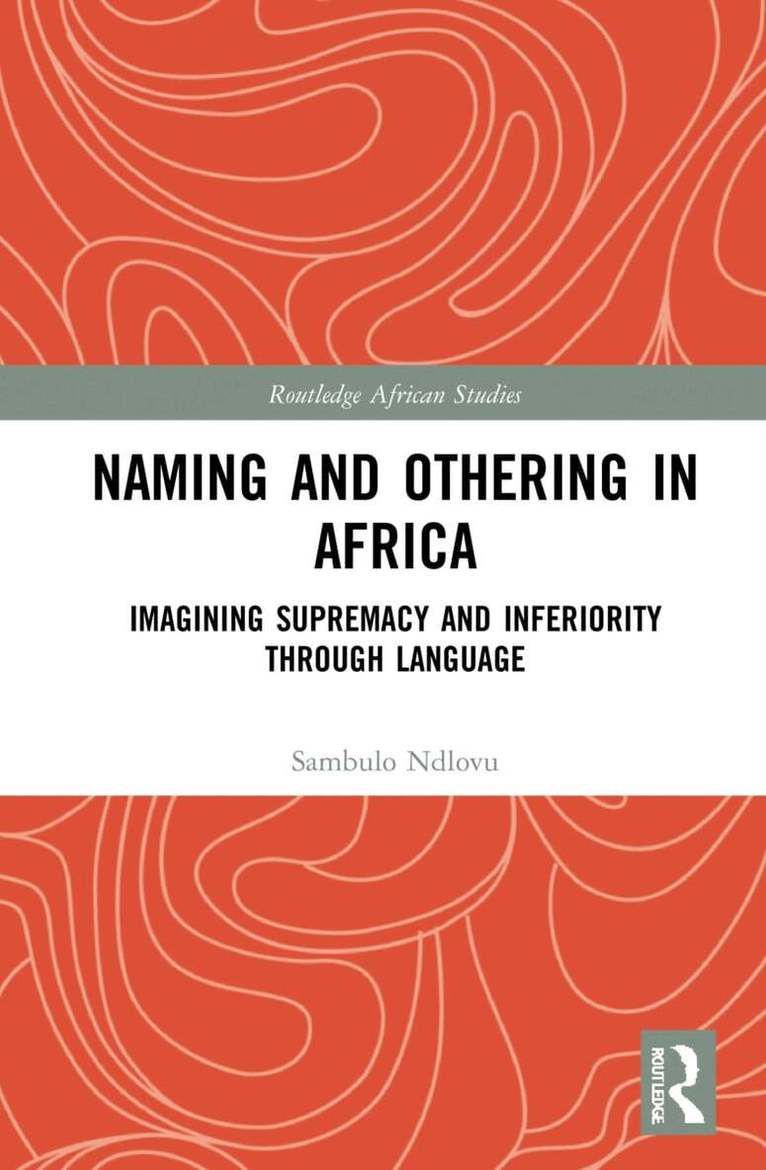
Naming and Othering in Africa
Imagining Supremacy and Inferiority through Language
Inbunden, Engelska, 2021
2 410 kr
Skickas inom 10-15 vardagar
This book examines how names in Africa have been fashioned to create dominance and subjugation, inclusion and exclusion, others and self.Drawing on global and African examples, but with particular reference to Zimbabwe, the author demonstrates how names are used in class, race, ethnic, national, gender, sexuality, religious and business struggles in society as weapons by ingroups and outgroups. Using Othering theory as a framework, the chapters explore themes such as globalised names and their demonstration of the other; onomastic erasure in colonial naming and the subsequent decoloniality in African name changes; othering of women in onomastics and crude and sophisticated phaulisms in the areas of race, ethnicity, nationality, disability and sexuality.Highlighting social power dynamics through onomastics, this book will be of interest to researchers of onomastics, social anthropology, sociolinguistics and African culture and history.
Naming and Othering in Africa
Imagining Supremacy and Inferiority through Language
Häftad, Engelska, 2023
632 kr
Skickas inom 10-15 vardagar
This book examines how names in Africa have been fashioned to create dominance and subjugation, inclusion and exclusion, others and self.Drawing on global and African examples, but with particular reference to Zimbabwe, the author demonstrates how names are used in class, race, ethnic, national, gender, sexuality, religious and business struggles in society as weapons by ingroups and outgroups. Using Othering theory as a framework, the chapters explore themes such as globalised names and their demonstration of the other; onomastic erasure in colonial naming and the subsequent decoloniality in African name changes; othering of women in onomastics and crude and sophisticated phaulisms in the areas of race, ethnicity, nationality, disability and sexuality.Highlighting social power dynamics through onomastics, this book will be of interest to researchers of onomastics, social anthropology, sociolinguistics and African culture and history.
1 563 kr
Skickas inom 5-8 vardagar
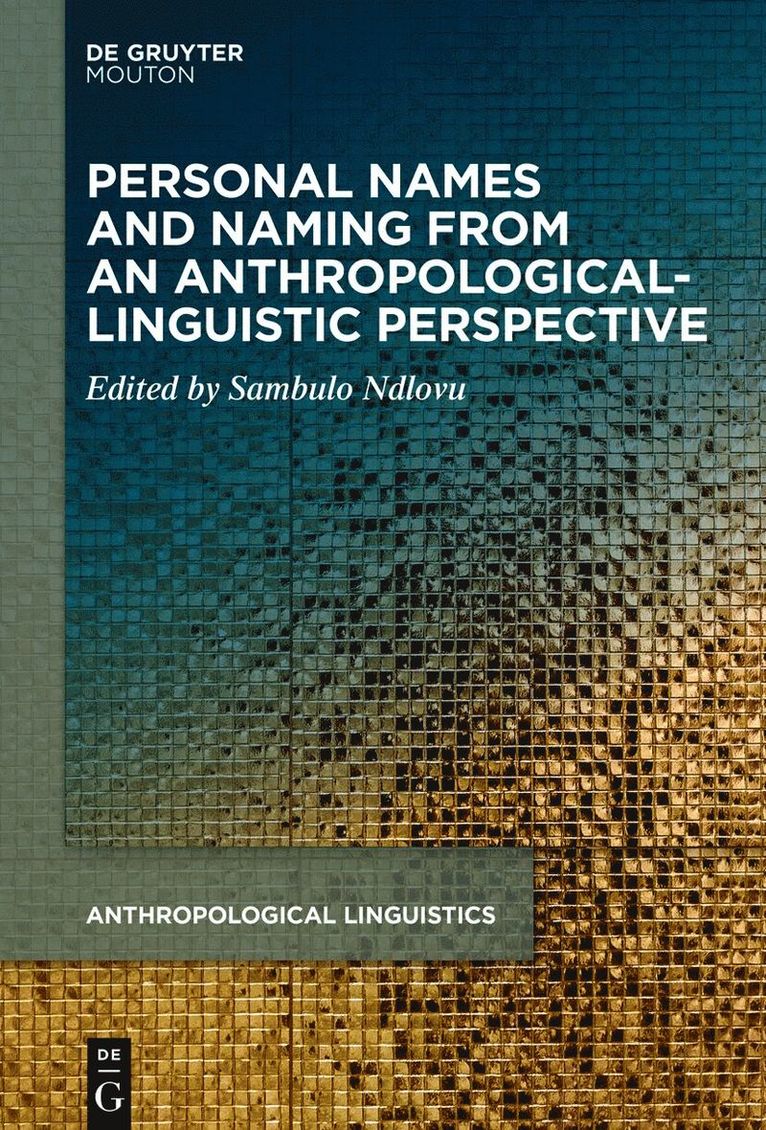
This book fills a gap in the literature as it uniquely approaches onomastics from the perspective of both anthropology and linguistics. It addresses names and cultures from 16 countries and five continents, thus offering readers an opportunity to comprehend and compare names and naming practices across cultures. The chapters presented in this book explore the cultural significance of personal names, naming ceremonies, conventions and practices. They illustrate how these names and practices perform certain culture-specific functions, such as religion, identity and social activity. Some chapters address the socio-political significance of personal names and their expression of self and otherness. The book also links the linguistic structure of personal names to culture by looking at their morphology, syntax and semantics. It is divided into four sections: Section 1 demonstrates how personal names perform human culture, Section 2 focuses on how personal names index socio-political transitioning, Section 3 demonstrates religious values in personal names and naming, and Section 4 links linguistic structure and analysis of personal names to culture and heritage.
318 kr
Skickas inom 3-6 vardagar
This book fills a gap in the literature as it uniquely approaches onomastics from the perspective of both anthropology and linguistics. It addresses names and cultures from 16 countries and five continents, thus offering readers an opportunity to comprehend and compare names and naming practices across cultures. The chapters presented in this book explore the cultural significance of personal names, naming ceremonies, conventions and practices. They illustrate how these names and practices perform certain culture-specific functions, such as religion, identity and social activity. Some chapters address the socio-political significance of personal names and their expression of self and otherness. The book also links the linguistic structure of personal names to culture by looking at their morphology, syntax and semantics. It is divided into four sections: Section 1 demonstrates how personal names perform human culture, Section 2 focuses on how personal names index socio-political transitioning, Section 3 demonstrates religious values in personal names and naming, and Section 4 links linguistic structure and analysis of personal names to culture and heritage.