Samuel J. Watson - Böcker
Visar alla böcker från författaren Samuel J. Watson. Handla med fri frakt och snabb leverans.
2 produkter
2 produkter
2 295 kr
Skickas
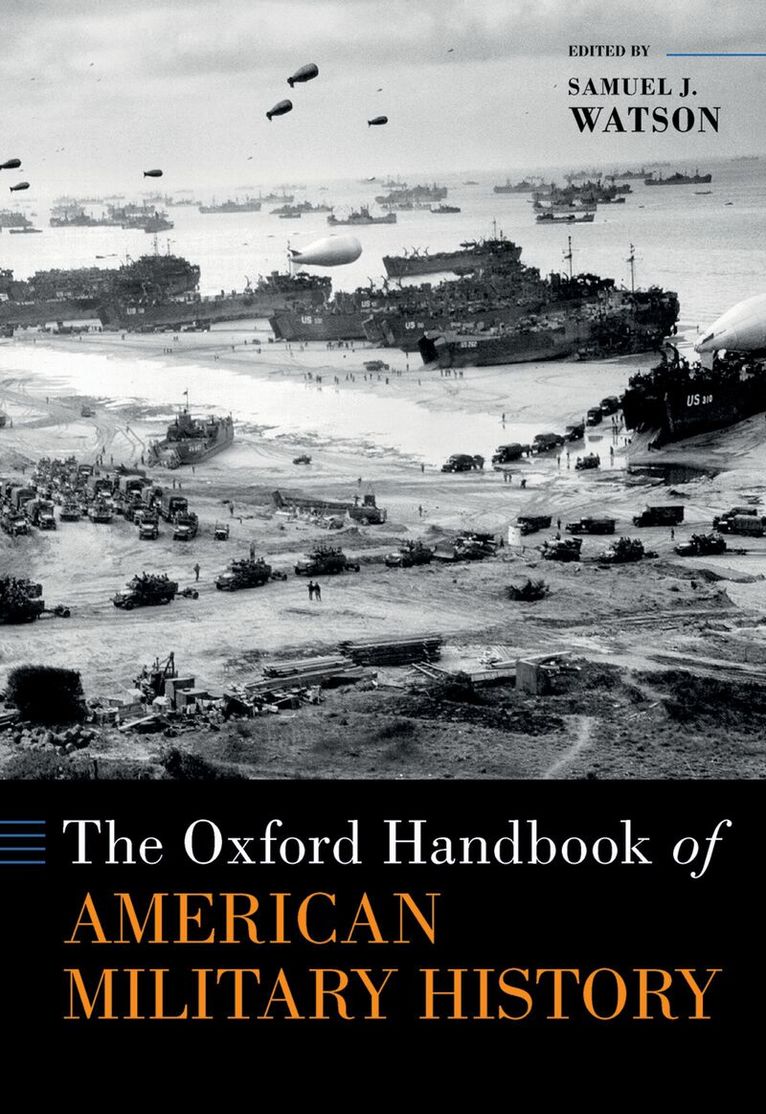
The Oxford Handbook of American Military History examines the chronological and thematic range of American military history, from the colonial era to the present, exploring a variety of connections between war, military institutions, and American society, politics, economics, and culture, in chronological, topical, and thematic essays. The essays feature holistic analytic narratives, with a strong emphasis on connections, interpretation, and insights by leading scholars with extensive experience teaching American and military history. Many of the authors are rising experts, with new perspectives and insights; many have served in the military or taught in institutions of professional military education.The Oxford Handbook of American Military History explains the contexts, causes, conduct, and consequences of armed conflict, and their contingency and complexity. It evaluates the significance of American conflicts to military history and the history of warfare (for example, in innovations); links, parallels, or distinctions from European military history; the influence of American society on warfare and military institutions; and the impact of warfare and armed conflict on American society. The handbook explores cultural sources, dimensions, and effects of armed conflict and military institutions; the links between state, society and war; and structures as well as contingencies-patterns and dynamics, trends and trajectories over extended periods, identifying some surprising connections. The Oxford Handbook of American Military History will encourage students and scholars to see military history more broadly, in many contexts, while remaining grounded in the study of military policy and institutions, strategy and operations, and tactics and combat.
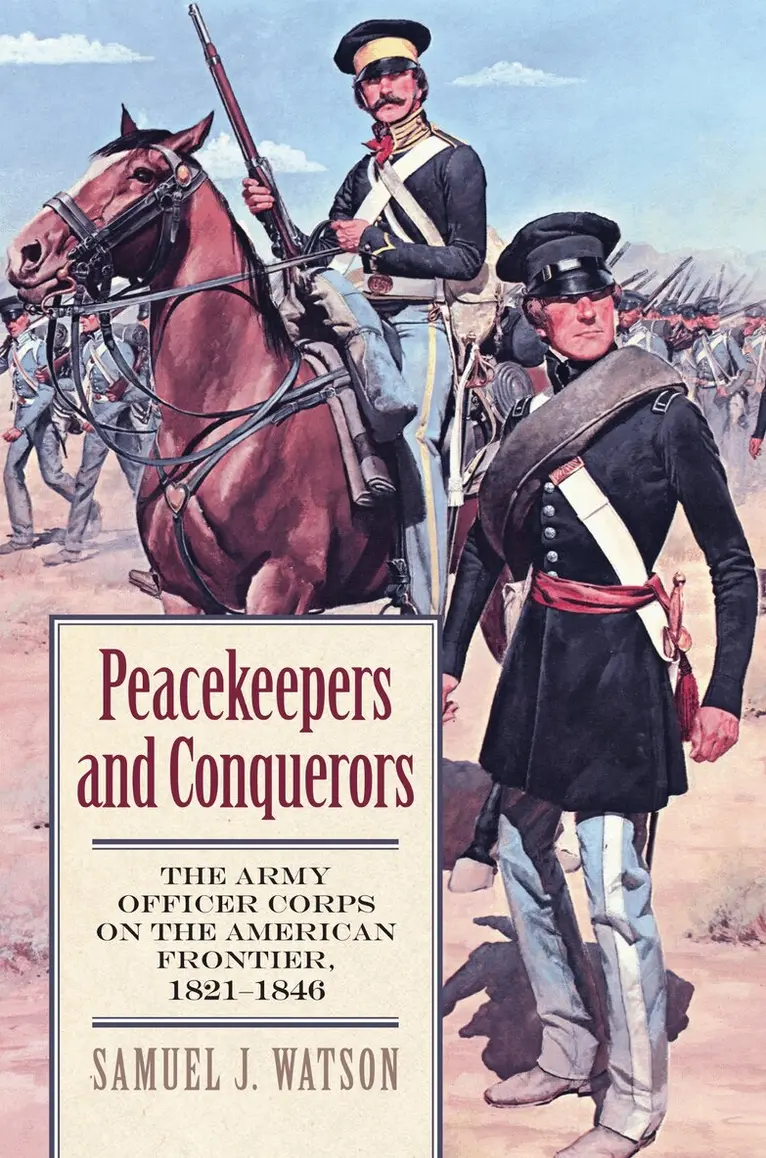
Peacekeepers and Conquerors
The Army Officer Corps on the American Frontier, 1821-1846
Inbunden, Engelska, 2013
752 kr
Skickas inom 7-10 vardagar
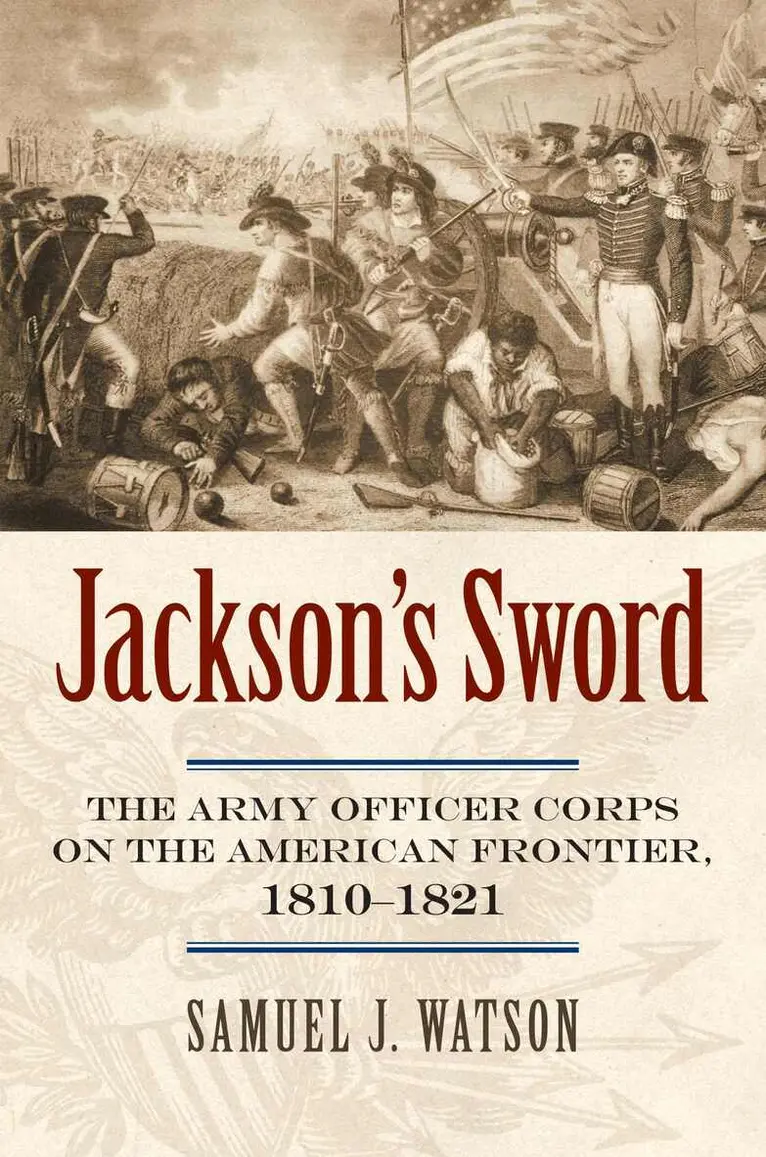
In Jackson’s Sword, Samuel Watson showed how the U.S. Army officer corps played a crucial role in stabilising the frontiers of a rapidly expanding nation. In this sequel volume, he chronicles how the corps’ responsibilities and leadership along the young nation’s borders continued to grow. In the process, he shows, officers reflected an increasing commitment to professionalism, insulation from partisanship, and deference to civilian authority—all tempered in the forge of frustrating, politically complex operations and diplomacy along the nation’s frontiers.Watson now focuses on the quarter-century between the Army’s reduction in force in 1821 and the Mexican War. He examines a broad swath of military activity beginning with campaigns against southeastern Indians, notably the dispossession of the Creeks remaining in Georgia and Alabama from 1825 to 1834; the expropriation of the Cherokee between 1836 and 1838; and the Second Seminole War. He also explores peacekeeping on the Canadian border, which exploded in rebellion against British rule at the end of 1837, prompting British officials to applaud the U.S. Army for calming tensions and demonstrating its government’s support for the international state system. He then follows the gradual extension of U.S. sovereignty in the Southwest through military operations west of the Missouri River and along the Louisiana-Texas border from 1821 to 1838 and through dragoon expeditions onto the central and southern Plains between 1834 and 1845. Throughout his account, Watson shows how military professionalism did not develop independent of civilian society, nor was it simply a matter of growing expertise in the art of conventional warfare. Indeed, the government trusted career army officers to serve as federal, international, and interethnic mediators, national law enforcers, and de facto intercultural and international peacekeepers. He also explores officers’ attitudes toward Britain, Oregon, Texas, and Mexico to assess their values and priorities on the eve of the first conventional war the United States had fought in more than three decades. Watson’s detailed study delves deeply into sources that reveal what officers actually thought, wrote, and did in the frontier and border regions. By examining the range of operations over the course of this quarter-century, he shows that the processes of peacekeeping, coercive diplomacy, and conquest were intricately and inextricably woven together.