Samuel Mareel – författare
Visar alla böcker från författaren . Handla med fri frakt och snabb leverans.
6 produkter
6 produkter
Häftad, Engelska, 2019
754 kr
Skickas inom 10-15 vardagar
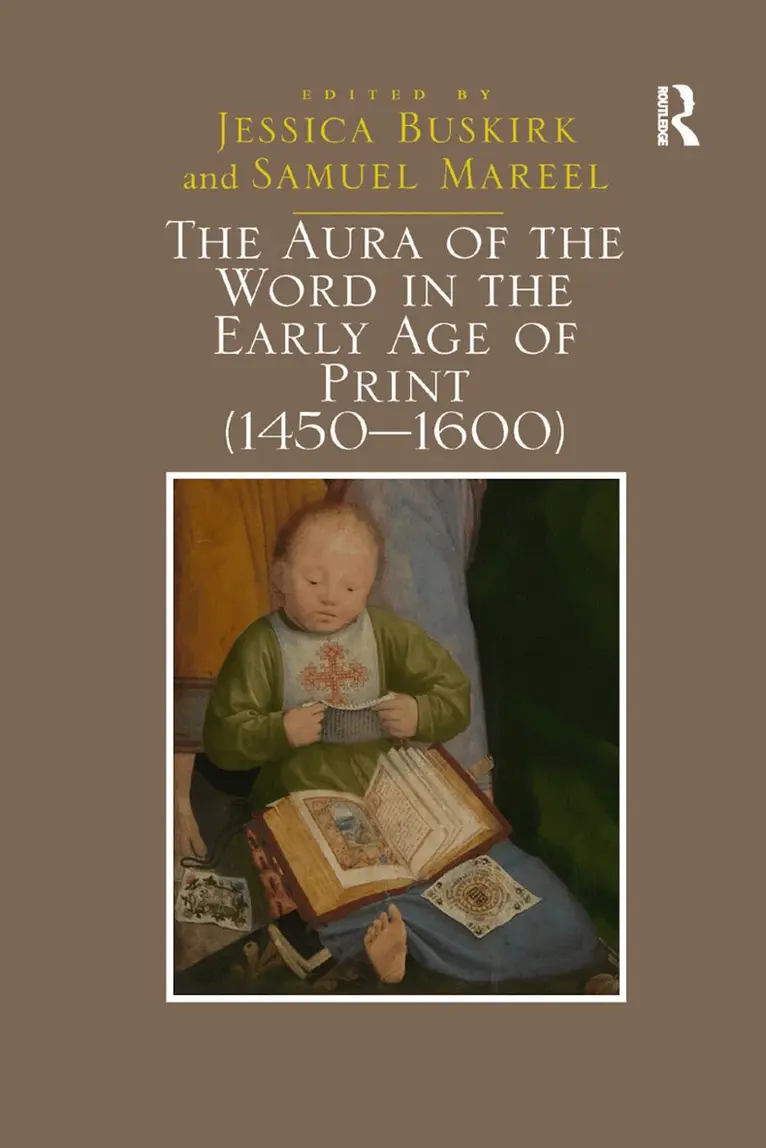
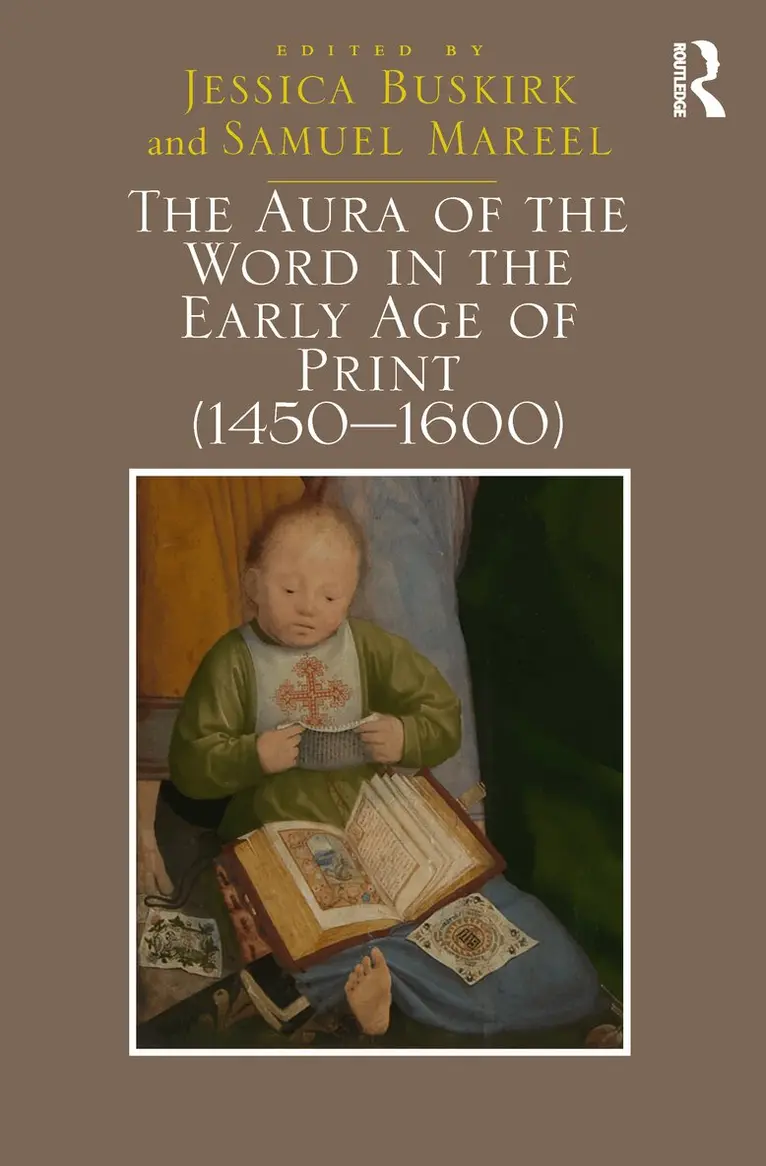
Did the invention of movable type change the way that the word was perceived in the early modern period? In his groundbreaking essay "The Work of Art in the Age of Mechanical Reproduction," the cultural critic Walter Benjamin argued that reproduction drains the image of its aura, by which he means the authority that a work of art obtains from its singularity and its embeddedness in a particular context. The central question in The Aura of the Word in the Early Age of Print (1450-1600) is whether the dissemination of text through print had a similar effect on the status of the word in the early modern period. In this volume, contributors from a variety of fields look at manifestations of the early modern word (in English, French, Latin, Dutch, German and Yiddish) as entities whose significance derived not simply from their semantic meaning but also from their relationship to their material support, to the physical context in which they are located and to the act of writing itself. Rather than viewing printed text as functional and lacking in materiality, contributors focus on how the placement of a text could affect its meaning and significance. The essays also consider the continued vitality of pre-printing-press kinds of text such as the illuminated manuscript; and how new practices, such as the veneration of handwriting, sprung up in the wake of the invention of movable type.
E-bok
Engelska, 2017769 kr
Läs direkt efter köp
Did the invention of movable type change the way that the word was perceived in the early modern period? In his groundbreaking essay "The Work of Art in the Age of Mechanical Reproduction," the cultural critic Walter Benjamin argued that reproduction drains the image of its aura, by which he means the authority that a work of art obtains from its singularity and its embeddedness in a particular context. The central question in The Aura of the Word in the Early Age of Print (1450-1600) is whether the dissemination of text through print had a similar effect on the status of the word in the early modern period. In this volume, contributors from a variety of fields look at manifestations of the early modern word (in English, French, Latin, Dutch, German and Yiddish) as entities whose significance derived not simply from their semantic meaning but also from their relationship to their material support, to the physical context in which they are located and to the act of writing itself. Rather than viewing printed text as functional and lacking in materiality, contributors focus on how the placement of a text could affect its meaning and significance. The essays also consider the continued vitality of pre-printing-press kinds of text such as the illuminated manuscript; and how new practices, such as the veneration of handwriting, sprung up in the wake of the invention of movable type.
E-bok
PDF, Engelska, 2017797 kr
Läs direkt efter köp
Did the invention of movable type change the way that the word was perceived in the early modern period? In his groundbreaking essay "The Work of Art in the Age of Mechanical Reproduction," the cultural critic Walter Benjamin argued that reproduction drains the image of its aura, by which he means the authority that a work of art obtains from its singularity and its embeddedness in a particular context. The central question in The Aura of the Word in the Early Age of Print (1450-1600) is whether the dissemination of text through print had a similar effect on the status of the word in the early modern period. In this volume, contributors from a variety of fields look at manifestations of the early modern word (in English, French, Latin, Dutch, German and Yiddish) as entities whose significance derived not simply from their semantic meaning but also from their relationship to their material support, to the physical context in which they are located and to the act of writing itself. Rather than viewing printed text as functional and lacking in materiality, contributors focus on how the placement of a text could affect its meaning and significance. The essays also consider the continued vitality of pre-printing-press kinds of text such as the illuminated manuscript; and how new practices, such as the veneration of handwriting, sprung up in the wake of the invention of movable type.
Inbunden, Engelska, 2016
2 685 kr
Skickas inom 10-15 vardagar
Did the invention of movable type change the way that the word was perceived in the early modern period? In his groundbreaking essay "The Work of Art in the Age of Mechanical Reproduction," the cultural critic Walter Benjamin argued that reproduction drains the image of its aura, by which he means the authority that a work of art obtains from its singularity and its embeddedness in a particular context. The central question in The Aura of the Word in the Early Age of Print (1450-1600) is whether the dissemination of text through print had a similar effect on the status of the word in the early modern period. In this volume, contributors from a variety of fields look at manifestations of the early modern word (in English, French, Latin, Dutch, German and Yiddish) as entities whose significance derived not simply from their semantic meaning but also from their relationship to their material support, to the physical context in which they are located and to the act of writing itself. Rather than viewing printed text as functional and lacking in materiality, contributors focus on how the placement of a text could affect its meaning and significance. The essays also consider the continued vitality of pre-printing-press kinds of text such as the illuminated manuscript; and how new practices, such as the veneration of handwriting, sprung up in the wake of the invention of movable type.
Inbunden, Engelska, 2027
483 kr
Kommande
From human folly to political satire, this richly illustrated volume reveals how masters like Bruegel brought language to life through art.This book is the first to explore the rich tradition of visualized language in the art of the Early Modern Low Countries, with Pieter Bruegel the Elder as its central figure. Through masterpieces by artists including Hieronymus Bosch, Jacques Jordaens, Jan Steen, and Rembrandt van Rijn, it demonstrates how proverbs, satire, and allegory inspired artists for centuries. From human folly and political tensions to sex, drink, and mortality, word and image emerge as closely intertwined. The book also places this tradition within a contemporary and global perspective, revealing the enduring relevance of Bruegel’s visual language today.
Inbunden, Engelska, 2021
361 kr
Tillfälligt slut
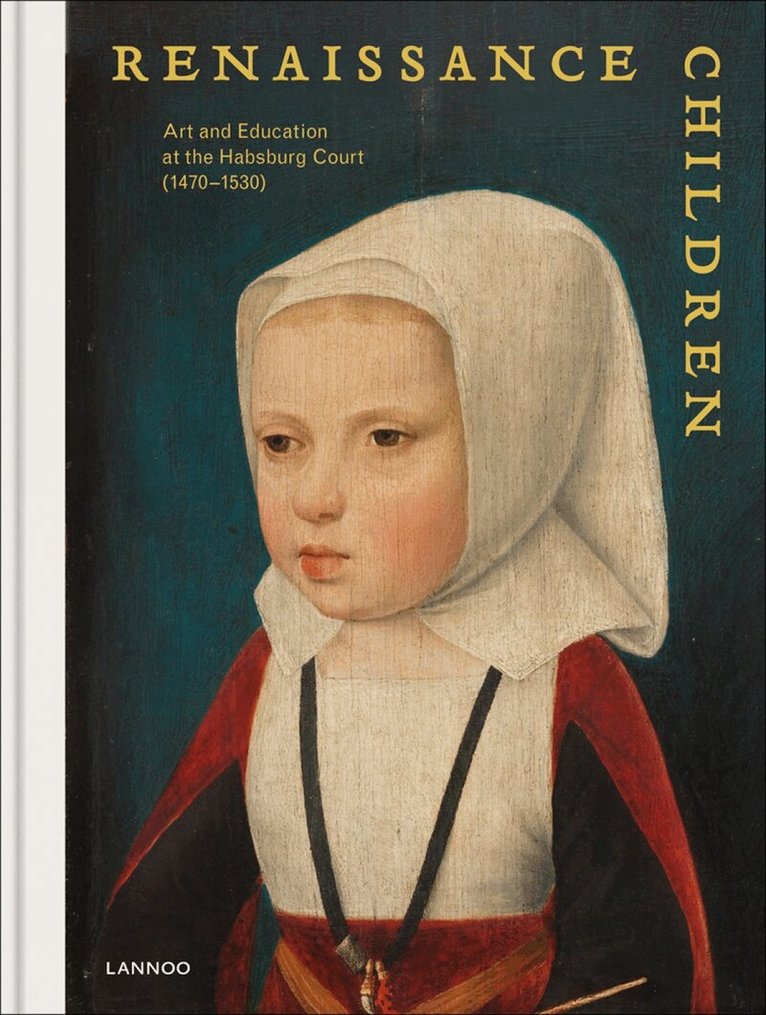
Renaissance Children puts child portrait painting from the 15th and 16th century in the spotlight and tells the historical, pedagogical and artistic story of the most remarkable paintings.In the 15th and 16th century, the House of Habsburg ruled over a large part of Europe, and would turn into one of the most important European royal families in world history. In that time, Mechelen was the centre of education, where many Habsburg princes and princesses spent a large part of their youth, among whom Margaret of Austria and Charles V. Other powerful families also sent their children to Mechelen – the most famous of whom is perhaps Anne Boleyn, who would later become queen of England. Renaissance Children goes back to that Belgian city, where many portrait paintings of children originated. The book specifically focusses on child portraits of top artists, such as Jan Gossart, Bernard van Orley and Juan de Flandes. Includes unique paintings by Flemish Masters, such as Jan Gossart, Bernard van Orley and Juan de Flandes Insight into educational values and techniques from the 15th and 16th century The first publication about art and education at one the most important royal houses in European history