Samuel Scheffler – författare
Visar alla böcker från författaren Samuel Scheffler. Handla med fri frakt och snabb leverans.
25 produkter
Death and the Afterlife
Av Samuel Scheffler, Niko Kolodny
Häftad, 2016
528 kr
Lägg i varukorg
Suppose you knew that, though you yourself would live your life to its natural end, the earth and all its inhabitants would be destroyed thirty days after your death. To what extent would you remain committed to your current projects and plans? Would scientists still search for a cure for cancer? …
Boundaries and Allegiances
Problems of Justice and Responsibility in Liberal Thought
E-bok, 2002
935 kr
Lägg i varukorg
This book, a collection of eleven essays by one of the most interesting moral philosophers currently writing, is written from a perspective that is at once sympathetic towards and critical of liberal political philosophy. The essays explore the capacity of liberal thought, and of the moral …
Rejection of Consequentialism
A Philosophical Investigation of the Considerations Underlying Rival Moral Conceptions
E-bok, 1994
505 kr
Lägg i varukorg
In contemporary philosophy, substantive moral theories are typically classified as either consequentialist or deontological. Standard consequentialist theories insist, roughly, that agents must always act so as to produce the best available outcomes overall. Standard deontological theories, by …
Boundaries and Allegiances
Problems of Justice and Responsibility in Liberal Thought
E-bok, 2001
883 kr
Lägg i varukorg
This book, a collection of eleven essays by one of the most interesting moral philosophers currently writing, is written from a perspective that is at once sympathetic towards and critical of liberal political philosophy. The essays explore the capacity of liberal thought, and of the moral …
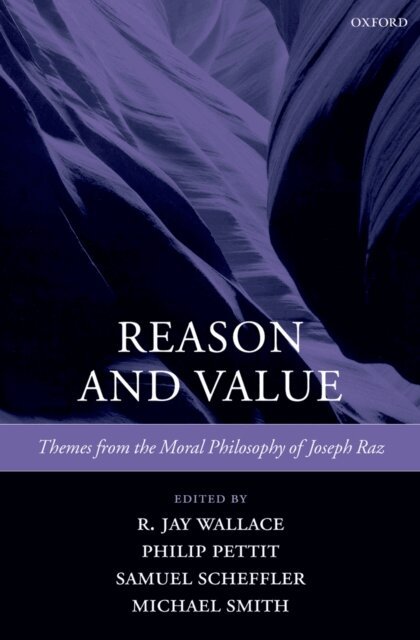
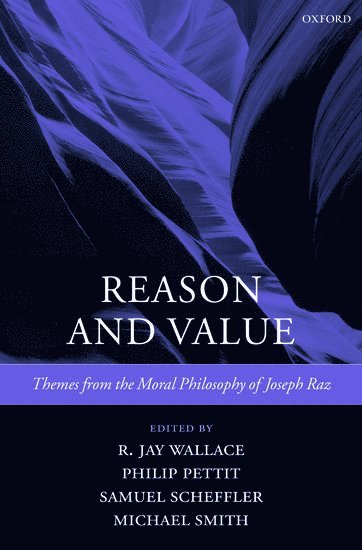
Reason and Value
Themes from the Moral Philosophy of Joseph Raz
Av Michael Smith, Samuel Scheffler m. fl.
E-bok, 2004
701 kr
Lägg i varukorg
Reason and Value collects 15 new papers by leading contemporary philosophers on themes from the work of Joseph Raz. Raz has made major contributions in a wide range of areas, including jurisprudence, political philosophy, and the theory of practical reason; but all of his work displays a deep …
Why Worry About Future Generations?
E-bok, 2018
257 kr
Lägg i varukorg
The things we do today may make life worse for future generations. But why should we care what happens to people who won''t be born until after all of us are gone? Some philosophers have treated this as a question about our moral responsibilities, and have argued that we have duties of beneficence …
Why Worry About Future Generations?
E-bok, 2018
257 kr
Lägg i varukorg
The things we do today may make life worse for future generations. But why should we care what happens to people who won''t be born until after all of us are gone? Some philosophers have treated this as a question about our moral responsibilities, and have argued that we have duties of beneficence …
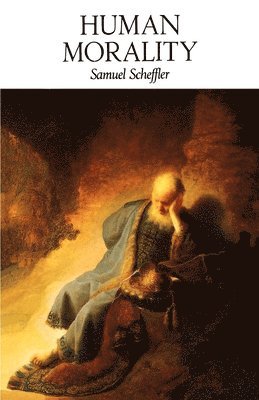
Human Morality
Häftad, 1994
667 kr
Lägg i varukorg
This book by Samuel Scheffler, one of the most prominent moral philosophers working today, investigates morality's content, scope, authority, and deliberative role, and in so doing offers an interpretation of the place of moral concerns in our lives. Morality is seen as fundamentally a humane …
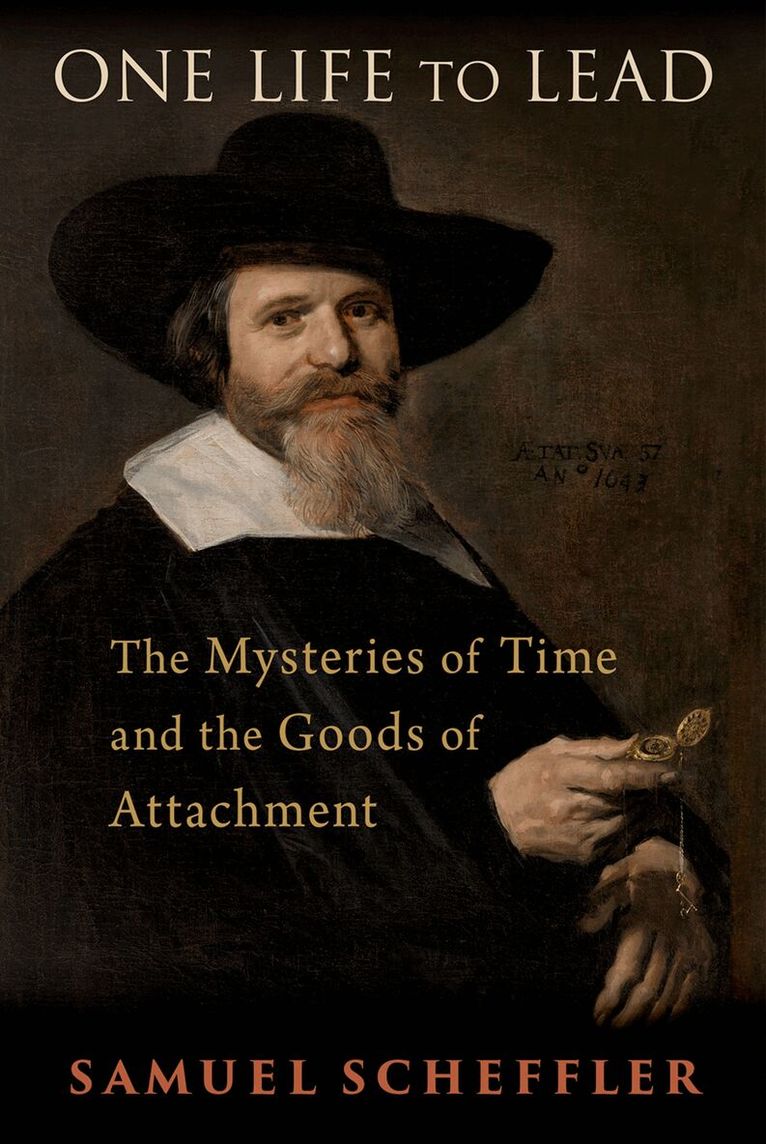
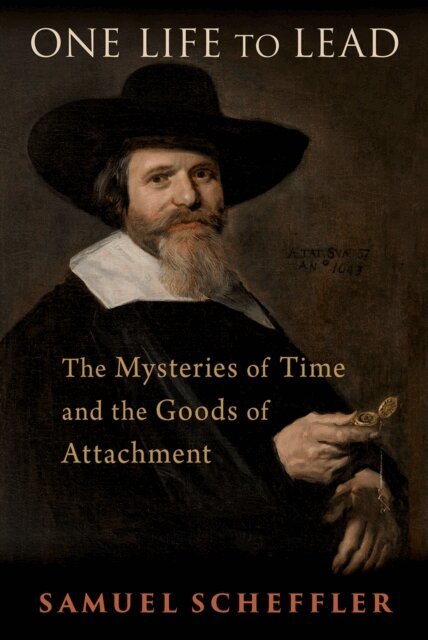
One Life to Lead
The Mysteries of Time and the Goods of Attachment
Inbunden, 2025
313 kr
Lägg i varukorg
It is a truism that each of us has one life to lead -- yet we rarely ask what it means to lead a life. The answer may seem obvious, but leading one's life is actually a complex, multifaceted undertaking, which requires us to negotiate deeply puzzling aspects of our experience and overcome profound …
One Life to Lead
The Mysteries of Time and the Goods of Attachment
E-bok, 2025
277 kr
Lägg i varukorg
It is a truism that each of us has one life to lead--yet we rarely ask what it means to lead a life. The answer may seem obvious, but leading one''s life is actually a complex, multifaceted undertaking, which requires us to negotiate deeply puzzling aspects of our experience and overcome profound …
One Life to Lead
The Mysteries of Time and the Goods of Attachment
E-bok, 2025
277 kr
Lägg i varukorg
It is a truism that each of us has one life to lead--yet we rarely ask what it means to lead a life. The answer may seem obvious, but leading one''s life is actually a complex, multifaceted undertaking, which requires us to negotiate deeply puzzling aspects of our experience and overcome profound …
The Rejection of Consequentialism
A Philosophical Investigation of the Considerations Underlying Rival Moral Conceptions
Inbunden, 1994
1133 kr
Lägg i varukorg
In contemporary philosophy, substantive moral theories are typically classified as either consequentialist or deontological. Standard consequentialist theories insist, roughly, that agents must always act so as to produce the best available outcomes overall. Standard deontological theories, by …
The Rejection of Consequentialism
A Philosophical Investigation of the Considerations Underlying Rival Moral Conceptions
Häftad, 1994
732 kr
Lägg i varukorg
In contemporary philosophy, substantive moral theories are typically classified as either consequentialist or deontological. Standard consequentialist theories insist, roughly, that agents must always act so as to produce the best available outcomes overall. Standard deontological theories, by …
Consequentialism and its Critics
Häftad, 1988
887 kr
Lägg i varukorg
This volume presents papers discussing arguments on both sides of the consequentialist debate. The distinguished contributors include John Rawls, Bernard Williams, Thomas Nagel, Derek Parfit, among others.
Why Worry About Future Generations?
Inbunden, 2018
565 kr
Lägg i varukorg
The things we do today may make life worse for future generations. But why should we care what happens to people who won't be born until after all of us are gone? Some philosophers have treated this as a question about our moral responsibilities, and have argued that we have duties of beneficence …
Why Worry About Future Generations?
Häftad, 2020
381 kr
Lägg i varukorg
The things we do today may make life worse for future generations. But why should we care what happens to people who won't be born until after all of us are gone? Some philosophers have treated this as a question about our moral responsibilities, and have argued that we have duties of beneficence …
Boundaries and Allegiances
Problems of Justice and Responsibility in Liberal Thought
Häftad, 2002
1311 kr
Lägg i varukorg
This book, a collection of eleven essays by one of the most interesting moral philosophers currently writing, is written from a perspective that is at once sympathetic towards and critical of liberal political philosophy. The essays explore the capacity of liberal thought, and of the moral …
Reason and Value
Themes from the Moral Philosophy of Joseph Raz
Av R. Jay Wallace, Philip Pettit m. fl.
Inbunden, 2004
2765 kr
Lägg i varukorg
Reason and Value collects 15 new papers by leading contemporary philosophers on themes from the work of Joseph Raz. Raz has made major contributions in a wide range of areas, including jurisprudence, political philosophy, and the theory of practical reason; but all of his work displays a deep …
Reason and Value
Themes from the Moral Philosophy of Joseph Raz
Av R. Jay Wallace, Philip Pettit m. fl.
Häftad, 2006
1170 kr
Lägg i varukorg
Reason and Value collects 15 new papers by leading contemporary philosophers on themes from the work of Joseph Raz. Raz has made major contributions in a wide range of areas, including jurisprudence, political philosophy, and the theory of practical reason; but all of his work displays a deep …
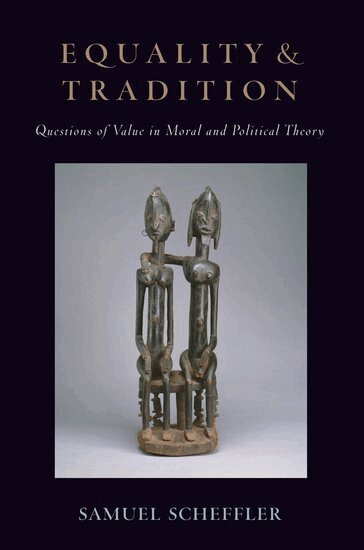
Equality and Tradition
Questions of Value in Moral and Political Theory
E-bok, 2010
569 kr
Lägg i varukorg
This collection of essays by noted philosopher Samuel Scheffler combines discussion of abstract questions in moral and political theory with attention to the normative dimension of current social and political controversies. In addition to chapters on more abstract issues such as the nature of …
Equality and Tradition
Questions of Value in Moral and Political Theory
E-bok, 2010
569 kr
Lägg i varukorg
This collection of essays by noted philosopher Samuel Scheffler combines discussion of abstract questions in moral and political theory with attention to the normative dimension of current social and political controversies. In addition to chapters on more abstract issues such as the nature of …
Equality and Tradition
Questions of Value in Moral and Political Theory
Häftad, 2012
732 kr
Lägg i varukorg
This collection of essays by noted philosopher Samuel Scheffler combines discussion of abstract questions in moral and political theory with attention to the normative dimension of current social and political controversies. In addition to chapters on more abstract issues such as the nature of …
Death and the Afterlife
Av Samuel Scheffler, Niko Kolodny
Inbunden, 2013
840 kr
Lägg i varukorg
We normally take it for granted that other people will live on after we ourselves have died. Even if we do not believe in a personal afterlife in which we survive our own deaths, we assume that there will be a "collective afterlife" in which humanity survives long after we are gone. Samuel …
Death and the Afterlife
Av Samuel Scheffler, Niko Kolodny
E-bok, 2013
367 kr
Lägg i varukorg
Suppose you knew that, though you yourself would live your life to its natural end, the earth and all its inhabitants would be destroyed thirty days after your death. To what extent would you remain committed to your current projects and plans? Would scientists still search for a cure for cancer? …
Death and the Afterlife
Av Samuel Scheffler, Niko Kolodny
E-bok, 2013
367 kr
Lägg i varukorg
Suppose you knew that, though you yourself would live your life to its natural end, the earth and all its inhabitants would be destroyed thirty days after your death. To what extent would you remain committed to your current projects and plans? Would scientists still search for a cure for cancer? …