Sandra Lapointe – författare
Visar alla böcker från författaren Sandra Lapointe. Handla med fri frakt och snabb leverans.
23 produkter
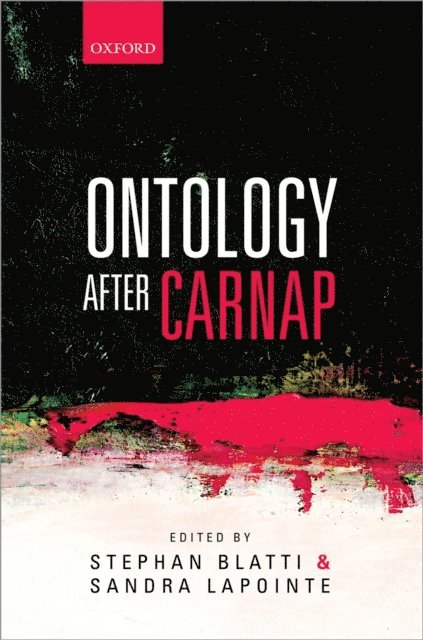
Ontology after Carnap
Av Sandra Lapointe, Stephan Blatti
E-bok, 2016
972 kr
Lägg i varukorg
Analytic philosophy is once again in a methodological frame of mind. Nowhere is this more evident than in metaphysics, whose practitioners and historians are actively reflecting on the nature of ontological questions, the status of their answers, and the relevance of contributions both from other …
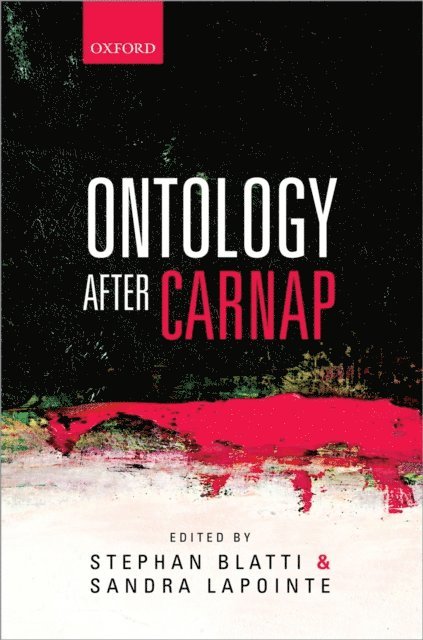
Ontology after Carnap
Av Sandra Lapointe, Stephan Blatti
E-bok, 2016
972 kr
Lägg i varukorg
Analytic philosophy is once again in a methodological frame of mind. Nowhere is this more evident than in metaphysics, whose practitioners and historians are actively reflecting on the nature of ontological questions, the status of their answers, and the relevance of contributions both from other …
Ontology after Carnap
Av Stephan Blatti, Sandra Lapointe
Inbunden, 2016
1191 kr
Lägg i varukorg
Analytic philosophy is once again in a methodological frame of mind. Nowhere is this more evident than in metaphysics, whose practitioners and historians are actively reflecting on the nature of ontological questions, the status of their answers, and the relevance of contributions both from other …
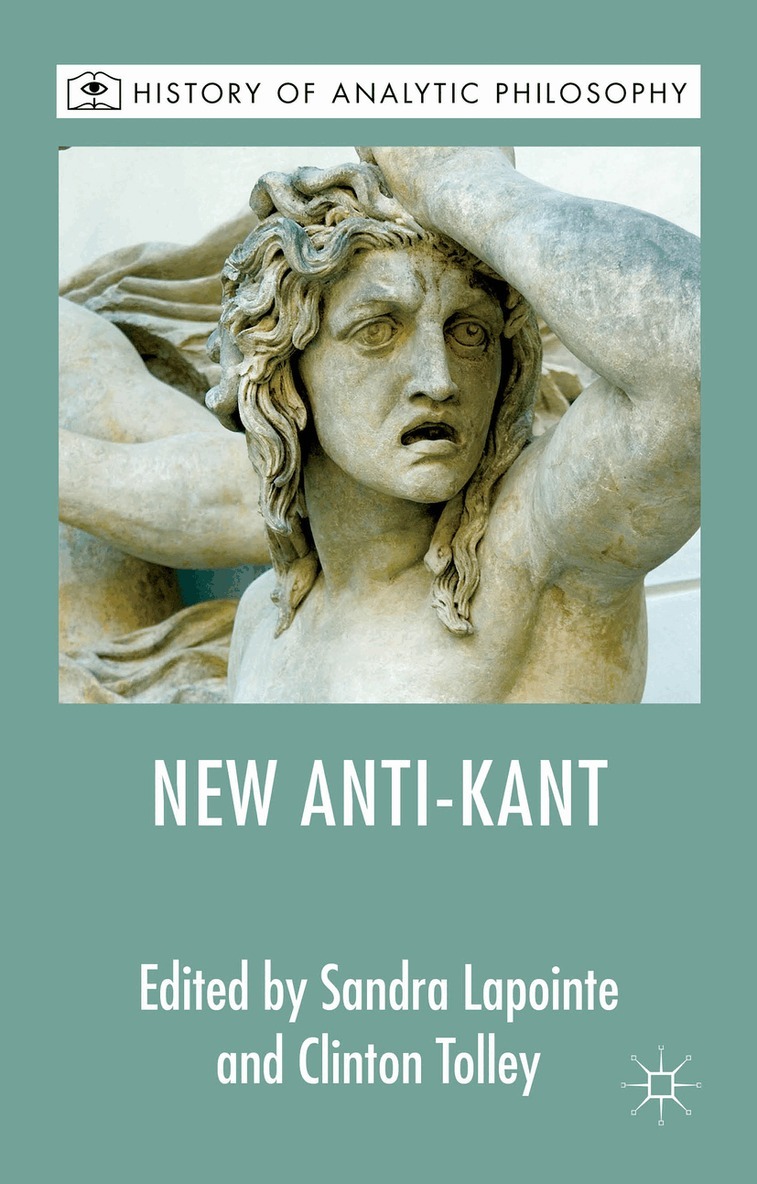
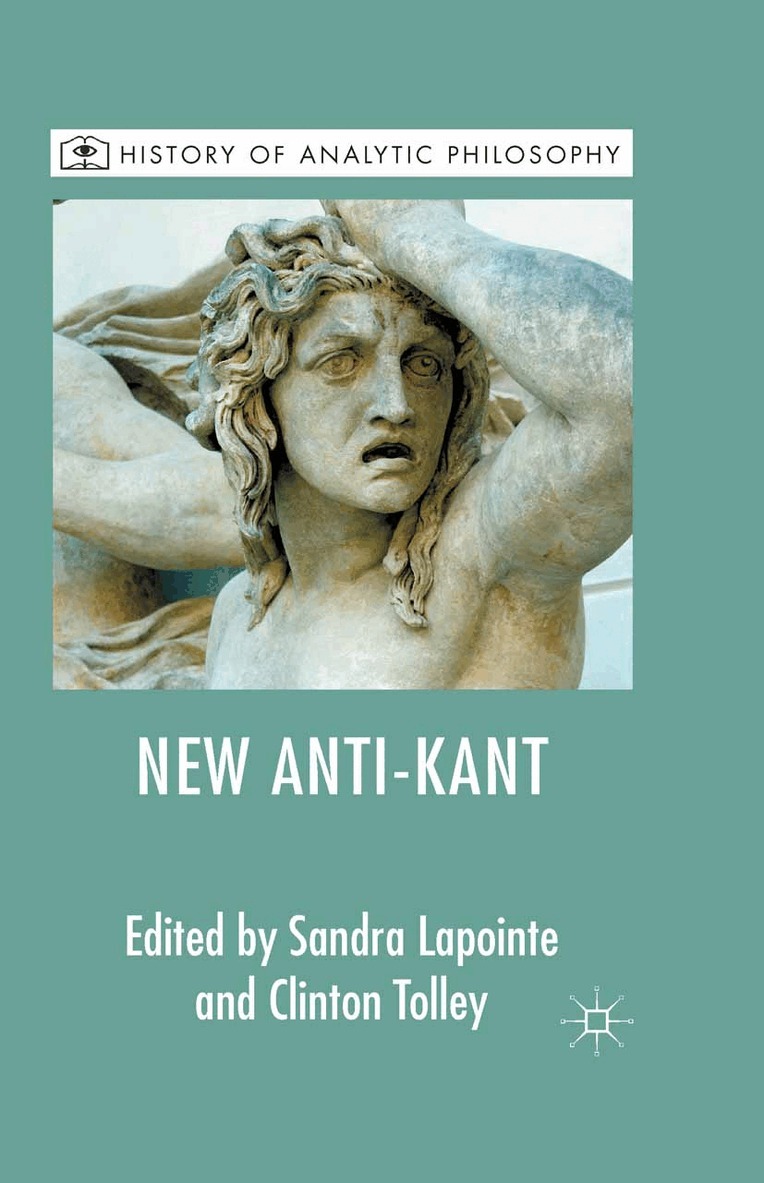
New Anti-Kant
Av F. Prihonsky, Sandra Lapointe m. fl.
Inbunden, 2014
1096 kr
Lägg i varukorg
Finally available in English, Príhonský's New Anti-Kant is an inescapable book for anyone interested in Kant's Critical philosophy. It provides a concise and systematic recapitulation of Bolzano's insightful, trenchant criticisms of Kant, and provides a fresh window into historical developments in …
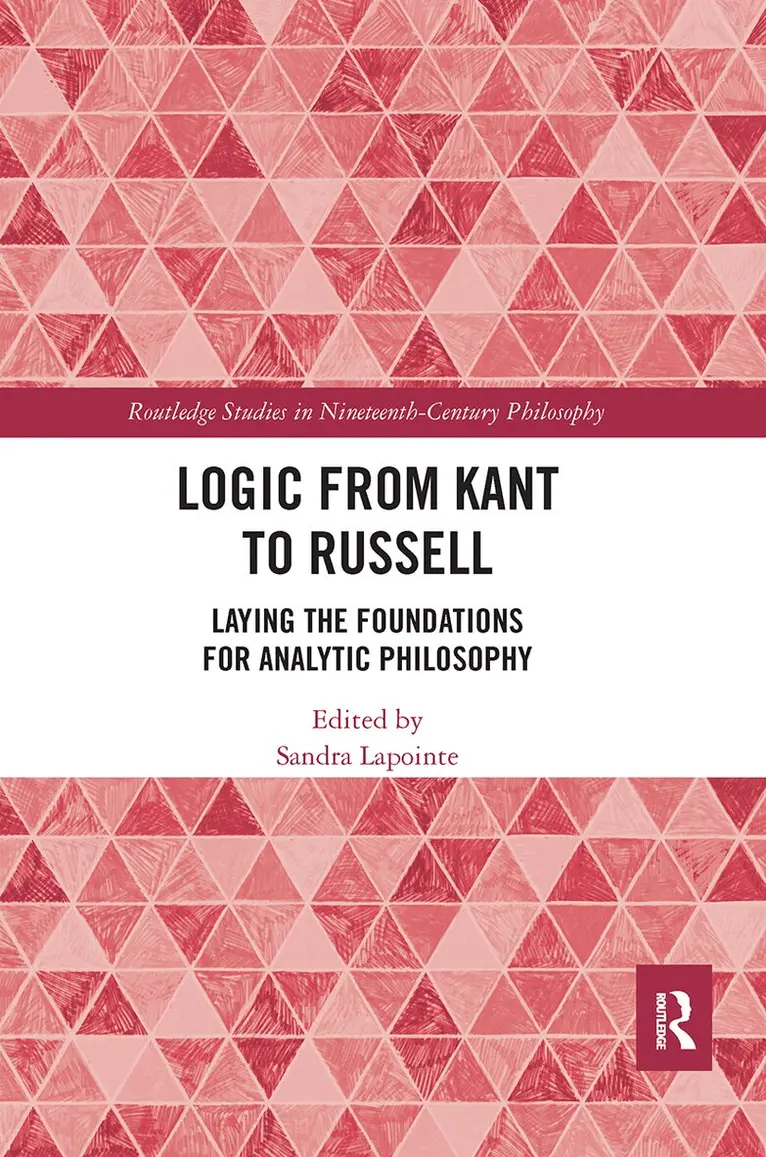
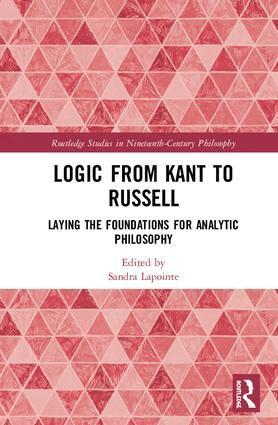
Logic from Kant to Russell
Laying the Foundations for Analytic Philosophy
Häftad, 2020
807 kr
Lägg i varukorg
The scope and method of logic as we know it today eminently reflect the ground-breaking developments of set theory and the logical foundations of mathematics at the turn of the 20th century. Unfortunately, little effort has been made to understand the idiosyncrasies of the philosophical context …
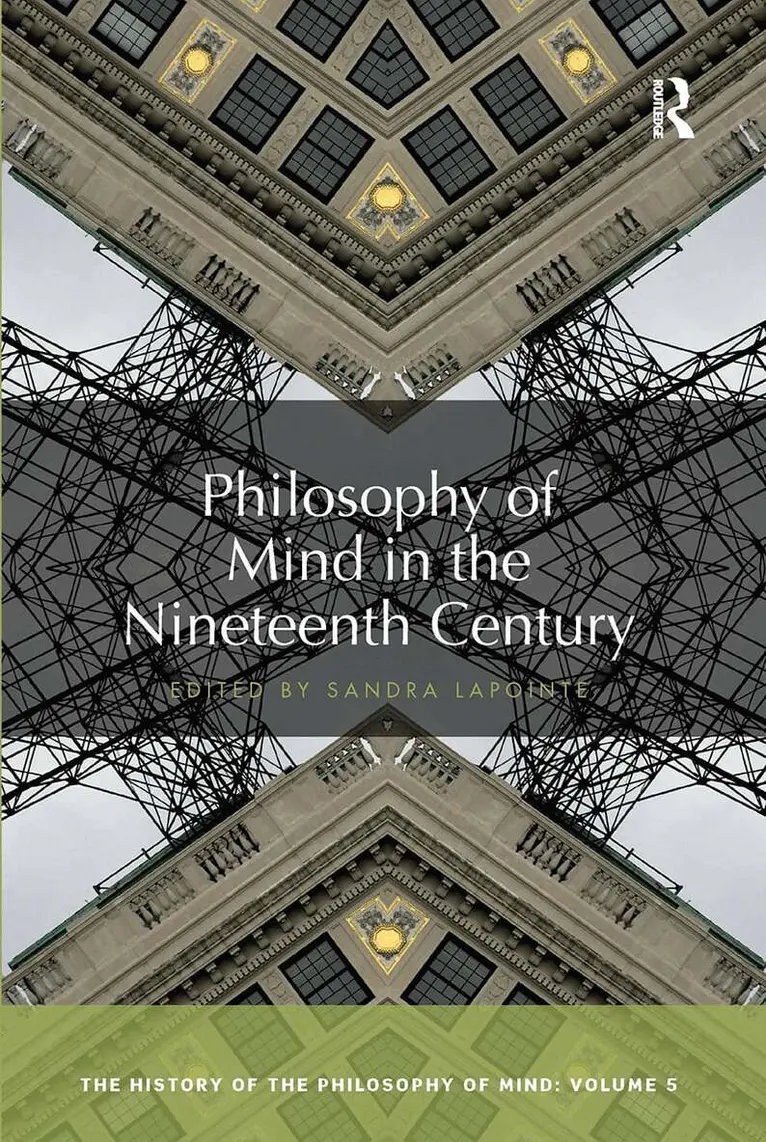
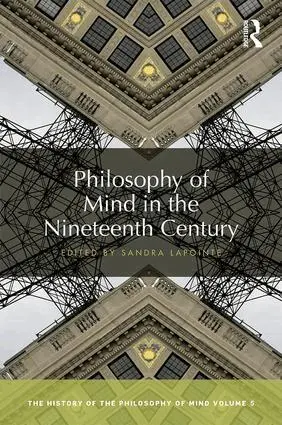
Philosophy of Mind in the Nineteenth Century
The History of the Philosophy of Mind, Volume 5
Häftad, 2020
576 kr
Lägg i varukorg
Between the publication of Kant’s Critique of Pure Reason in 1781 and Husserl’s Ideas in 1913, the nineteenth century was a pivotal period in the philosophy of mind, witnessing the emergence of the phenomenological and analytical traditions that continue to shape philosophical debate in fundamental …
Philosophy of Mind in the Nineteenth Century
The History of the Philosophy of Mind, Volume 5
E-bok, 2018
606 kr
Lägg i varukorg
Between the publication of Kant’s Critique of Pure Reason in 1781 and Husserl’s Ideas in 1913, the nineteenth century was a pivotal period in the philosophy of mind, witnessing the emergence of the phenomenological and analytical traditions that continue to shape philosophical debate in …
Philosophy of Mind in the Nineteenth Century
The History of the Philosophy of Mind, Volume 5
E-bok, 2018
606 kr
Lägg i varukorg
Between the publication of Kant’s Critique of Pure Reason in 1781 and Husserl’s Ideas in 1913, the nineteenth century was a pivotal period in the philosophy of mind, witnessing the emergence of the phenomenological and analytical traditions that continue to shape philosophical debate in …
Logic from Kant to Russell
Laying the Foundations for Analytic Philosophy
Inbunden, 2018
2749 kr
Lägg i varukorg
The scope and method of logic as we know it today eminently reflect the ground-breaking developments of set theory and the logical foundations of mathematics at the turn of the 20th century. Unfortunately, little effort has been made to understand the idiosyncrasies of the philosophical context …
Historiography and the Formation of Philosophical Canons
Av Erich H. Reck, Sandra Lapointe
E-bok, 2023
762 kr
Lägg i varukorg
This book presents a series of case studies and reflections on the historiographical assumptions, methods and approaches that shape the way in which philosophers construct their own past. The chapters in the volume advance discussion of the methods of historians of philosophy, while at the same …
Historiography and the Formation of Philosophical Canons
Av Erich H. Reck, Sandra Lapointe
E-bok, 2023
762 kr
Lägg i varukorg
This book presents a series of case studies and reflections on the historiographical assumptions, methods and approaches that shape the way in which philosophers construct their own past. The chapters in the volume advance discussion of the methods of historians of philosophy, while at the same …
Historiography and the Formation of Philosophical Canons
Av Sandra Lapointe, Erich H. Reck
Inbunden, 2023
2516 kr
Lägg i varukorg
This book presents a series of case studies and reflections on the historiographical assumptions, methods and approaches that shape the way in which philosophers construct their own past.The chapters in the volume advance discussion of the methods of historians of philosophy, while at the same time …
Historiography and the Formation of Philosophical Canons
Av Sandra Lapointe, Erich H. Reck
Häftad, 2024
649 kr
Lägg i varukorg
This book presents a series of case studies and reflections on the historiographical assumptions, methods and approaches that shape the way in which philosophers construct their own past.The chapters in the volume advance discussion of the methods of historians of philosophy, while at the same time …
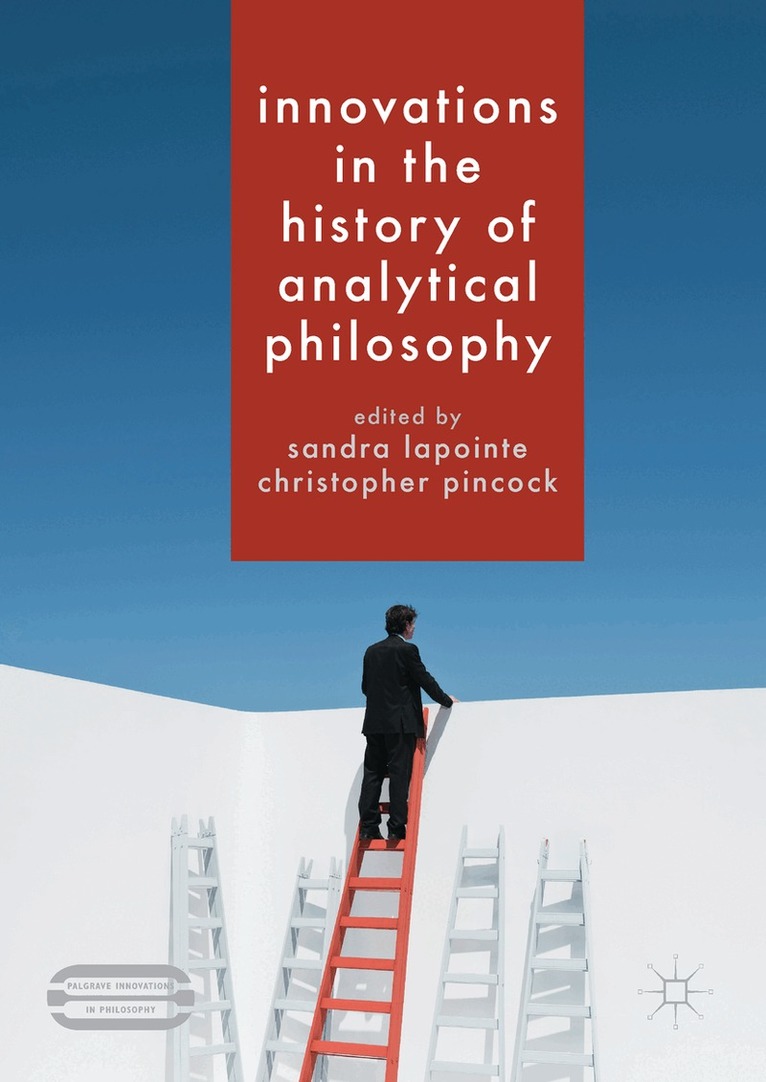
Innovations in the History of Analytical Philosophy
Av Sandra Lapointe, Christopher Pincock
Inbunden, 2017
1096 kr
Lägg i varukorg
This book offers new perspectives on the history of analytical philosophy, surveying recent scholarship on the philosophical study of mind, language, logic and reality over the course of the last 200 years. Each chapter contributes to a broader engagement with a wider range of figures, topics and …
Innovations in the History of Analytical Philosophy
Av Christopher Pincock, Sandra Lapointe
E-bok, 2017
1501 kr
Lägg i varukorg
This book offers new perspectives on the history of analytical philosophy, surveying recent scholarship on the philosophical study of mind, language, logic and reality over the course of the last 200 years. Each chapter contributes to a broader engagement with a wider range of figures, topics and …
Philosophy of Mind in the Nineteenth Century
The History of the Philosophy of Mind, Volume 5
Inbunden, 2018
2516 kr
Lägg i varukorg
Between the publication of Kant’s Critique of Pure Reason in 1781 and Husserl’s Ideas in 1913, the nineteenth century was a pivotal period in the philosophy of mind, witnessing the emergence of the phenomenological and analytical traditions that continue to shape philosophical debate in fundamental …
New Anti-Kant
Av F. Prihonsky, Sandra Lapointe
Häftad, 2014
550 kr
Lägg i varukorg
Finally available in English, Príhonský's New Anti-Kant is an inescapable book for anyone interested in Kant's Critical philosophy. It provides a concise and systematic recapitulation of Bolzano's insightful, trenchant criticisms of Kant, and provides a fresh window into historical developments in …
Logic from Kant to Russell
Laying the Foundations for Analytic Philosophy
E-bok, 2019
953 kr
Lägg i varukorg
The scope and method of logic as we know it today eminently reflect the ground-breaking developments of set theory and the logical foundations of mathematics at the turn of the 20th century. Unfortunately, little effort has been made to understand the idiosyncrasies of the philosophical context …
Logic from Kant to Russell
Laying the Foundations for Analytic Philosophy
E-bok, 2019
932 kr
Lägg i varukorg
The scope and method of logic as we know it today eminently reflect the ground-breaking developments of set theory and the logical foundations of mathematics at the turn of the 20th century. Unfortunately, little effort has been made to understand the idiosyncrasies of the philosophical context …
Themes from Ontology, Mind, and Logic
Present and Past. Essays in Honour of Peter Simons
Häftad, 2015
2192 kr
Lägg i varukorg
Themes from Ontology, Mind and Logic celebrates Peter Simons’s admirable career. The book contains seventeen essays with themes ranging from metaphysics to phenomenology. The contributions by Fabrice Correia, Bob Hale and Crispin Wright, Ingvar Johansson, Kathrin Koslicki, Uriah Kriegel, Wolfgang …
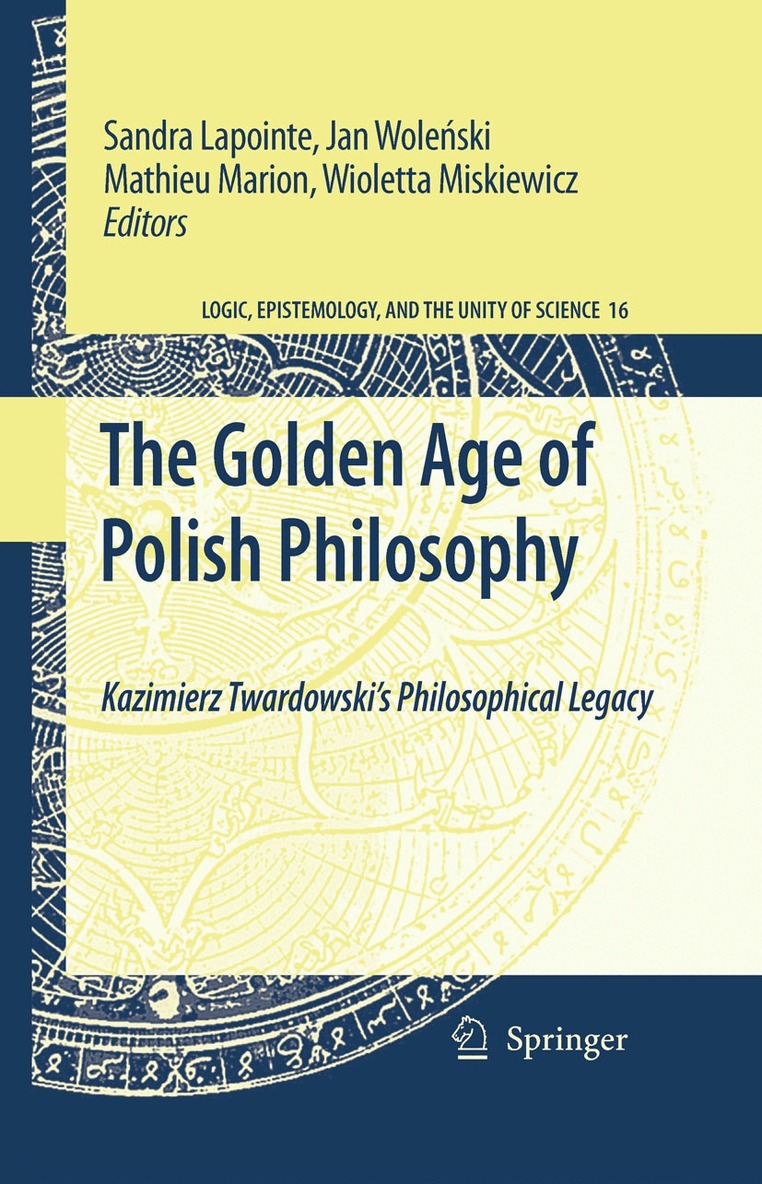
Golden Age of Polish Philosophy
Kazimierz Twardowski's Philosophical Legacy
Av Sandra Lapointe, Jan Wolenski m. fl.
Inbunden, 2009
1096 kr
Lägg i varukorg
Jan Wolenski ´ and Sandra Lapointe Polish philosophy goes back to the 13th century, when Witelo, famous for his works in optics and the metaphysics of light, lived and worked in Silesia. Yet, Poland’s academic life only really began after the University of Cracow was founded in 1364 – its …
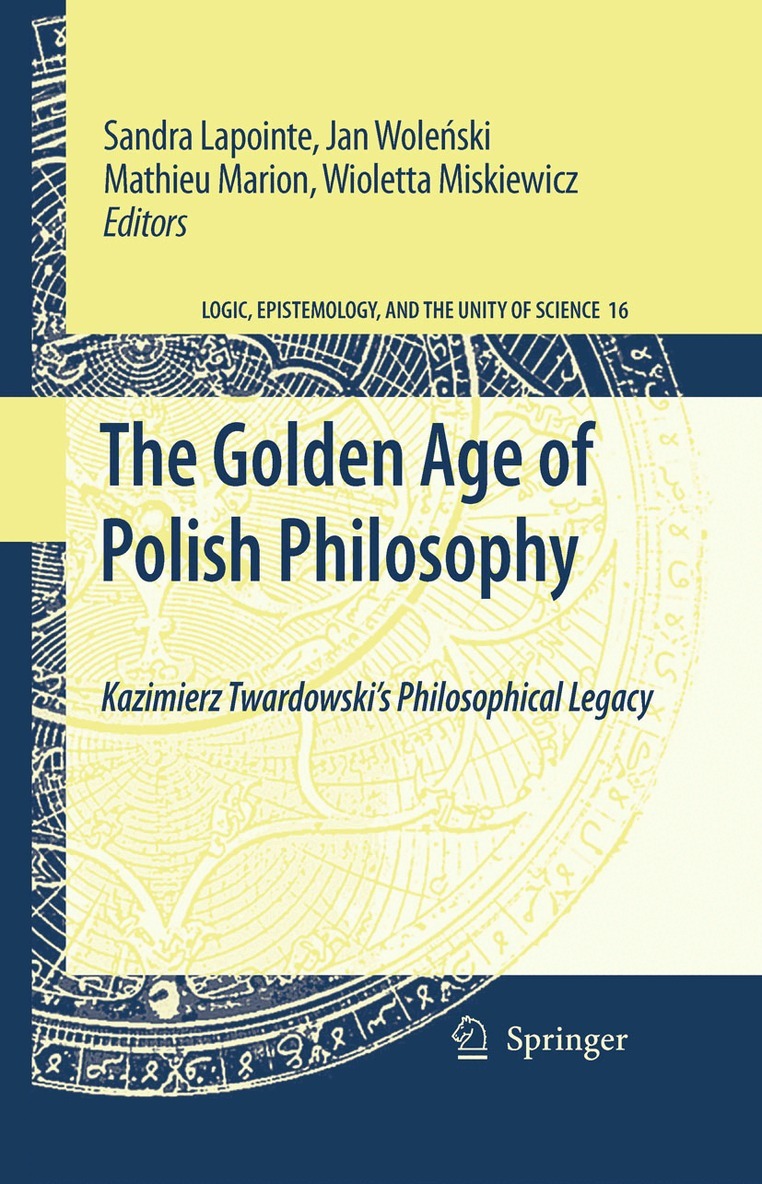
Golden Age of Polish Philosophy
Kazimierz Twardowski''s Philosophical Legacy
Av Wioletta Miskiewicz, Mathieu Marion m. fl.
E-bok, 2009
1459 kr
Lägg i varukorg
Jan Wolenski ´ and Sandra Lapointe Polish philosophy goes back to the 13th century, when Witelo, famous for his works in optics and the metaphysics of light, lived and worked in Silesia. Yet, Poland’s academic life only really began after the University of Cracow was founded in 1364 – its …
Golden Age of Polish Philosophy
Kazimierz Twardowski's Philosophical Legacy
Av Sandra Lapointe, Jan Wolenski m. fl.
Häftad, 2010
1096 kr
Lägg i varukorg
Jan Wolenski ´ and Sandra Lapointe Polish philosophy goes back to the 13th century, when Witelo, famous for his works in optics and the metaphysics of light, lived and worked in Silesia. Yet, Poland’s academic life only really began after the University of Cracow was founded in 1364 – its …