Sandra Ruiz - Böcker
Visar alla böcker från författaren Sandra Ruiz. Handla med fri frakt och snabb leverans.
7 produkter
7 produkter
1 157 kr
Skickas inom 7-10 vardagar
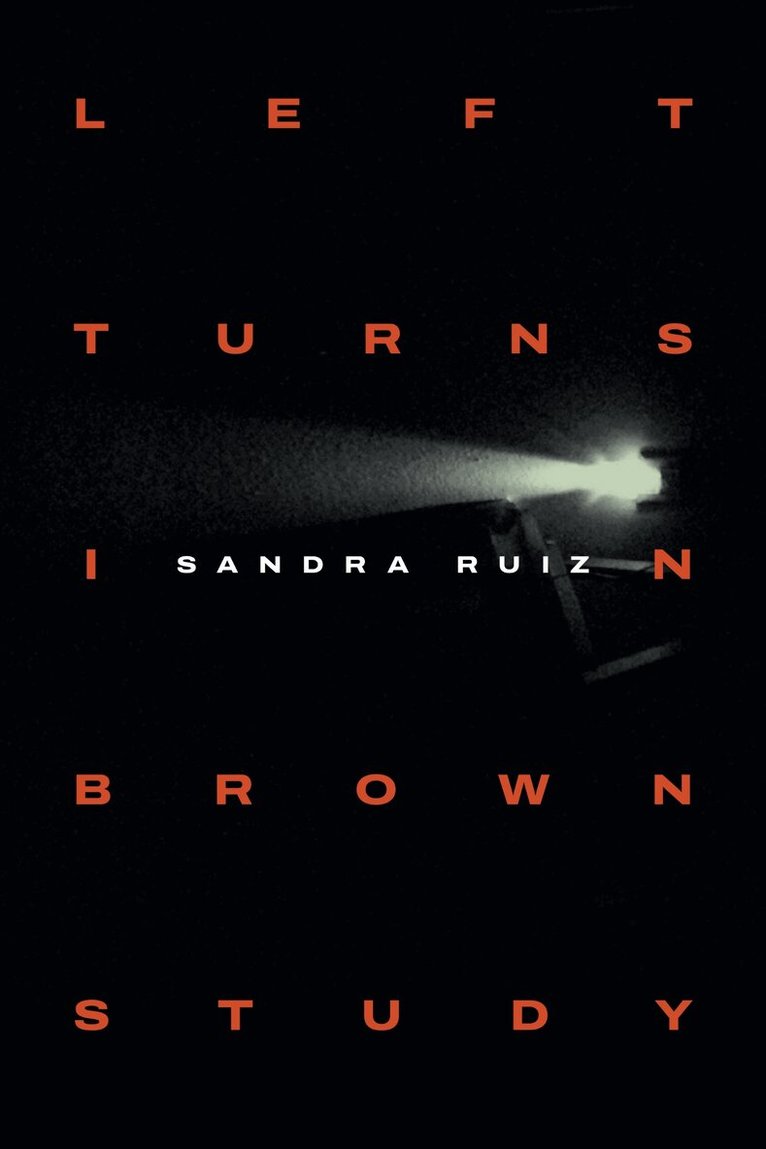
In Left Turns in Brown Study Sandra Ruiz offers a poetic-theoretical inquiry into the interlacing forms of study and mourning. Drawing on Black and Brown activism and theory, Ruiz interweaves poetry, memoir, lyrical essay, and vignettes to examine study as an emancipatory practice. Proposing “brown study” as key for understanding how Brownness harbors loss and suffering along with the possibility for more abundant ways of living, Ruiz invites readers to turn left into the sounds, phrases, and principles of anticolonial ways of reading, writing, citing, and listening. In doing so, Ruiz engages with a panoply of hauntings, ghosts, and spectral presences, from deceased teachers, illiterate ancestors, and those lost to unnatural disasters to all those victims of institutional and colonial violence. Study is shared movement and Brownness lives in citation. Conceptual, poetic, and unconventional, this book is crucial for all those who theorize minoritarian literary aesthetics and think through utopia, queer possibility, and the entwinement of forms.
295 kr
Skickas inom 7-10 vardagar
In Left Turns in Brown Study Sandra Ruiz offers a poetic-theoretical inquiry into the interlacing forms of study and mourning. Drawing on Black and Brown activism and theory, Ruiz interweaves poetry, memoir, lyrical essay, and vignettes to examine study as an emancipatory practice. Proposing “brown study” as key for understanding how Brownness harbors loss and suffering along with the possibility for more abundant ways of living, Ruiz invites readers to turn left into the sounds, phrases, and principles of anticolonial ways of reading, writing, citing, and listening. In doing so, Ruiz engages with a panoply of hauntings, ghosts, and spectral presences, from deceased teachers, illiterate ancestors, and those lost to unnatural disasters to all those victims of institutional and colonial violence. Study is shared movement and Brownness lives in citation. Conceptual, poetic, and unconventional, this book is crucial for all those who theorize minoritarian literary aesthetics and think through utopia, queer possibility, and the entwinement of forms.
373 kr
Skickas inom 7-10 vardagar
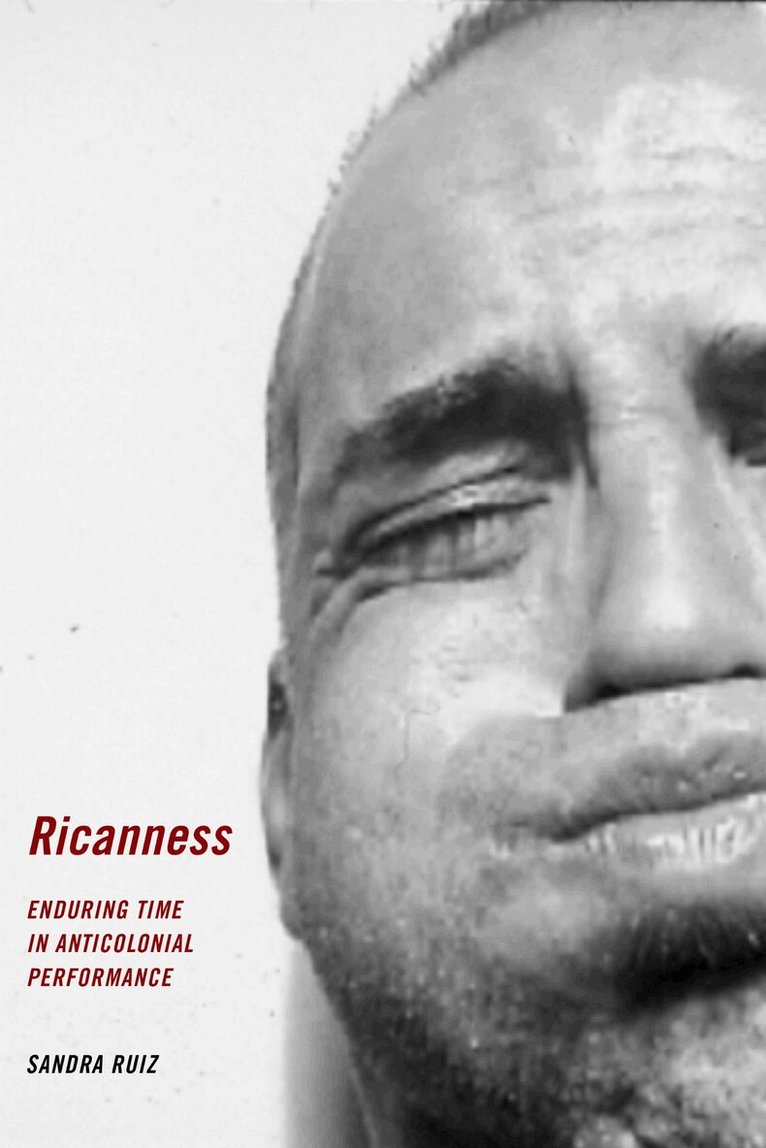
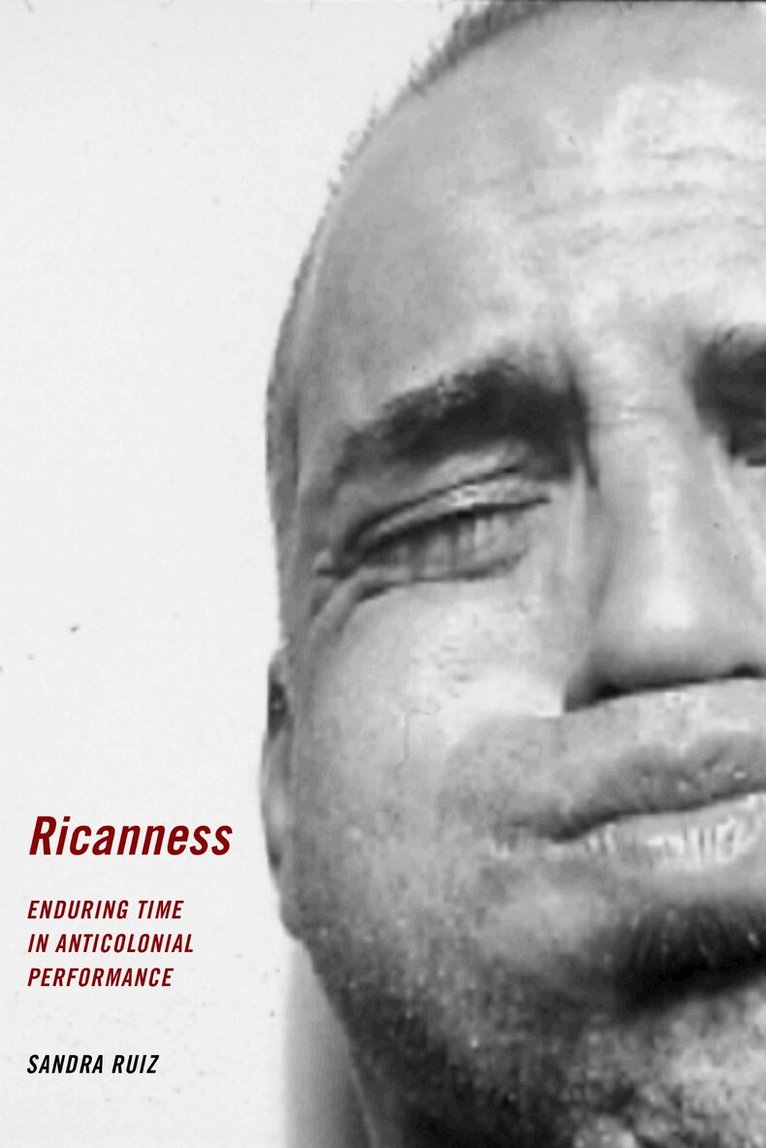
Honorable Mention, 2020 Barnard Hewitt Award for Outstanding Research in Theatre History, given by the American Society for Theatre ResearchArgues that Ricanness operates as a continual performance of bodily endurance against US colonialismIn 1954, Dolores "Lolita" Lebrón and other members of the Puerto Rican Nationalist Party led a revolutionary action on the chambers of Congress, firing several shots at the ceiling and calling for the independence of the island. Ricanness: Enduring Time in Anticolonial Performance begins with Lebrón's vanguard act, distilling the relationship between Puerto Rican subjectivity, gender, sexuality, and revolutionary performance under colonial time.Ruiz argues that Ricanness—a continual performance of bodily endurance against US colonialism through different measures of time—uncovers what's at stake politically for the often unwanted, anticolonial, racialized and sexualized enduring body. Moving among theatre, experimental video, revolutionary protest, photography, poetry, and durational performance art, Ricanness stages scenes in which the philosophical, social, and psychic come together at the site of aesthetics, against the colonization of time. Analyzing the work of artists and revolutionaries like ADÁL, Lebrón, Papo Colo, Pedro Pietri, and Ryan Rivera, Ricanness imagines a Rican future through the time travel extended in their aesthetic interventions, illustrating how they have reformulated time itself through nonlinear aesthetic practices.
1 097 kr
Skickas inom 10-15 vardagar
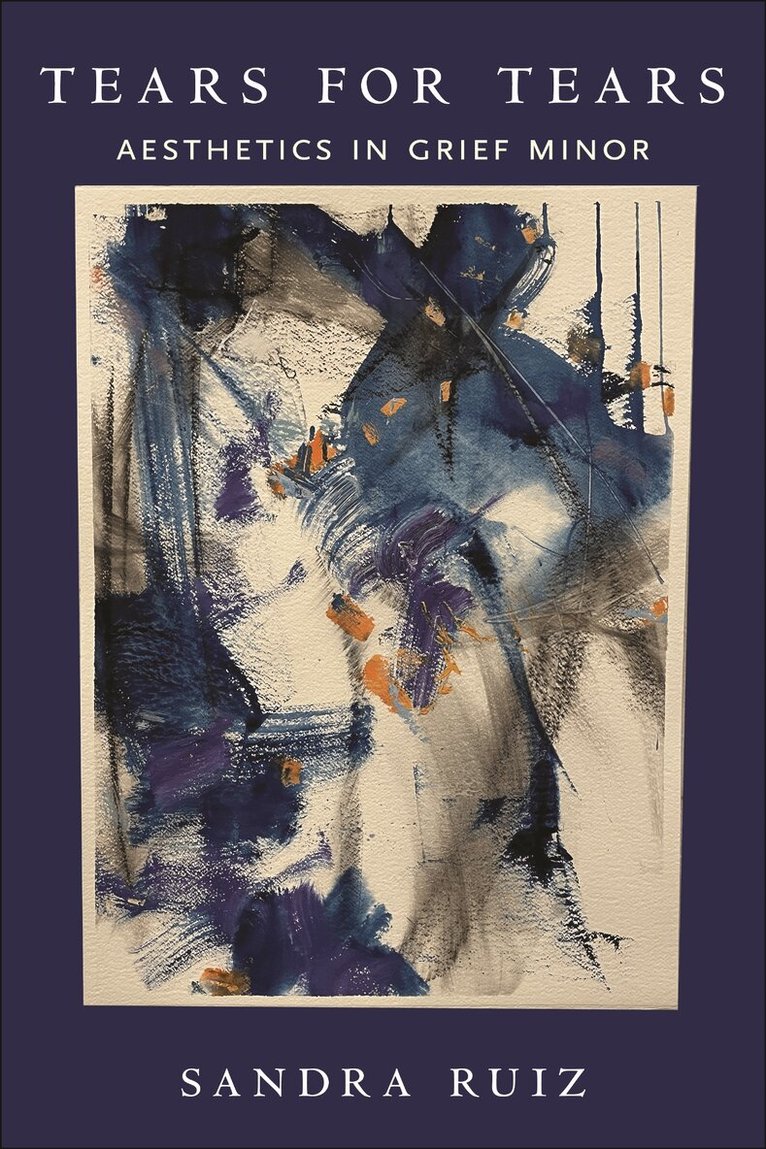
How minoritarian artists grapple with both personal and collective griefTears for Tears documents moments of tension, negotiation, transformation, and incommensurability between singular loss and mass death through the work of contemporary minoritarian artists. These artists interrogate the cultural, social, and political enmeshment of death by questioning the interior and exterior conditions of loss Charting communal, singular, ongoing, and impending loss due to state-sanctioned violence, colonial racial capitalism, natural disaster, and social and personal circumstances, Sandra Ruiz underscores the affective entanglements across death that reshape the topography of grief into portals of possibility.Drawing from original interviews, familial artifacts, images, and personal archival notes of artists—much of which have never been written about before—the project centers the minoritarian artist as living with and against death in everyday life and art practice. In doing so, the manuscript stages an archival and ideological intervention into the life of grief for minoritarian subjects and artists.Moving across performance and video art, sculpture, dance, music, theatre, and poetry, Ruiz highlights the relationship between everyday life and staged events as a critical lens to rethink structures of colonial and imperial spatial temporalities of grief. Offering invaluable insights into the production of these works and performances, Ruiz reveals how these artists move across social, corporeal, and psychic constructions of sorrow in their art practices—often working from parental loss into the domain of communal death—and see grieving, however painful, as an act of empowerment, transformation, growth, and communal building.
355 kr
Skickas
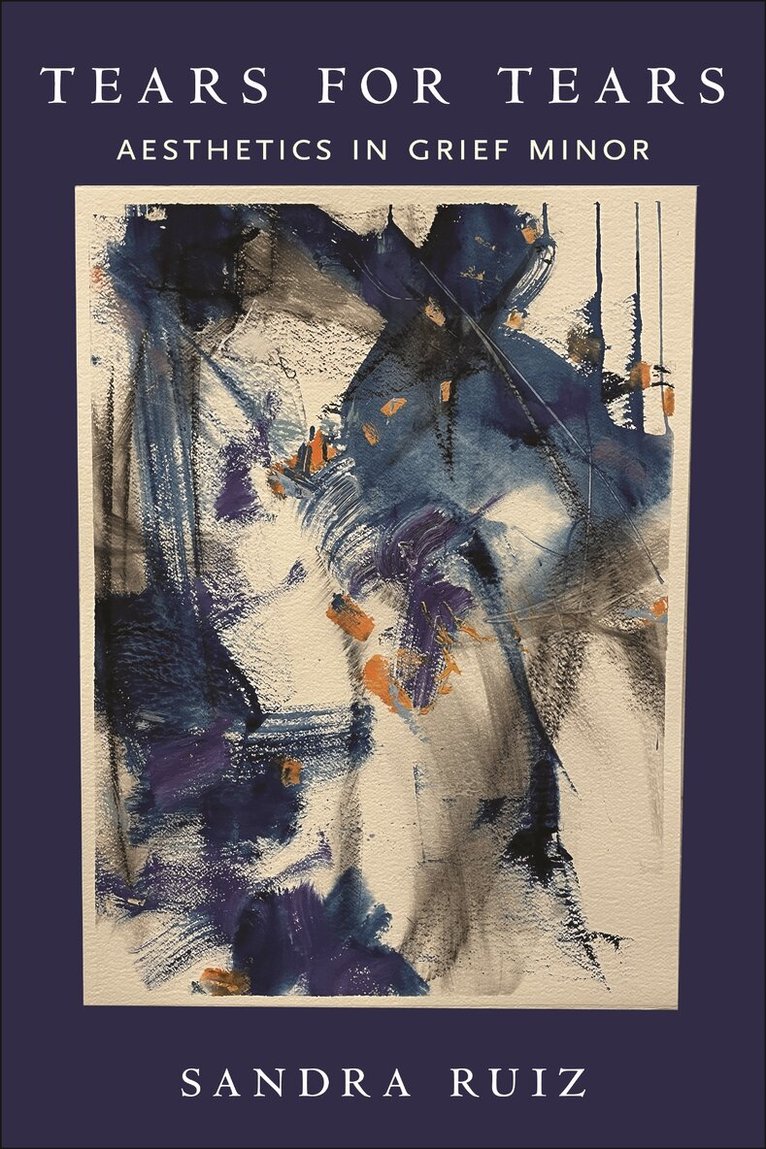
How minoritarian artists grapple with both personal and collective griefTears for Tears documents moments of tension, negotiation, transformation, and incommensurability between singular loss and mass death through the work of contemporary minoritarian artists. These artists interrogate the cultural, social, and political enmeshment of death by questioning the interior and exterior conditions of loss Charting communal, singular, ongoing, and impending loss due to state-sanctioned violence, colonial racial capitalism, natural disaster, and social and personal circumstances, Sandra Ruiz underscores the affective entanglements across death that reshape the topography of grief into portals of possibility.Drawing from original interviews, familial artifacts, images, and personal archival notes of artists—much of which have never been written about before—the project centers the minoritarian artist as living with and against death in everyday life and art practice. In doing so, the manuscript stages an archival and ideological intervention into the life of grief for minoritarian subjects and artists.Moving across performance and video art, sculpture, dance, music, theatre, and poetry, Ruiz highlights the relationship between everyday life and staged events as a critical lens to rethink structures of colonial and imperial spatial temporalities of grief. Offering invaluable insights into the production of these works and performances, Ruiz reveals how these artists move across social, corporeal, and psychic constructions of sorrow in their art practices—often working from parental loss into the domain of communal death—and see grieving, however painful, as an act of empowerment, transformation, growth, and communal building.
1 092 kr
Skickas inom 10-15 vardagar
Honorable Mention, 2020 Barnard Hewitt Award for Outstanding Research in Theatre History, given by the American Society for Theatre ResearchArgues that Ricanness operates as a continual performance of bodily endurance against US colonialismIn 1954, Dolores "Lolita" Lebrón and other members of the Puerto Rican Nationalist Party led a revolutionary action on the chambers of Congress, firing several shots at the ceiling and calling for the independence of the island. Ricanness: Enduring Time in Anticolonial Performance begins with Lebrón's vanguard act, distilling the relationship between Puerto Rican subjectivity, gender, sexuality, and revolutionary performance under colonial time.Ruiz argues that Ricanness—a continual performance of bodily endurance against US colonialism through different measures of time—uncovers what's at stake politically for the often unwanted, anticolonial, racialized and sexualized enduring body. Moving among theatre, experimental video, revolutionary protest, photography, poetry, and durational performance art, Ricanness stages scenes in which the philosophical, social, and psychic come together at the site of aesthetics, against the colonization of time. Analyzing the work of artists and revolutionaries like ADÁL, Lebrón, Papo Colo, Pedro Pietri, and Ryan Rivera, Ricanness imagines a Rican future through the time travel extended in their aesthetic interventions, illustrating how they have reformulated time itself through nonlinear aesthetic practices.
188 kr
Skickas