Sangjoon Lee - Böcker
Visar alla böcker från författaren Sangjoon Lee. Handla med fri frakt och snabb leverans.
11 produkter
11 produkter
420 kr
Skickas inom 7-10 vardagar
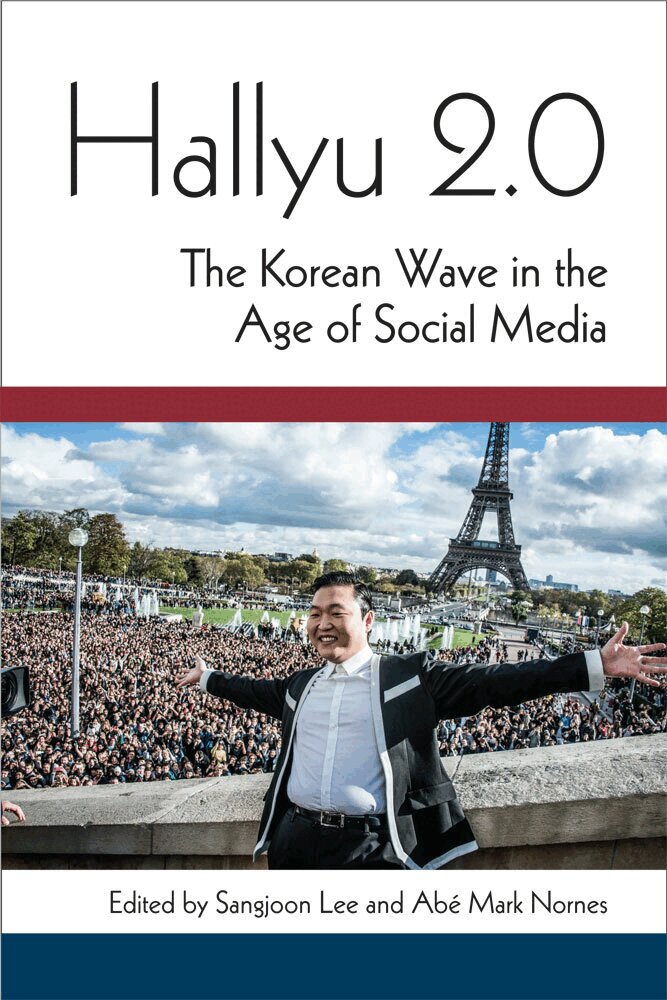
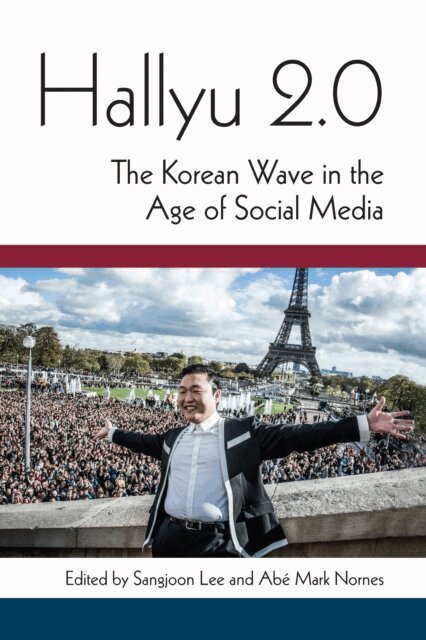
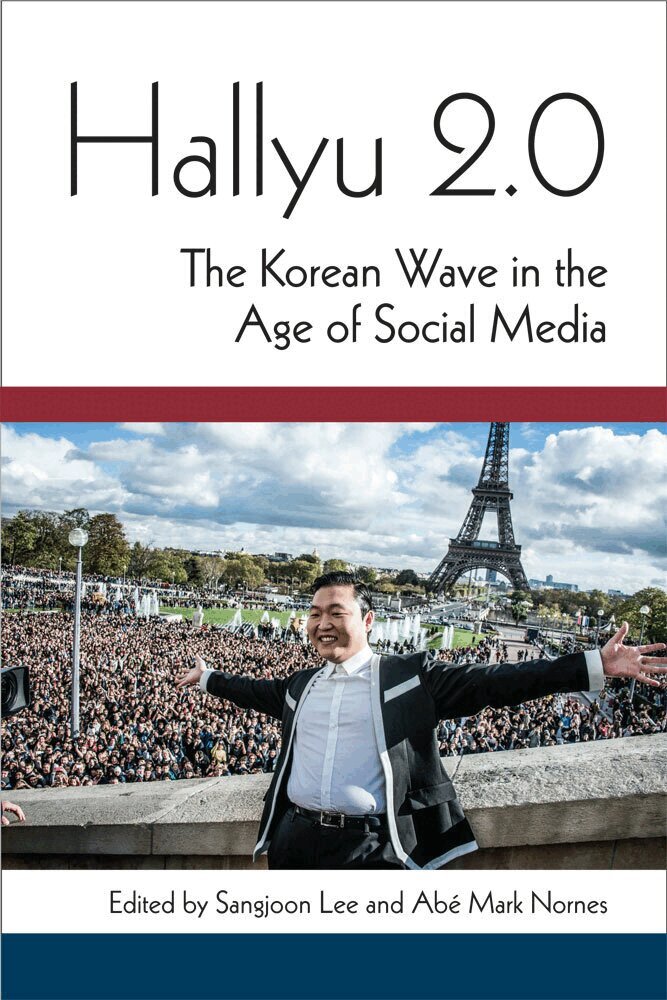
Collectively known as Hallyu, Korean music, television programs, films, online games, and comics enjoy global popularity, thanks to new communication technologies. In recent years, Korean popular culture has also become the subject of academic inquiry. Whereas the Hallyu’s impact on Korea’s national image and domestic economy, as well as on transnational cultural flows, have received much scholarly attention, there has been little discussion of the role of social media in Hallyu’s propagation.Contributors to Hallyu 2.0: The Korean Wave in the Age of Social Media explore the ways in which Korean popular cultural products are shared by audiences around the globe; how they generate new fans, markets, and consumers through social media networks; and how scholars can analyze, interpret, and envision the future of this unprecedented cultural phenomenon.
550 kr
Skickas inom 7-10 vardagar
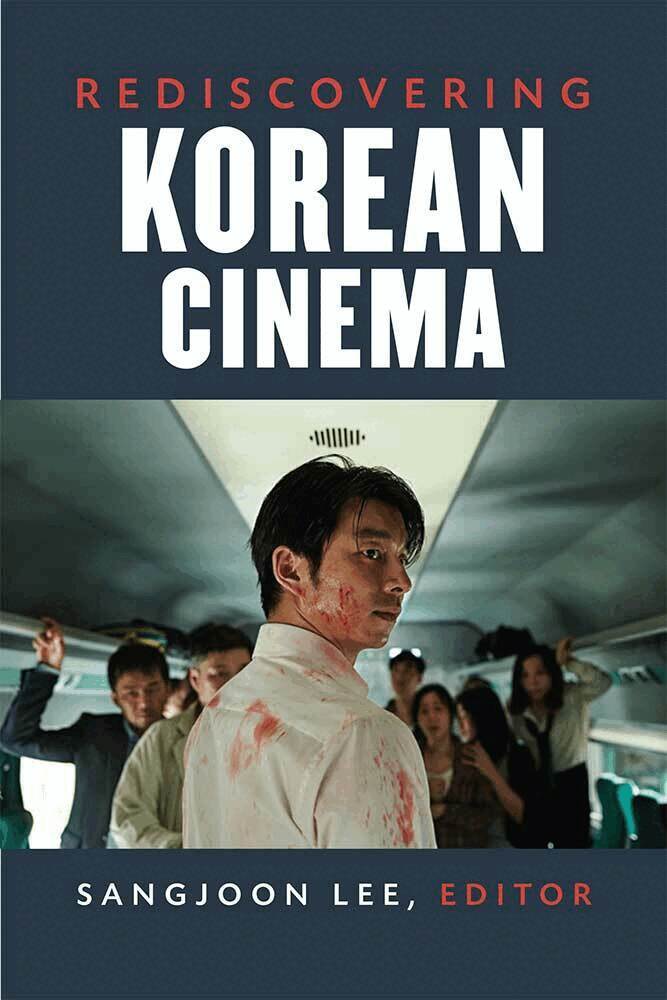
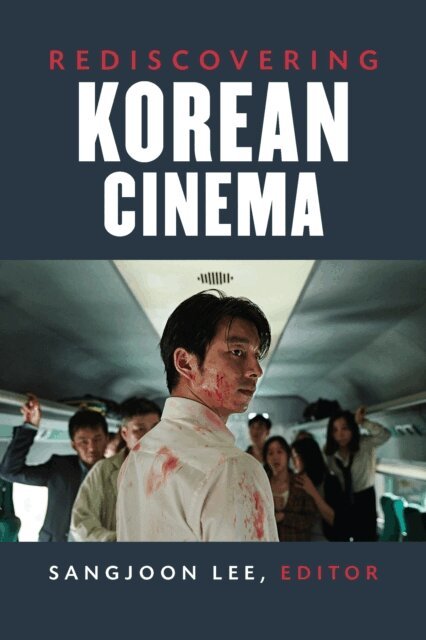
South Korean cinema is a striking example of non-Western contemporary cinematic success. Thanks to the increasing numbers of moviegoers and domestic films produced, South Korea has become one of the world’s major film markets. In 2001, the South Korean film industry became the first in recent history to reclaim its domestic market from Hollywood and continues to maintain around a 50 percent market share today. High-quality South Korean films are increasingly entering global film markets and connecting with international audiences in commercial cinemas and art theatres, and at major international film festivals. Despite this growing recognition of the films themselves, Korean cinema’s rich heritage has not heretofore received significant scholarly attention in English-language publications.This groundbreaking collection of thirty-five essays by a wide range of academic specialists situates current scholarship on Korean cinema within the ongoing theoretical debates in contemporary global film studies. Chapters explore key films of Korean cinema, from Sweet Dream, Madame Freedom, The Housemaid, and The March of Fools to Oldboy, The Host, and Train to Busan, as well as major directors such as Shin Sang-ok, Kim Ki-young, Im Kwon-taek, Bong Joon-ho, Hong Sang-soo, Park Chan-wook, and Lee Chang-dong. While the chapters provide in-depth analyses of particular films, together they cohere into a detailed and multidimensional presentation of Korean cinema’s cumulative history and broader significance.With its historical and critical scope, abundance of new research, and detailed discussion of important individual films, Rediscovering Korean Cinema is at once an accessible classroom text and a deeply informative compendium for scholars of Korean and East Asian studies, cinema and media studies, and communications. It will also be an essential resource for film industry professionals and anyone interested in international cinema.
491 kr
Skickas inom 7-10 vardagar
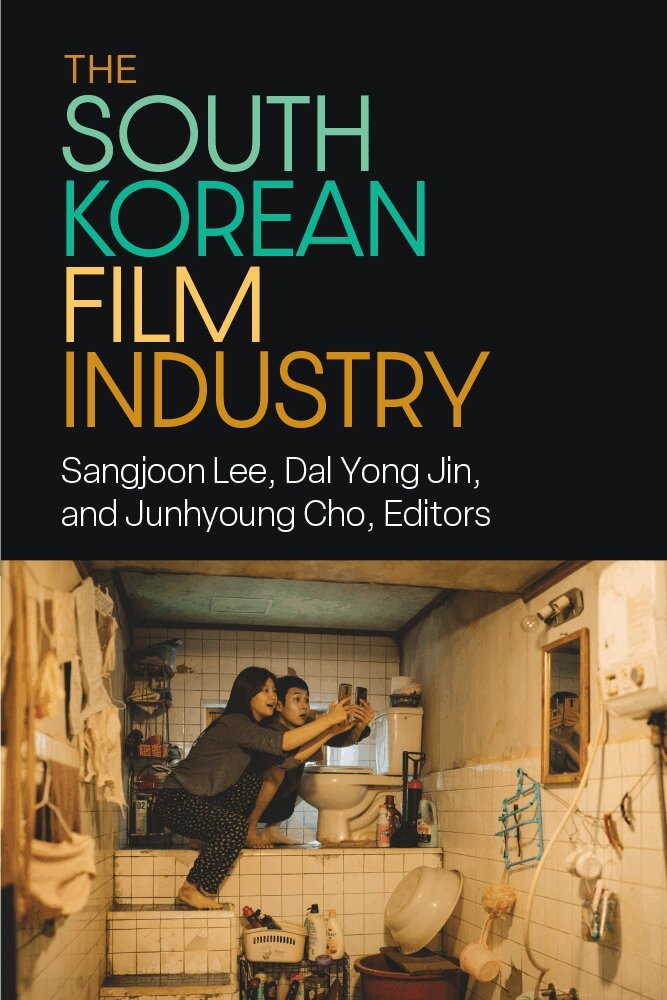
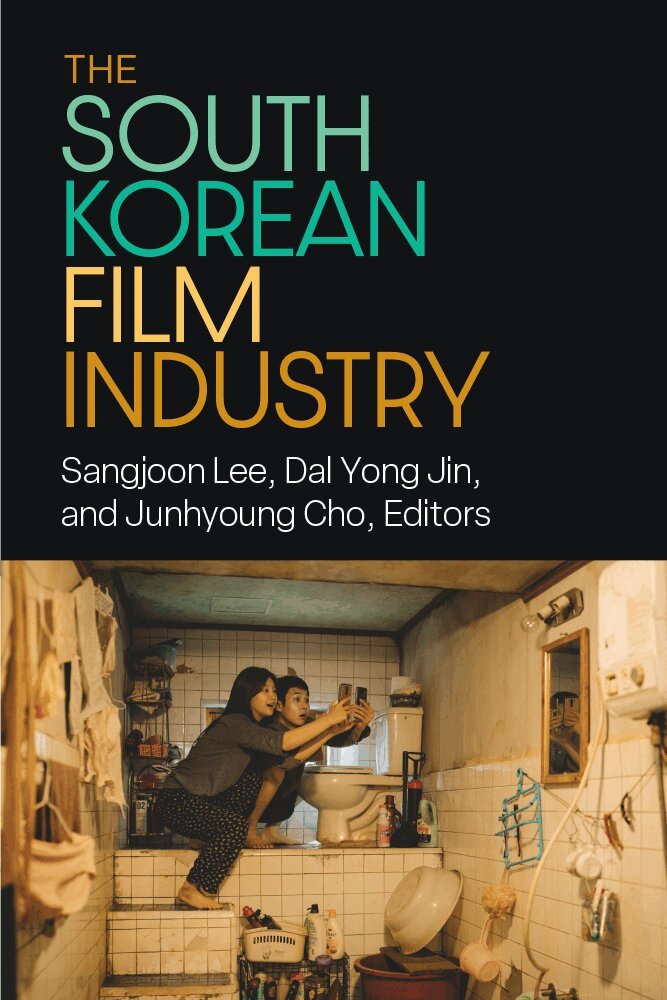
As shown by the success of Squid Game and Parasite, South Korea’s film industry is producing films and original series for streaming services, film studios, and television stations worldwide. South Korea is now arguably considered one of the few countries outside the United States to have captivated the world’s hearts and minds through pop music, TV dramas, and film. Similarly, the exponential growth in the South Korean film industry has been mirrored by a growing body of industry and film policy forums and academic conferences in both the East and the West. The South Korean Film Industry is the first detailed scholarly overview of the South Korean film industry. The thirteen chapters discuss topics from short films to popular television series that have engaged global audiences. Contributors explore the major changes in South Korean film making, marketing, and in the international growth and popularity of South Korean films. By bringing together a wide range of academic specialists, The South Korean Film Industry situates the current scholarship on South Korean cinema within the ongoing theoretical debates in contemporary global film studies. This volume will be widely read in undergraduate and graduate classes related to Korean and East Asian studies, cinema and media studies, cultural studies, and communication studies. Moreover, many institutions offer dedicated modules on South Korean cinema, media, and popular culture, for which The South Korean Film Industry will be ideal.
1 131 kr
Skickas inom 7-10 vardagar
Collectively known as Hallyu, Korean music, television programs, films, online games, and comics enjoy global popularity, thanks to new communication technologies. In recent years, Korean popular culture has also become the subject of academic inquiry. Whereas the Hallyu’s impact on Korea’s national image and domestic economy, as well as on transnational cultural flows, have received much scholarly attention, there has been little discussion of the role of social media in Hallyu’s propagation.Contributors to Hallyu 2.0: The Korean Wave in the Age of Social Media explore the ways in which Korean popular cultural products are shared by audiences around the globe; how they generate new fans, markets, and consumers through social media networks; and how scholars can analyze, interpret, and envision the future of this unprecedented cultural phenomenon.
1 366 kr
Skickas inom 7-10 vardagar
South Korean cinema is a striking example of non-Western contemporary cinematic success. Thanks to the increasing numbers of moviegoers and domestic films produced, South Korea has become one of the world’s major film markets. In 2001, the South Korean film industry became the first in recent history to reclaim its domestic market from Hollywood and continues to maintain around a 50 percent market share today. High-quality South Korean films are increasingly entering global film markets and connecting with international audiences in commercial cinemas and art theatres, and at major international film festivals. Despite this growing recognition of the films themselves, Korean cinema’s rich heritage has not heretofore received significant scholarly attention in English-language publications.This groundbreaking collection of thirty-five essays by a wide range of academic specialists situates current scholarship on Korean cinema within the ongoing theoretical debates in contemporary global film studies. Chapters explore key films of Korean cinema, from Sweet Dream, Madame Freedom, The Housemaid, and The March of Fools to Oldboy, The Host, and Train to Busan, as well as major directors such as Shin Sang-ok, Kim Ki-young, Im Kwon-taek, Bong Joon-ho, Hong Sang-soo, Park Chan-wook, and Lee Chang-dong. While the chapters provide in-depth analyses of particular films, together they cohere into a detailed and multidimensional presentation of Korean cinema’s cumulative history and broader significance.With its historical and critical scope, abundance of new research, and detailed discussion of important individual films, Rediscovering Korean Cinema is at once an accessible classroom text and a deeply informative compendium for scholars of Korean and East Asian studies, cinema and media studies, and communications. It will also be an essential resource for film industry professionals and anyone interested in international cinema.
1 165 kr
Skickas inom 7-10 vardagar
As shown by the success of Squid Game and Parasite, South Korea’s film industry is producing films and original series for streaming services, film studios, and television stations worldwide. South Korea is now arguably considered one of the few countries outside the United States to have captivated the world’s hearts and minds through pop music, TV dramas, and film. Similarly, the exponential growth in the South Korean film industry has been mirrored by a growing body of industry and film policy forums and academic conferences in both the East and the West. The South Korean Film Industry is the first detailed scholarly overview of the South Korean film industry. The thirteen chapters discuss topics from short films to popular television series that have engaged global audiences. Contributors explore the major changes in South Korean film making, marketing, and in the international growth and popularity of South Korean films. By bringing together a wide range of academic specialists, The South Korean Film Industry situates the current scholarship on South Korean cinema within the ongoing theoretical debates in contemporary global film studies. This volume will be widely read in undergraduate and graduate classes related to Korean and East Asian studies, cinema and media studies, cultural studies, and communication studies. Moreover, many institutions offer dedicated modules on South Korean cinema, media, and popular culture, for which The South Korean Film Industry will be ideal.
3 309 kr
Skickas inom 10-15 vardagar
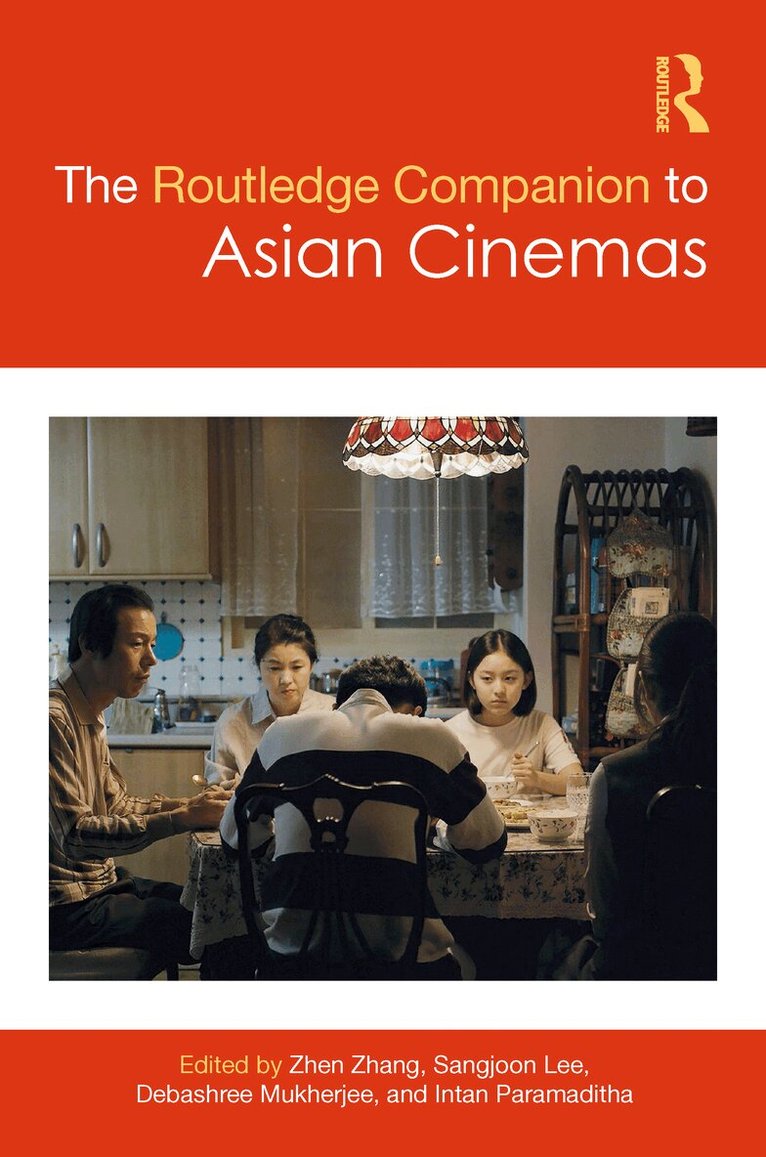
Balancing leading scholars with emerging trendsetters, this Companion offers fresh perspectives on Asian cinemas and charts new constellations in the field with significance far beyond Asian cinema studies.Asian cinema studies – at the intersection of film/media studies and area studies – has rapidly transformed under the impact of globalization, compounded by the resurgence of a variety of nationalist discourses as well as counter-discourses, new socio-political movements, and the possibilities afforded by digital media. Differentiated experiences of climate change and the COVID-19 pandemic have further heightened interest in the digital everyday and the renewed geopolitical divide between East and West, and between North and South. Thematized into six sections, the 46 chapters in this anthology address established paradigms of scholarship and viewership in Asian cinemas like extreme genres, cinephilia, festivals, and national cinema, while also highlighting political and archival concerns that firmly situate Asian cinemas within local and translocal milieus. Underrepresented cinemas of North Korea, Bangladesh, Laos, Indonesia, Malaysia, Taiwan, Thailand, and Cambodia, appear here amidst a broader cross-regional, comparative approach.An ideal resource for film, media, cultural and Asian studies researchers, students, and scholars, as well as informed readers with an interest in Asian cinemas.
635 kr
Skickas inom 10-15 vardagar
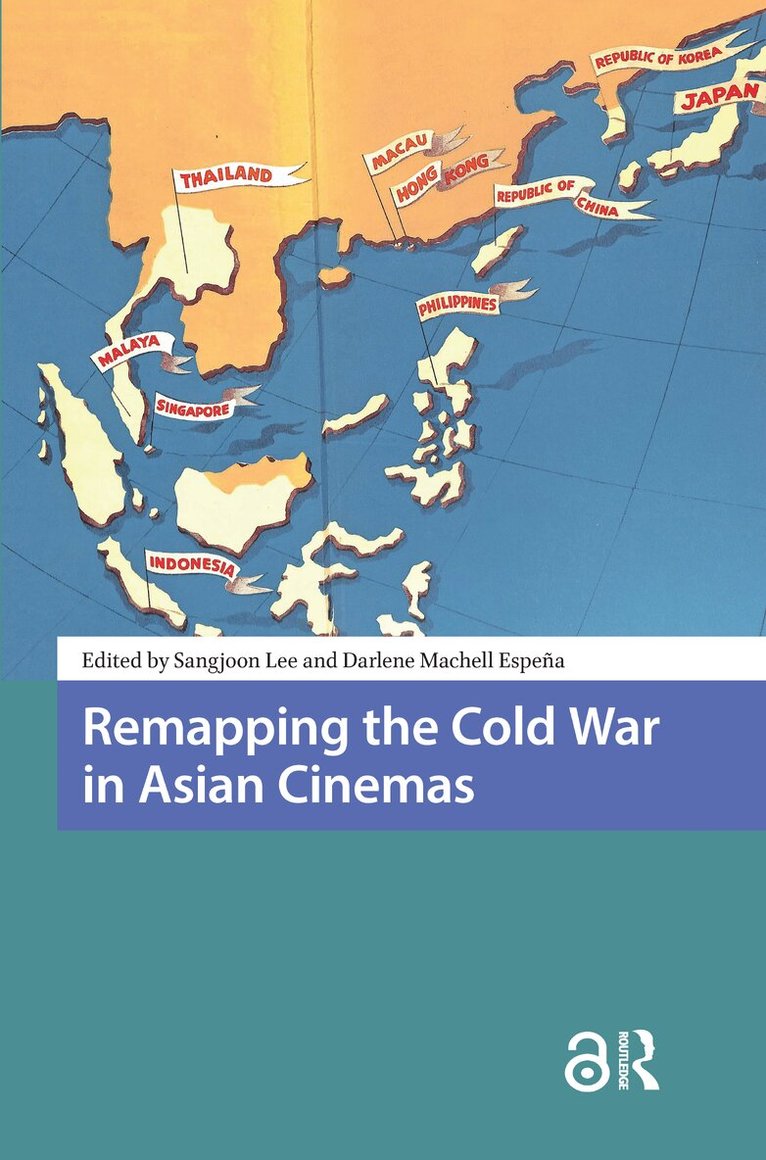
This book is about cinema and the cultural Cold War in Asia, set against the larger history of the cultural, political, and institutional linkages between the US, Europe, and Asia at the height of the Cold War. From the popularity of CIA-sponsored espionage films in Hong Kong and South Korea to the enduring Cold War rhetoric of brotherly relations in contemporary Sino-Indian co-production, cinema has always been a focal point of the cultural Cold War in Asia. Historically, both the United States and the Soviet Union viewed cinema as a powerful weapon in the battle to win hearts and minds—not just in Europe, but also in Asia. The Cold War in Asia was, properly speaking, a hot war, with proxy military confrontations between the United States, on one side, and the Soviet Union and China on the other. Amid this political and military turbulence, cataclysmic shifts occurred in the culture and history of Asian cinemas as well as in the latitude of US cultural diplomacy in Asia. The collection of essays in this volume sheds light on the often-forgotten history of the cultural Cold War in Asia. Taken together, the volume’s fifteen chapters examine film cultures and industries in Asia to showcase the magnitude and depth of the Cold War’s impact on Asian cinemas, societies, and politics. By shifting the lens to Asia, the contributors to this volume re-examine the dominant narratives about the global Cold War and highlight the complex and unique ways in which Asian societies negotiated, contested, and adapted to the politics and cultural manifestations of the Cold War.
Cinema and the Cultural Cold War
US Diplomacy and the Origins of the Asian Cinema Network
Inbunden, Engelska, 2020
1 574 kr
Skickas inom 10-15 vardagar
Cinema and the Cultural Cold War explores the ways in which postwar Asian cinema was shaped by transnational collaborations and competitions between newly independent and colonial states at the height of Cold War politics. Sangjoon Lee adopts a simultaneously global and regional approach when analyzing the region's film cultures and industries. New economic conditions in the Asian region and shared postwar experiences among the early cinema entrepreneurs were influenced by Cold War politics, US cultural diplomacy, and intensified cultural flows during the 1950s and 1960s. By taking a closer look at the cultural realities of this tumultuous period, Lee comprehensively reconstructs Asian film history in light of the international relationships forged, broken, and re-established as the influence of the non-aligned movement grew across the Cold War.Lee elucidates how motion picture executives, creative personnel, policy makers, and intellectuals in East and Southeast Asia aspired to industrialize their Hollywood-inspired system in order to expand the market and raise the competitiveness of their cultural products. They did this by forming the Federation of Motion Picture Producers in Asia, co-hosting the Asian Film Festival, and co-producing films. Cinema and the Cultural Cold War demonstrates that the emergence of the first intensive postwar film producers' network in Asia was, in large part, the offspring of Cold War cultural politics and the product of American hegemony.Film festivals that took place in cities as diverse as Tokyo, Singapore, Hong Kong, and Kuala Lumpur were annual showcases of cinematic talent as well as opportunities for the Central Intelligence Agency to establish and maintain cultural, political, and institutional linkages between the United States and Asia during the Cold War. Cinema and the Cultural Cold War reanimates this almost-forgotten history of cinema and the film industry in Asia.
Cinema and the Cultural Cold War
US Diplomacy and the Origins of the Asian Cinema Network
Häftad, Engelska, 2020
339 kr
Skickas inom 10-15 vardagar
Cinema and the Cultural Cold War explores the ways in which postwar Asian cinema was shaped by transnational collaborations and competitions between newly independent and colonial states at the height of Cold War politics. Sangjoon Lee adopts a simultaneously global and regional approach when analyzing the region's film cultures and industries. New economic conditions in the Asian region and shared postwar experiences among the early cinema entrepreneurs were influenced by Cold War politics, US cultural diplomacy, and intensified cultural flows during the 1950s and 1960s. By taking a closer look at the cultural realities of this tumultuous period, Lee comprehensively reconstructs Asian film history in light of the international relationships forged, broken, and re-established as the influence of the non-aligned movement grew across the Cold War.Lee elucidates how motion picture executives, creative personnel, policy makers, and intellectuals in East and Southeast Asia aspired to industrialize their Hollywood-inspired system in order to expand the market and raise the competitiveness of their cultural products. They did this by forming the Federation of Motion Picture Producers in Asia, co-hosting the Asian Film Festival, and co-producing films. Cinema and the Cultural Cold War demonstrates that the emergence of the first intensive postwar film producers' network in Asia was, in large part, the offspring of Cold War cultural politics and the product of American hegemony.Film festivals that took place in cities as diverse as Tokyo, Singapore, Hong Kong, and Kuala Lumpur were annual showcases of cinematic talent as well as opportunities for the Central Intelligence Agency to establish and maintain cultural, political, and institutional linkages between the United States and Asia during the Cold War. Cinema and the Cultural Cold War reanimates this almost-forgotten history of cinema and the film industry in Asia.
1 957 kr
Skickas inom 10-15 vardagar
This book is about cinema and the cultural Cold War in Asia, set against the larger history of the cultural, political, and institutional linkages between the US, Europe, and Asia at the height of the Cold War. From the popularity of CIA-sponsored espionage films in Hong Kong and South Korea to the enduring Cold War rhetoric of brotherly relations in contemporary Sino-Indian co-production, cinema has always been a focal point of the cultural Cold War in Asia. Historically, both the United States and the Soviet Union viewed cinema as a powerful weapon in the battle to win hearts and minds—not just in Europe, but also in Asia. The Cold War in Asia was, properly speaking, a hot war, with proxy military confrontations between the United States, on one side, and the Soviet Union and China on the other. Amid this political and military turbulence, cataclysmic shifts occurred in the culture and history of Asian cinemas as well as in the latitude of US cultural diplomacy in Asia. The collection of essays in this volume sheds light on the often-forgotten history of the cultural Cold War in Asia. Taken together, the volume’s fifteen chapters examine film cultures and industries in Asia to showcase the magnitude and depth of the Cold War’s impact on Asian cinemas, societies, and politics. By shifting the lens to Asia, the contributors to this volume re-examine the dominant narratives about the global Cold War and highlight the complex and unique ways in which Asian societies negotiated, contested, and adapted to the politics and cultural manifestations of the Cold War.