Sankar Sen – författare
Visar alla böcker från författaren Sankar Sen. Handla med fri frakt och snabb leverans.
8 produkter
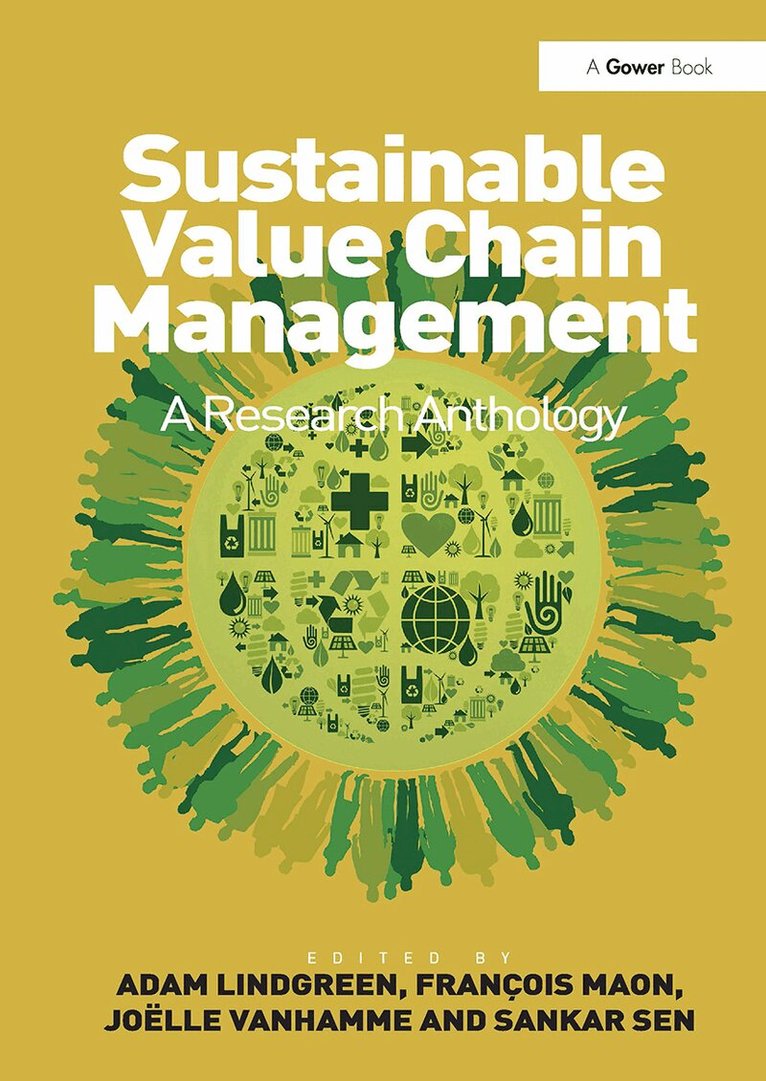
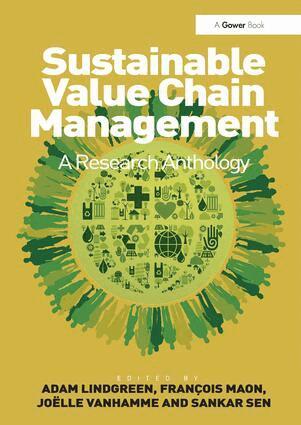
Sustainable Value Chain Management
A Research Anthology
Av François Maon, Sankar Sen m. fl.
Häftad, 2024
590 kr
Lägg i varukorg
The way organizations manage their value chain has changed dramatically over the past decade. Today, organizations take account of economic issues, but they also adopt a broader perspective of their purpose including social and environmental issues. Yet despite its global spread, sustainable value …
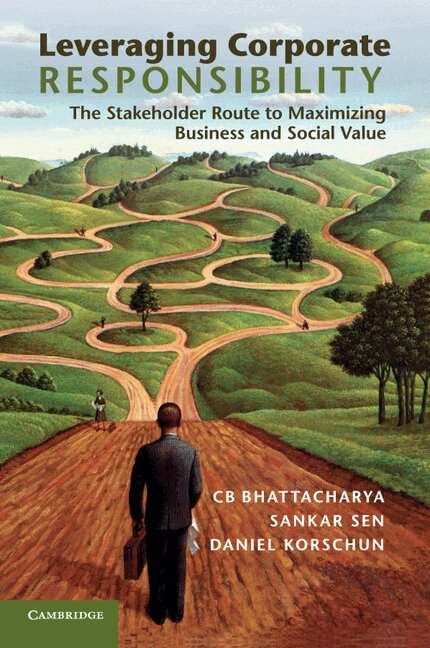
Leveraging Corporate Responsibility
The Stakeholder Route to Maximizing Business and Social Value
Av C. B. Bhattacharya, Sankar Sen m. fl.
Häftad, 2011
653 kr
Lägg i varukorg
The corporate social and environmental responsibility movement, known more generally as corporate responsibility (CR), shows little sign of waning. Almost all large corporations now run some form of corporate responsibility program. Despite this widespread belief that CR can simultaneously improve …
Sustainable Value Chain Management
A Research Anthology
Av Sankar Sen, Francois Maon m. fl.
E-bok, 2016
681 kr
Lägg i varukorg
The way organizations manage their value chain has changed dramatically over the past decade. Today, organizations take account of economic issues, but they also adopt a broader perspective of their purpose including social and environmental issues. Yet despite its global spread, sustainable value …
Sustainable Value Chain Management
A Research Anthology
Av Sankar Sen, Francois Maon m. fl.
E-bok, 2016
696 kr
Lägg i varukorg
The way organizations manage their value chain has changed dramatically over the past decade. Today, organizations take account of economic issues, but they also adopt a broader perspective of their purpose including social and environmental issues. Yet despite its global spread, sustainable value …
Sustainable Value Chain Management
A Research Anthology
Av François Maon, Sankar Sen m. fl.
Inbunden, 2013
3147 kr
Lägg i varukorg
The way organizations manage their value chain has changed dramatically over the past decade. Today, organizations take account of economic issues, but they also adopt a broader perspective of their purpose including social and environmental issues. Yet despite its global spread, sustainable value …
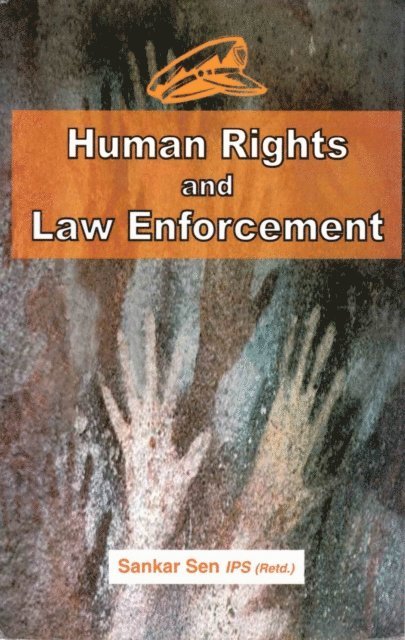
Human Rights and Law Enforcement
Av Sankar Sen
E-bok, 2002
321 kr
Lägg i varukorg
The essays in this book examine critically the various issues concerning law enforcement and human rights. The author has drawn on his rich and varied experience of working for nearly four decades as a law enforcement officer in different capacities and as the Director General of the National Human …
Reflections and Reminiscences of Police Officers
Av Sankar Sen
E-bok, 2010
4484 kr
Lägg i varukorg
Bacteriology, the branch of biology devoted to the study of bacteria- Bacteriologists are concerned with the structure and functions of bacteria, with the environmental conditions that affect bacterial growth, with the effects of bacteria on the other organisms, and with the uses for bacteria. …
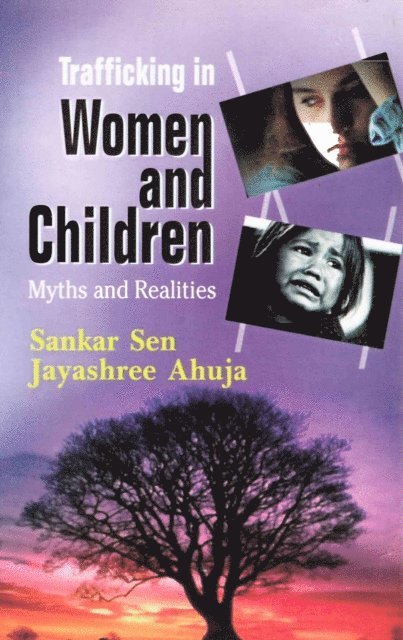
Trafficking in Women and Children Myths and Realities
Av Jayashree Ahuja, Sankar Sen
E-bok, 2021
7187 kr
Lägg i varukorg
Biochemistry governs all living organisms and living processes. By controlling information flow through biochemical signalling and the flow of chemical energy through metabolism, biochemical processes give rise to the incredible complexity of life. As our understanding of how various agents can …