Sara Read – författare
Visar alla böcker från författaren Sara Read. Handla med fri frakt och snabb leverans.
8 produkter
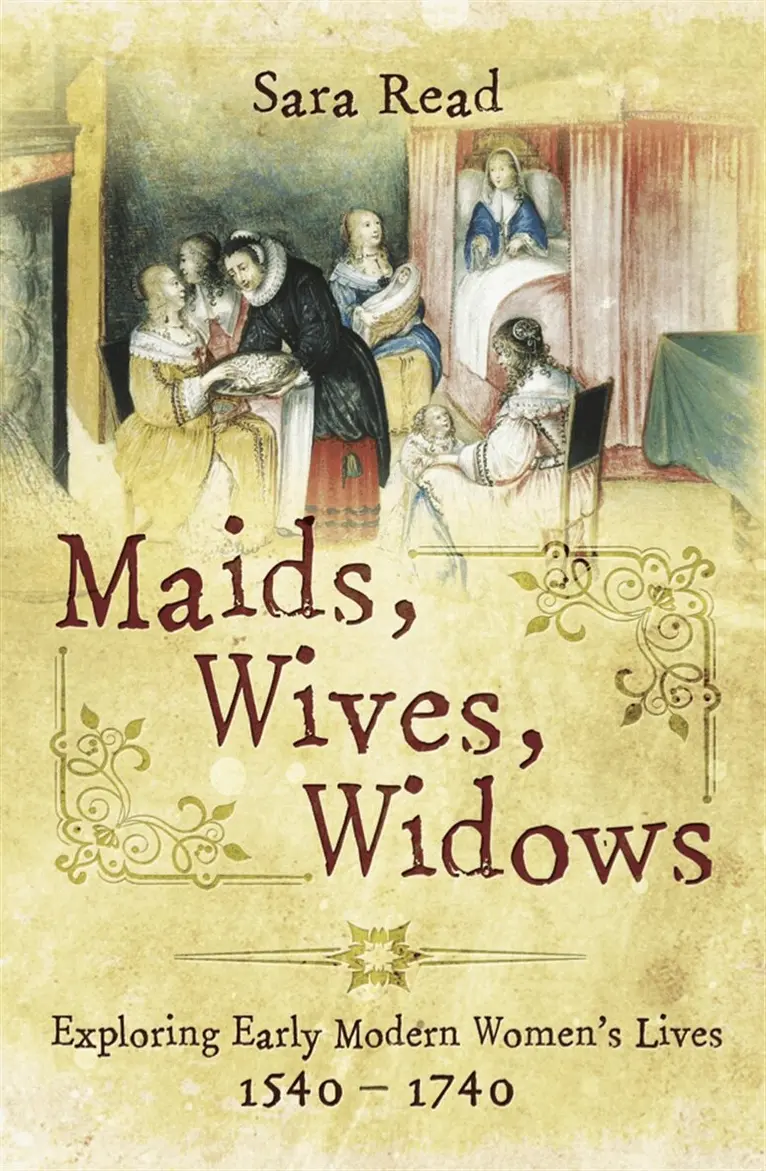
Maids, Wives, Widows
Exploring Early Modern Women''s Lives, 1540–1740
Av Sara Read
E-bok, 2021
126 kr
Lägg i varukorg
Maids, Wives, Widows is a lively exploration of the everyday lives of women in early modern England, from 1540-1740. The book uncovers details of how women filled their days, what they liked to eat and drink, what jobs they held, and how they raised their children. With chapters devoted to beauty …
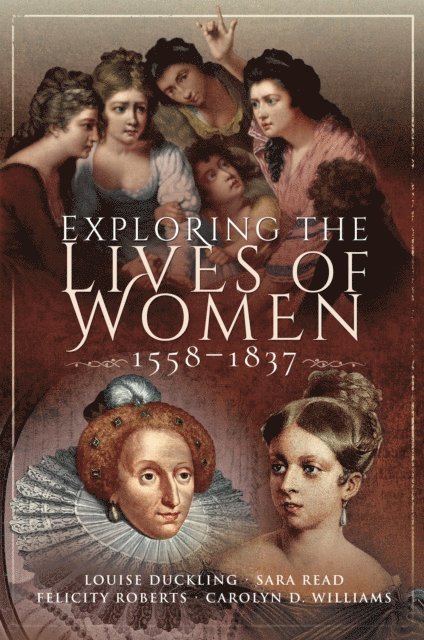
Exploring the Lives of Women, 1558-1837
Av Carolyn D. Williams, Felicity Roberts m. fl.
E-bok, 2018
15 kr
Lägg i varukorg
Exploring the Lives of Women, 1558-1837'' is an engaging and lively collection of original, thought-provoking essays. Its route from Lady Jane Greys nine-day reign to Queen Victorias accession provides ample opportunities to examine complex interactions between gender, rank, and power. Yet the …
Exploring the Lives of Women, 1558-1837
Av Carolyn D. Williams, Felicity Roberts m. fl.
E-bok, 2018
15 kr
Lägg i varukorg
Exploring the Lives of Women, 1558-1837'' is an engaging and lively collection of original, thought-provoking essays. Its route from Lady Jane Greys nine-day reign to Queen Victorias accession provides ample opportunities to examine complex interactions between gender, rank, and power. Yet the …
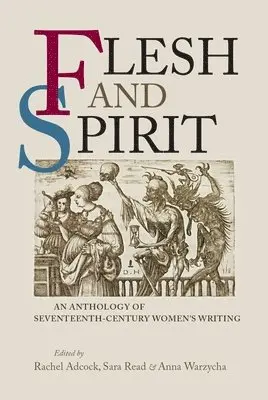
Flesh and Spirit
An Anthology of Seventeenth-Century Women's Writing
Av Rachel Adcock, Sara Read m. fl.
Inbunden, 2014
1291 kr
Tillfälligt slut
This anthology makes accessible to readers ten little-known and under-studied works by seventeenth-century women (edited from manuscript and print) that explore the relationship between spiritual and physical health in the period. Providing a detailed and engaging introduction to the issues …