Sarah Anne Carter – författare
Visar alla böcker från författaren Sarah Anne Carter. Handla med fri frakt och snabb leverans.
16 produkter
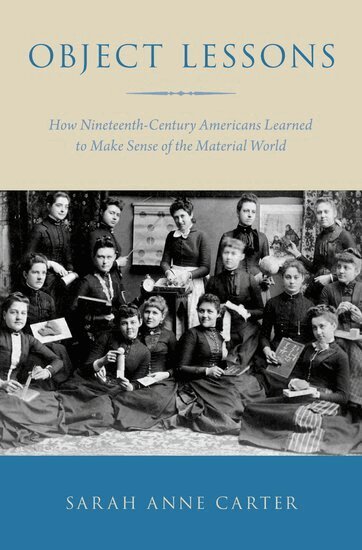
Object Lessons
How Nineteenth-Century Americans Learned to Make Sense of the Material World
Inbunden, 2018
827 kr
Lägg i varukorg
Object Lessons: How Nineteenth-Century Americans Learned to Make Sense of the Material World examines the ways material things--objects and pictures--were used to reason about issues of morality, race, citizenship, and capitalism, as well as reality and representation, in the nineteenth-century …
Object Lessons
How Nineteenth-Century Americans Learned to Make Sense of the Material World
E-bok, 2018
510 kr
Lägg i varukorg
Object Lessons: How Nineteenth-Century Americans Learned to Make Sense of the Material World examines the ways material things--objects and pictures--were used to reason about issues of morality, race, citizenship, and capitalism, as well as reality and representation, in the nineteenth-century …
Object Lessons
How Nineteenth-Century Americans Learned to Make Sense of the Material World
E-bok, 2018
510 kr
Lägg i varukorg
Object Lessons: How Nineteenth-Century Americans Learned to Make Sense of the Material World examines the ways material things--objects and pictures--were used to reason about issues of morality, race, citizenship, and capitalism, as well as reality and representation, in the nineteenth-century …
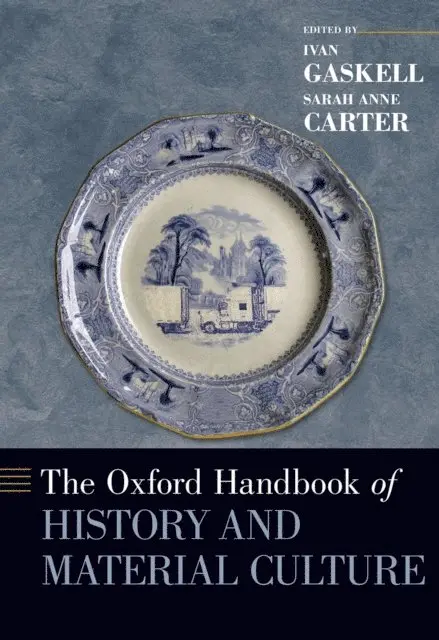
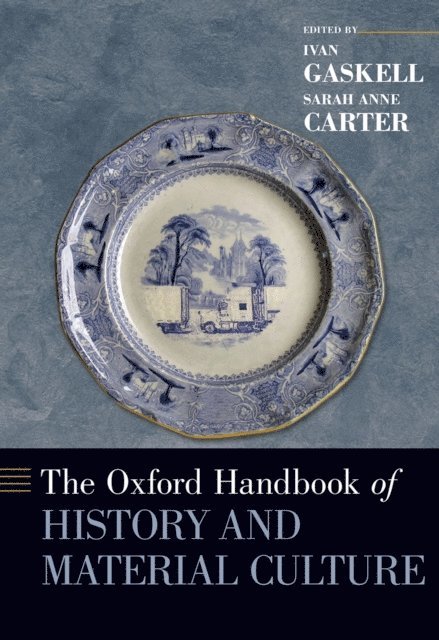
Oxford Handbook of History and Material Culture
Av Sarah Anne Carter, Ivan Gaskell
E-bok, 2020
2020 kr
Lägg i varukorg
Most historians rely principally on written sources. Yet there are other traces of the past available to historians: the material things that people have chosen, made, and used. This book examines how material culture can enhance historians'' understanding of the past, both worldwide and across …
Oxford Handbook of History and Material Culture
Av Sarah Anne Carter, Ivan Gaskell
E-bok, 2020
2020 kr
Lägg i varukorg
Most historians rely principally on written sources. Yet there are other traces of the past available to historians: the material things that people have chosen, made, and used. This book examines how material culture can enhance historians'' understanding of the past, both worldwide and across …
The Oxford Handbook of History and Material Culture
Av Ivan Gaskell, Ivan Gaskell m. fl.
Inbunden, 2020
3179 kr
Lägg i varukorg
Most historians rely principally on written sources. Yet there are other traces of the past available to historians: the material things that people have chosen, made, and used. This book examines how material culture can enhance historians' understanding of the past, both worldwide and across …
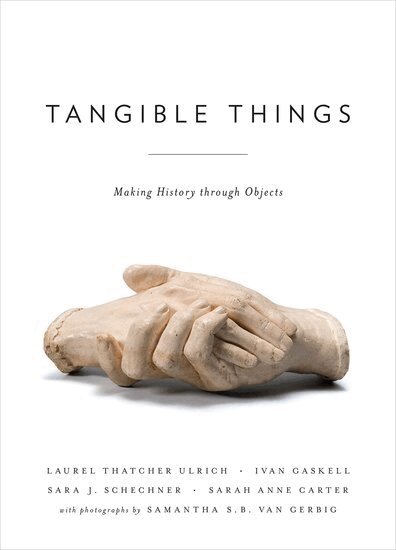
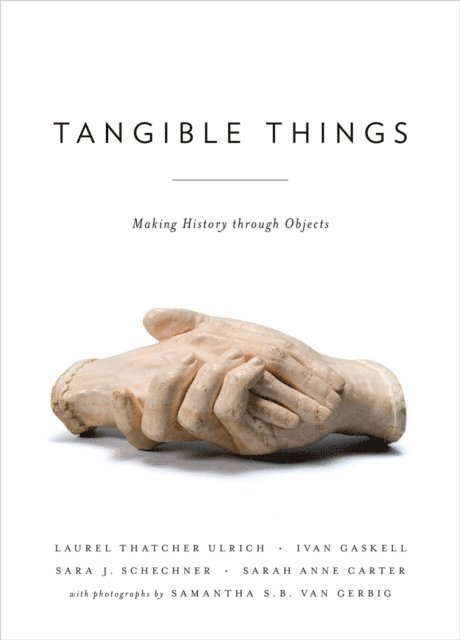
Tangible Things
Making History through Objects
Av Laurel Thatcher Ulrich, Sarah Anne Carter m. fl.
Häftad, 2015
697 kr
Lägg i varukorg
In a world obsessed with the virtual, tangible things are once again making history. Tangible Things invites readers to look closely at the things around them, ordinary things like the food on their plate and extraordinary things like the transit of planets across the sky. It argues that almost any …
Tangible Things
Making History through Objects
Av Samantha van Gerbig, Sarah Anne Carter m. fl.
E-bok, 2015
586 kr
Lägg i varukorg
In a world obsessed with the virtual, tangible things are once again making history. Tangible Things invites readers to look closely at the things around them, ordinary things like the food on their plate and extraordinary things like the transit of planets across the sky. It argues that almost any …
Tangible Things
Making History through Objects
Av Samantha van Gerbig, Sarah Anne Carter m. fl.
E-bok, 2015
586 kr
Lägg i varukorg
In a world obsessed with the virtual, tangible things are once again making history. Tangible Things invites readers to look closely at the things around them, ordinary things like the food on their plate and extraordinary things like the transit of planets across the sky. It argues that almost any …
Orphan Wish Island
Häftad, 2022
184 kr
Tillfälligt slut
Miriams parents died in a car crash when she was almost 8 years old. Just as she settles into a new life with her aunt and uncle, they decide to leave to work at an orphanage in Kenya and Miriam has to move in with her Grandma. The night after her 12th birthday, she sees something that cant be …