
Sarah D. Phillips – författare
Visar alla böcker från författaren . Handla med fri frakt och snabb leverans.
5 produkter
5 produkter
Häftad, Engelska, 2008
266 kr
Skickas inom 5-8 vardagar
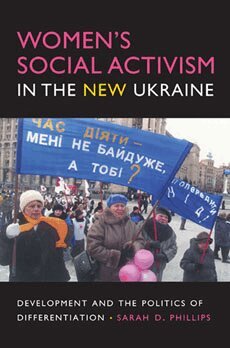
In postsocialist Ukraine, with privatization and the scaling back of the social safety net, it is primarily women who have been left as leaders of service-oriented NGOs and mutual aid associations, caring for the marginalized and destitute with little or no support from the Ukrainian state. Sarah D. Phillips follows 11 activists over the course of several years to document the unexpected effects that social activism has produced for women: increasing social inequality and "differentiation" in the form of new cultural criteria for productive citizenship and new definitions of the rights and needs of various categories of citizens.
Häftad, Engelska, 2010
280 kr
Skickas inom 5-8 vardagar
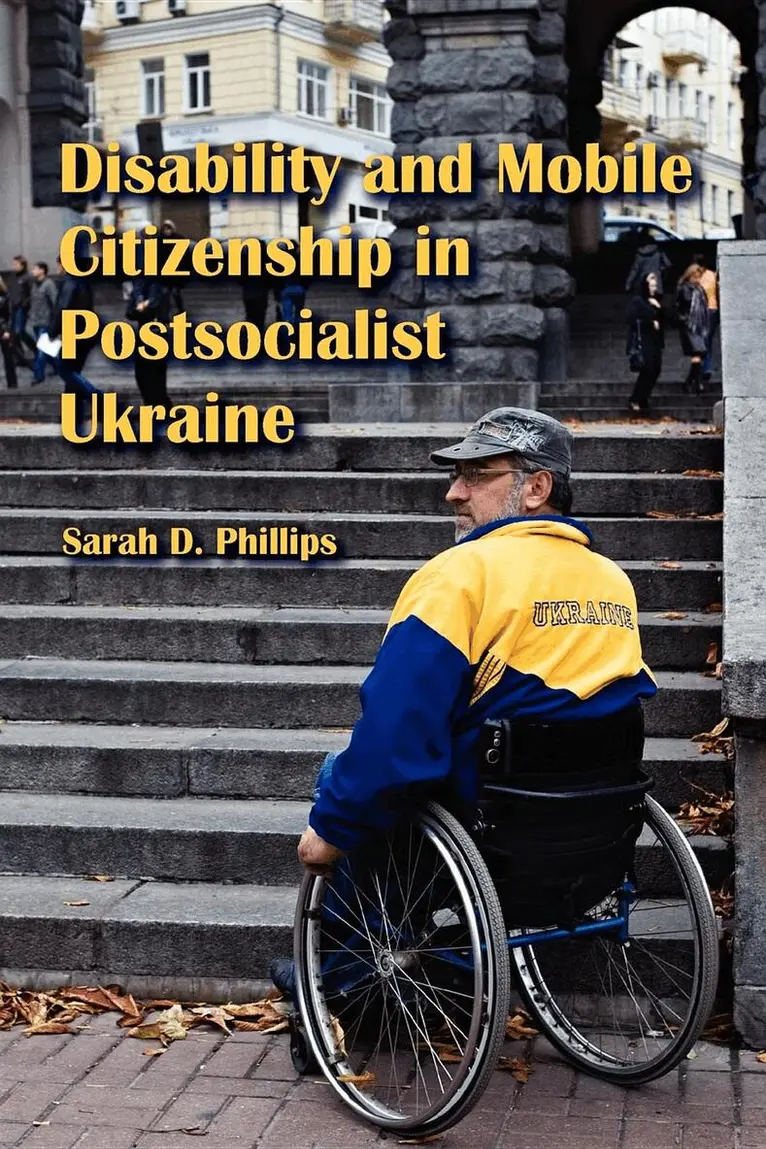
Sarah D. Phillips examines the struggles of disabled persons in Ukraine and the other former Soviet states to secure their rights during the tumultuous political, economic, and social reforms of the last two decades. Through participant observation and interviews with disabled Ukrainians across the social spectrum—rights activists, politicians, students, workers, entrepreneurs, athletes, and others—Phillips documents the creative strategies used by people on the margins of postsocialist societies to assert claims to "mobile citizenship." She draws on this rich ethnographic material to argue that public storytelling is a powerful means to expand notions of relatedness, kinship, and social responsibility, and which help shape a more tolerant and inclusive society.
Inbunden, Engelska, 2026
1 369 kr
Skickas
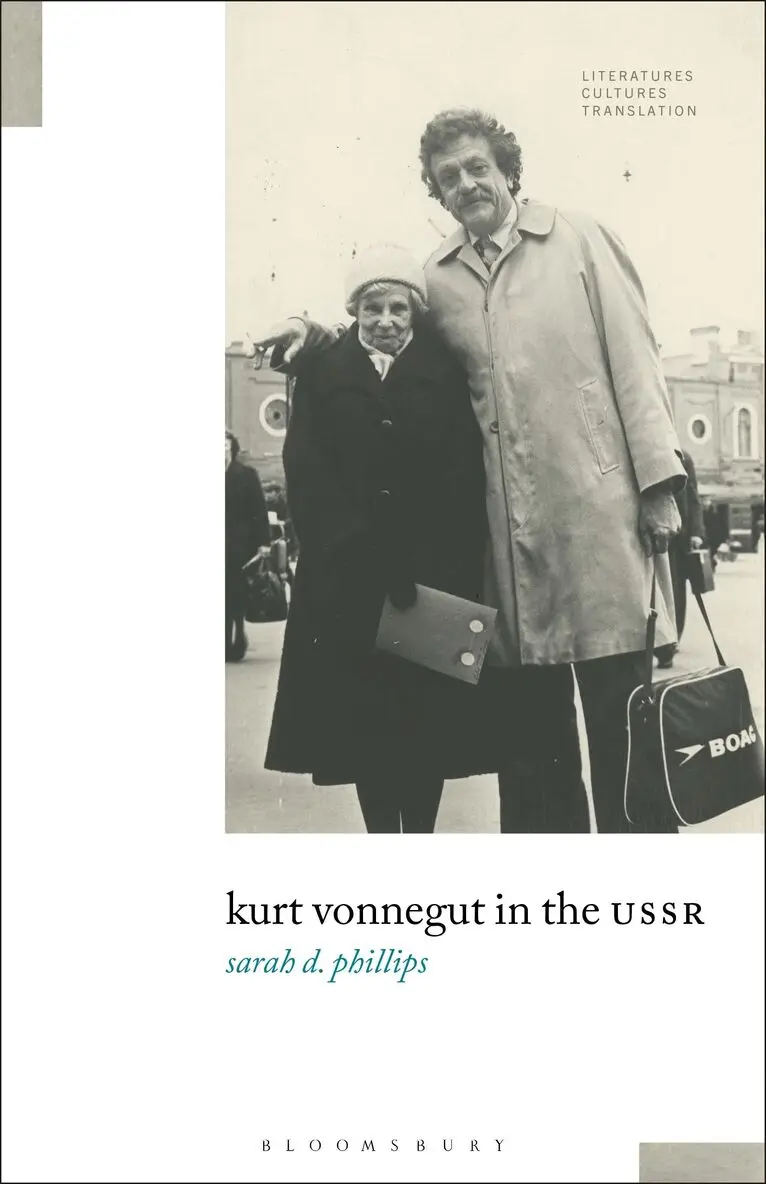
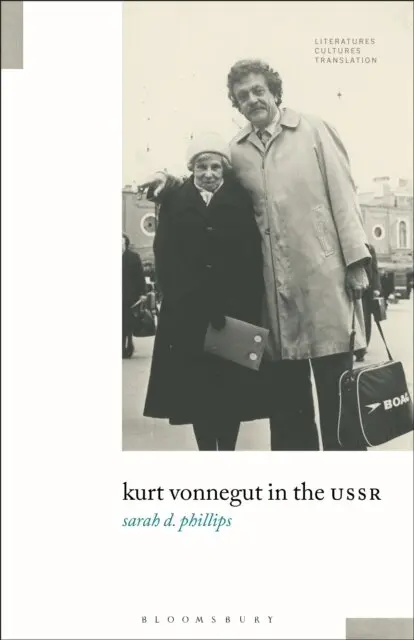
Why, at the height of the Cold War, was Kurt Vonnegut freely published in Russian translation in the top literary journals and book series in the USSR?Sarah D. Phillips explores a fascinating yet little-known chapter in the history of literary and cultural diplomacy during the Cold War: the popularity of the American author Kurt Vonnegut in the Soviet Union during the 1970s. Drawing from previously untouched archives of manuscripts, letters, and FBI files, along with her interviews of literary and cultural figures active then in the USSR, Phillips investigates several key yet little-explored questions about Vonnegut's "Soviet Chapter." What was it about Vonnegut’s writing that so appealed to readers and literary critics in the 1970s Soviet Union? Were Vonnegut’s works censored, and if so, what exactly fell prey to the infamous “Red Pencil”? How much was Vonnegut aware of his cult status in the land of Lenin? Alongside an account of Cold War politics and literary cultural diplomacy, Kurt Vonnegut in the USSR is also a book about relationships — between Vonnegut and the Soviet reading public, between Vonnegut and the Soviet literary establishment, and most especially, between Vonnegut and the woman whose masterful translations were devoured by readers of Russian: the famous Soviet translator Rita Rait (1898-1989). A work at the intersection of anthropology, history, and literary, translation, American, and Slavic studies, Kurt Vonnegut in the USSR is a close look at the unique contexts around an author and his readers, and the legacies of this literary cultural diplomacy in American and post-Soviet literary cultures today.
Häftad, Engelska, 2026
336 kr
Skickas inom 5-8 vardagar
Why, at the height of the Cold War, was Kurt Vonnegut freely published in Russian translation in the top literary journals and book series in the USSR?Sarah D. Phillips explores a fascinating yet little-known chapter in the history of literary and cultural diplomacy during the Cold War: the popularity of the American author Kurt Vonnegut in the Soviet Union during the 1970s. Drawing from previously untouched archives of manuscripts, letters, and FBI files, along with her interviews of literary and cultural figures active then in the USSR, Phillips investigates several key yet little-explored questions about Vonnegut's "Soviet Chapter." What was it about Vonnegut’s writing that so appealed to readers and literary critics in the 1970s Soviet Union? Were Vonnegut’s works censored, and if so, what exactly fell prey to the infamous “Red Pencil”? How much was Vonnegut aware of his cult status in the land of Lenin? Alongside an account of Cold War politics and literary cultural diplomacy, Kurt Vonnegut in the USSR is also a book about relationships — between Vonnegut and the Soviet reading public, between Vonnegut and the Soviet literary establishment, and most especially, between Vonnegut and the woman whose masterful translations were devoured by readers of Russian: the famous Soviet translator Rita Rait (1898-1989). A work at the intersection of anthropology, history, and literary, translation, American, and Slavic studies, Kurt Vonnegut in the USSR is a close look at the unique contexts around an author and his readers, and the legacies of this literary cultural diplomacy in American and post-Soviet literary cultures today.
E-bok
Engelska, 2026364 kr
Läs direkt efter köp
Why, at the height of the Cold War, was Kurt Vonnegut freely published in Russian translation in the top literary journals and book series in the USSR?Sarah D. Phillips explores a fascinating yet little-known chapter in the history of literary and cultural diplomacy during the Cold War: the popularity of the American author Kurt Vonnegut in the Soviet Union during the 1970s. Drawing from previously untouched archives of manuscripts, letters, and FBI files, along with her interviews of literary and cultural figures active then in the USSR, Phillips investigates several key yet little-explored questions about Vonnegut's "e;Soviet Chapter."e; What was it about Vonnegut's writing that so appealed to readers and literary critics in the 1970s Soviet Union? Were Vonnegut's works censored, and if so, what exactly fell prey to the infamous "e;Red Pencil"e;? How much was Vonnegut aware of his cult status in the land of Lenin? Alongside an account of Cold War politics and literary cultural diplomacy, Kurt Vonnegut in the USSR is also a book about relationships - between Vonnegut and the Soviet reading public, between Vonnegut and the Soviet literary establishment, and most especially, between Vonnegut and the woman whose masterful translations were devoured by readers of Russian: the famous Soviet translator Rita Rait (1898-1989). A work at the intersection of anthropology, history, and literary, translation, American, and Slavic studies, Kurt Vonnegut in the USSR is a close look at the unique contexts around an author and his readers, and the legacies of this literary cultural diplomacy in American and post-Soviet literary cultures today.