Sarah E. Maier – författare
2 690 kr
Skickas inom 10-15 vardagar
749 kr
Skickas inom 10-15 vardagar
3 479 kr
Skickas inom 10-15 vardagar
735 kr
Skickas inom 10-15 vardagar
1 421 kr
Skickas inom 5-8 vardagar
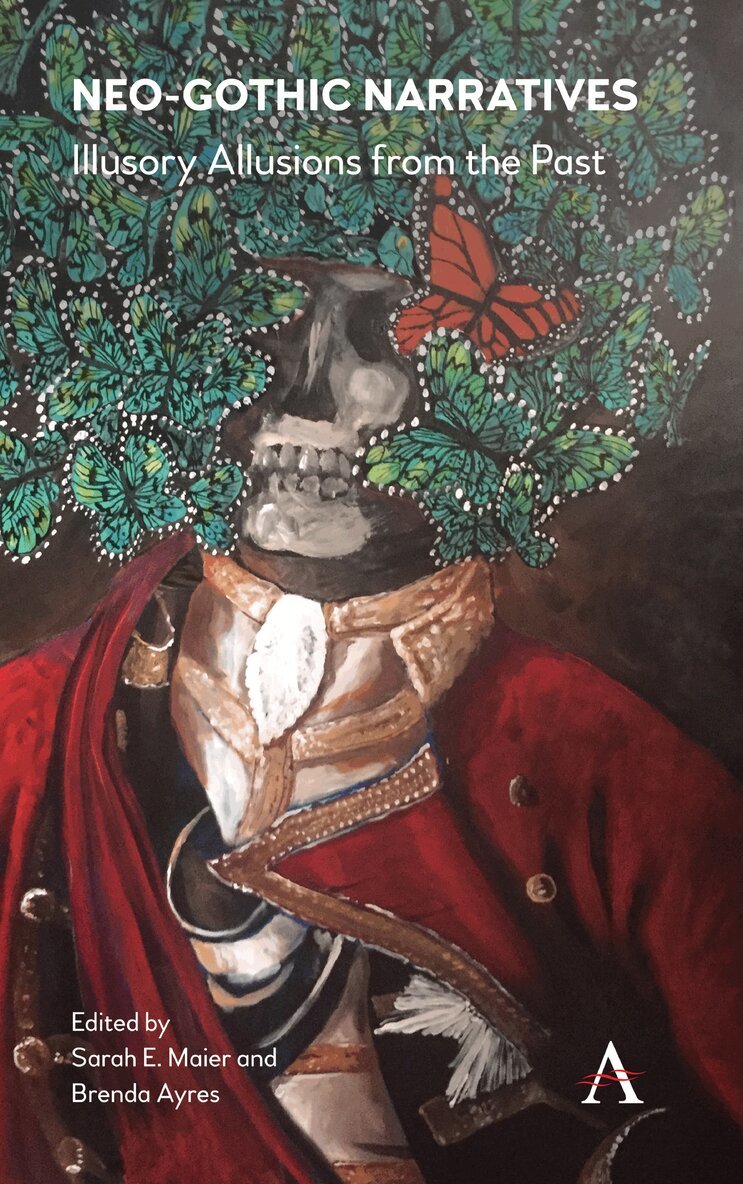
Neo-Gothic Narratives
Illusory Allusions from the Past
1 421 kr
Skickas inom 5-8 vardagar
Neo-Gothic Narratives
Illusory Allusions from the Past
460 kr
Skickas inom 5-8 vardagar
1 421 kr
Skickas inom 5-8 vardagar
333 kr
Skickas inom 5-8 vardagar
1 638 kr
Skickas inom 10-15 vardagar
1 638 kr
Skickas inom 10-15 vardagar
1 405 kr
Skickas inom 10-15 vardagar
1 405 kr
Skickas inom 10-15 vardagar
1 638 kr
Skickas inom 10-15 vardagar
1 638 kr
Skickas inom 10-15 vardagar
2 919 kr
Skickas inom 10-15 vardagar
2 919 kr
Skickas inom 10-15 vardagar
1 289 kr
Skickas inom 10-15 vardagar
1 289 kr
Skickas inom 10-15 vardagar
1 914 kr
Kommande
466 kr
Tillfälligt slut
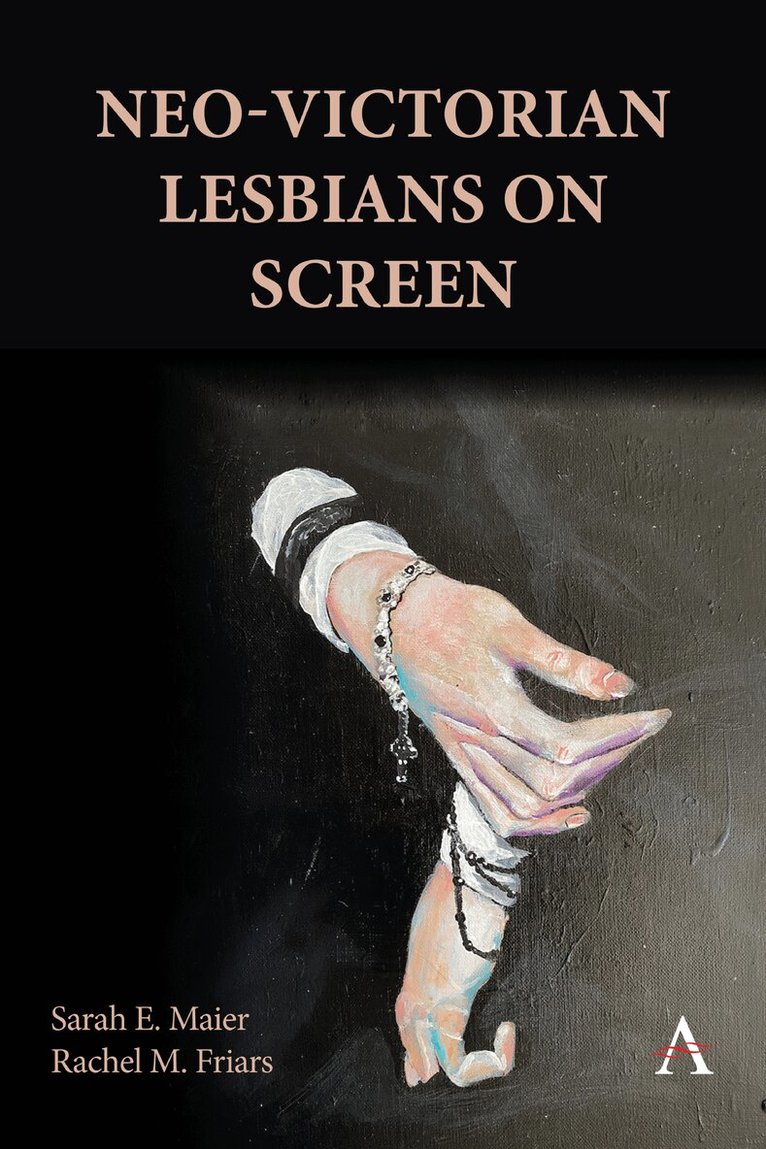
In Neo-Victorian Lesbians on Screen, Maier and Friars argue that the on-screen portrayal of lesbians situated in the long nineteenth century across various countries is at the very least a dual task; the imperative project of revoicing lesbian silence and female companionship is complicated by the lack of and/or complex representation of such women in the past. The adaptations, with varying degrees of success, carefully manipulate the gaze of the viewer to illustrate both how crucial the act of looking proves to be for lesbian attachment in these films and how the viewer’s own gaze changes the way the lesbian is represented. Maier and Friars consider the adaptations’ awareness of the audience, and the ways in which the films implicitly acknowledge the stakes behind bringing the lesbian to life, as it were, in visual media. Because screen adaptations disrupt historical distance by literally picturing Victorian subjects via a medium they did not have, film adaptations of novels and biofictions, and original screenplays are challenged by the lesbian subject’s vivid presence on screen. The lesbian is no longer a contained (neo)Victorian presence in the ‘othered’ nineteenth century, but her very existence on screen signals her effervescent modernity, which filmmakers alternately embrace or reject.
466 kr
Tillfälligt slut
In Neo-Victorian Lesbians on Screen, Maier and Friars argue that the on-screen portrayal of lesbians situated in the long nineteenth century across various countries is at the very least a dual task; the imperative project of revoicing lesbian silence and female companionship is complicated by the lack of and/or complex representation of such women in the past. The adaptations, with varying degrees of success, carefully manipulate the gaze of the viewer to illustrate both how crucial the act of looking proves to be for lesbian attachment in these films and how the viewer’s own gaze changes the way the lesbian is represented. Maier and Friars consider the adaptations’ awareness of the audience, and the ways in which the films implicitly acknowledge the stakes behind bringing the lesbian to life, as it were, in visual media. Because screen adaptations disrupt historical distance by literally picturing Victorian subjects via a medium they did not have, film adaptations of novels and biofictions, and original screenplays are challenged by the lesbian subject’s vivid presence on screen. The lesbian is no longer a contained (neo)Victorian presence in the ‘othered’ nineteenth century, but her very existence on screen signals her effervescent modernity, which filmmakers alternately embrace or reject.