Sarah Elliston – författare
Visar alla böcker från författaren Sarah Elliston. Handla med fri frakt och snabb leverans.
8 produkter
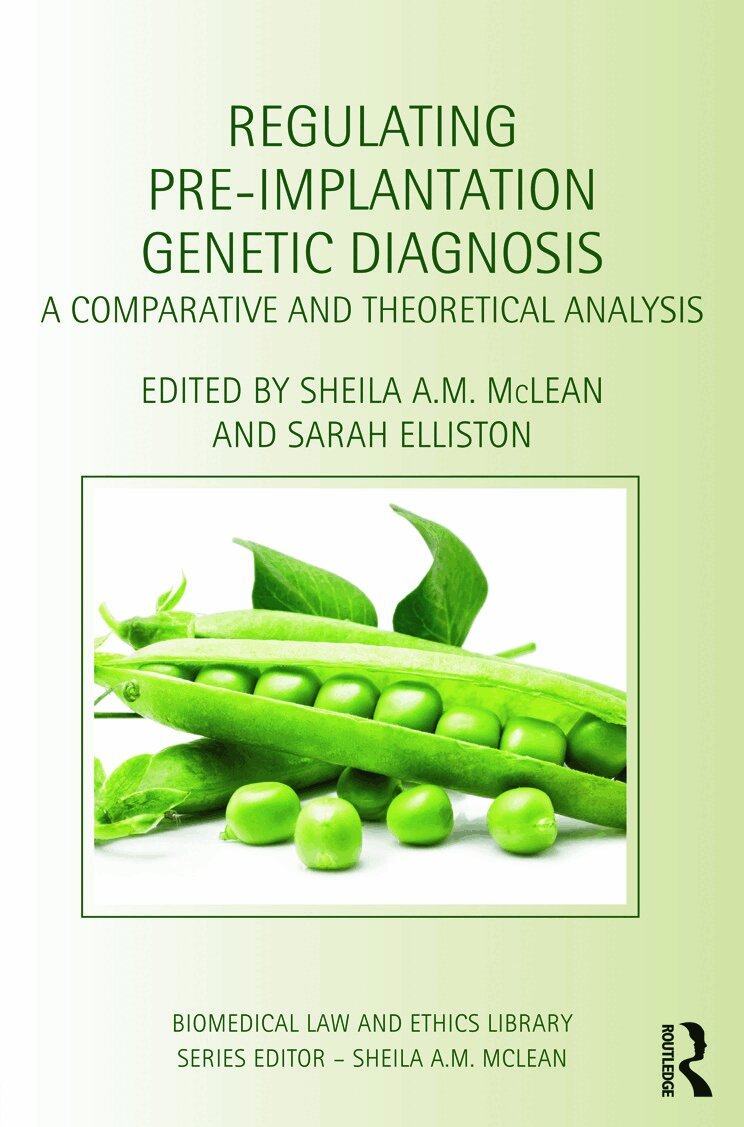
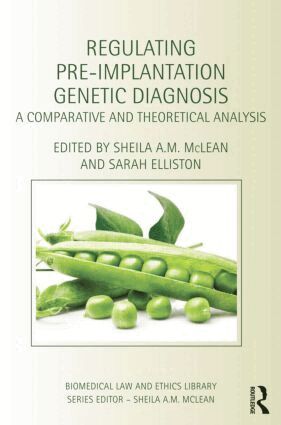
Regulating Pre-Implantation Genetic Diagnosis
A Comparative and Theoretical Analysis
Av Sheila A.M. McLean, Sarah Elliston
Inbunden, 2012
2303 kr
Lägg i varukorg
The successful achievement of pregnancies following pre-implantation genetic diagnosis (PGD) was first reported in April 1990. The technology is often used for patients who are at substantial risk of conceiving a pregnancy affected by a known genetic disorder, however from this technology other …
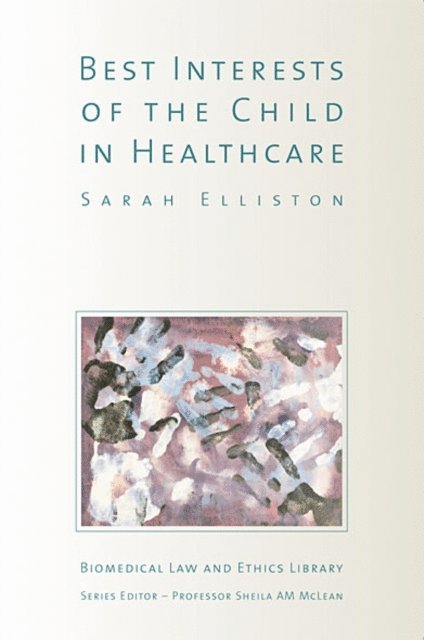
Best Interests of the Child in Healthcare
E-bok, 2007
924 kr
Lägg i varukorg
Topical and compelling, this volume provides an excellent re-evaluation of the ‘best interests’ test in the healthcare arena; the ways in which it has developed, the inherent difficulties in its use and its interpretation in legal cases concerning the medical care of children. Comprehensively …
Best Interests of the Child in Healthcare
E-bok, 2007
904 kr
Lägg i varukorg
Topical and compelling, this volume provides an excellent re-evaluation of the ‘best interests’ test in the healthcare arena; the ways in which it has developed, the inherent difficulties in its use and its interpretation in legal cases concerning the medical care of children. Comprehensively …
Regulating Pre-Implantation Genetic Diagnosis
A Comparative and Theoretical Analysis
Av Sarah Elliston, Sheila A.M. McLean
E-bok, 2012
669 kr
Lägg i varukorg
The successful achievement of pregnancies following pre-implantation genetic diagnosis (PGD) was first reported in April 1990. The technology is often used for patients who are at substantial risk of conceiving a pregnancy affected by a known genetic disorder, however from this technology other …
Regulating Pre-Implantation Genetic Diagnosis
A Comparative and Theoretical Analysis
Av Sarah Elliston, Sheila A.M. McLean
E-bok, 2012
669 kr
Lägg i varukorg
The successful achievement of pregnancies following pre-implantation genetic diagnosis (PGD) was first reported in April 1990. The technology is often used for patients who are at substantial risk of conceiving a pregnancy affected by a known genetic disorder, however from this technology other …
Regulating Pre-Implantation Genetic Diagnosis
A Comparative and Theoretical Analysis
Av Sheila A.M. McLean, Sarah Elliston
Häftad, 2014
567 kr
Lägg i varukorg
The successful achievement of pregnancies following pre-implantation genetic diagnosis (PGD) was first reported in April 1990. The technology is often used for patients who are at substantial risk of conceiving a pregnancy affected by a known genetic disorder, however from this technology other …
Best Interests of the Child in Healthcare
Häftad, 2007
781 kr
Lägg i varukorg
Topical and compelling, this volume provides an excellent re-evaluation of the ‘best interests’ test in the healthcare arena; the ways in which it has developed, the inherent difficulties in its use and its interpretation in legal cases concerning the medical care of children.Comprehensively …
Best Interests of the Child in Healthcare
Inbunden, 2007
2482 kr
Lägg i varukorg
Topical and compelling, this volume provides an excellent re-evaluation of the ‘best interests’ test in the healthcare arena; the ways in which it has developed, the inherent difficulties in its use and its interpretation in legal cases concerning the medical care of children.Comprehensively …