Sarah Murray – författare
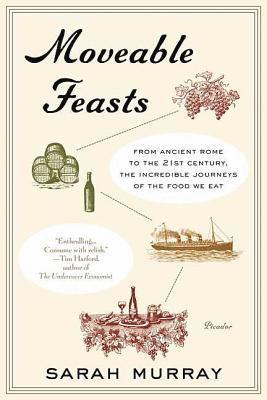
Moveable Feasts: From Ancient Rome to the 21st Century, the Incredible Journeys of the Food We Eat
287 kr
Skickas inom 3-6 vardagar
617 kr
Skickas inom 10-15 vardagar
692 kr
Skickas inom 10-15 vardagar
Reflections on the Commemoration of the First World War
Perspectives from the Former British Empire
649 kr
Skickas inom 10-15 vardagar
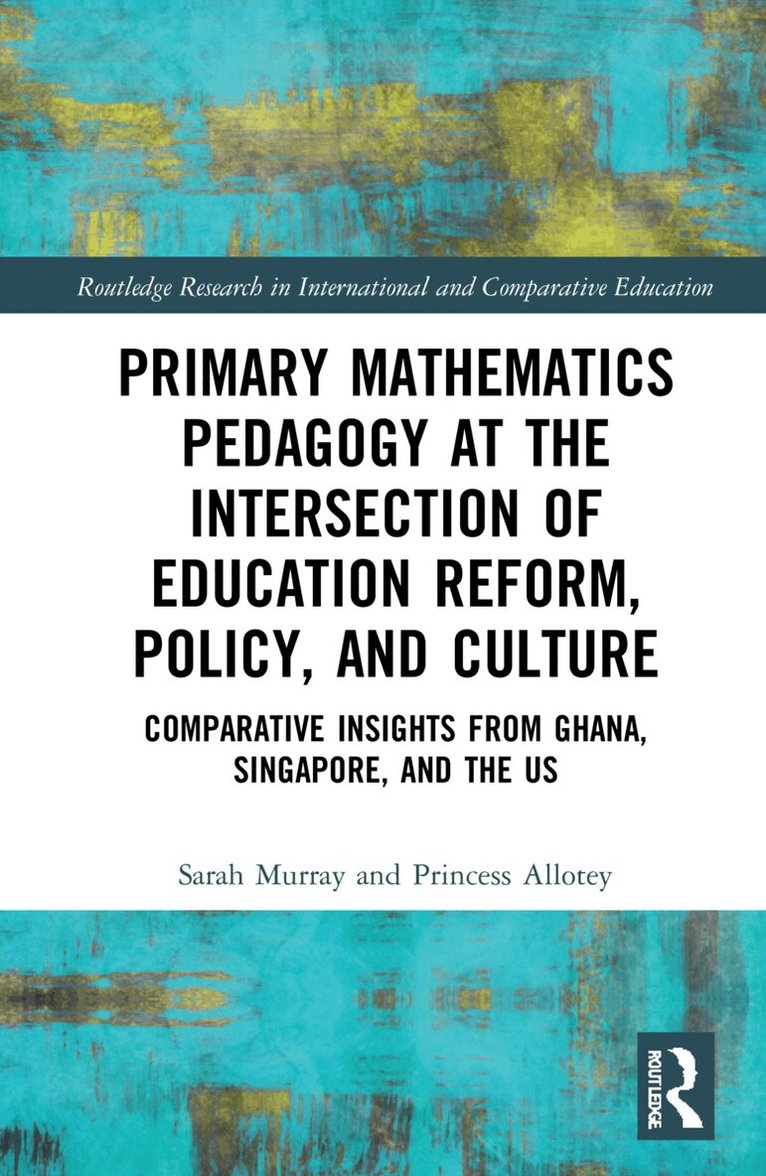
Primary Mathematics Pedagogy at the Intersection of Education Reform, Policy, and Culture
Comparative Insights from Ghana, Singapore, and the US
2 049 kr
Skickas inom 10-15 vardagar
Reflections on the Commemoration of the First World War
Perspectives from the Former British Empire
2 171 kr
Skickas inom 10-15 vardagar
474 kr
Skickas inom 5-8 vardagar
1 123 kr
Skickas inom 5-8 vardagar
The Constitution of the Commonwealth of Australia
History, Principle and Interpretation
1 218 kr
Skickas inom 7-10 vardagar
153 kr
Skickas inom 5-8 vardagar
444 kr
Skickas inom 5-8 vardagar
315 kr
Skickas inom 5-8 vardagar
Primary Mathematics Pedagogy at the Intersection of Education Reform, Policy, and Culture
Comparative Insights from Ghana, Singapore, and the US
560 kr
Skickas inom 10-15 vardagar
268 kr
Skickas inom 10-15 vardagar
2 002 kr
Skickas inom 10-15 vardagar
Companion, and Useful Guide to the Beauties of Scotland, to the Lakes of Westmoreland, Cumberland, and Lancashire; And to the Curiosities in the District of Craven, in Yorkshire.
316 kr
Skickas inom 5-8 vardagar
278 kr
Skickas inom 3-6 vardagar
Companion, and Useful Guide to the Beauties of Scotland, to the Lakes of Westmoreland, Cumberland, and Lancashire; and to the Curiosities in the District of Craven, in Yorkshire
444 kr
Skickas inom 5-8 vardagar
1 061 kr
Skickas inom 10-15 vardagar
309 kr
Skickas inom 5-8 vardagar
246 kr
Skickas inom 5-8 vardagar
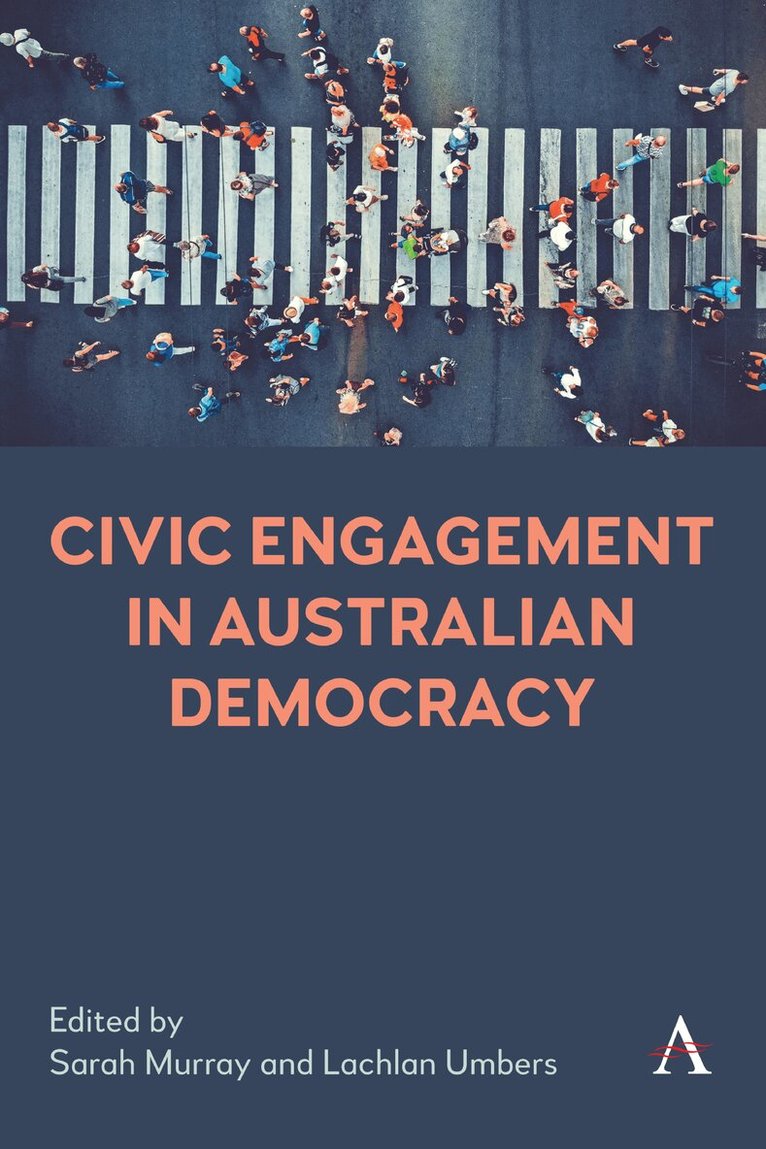
Civic Engagement in Australian Democracy
928 kr
Skickas
443 kr
Tillfälligt slut
The Australian democratic system has long been regarded as one of the most stable and predictable in the world, with an entrenched two-party duopoly, compulsory voting ensuring high levels of electoral participation and relatively high levels of satisfaction with the democratic process. Yet the ways Australians engage with, and participate in, their democracy have shifted substantially in recent times. While a record proportion of Australians are now on the electoral roll, less than 1% belong to a political party, and the share of Australians that have always voted for the same party in Federal elections has declined from 72% in 1967 to 37% in 2022. Turnout in the 2022 Federal Election fell below 90% for the first time since the introduction of compulsory voting in 1924. Over 50% of voters cast their ballots early in 2022, up from around 10% in 2004. The advent of social media has afforded Australians a range of opportunities for political engagement but has also given rise to serious concerns surrounding the dissemination of misinformation. And Australians have also recently been afforded several historically rare opportunities for direct participation in the lawmaking process – particularly, the 2017 same-sex marriage plebiscite and the 2023 referendum on the Aboriginal and Torres Strait Islander Voice to Parliament.These developments give rise to a wide range of deep, difficult questions for Australian democracy, many of which have been under-explored. What, for instance, does the failure of the referendum on the Aboriginal and Torres Strait Islander Voice to Parliament mean for Australian democracy? What sorts of opportunities ought to be afforded to Australians for direct participation in government? How might climate change impact Australian democracy in the coming decades? How might the rise in early voting impact the character of Australian democracy? What opportunities do Australians have for engagement in civic life, and what obstacles do they face in exercising them?This edited collection brings together specialists in the democratic process to consider such questions, alongside many others. Moreover, the collection is uniquely interdisciplinary, insofar as the contributors are drawn from a diverse range of fields – law, philosophy, political science and sociology. The chapters each help bring us a broader understanding of civic participation in Australian democracy, in order that we might evaluate the status quo, and gauge where it might be headed, in the future.
443 kr
Tillfälligt slut
The Australian democratic system has long been regarded as one of the most stable and predictable in the world, with an entrenched two-party duopoly, compulsory voting ensuring high levels of electoral participation and relatively high levels of satisfaction with the democratic process. Yet the ways Australians engage with, and participate in, their democracy have shifted substantially in recent times. While a record proportion of Australians are now on the electoral roll, less than 1% belong to a political party, and the share of Australians that have always voted for the same party in Federal elections has declined from 72% in 1967 to 37% in 2022. Turnout in the 2022 Federal Election fell below 90% for the first time since the introduction of compulsory voting in 1924. Over 50% of voters cast their ballots early in 2022, up from around 10% in 2004. The advent of social media has afforded Australians a range of opportunities for political engagement but has also given rise to serious concerns surrounding the dissemination of misinformation. And Australians have also recently been afforded several historically rare opportunities for direct participation in the lawmaking process – particularly, the 2017 same-sex marriage plebiscite and the 2023 referendum on the Aboriginal and Torres Strait Islander Voice to Parliament.These developments give rise to a wide range of deep, difficult questions for Australian democracy, many of which have been under-explored. What, for instance, does the failure of the referendum on the Aboriginal and Torres Strait Islander Voice to Parliament mean for Australian democracy? What sorts of opportunities ought to be afforded to Australians for direct participation in government? How might climate change impact Australian democracy in the coming decades? How might the rise in early voting impact the character of Australian democracy? What opportunities do Australians have for engagement in civic life, and what obstacles do they face in exercising them?This edited collection brings together specialists in the democratic process to consider such questions, alongside many others. Moreover, the collection is uniquely interdisciplinary, insofar as the contributors are drawn from a diverse range of fields – law, philosophy, political science and sociology. The chapters each help bring us a broader understanding of civic participation in Australian democracy, in order that we might evaluate the status quo, and gauge where it might be headed, in the future.
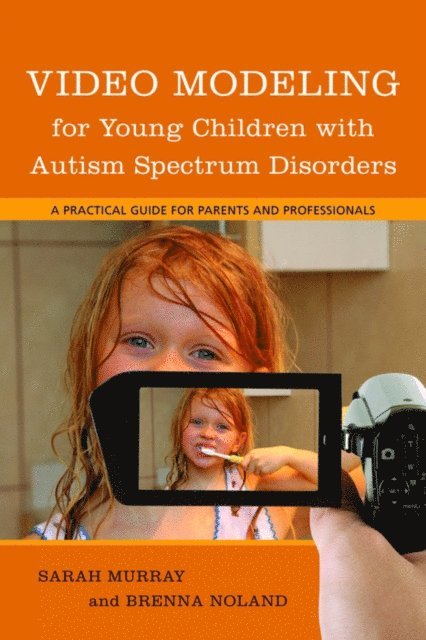
Video Modeling for Young Children with Autism Spectrum Disorders
A Practical Guide for Parents and Professionals
279 kr
Skickas inom 5-8 vardagar
941 kr
Tillfälligt slut
Remaking of the Courts
Less-Adversarial Practice and the Constitutional Role of the Judiciary in Australia
880 kr
Tillfälligt slut
1 461 kr
Skickas inom 10-15 vardagar
580 kr
Skickas inom 5-8 vardagar
1 461 kr
Skickas inom 10-15 vardagar