Sarah Stanford-McIntyre – författare
Visar alla böcker från författaren Sarah Stanford-McIntyre. Handla med fri frakt och snabb leverans.
3 produkter
3 produkter
1 345 kr
Kommande
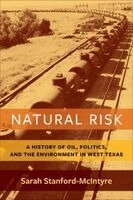
The longest-running oil-producing region in Texas, the Permian Basin fueled the state’s transformation from agricultural backwater to extractive powerhouse in the middle of the twentieth century. During the same period, Texas was also a crucial outlier in a national trend that placed risk management and environmental safety in the hands of state regulators. This book shows how Permian Basin oil production reshaped Texas’s environment, economy, and political culture, with major consequences for American understandings of health, wealth, and the social safety net.Sarah Stanford-McIntyre argues that the energy industry naturalized the risks of extractive capitalism, redefining what sorts and levels of danger were seen as acceptable. She traces how West Texas oil employers and employees—prospectors, bankers, roughnecks, drillers, contractors, and engineers—encountered and assessed the industry’s many overlapping risks, demonstrating why different groups prioritized immediate economic concerns over long-term public health or the environment. Energy workers and communities often saw environmental and health hazards as inherent and unavoidable, believing that risk could be managed on economic terms. For the industry, risk became a language for justifying deregulation, contamination, and neglect. Bringing together the political, environmental, and business history of West Texas with the lived experience of workers in the energy industries, Natural Risk reveals how Permian Basin oil transformed American capitalism.
597 kr
Kommande
The longest-running oil-producing region in Texas, the Permian Basin fueled the state’s transformation from agricultural backwater to extractive powerhouse in the middle of the twentieth century. During the same period, Texas was also a crucial outlier in a national trend that placed risk management and environmental safety in the hands of state regulators. This book shows how Permian Basin oil production reshaped Texas’s environment, economy, and political culture, with major consequences for American understandings of health, wealth, and the social safety net.Sarah Stanford-McIntyre argues that the energy industry naturalized the risks of extractive capitalism, redefining what sorts and levels of danger were seen as acceptable. She traces how West Texas oil employers and employees—prospectors, bankers, roughnecks, drillers, contractors, and engineers—encountered and assessed the industry’s many overlapping risks, demonstrating why different groups prioritized immediate economic concerns over long-term public health or the environment. Energy workers and communities often saw environmental and health hazards as inherent and unavoidable, believing that risk could be managed on economic terms. For the industry, risk became a language for justifying deregulation, contamination, and neglect. Bringing together the political, environmental, and business history of West Texas with the lived experience of workers in the energy industries, Natural Risk reveals how Permian Basin oil transformed American capitalism.
328 kr
Skickas inom 10-15 vardagar
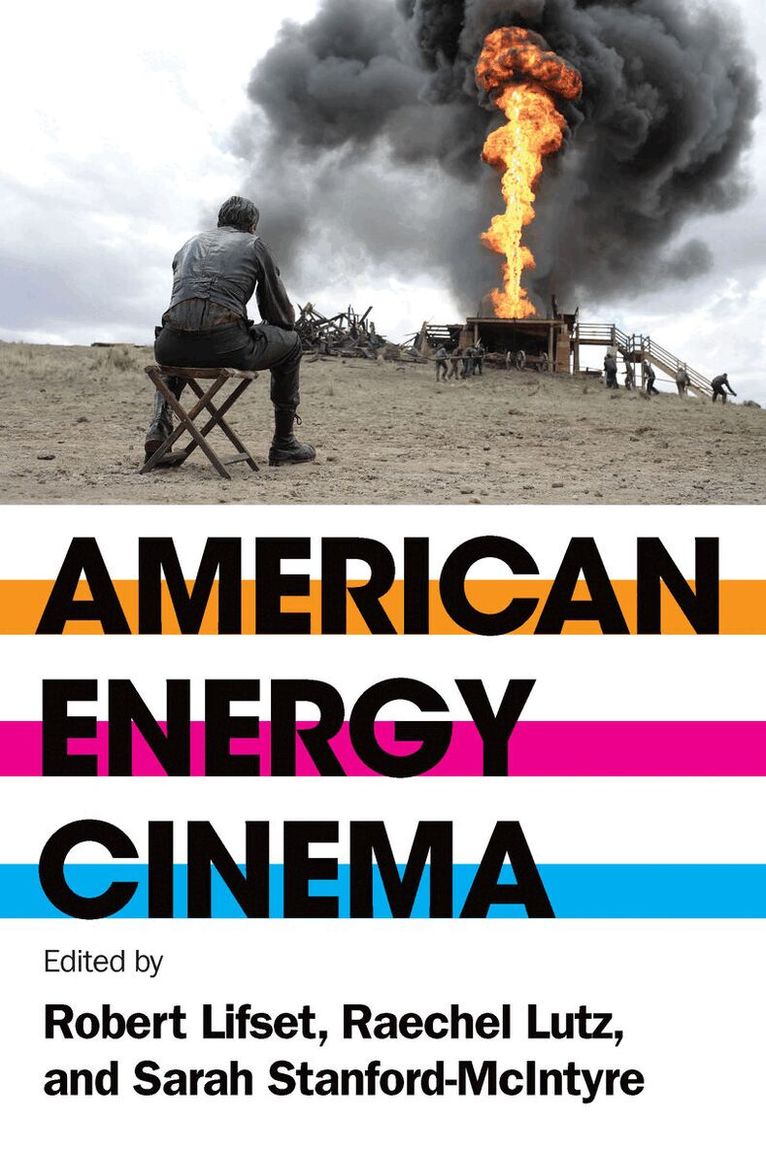
Historians investigate the relationships between film, culture, and energy.American Energy Cinema explores how Hollywood movies have portrayed energy from the early film era to the present. Looking at classics like Giant, Silkwood, There Will Be Blood, and Matewan, and at quirkier fare like A Is for Atom and Convoy, it argues that films have both reflected existing beliefs and conjured new visions for Americans about the role of energy in their lives and their history. The essays in this collection show how film provides a unique and informative lens to understand perceptions of energy production, consumption, and infrastructure networks. By placing films that prominently feature energy within historical context and analyzing them as historical objects, the contributing authors demonstrate how energy systems of all kinds are both integral to the daily life of Americans and inextricable from larger societal changes and global politics.