Robert Lifset - Böcker
Visar alla böcker från författaren Robert Lifset. Handla med fri frakt och snabb leverans.
3 produkter
3 produkter
267 kr
Skickas inom 10-15 vardagar
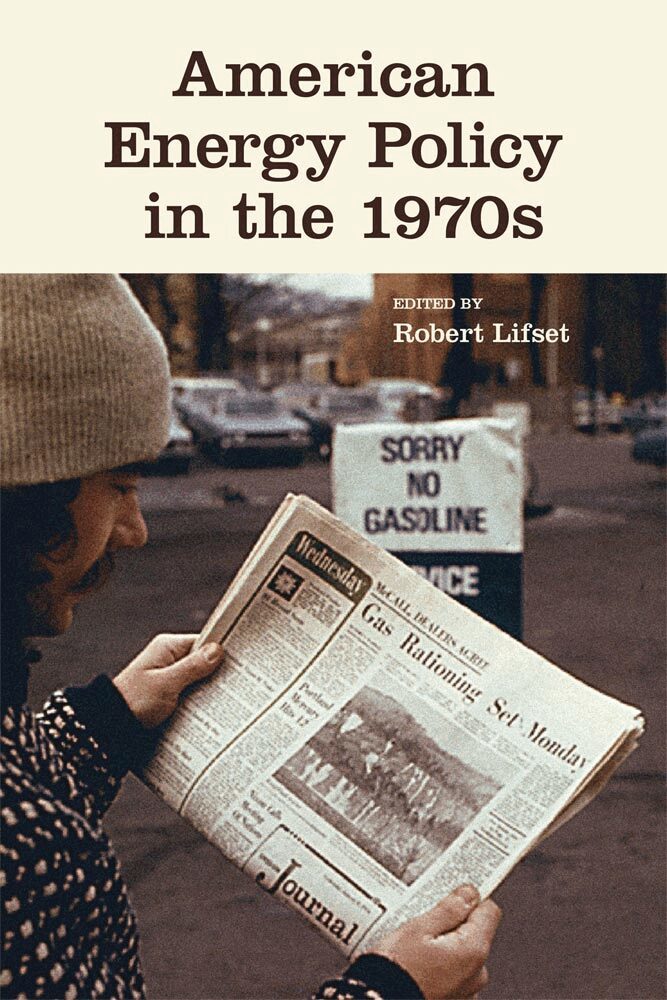
With Middle East blow-ups, pipeline politics, wind farm controversies, solar industry scandals, and disputes over fracking, it's natural to think that the energy policy debate is at its most intense ever. But it's easy to forget that energy issues dominated the nation's politics in the 1970s as well. Wars were fought, political careers made and unmade, and fortunes gambled and lost, all because of the vagaries of energy production and consumption, which held the American public and its politicians in thrall.This historical investigation focuses exclusively on American energy policy in the 1970s. Revisiting the last time energy issues came to the forefront of national political discourse, the essays collected here provide new insight into the energy crisis of that decade - insights with clear implications for our present dilemmas. Among a new generation of energy historians, the authors address questions of political leadership, foreign policy, supply, and demand. Chapters examine the politics of energy policymaking; efforts by American policymakers to increase supply and reduce demand; and the challenge of crafting American foreign policy as the Middle East emerges as the world's leading oil-producing region. American Energy Policy in the 1970s reminds us of a wide range of policy successes and failures and offers an in-depth look at the complicated workings of such issues as café standards, alternative energy supplies, nuclear power, conservation, the strategic petroleum reserve, and the Carter Doctrine.This book restores historical clarity and context to the complex and politically freighted discussion of energy in America. It should inform and enlighten the discussion going forward.
Power on the Hudson
Storm King Mountain and the Emergence of Modern American Environmentalism
Häftad, Engelska, 2014
696 kr
Skickas inom 7-10 vardagar
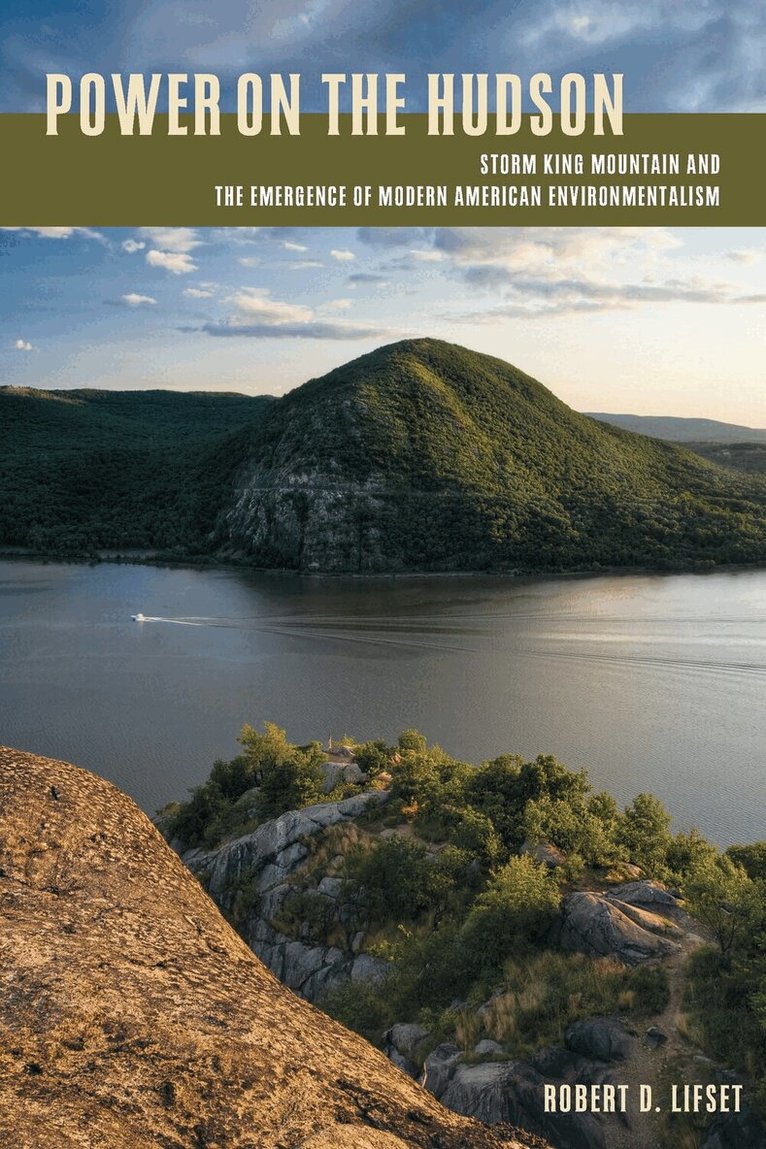
The beauty of the Hudson River Valley was a legendary subject for artists during the nineteenth century. They portrayed its bucolic settings and humans in harmony with nature as the physical manifestation of God’s work on earth. More than a hundred years later, those sentiments would be tested as never before. In the fall of 1962, Consolidated Edison of New York, the nation’s largest utility company, announced plans for the construction of a pumped-storage hydroelectric power plant at Storm King Mountain on the Hudson River, forty miles north of New York City. Over the next eighteen years, their struggle against environmentalists would culminate in the abandonment of the project.Robert D. Lifset offers an original case history of this monumental event in environmental history, when a small group of concerned local residents initiated a landmark case of ecology versus energy production. He follows the progress of this struggle, as Con Ed won approvals and permits early on, but later lost ground to environmentalists who were able to raise questions about the potential damage to the habitat of Hudson River striped bass.Lifset uses the struggle over Storm King to examine how environmentalism changed during the 1960s and 1970s. He also views the financial challenges and increasingly frequent blackouts faced by Con Ed, along with the pressure to produce ever-larger quantities of energy.As Lifset demonstrates, the environmental cause was greatly empowered by the fact that through this struggle, for the first time, environmentalists were able to gain access to the federal courts. The environmental cause was also greatly advanced by adopting scientific evidence of ecological change, combined with mounting public awareness of the environmental consequences of energy production and consumption. These became major factors supporting the case against Con Ed, spawning a range of new local, regional, and national environmental organizations and bequeathing to the Hudson River Valley a vigilant and intense environmental awareness. A new balance of power emerged, and energy companies would now be held to higher standards that protected the environment.
322 kr
Skickas inom 10-15 vardagar
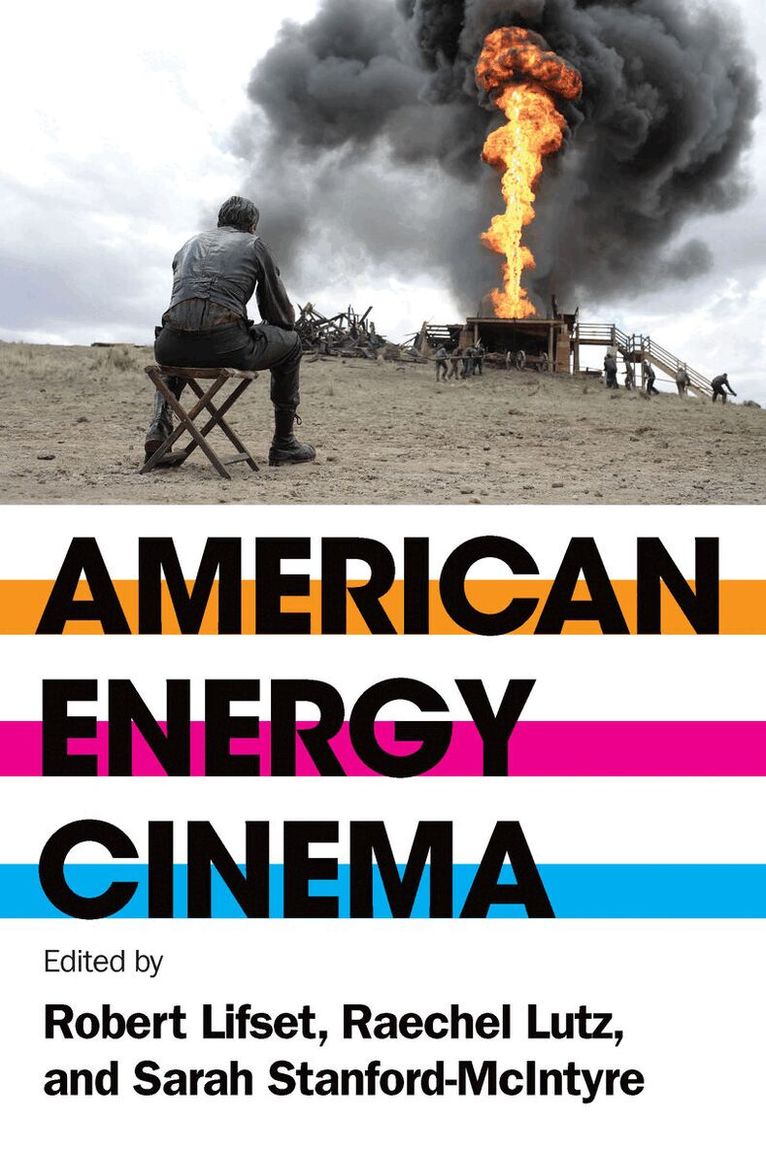
Historians investigate the relationships between film, culture, and energy.American Energy Cinema explores how Hollywood movies have portrayed energy from the early film era to the present. Looking at classics like Giant, Silkwood, There Will Be Blood, and Matewan, and at quirkier fare like A Is for Atom and Convoy, it argues that films have both reflected existing beliefs and conjured new visions for Americans about the role of energy in their lives and their history. The essays in this collection show how film provides a unique and informative lens to understand perceptions of energy production, consumption, and infrastructure networks. By placing films that prominently feature energy within historical context and analyzing them as historical objects, the contributing authors demonstrate how energy systems of all kinds are both integral to the daily life of Americans and inextricable from larger societal changes and global politics.