Sari Kawana - Böcker
Visar alla böcker från författaren Sari Kawana. Handla med fri frakt och snabb leverans.
3 produkter
3 produkter
299 kr
Skickas inom 10-15 vardagar
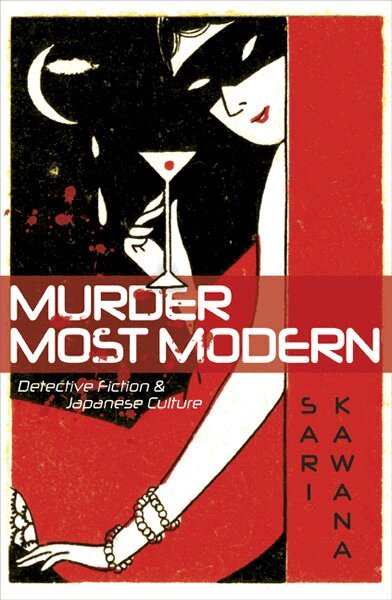
The quintessential international genre, detective fiction often works under the guise of popular entertainment to expose its extensive readership to complex moral questions and timely ethical dilemmas. The first book-length study of interwar Japanese detective fiction, Murder Most Modern considers the important role of detective fiction in defining the country’s emergence as a modern nation-state. Kawana explores the interactions between the popular genre and broader discourses of modernity, nation, and ethics that circulated at this pivotal moment in Japanese history. The author contrasts Japanese works by Edogawa Ranpo, Unno Juza, Oguri Mushitaro, and others with English-language works by Edgar Allan Poe, Dashiell Hammett, and Agatha Christie to show how Japanese writers of detective fiction used the genre to disseminate their ideas on some of the most startling aspects of modern life: the growth of urbanization, the protection and violation of privacy, the criminalization of abnormal sexuality, the dehumanization of scientific research, and the horrors of total war. Kawana’s comparative approach reveals how Japanese authors of the genre emphasized the vital social issues that captured the attention of thrill-seeking readers-while eluding the eyes of government censors. Sari Kawana is assistant professor of Japanese at the University of Massachusetts, Boston.
1 958 kr
Skickas inom 10-15 vardagar
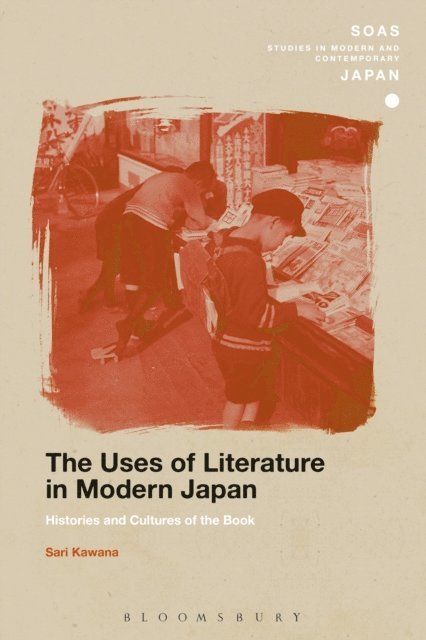
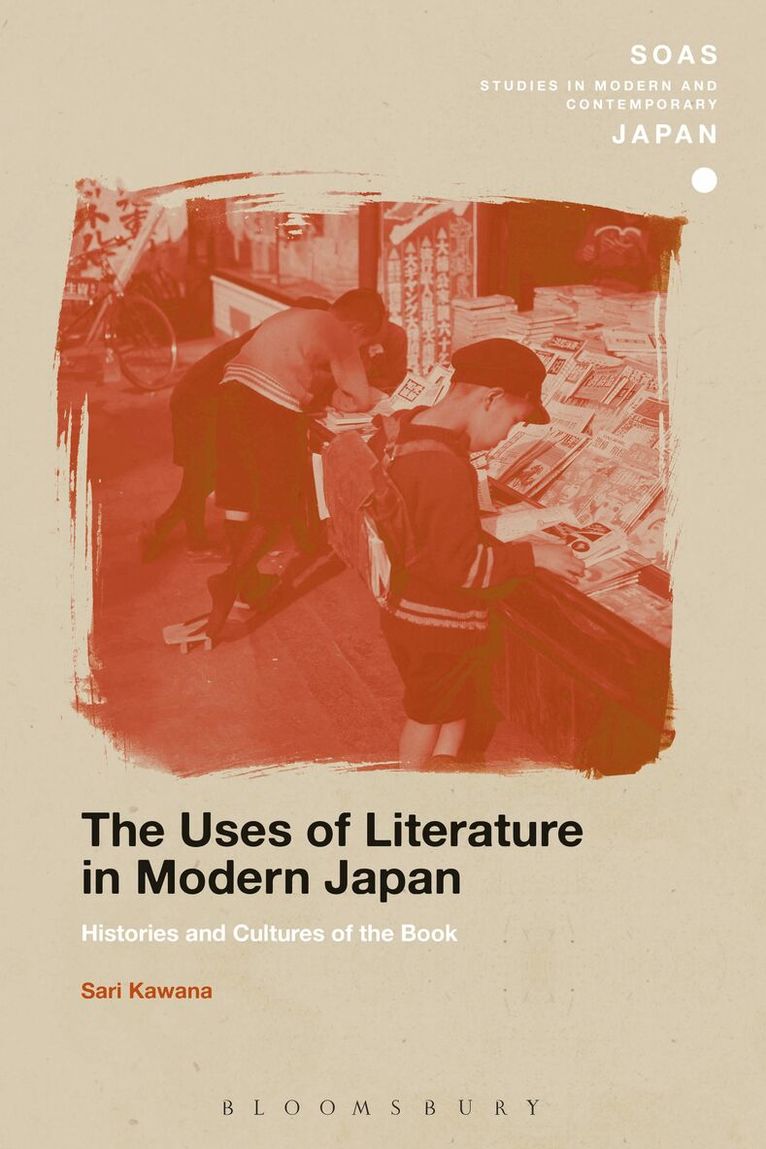
The Uses of Literature in Modern Japan explores the varying uses of literature in Japan from the late Meiji period to the present, considering how creators, conveyors, and consumers of literary content have treated texts and their authors as cultural resources to be packaged, promoted, and preserved. As the printed word became a crucial form of entertainment and edification for an increasingly literate public in early 20th-century Japan, literature came to assume a variety of new uses. Touching upon a wide array of sources, Sari Kawana traces the ways in which literary works have morphed into different variants, ranging from textual (compilations, textbooks) and visual (film, manga, other media) to virtual and real world, through innovative publishing and reading practices. She takes up themes such as the materiality of texts, the role of publishers and advertising campaigns, the interplay between literature and other media, and the creation and dissemination of larger cultural fantasies tied to literary consumption. She stresses the agency and creativity with which readers engaged literary works, from divergent readings of propaganda literature to inventive adaptations of canonical texts in adjacent media, culminating in the practice of literary tourism. Moving beyond close reading of texts to look at their historical context, the book will appeal not only to scholars of modern Japanese literature but also those studying the history of the book and modern Japanese cultural history.
530 kr
Skickas inom 10-15 vardagar
The Uses of Literature in Modern Japan explores the varying uses of literature in Japan from the late Meiji period to the present, considering how creators, conveyors, and consumers of literary content have treated texts and their authors as cultural resources to be packaged, promoted, and preserved. As the printed word became a crucial form of entertainment and edification for an increasingly literate public in early 20th-century Japan, literature came to assume a variety of new uses. Touching upon a wide array of sources, Sari Kawana traces the ways in which literary works have morphed into different variants, ranging from textual (compilations, textbooks) and visual (film, manga, other media) to virtual and real world, through innovative publishing and reading practices. She takes up themes such as the materiality of texts, the role of publishers and advertising campaigns, the interplay between literature and other media, and the creation and dissemination of larger cultural fantasies tied to literary consumption. She stresses the agency and creativity with which readers engaged literary works, from divergent readings of propaganda literature to inventive adaptations of canonical texts in adjacent media, culminating in the practice of literary tourism. Moving beyond close reading of texts to look at their historical context, the book will appeal not only to scholars of modern Japanese literature but also those studying the history of the book and modern Japanese cultural history.