Satish C. Tripathi – författare
Visar alla böcker från författaren Satish C. Tripathi. Handla med fri frakt och snabb leverans.
7 produkter
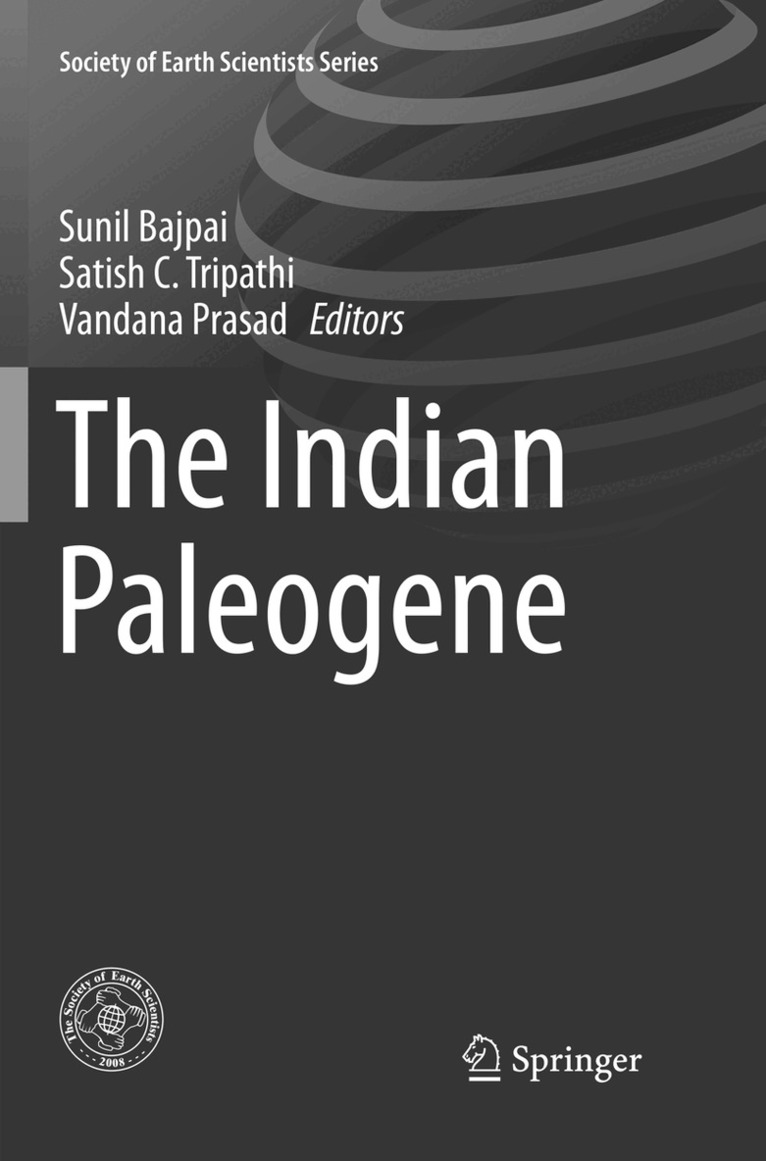
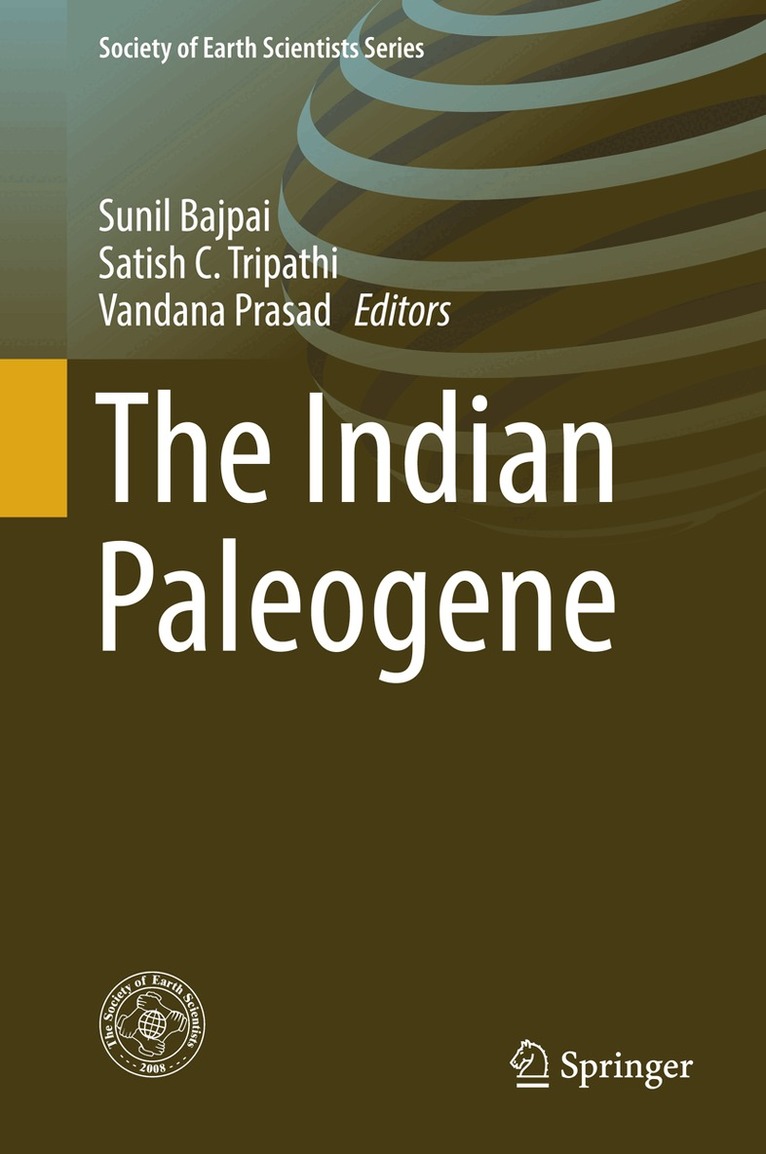
Indian Paleogene
Av Sunil Bajpai, Satish C. Tripathi m. fl.
Häftad, 2019
1538 kr
Lägg i varukorg
This unique book provides a concise account of Indian Paleogene and presents a unified view of the Paleogene sequences of India. The Paleogene, comprising the early part of the Cenozoic Era, was the most dynamic period in the Earth’s history with profound changes in the biosphere and geosphere. The …
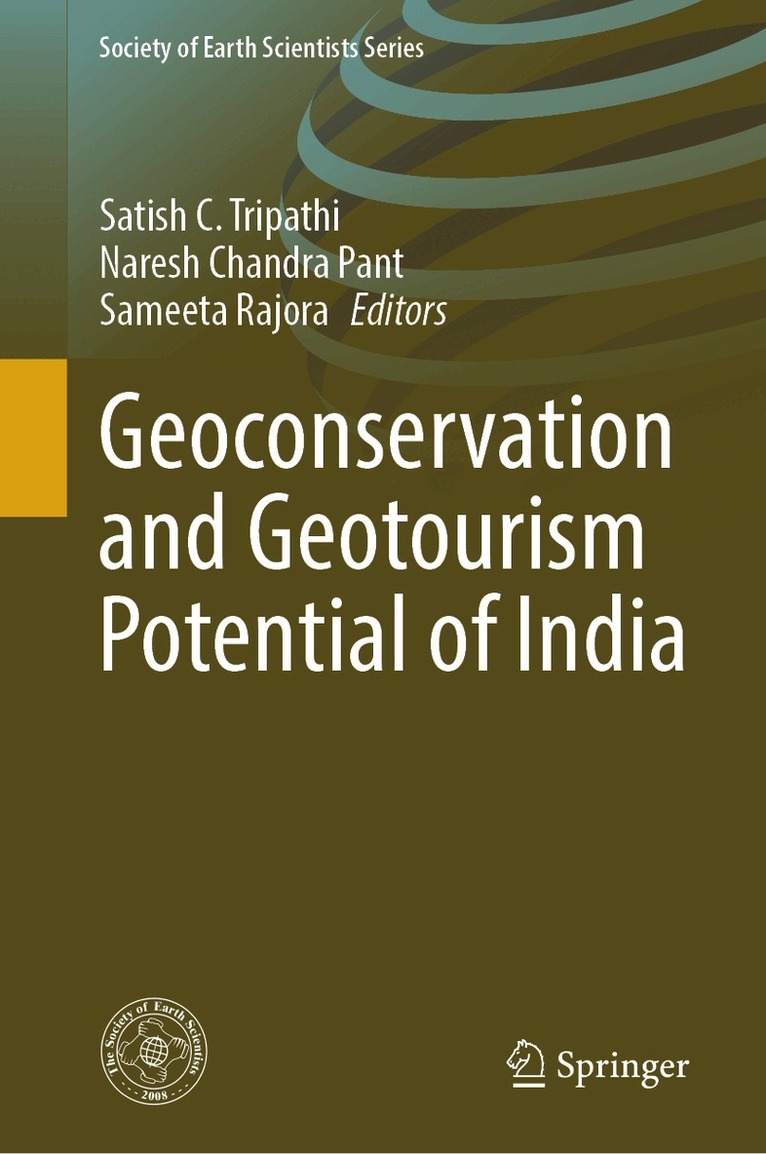
Geoconservation and Geotourism Potential of India
Av Satish C. Tripathi, Naresh Chandra Pant m. fl.
Inbunden, 2025
1701 kr
Lägg i varukorg
India is blessed with great geological diversity as it has recorded more than 3.5 billion year’s history of evolution of Earth, some of the sites/sections are unique to the globe. The recent discovery of youngest ‘Meghalayan age’ from a limestone cave of Meghalaya is internationally recognised. The …
Geoconservation and Geotourism Potential of India
Av Sameeta Rajora, Naresh Chandra Pant m. fl.
E-bok, 2025
2127 kr
Lägg i varukorg
India is blessed with great geological diversity as it has recorded more than 3.5 billion year’s history of evolution of Earth, some of the sites/sections are unique to the globe. The recent discovery of youngest ‘Meghalayan age’ from a limestone cave of Meghalaya is internationally recognised. The …
Geoconservation and Geotourism Potential of India
Av Satish C. Tripathi, Naresh Chandra Pant m. fl.
Häftad, 2026
1701 kr
Lägg i varukorg
India is blessed with great geological diversity as it has recorded more than 3.5 billion year’s history of evolution of Earth, some of the sites/sections are unique to the globe. The recent discovery of youngest ‘Meghalayan age’ from a limestone cave of Meghalaya is internationally recognised. The …
Indian Paleogene
Av Sunil Bajpai, Satish C. Tripathi m. fl.
Inbunden, 2018
1538 kr
Lägg i varukorg
This unique book provides a concise account of Indian Paleogene and presents a unified view of the Paleogene sequences of India. The Paleogene, comprising the early part of the Cenozoic Era, was the most dynamic period in the Earth’s history with profound changes in the biosphere and geosphere. The …
Indian Paleogene
Av Vandana Prasad, Satish C. Tripathi m. fl.
E-bok, 2018
1906 kr
Lägg i varukorg
This unique book provides a concise account of Indian Paleogene and presents a unified view of the Paleogene sequences of India. The Paleogene, comprising the early part of the Cenozoic Era, was the most dynamic period in the Earth’s history with profound changes in the biosphere and geosphere. The …
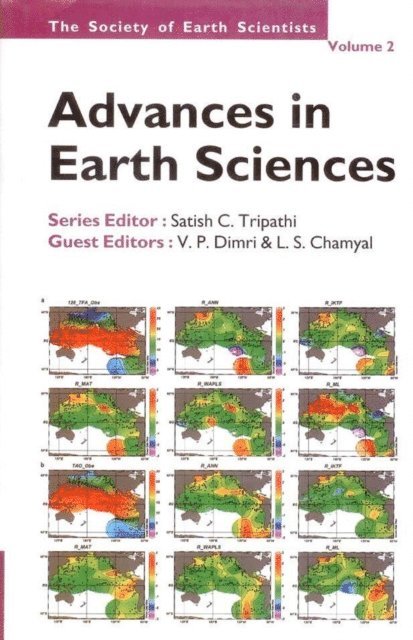
Advances in Earth Sciences
E-bok, 2011
2292 kr
Lägg i varukorg
The Advances in Earth Sciences is a multidisciplinary book series addressed to all the domains of earth sciences. It is an attempt to bring the researches in all the spheres of the Earth at a single platform to appraise earth scientists about the recent developments in various disciplines in order …