Scott Bradbury - Böcker
Visar alla böcker från författaren Scott Bradbury. Handla med fri frakt och snabb leverans.
4 produkter
4 produkter
2 019 kr
Skickas inom 5-8 vardagar
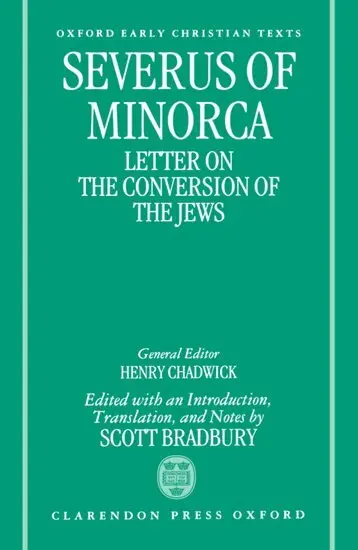
This book provides an edited text, introduction, and the first English translation of a central document in the history of religious coercion in late antiquity: Severus of Minorca's Letter on the Conversion of the Jews. The Letter describes the forced conversion of the Jews of Minorca to Christianity in AD 418, allegedly under the influence of St Stephen's relics. Although ostensibly a hagiographical work, the Letter is fundamentally an anti-Jewish document, and therein lies its interest for historians. It offers a fascinating perspective on Jewish-Christian relations in a Mediterranean town, and on the motives for religious intolerance in the unsettled ages of the Germanic invasions. In addition, its wealth of information about a diaspora Jewish community in the western empire makes it unique among the surviving sources.
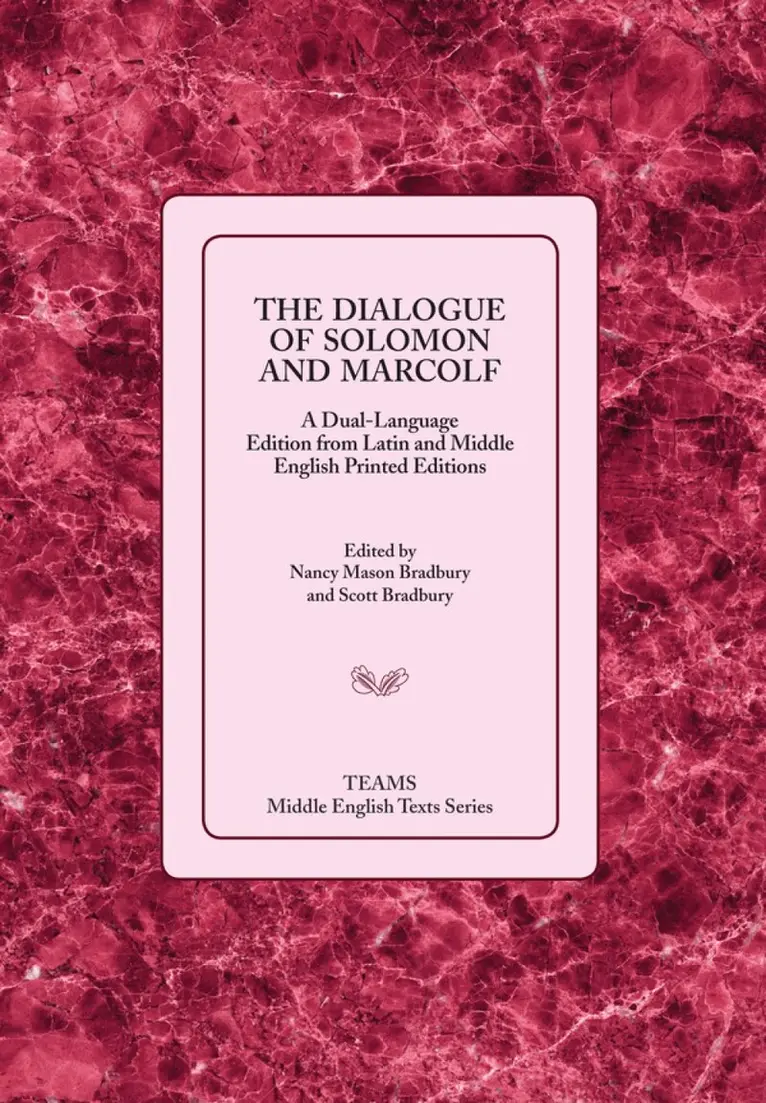
Dialogue of Solomon and Marcolf
A Dual-Language Edition from Latin and Middle English Printed Editions
Häftad, Engelska, 2012
194 kr
Skickas inom 5-8 vardagar
The Dialogue of Solomon and Marcolf (Dialogus Salomonis et Marcolfi) was a medieval literary bestseller; mentions of the poem begin as early as 1000 and are widespread by the thirteenth century, and various versions dated between 1410 and 1550 survive in some twenty-seven manuscripts, forty-nine early printed editions, and various translations into vernacular languages. Comprising five verbal contests incorporating distinct rhetorical forms and a variety of eclectic materials such as proverbs, riddles, and biblical wisdom literature, this lively and entertaining dialogue pits the wise Old Testament king Solomon, representing clerical authority, against the foulmouthed but quick-witted peasant Marcolf, representing commoners’ rustic wisdom, improvisational wit, and earthy, subversive humor. This edition juxtaposes two texts of the poem: a Latin version printed ca. 1488 and a Middle English translation printed in 1492, supplemented by extensive glosses, explanatory and textual notes, and exchanges omitted from the proverb contest by previous abridged printed versions.
Del 82 - Translated Texts for Historians
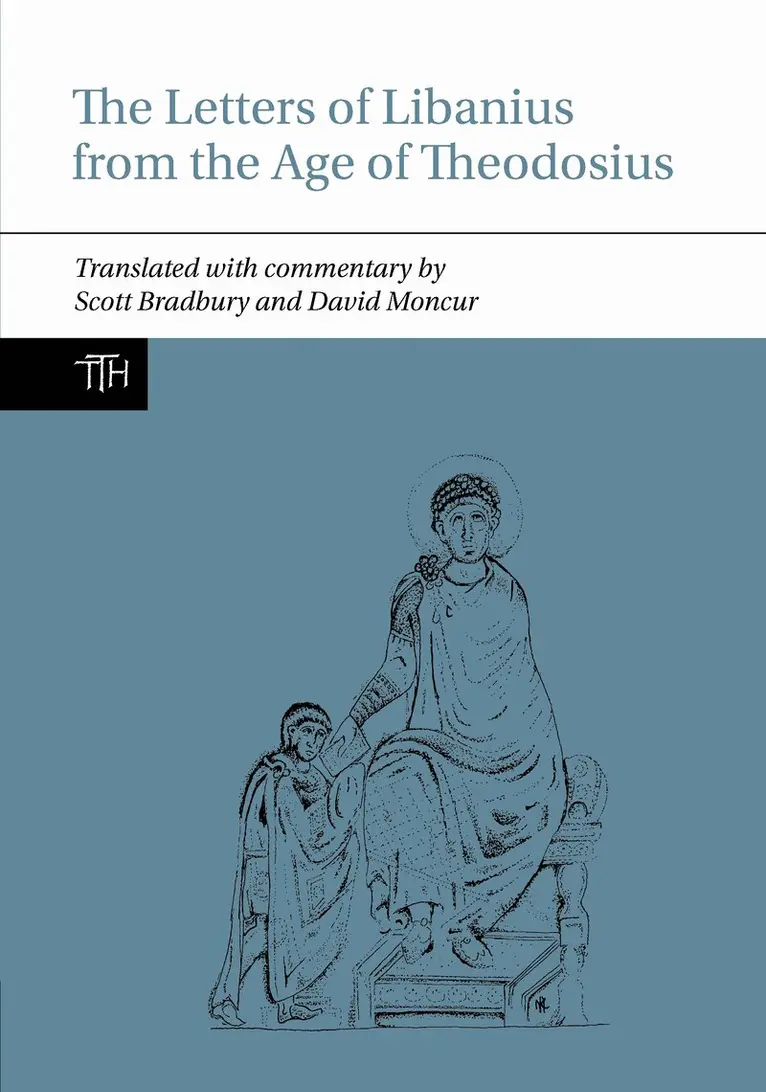
Letters of Libanius from the Age of Theodosius
Inbunden, Engelska, 2023
2 145 kr
Skickas inom 7-10 vardagar
Libanius ofAntioch (AD 314-93), teacher, rhetorician and eloquent exponent of Greekpaideia, was one of the most prolific letter writers of late antiquity withmore than 1500 surviving letters from an even greater total. This volumecontains the first English-language translation of all the letters writtenbetween 388 and 393, which provide insights both into his professional andpersonal circumstances and the changes taking place in the political, religiousand social environment of the late fourth century. The letters while fulfillingmany of the usual functions of late antique correspondence as vehicles increating or maintaining friendship networks, promoting relationships with menin power, supporting rhetoric and Hellenic learning and seeking favours forfriends, students and protégés, also reveal Libanius’ reaction to hiscircumstances at the end of his life – his waning influence as a teacher, thehostility directed towards him by factions in Antioch and in Constantinople,the loss of friends and loved ones, in particular his son, and his ill healthand impending mortality.
Del 82 - Translated Texts for Historians
Letters of Libanius from the Age of Theodosius
Häftad, Engelska, 2024
658 kr
Skickas inom 7-10 vardagar
Libanius ofAntioch (AD 314-93), teacher, rhetorician and eloquent exponent of Greekpaideia, was one of the most prolific letter writers of late antiquity withmore than 1500 surviving letters from an even greater total. This volumecontains the first English-language translation of all the letters writtenbetween 388 and 393, which provide insights both into his professional andpersonal circumstances and the changes taking place in the political, religiousand social environment of the late fourth century. The letters while fulfillingmany of the usual functions of late antique correspondence as vehicles increating or maintaining friendship networks, promoting relationships with menin power, supporting rhetoric and Hellenic learning and seeking favours forfriends, students and protégés, also reveal Libanius’ reaction to hiscircumstances at the end of his life – his waning influence as a teacher, thehostility directed towards him by factions in Antioch and in Constantinople,the loss of friends and loved ones, in particular his son, and his ill healthand impending mortality.