David Moncur - Böcker
Visar alla böcker från författaren David Moncur. Handla med fri frakt och snabb leverans.
2 produkter
2 produkter
Del 82 - Translated Texts for Historians
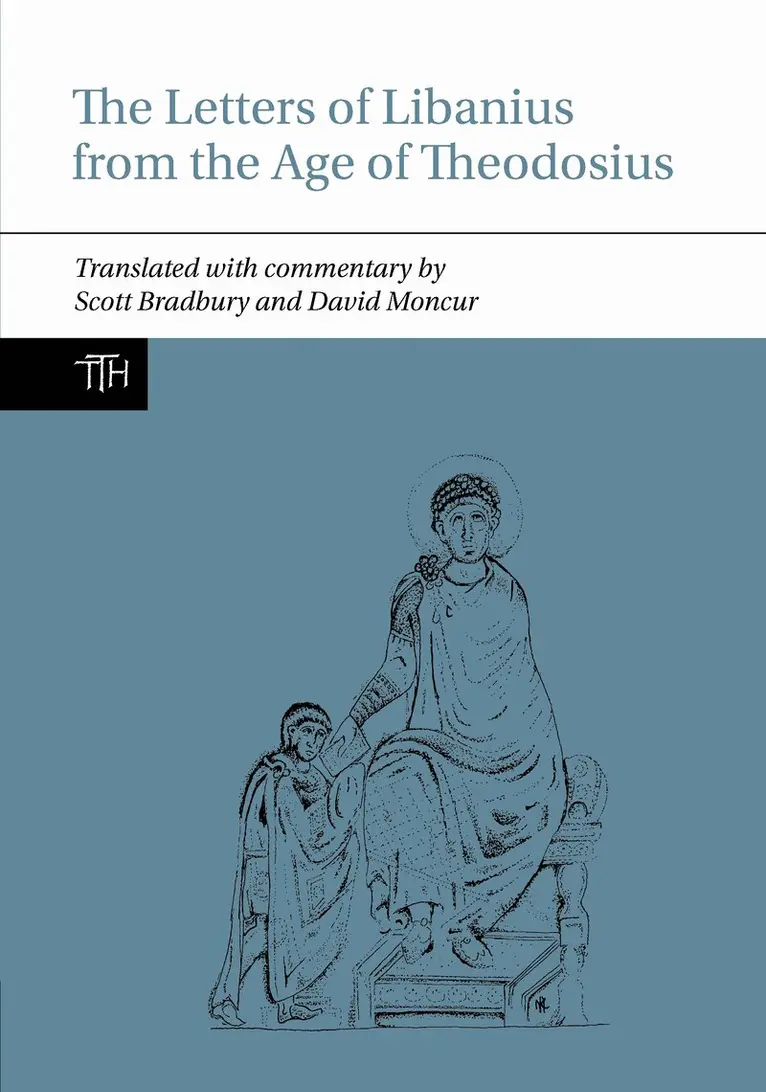
Letters of Libanius from the Age of Theodosius
Inbunden, Engelska, 2023
2 145 kr
Skickas inom 7-10 vardagar
Libanius ofAntioch (AD 314-93), teacher, rhetorician and eloquent exponent of Greekpaideia, was one of the most prolific letter writers of late antiquity withmore than 1500 surviving letters from an even greater total. This volumecontains the first English-language translation of all the letters writtenbetween 388 and 393, which provide insights both into his professional andpersonal circumstances and the changes taking place in the political, religiousand social environment of the late fourth century. The letters while fulfillingmany of the usual functions of late antique correspondence as vehicles increating or maintaining friendship networks, promoting relationships with menin power, supporting rhetoric and Hellenic learning and seeking favours forfriends, students and protégés, also reveal Libanius’ reaction to hiscircumstances at the end of his life – his waning influence as a teacher, thehostility directed towards him by factions in Antioch and in Constantinople,the loss of friends and loved ones, in particular his son, and his ill healthand impending mortality.
Del 82 - Translated Texts for Historians
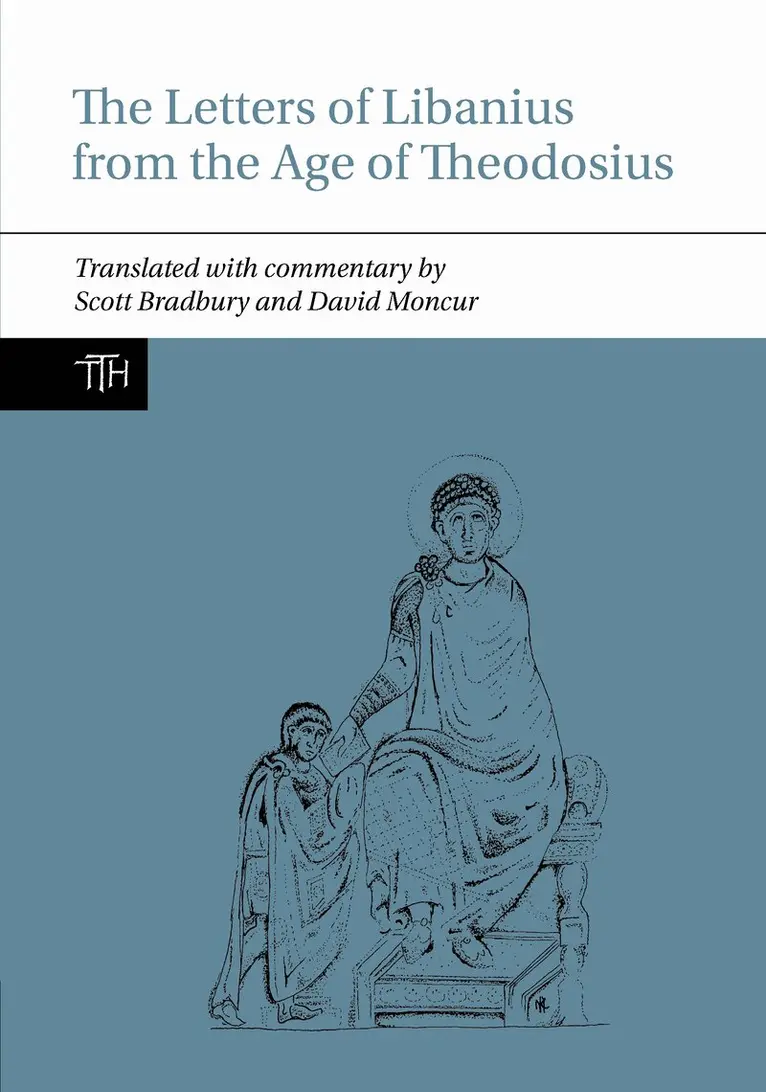
Letters of Libanius from the Age of Theodosius
Häftad, Engelska, 2024
658 kr
Skickas inom 7-10 vardagar
Libanius ofAntioch (AD 314-93), teacher, rhetorician and eloquent exponent of Greekpaideia, was one of the most prolific letter writers of late antiquity withmore than 1500 surviving letters from an even greater total. This volumecontains the first English-language translation of all the letters writtenbetween 388 and 393, which provide insights both into his professional andpersonal circumstances and the changes taking place in the political, religiousand social environment of the late fourth century. The letters while fulfillingmany of the usual functions of late antique correspondence as vehicles increating or maintaining friendship networks, promoting relationships with menin power, supporting rhetoric and Hellenic learning and seeking favours forfriends, students and protégés, also reveal Libanius’ reaction to hiscircumstances at the end of his life – his waning influence as a teacher, thehostility directed towards him by factions in Antioch and in Constantinople,the loss of friends and loved ones, in particular his son, and his ill healthand impending mortality.