Scott Laderman – författare
Visar alla böcker från författaren Scott Laderman. Handla med fri frakt och snabb leverans.
15 produkter
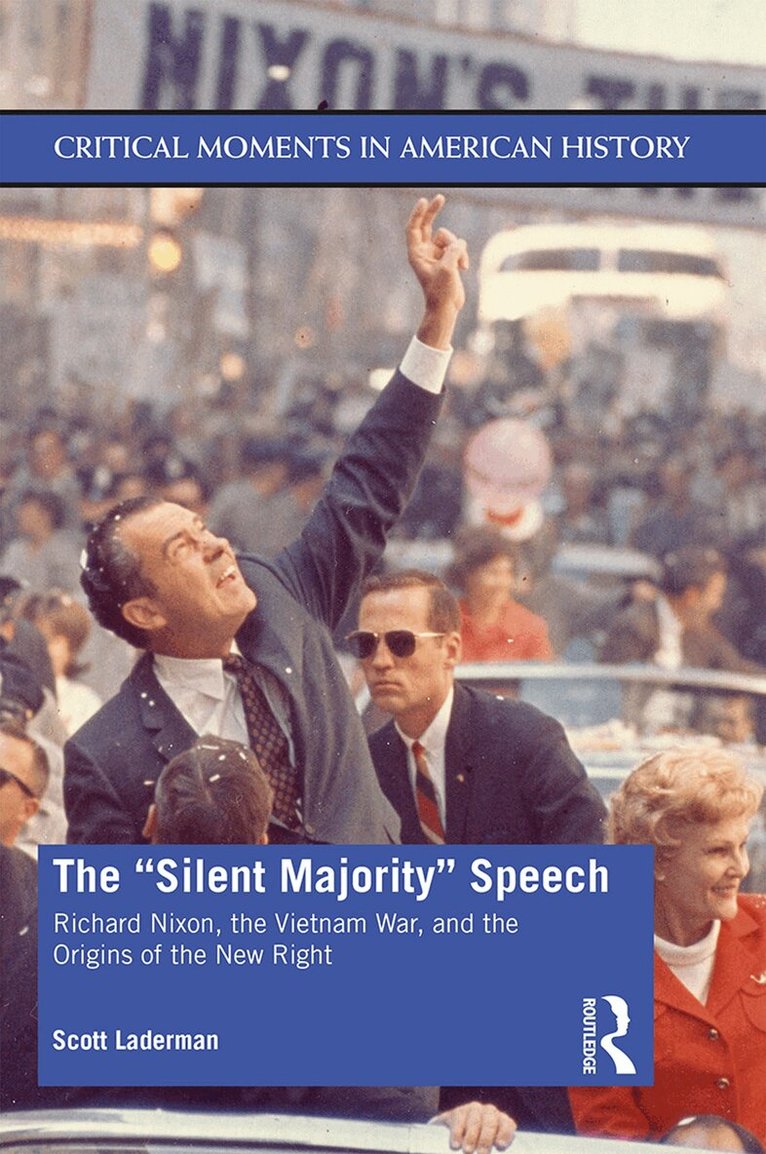
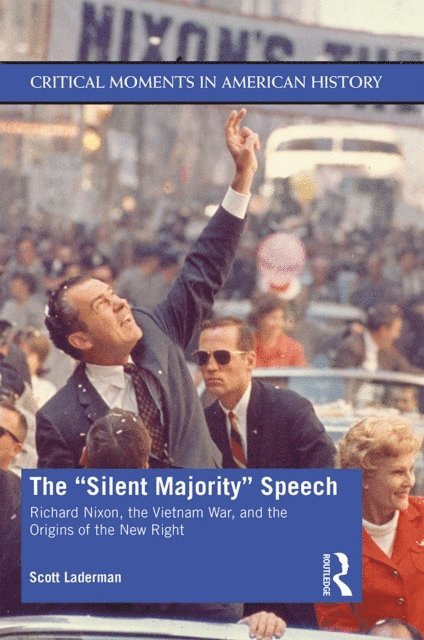
"Silent Majority" Speech
Richard Nixon, the Vietnam War, and the Origins of the New Right
Inbunden, 2019
2578 kr
Lägg i varukorg
The "Silent Majority" Speech treats Richard Nixon’s address of November 3, 1969, as a lens through which to examine the latter years of the Vietnam War and their significance to U.S. global power and American domestic life. The book uses Nixon’s speech – which introduced the policy of …
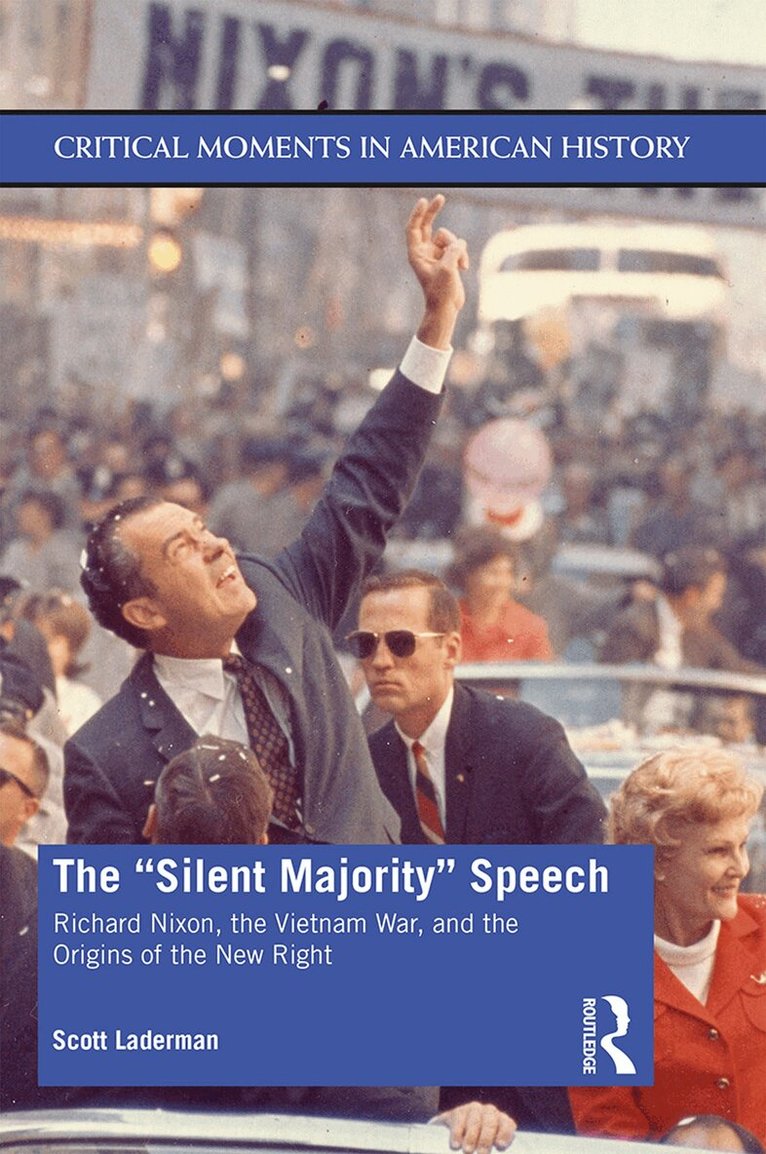
"Silent Majority" Speech
Richard Nixon, the Vietnam War, and the Origins of the New Right
Häftad, 2019
665 kr
Lägg i varukorg
The "Silent Majority" Speech treats Richard Nixon’s address of November 3, 1969, as a lens through which to examine the latter years of the Vietnam War and their significance to U.S. global power and American domestic life. The book uses Nixon’s speech – which introduced the policy of …
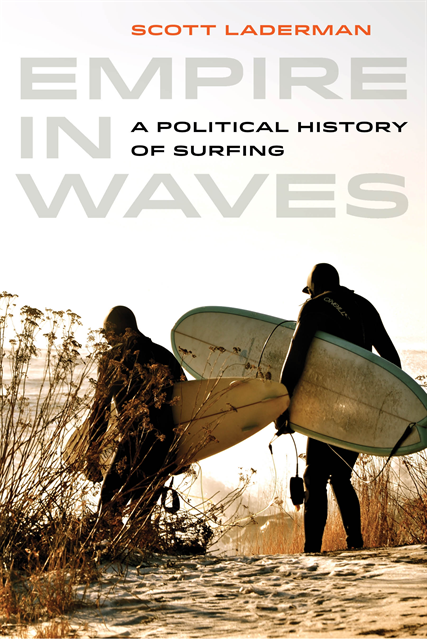
Empire in Waves
A Political History of Surfing
Inbunden, 2014
847 kr
Lägg i varukorg
Surfing today evokes many things: thundering waves, warm beaches, bikinis and lifeguards, and carefree pleasure. But is the story of surfing really as simple as popular culture suggests? In this first international political history of the sport, Scott Laderman shows that while wave riding is …
Empire in Waves
A Political History of Surfing
Häftad, 2014
246 kr
Lägg i varukorg
Surfing today evokes many things: thundering waves, warm beaches, bikinis and lifeguards, and carefree pleasure. But is the story of surfing really as simple as popular culture suggests? In this first international political history of the sport, Scott Laderman shows that while wave riding is …
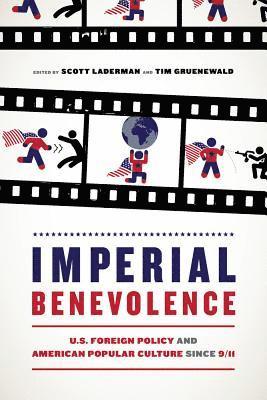
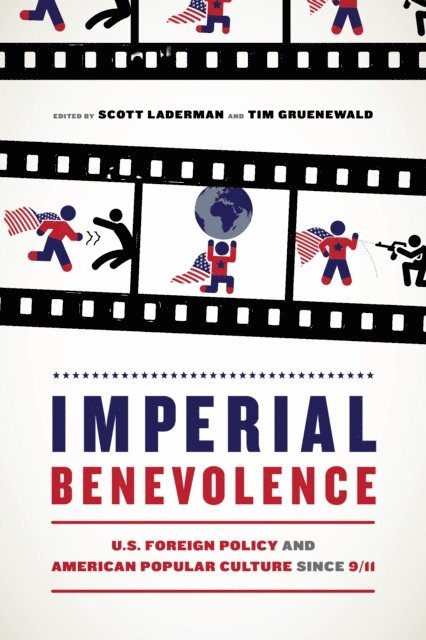
Imperial Benevolence
U.S. Foreign Policy and American Popular Culture since 9/11
Av Scott Laderman, Tim Gruenewald
Inbunden, 2018
1165 kr
Lägg i varukorg
This is a necessary and urgent read for anyone concerned about the United States' endless wars. Investigating multiple genres of popular culture alongside contemporary U.S. foreign policy and political economy, Imperial Benevolence shows that American popular culture continuously suppresses …
Imperial Benevolence
U.S. Foreign Policy and American Popular Culture since 9/11
Av Scott Laderman, Tim Gruenewald
Häftad, 2018
272 kr
Lägg i varukorg
This is a necessary and urgent read for anyone concerned about the United States' endless wars. Investigating multiple genres of popular culture alongside contemporary U.S. foreign policy and political economy, Imperial Benevolence shows that American popular culture continuously suppresses …
Empire in Waves
A Political History of Surfing
E-bok, 2014
411 kr
Lägg i varukorg
Surfing today evokes many things: thundering waves, warm beaches, bikinis and lifeguards, and carefree pleasure. But is the story of surfing really as simple as popular culture suggests? In this first international political history of the sport, Scott Laderman shows that while wave riding is …
Imperial Benevolence
U.S. Foreign Policy and American Popular Culture since 9/11
E-bok, 2018
446 kr
Lägg i varukorg
This is a necessary and urgent read for anyone concerned about the United States' endless wars. Investigating multiple genres of popular culture alongside contemporary U.S. foreign policy and political economy, Imperial Benevolence shows that American popular culture continuously suppresses …
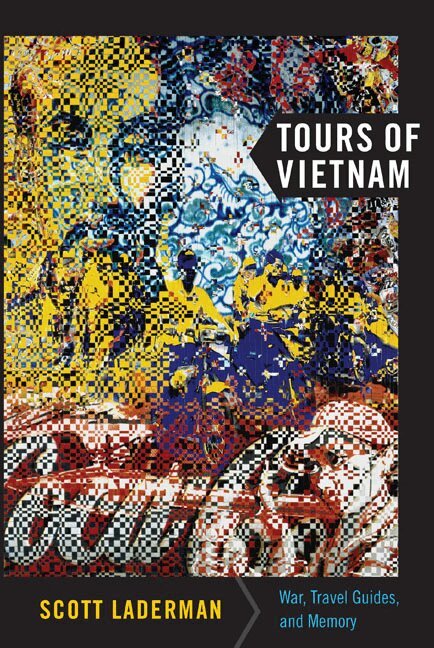
Tours of Vietnam
War, Travel Guides, and Memory
Häftad, 2009
396 kr
Lägg i varukorg
In Tours of Vietnam, Scott Laderman demonstrates how tourist literature has shaped Americans’ understanding of Vietnam and projections of United States power since the mid-twentieth century. Laderman analyzes portrayals of Vietnam’s land, history, culture, economy, and people in travel narratives, …
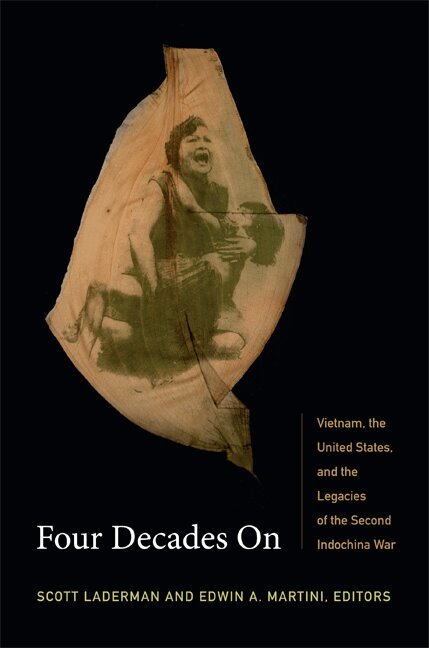
Four Decades on
Vietnam, the United States, and the Legacies of the Second Indochina War
Av Scott Laderman, Edwin A. Martini
Inbunden, 2013
1621 kr
Lägg i varukorg
In Four Decades On, historians, anthropologists, and literary critics examine the legacies of the Second Indochina War, or what most Americans call the Vietnam War, nearly forty years after the United States finally left Vietnam. They address matters such as the daunting tasks facing the Vietnamese …
Four Decades on
Vietnam, the United States, and the Legacies of the Second Indochina War
Av Scott Laderman, Edwin A. Martini
Häftad, 2013
396 kr
Lägg i varukorg
In Four Decades On, historians, anthropologists, and literary critics examine the legacies of the Second Indochina War, or what most Americans call the Vietnam War, nearly forty years after the United States finally left Vietnam. They address matters such as the daunting tasks facing the Vietnamese …
Four Decades On
Vietnam, the United States, and the Legacies of the Second Indochina War
Av Edwin A. Martini, Scott Laderman
E-bok, 2013
587 kr
Lägg i varukorg
In Four Decades On , historians, anthropologists, and literary critics examine the legacies of the Second Indochina War, or what most Americans call the Vietnam War, nearly forty years after the United States finally left Vietnam. They address matters such as the daunting tasks facing the …
Tours of Vietnam
War, Travel Guides, and Memory
E-bok, 2009
587 kr
Lägg i varukorg
In Tours of Vietnam , Scott Laderman demonstrates how tourist literature has shaped Americans’ understanding of Vietnam and projections of United States power since the mid-twentieth century. Laderman analyzes portrayals of Vietnam’s land, history, culture, economy, and people in travel narratives, …
"e;Silent Majority"e; Speech
Richard Nixon, the Vietnam War, and the Origins of the New Right
E-bok, 2019
762 kr
Lägg i varukorg
The "Silent Majority" Speech treats Richard Nixon’s address of November 3, 1969, as a lens through which to examine the latter years of the Vietnam War and their significance to U.S. global power and American domestic life. The book uses Nixon’s speech – which introduced the policy of …
"e;Silent Majority"e; Speech
Richard Nixon, the Vietnam War, and the Origins of the New Right
E-bok, 2019
785 kr
Lägg i varukorg
The "Silent Majority" Speech treats Richard Nixon’s address of November 3, 1969, as a lens through which to examine the latter years of the Vietnam War and their significance to U.S. global power and American domestic life. The book uses Nixon’s speech – which introduced the policy of …