Tim Gruenewald - Böcker
Visar alla böcker från författaren Tim Gruenewald. Handla med fri frakt och snabb leverans.
3 produkter
3 produkter
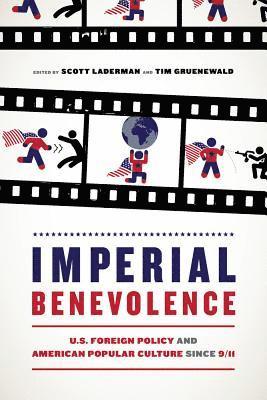
Imperial Benevolence
U.S. Foreign Policy and American Popular Culture since 9/11
Inbunden, Engelska, 2018
1 513 kr
Skickas inom 3-6 vardagar
This is a necessary and urgent read for anyone concerned about the United States' endless wars. Investigating multiple genres of popular culture alongside contemporary U.S. foreign policy and political economy, Imperial Benevolence shows that American popular culture continuously suppresses awareness of U.S. imperialism while assuming American exceptionalism and innocence. This is despite the fact that it is rarely a product of the state. Expertly coordinated essays by prominent historians and media scholars address the ways that movies and television series such as Zero Dark Thirty, The Avengers, and even The Walking Dead, as well as video games such as Call of Duty: Black Ops, have largely presented the United States as a global force for good. Popular culture, with few exceptions, has depicted the U.S. as a reluctant hegemon fiercely defending human rights and protecting or expanding democracy from the barbarians determined to destroy it.
Imperial Benevolence
U.S. Foreign Policy and American Popular Culture since 9/11
Häftad, Engelska, 2018
250 kr
Skickas inom 7-10 vardagar
This is a necessary and urgent read for anyone concerned about the United States' endless wars. Investigating multiple genres of popular culture alongside contemporary U.S. foreign policy and political economy, Imperial Benevolence shows that American popular culture continuously suppresses awareness of U.S. imperialism while assuming American exceptionalism and innocence. This is despite the fact that it is rarely a product of the state. Expertly coordinated essays by prominent historians and media scholars address the ways that movies and television series such as Zero Dark Thirty, The Avengers, and even The Walking Dead, as well as video games such as Call of Duty: Black Ops, have largely presented the United States as a global force for good. Popular culture, with few exceptions, has depicted the U.S. as a reluctant hegemon fiercely defending human rights and protecting or expanding democracy from the barbarians determined to destroy it.
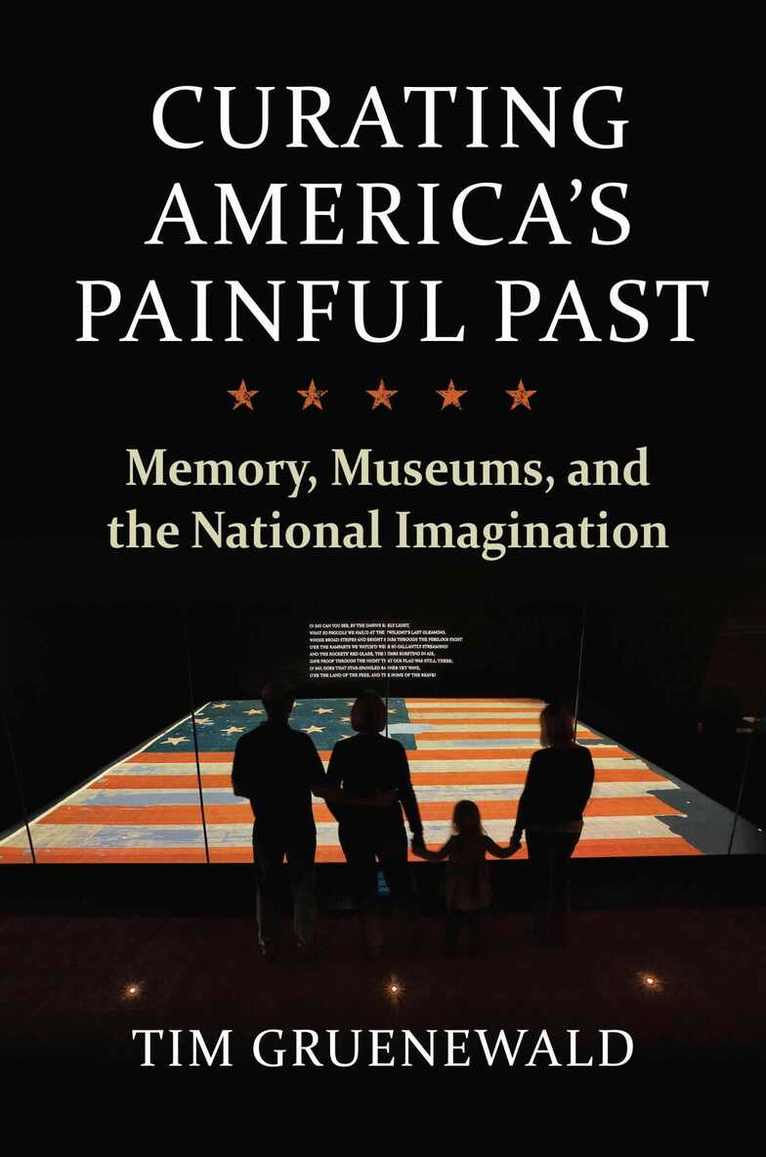
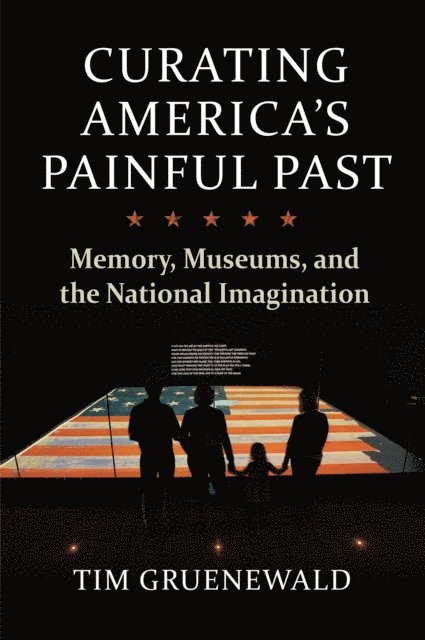
Curating America's Painful Past
Memory, Museums, and the National Imagination
Inbunden, Engelska, 2021
441 kr
Skickas inom 7-10 vardagar
During the global BlackLivesMatter protests of 2020, many called upon the United States to finally face its painful past. Tim Gruenewald’s new book is an in-depth investigation of how that past is currently remembered at the national museums in Washington, DC. Curating America’s Painful Past reveals how the tragic past is either minimized or framed in a way that does not threaten dominant national ideologies. Gruenewald analyzes the National Museum of American History (NMAH), the United States Holocaust Memorial Museum (USHMM), the National Museum of African American History and Culture (NMAAHC), and the National Museum of the American Indian (NMAI).The NMAH, the nation’s most popular history museum, serves as the benchmark for the imagination of US history and identity. The USHMM opened in 1993 as the United States’ official Holocaust memorial and stands adjacent to the National Mall. Gruenewald makes a persuasive case that the USHMM established a successful blueprint for narrating horrific and traumatic histories. Curating America’s Painful Past contrasts these two museums to ask why America’s painful memories were largely absent from the memorial landscape of the National Mall and argues that social injustices in the present cannot be addressed until the nation’s painful past is fully acknowledged and remembered.It was only with the opening of the NMAAHC in 2016 that a detailed account of atrocities committed against African Americans appeared on the National Mall. Gruenewald focuses on the museum’s narrative structure in the context of national discourse to provide a critical reading of the museum. When the NMAI opened in 2004, it presented for the first time a detailed history from a Native American perspective that sought to undo conventional museum narratives. However, criticism led to more traditional exhibitions and national focus. Nevertheless, the museum still marginalizes memories of the vast numbers of Indigenous victims to European colonization and to US expansion. In a final chapter, Gruenewald offers a thought experiment, imagining a memory site like the recently opened National Memorial for Peace and Justice (Montgomery, Alabama) situated on the National Mall so the reader can assess how profound an effect projects of national memory can have on facing the past as a matter of present justice.