Séan Hemingway – författare
Visar alla böcker från författaren Séan Hemingway. Handla med fri frakt och snabb leverans.
9 produkter
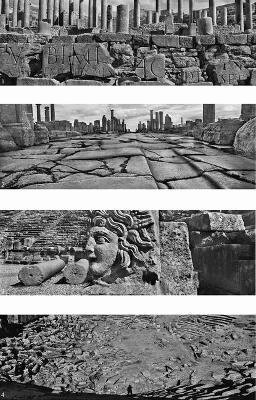
Josef Koudelka - NOW
Greek and Roman Ruins in the Mediterranean 1971-2018
Av Séan Hemingway, Gilles A. Tiberghien
Inbunden, 2027
703 kr
Kommande
A new edition of Josef Koudelka’s acclaimed photographs of Greek and Roman ruins in the Mediterranean“The monumental fragments of the past recorded by Josef Koudelka through his singular vision give us a sense of the physical accomplishments of classical antiquity. As Koudelka has observed, ruins …
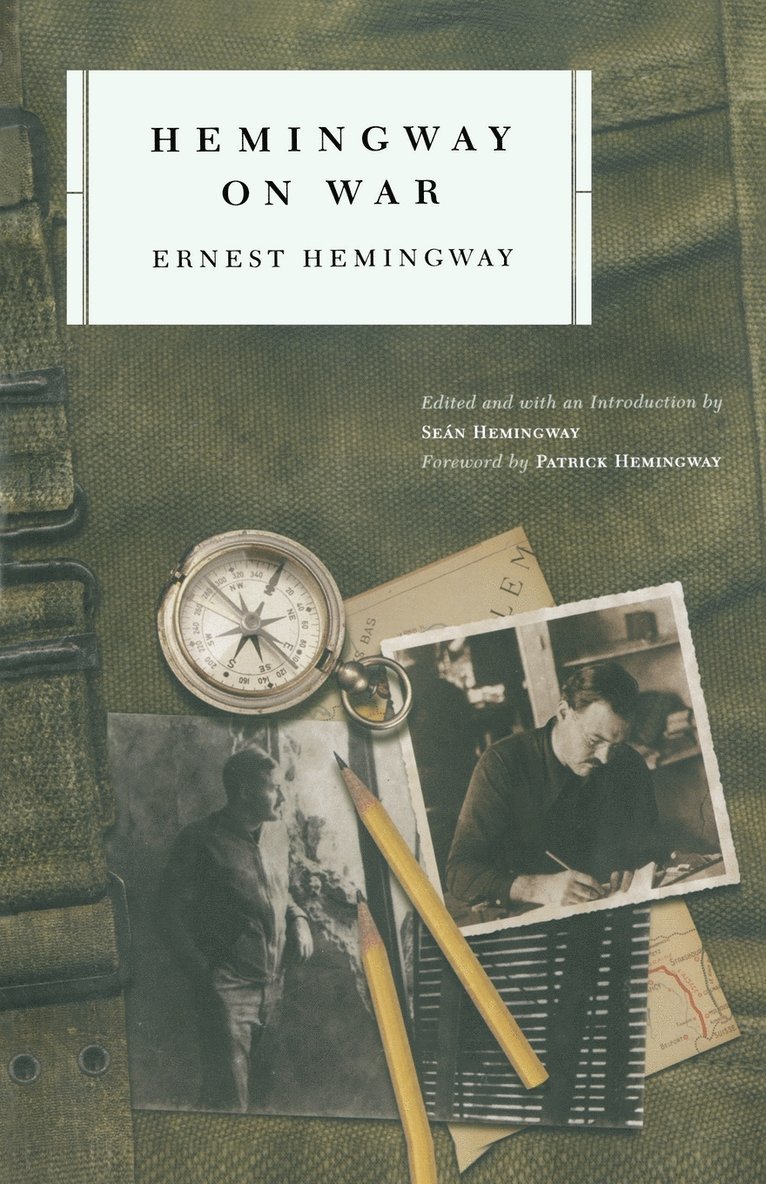
Hemingway on War
Av Ernest Hemingway, Sean Hemingway
Häftad, 2004
352 kr
Lägg i varukorg
Ernest Hemingway’s most important writings on war—perhaps the author’s greatest subject—are brought together in a single volume, introduced and edited by his grandson, Seán Hemingway, with a foreword by his son, Patrick Hemingway. Ernest Hemingway witnessed many of the seminal conflicts of the …
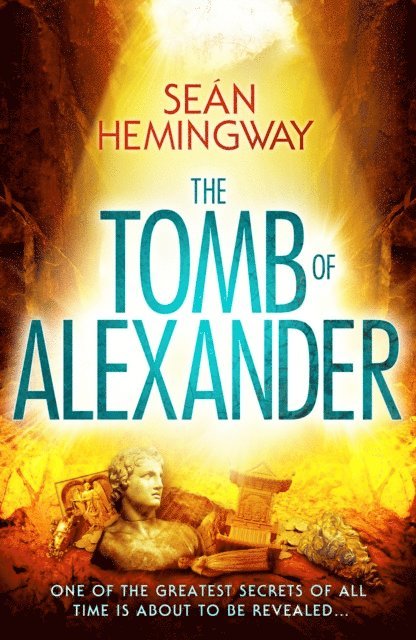
Tomb of Alexander
E-bok, 2012
102 kr
Lägg i varukorg
Sought after for generations. Venerated by the great and the good. Hidden from all mankind. Alexander was one of the greatest leaders of all time. After he died, his tomb was the most renowned and respected shrine in the Roman Empire, the object of veneration by great emperors and leaders the world …
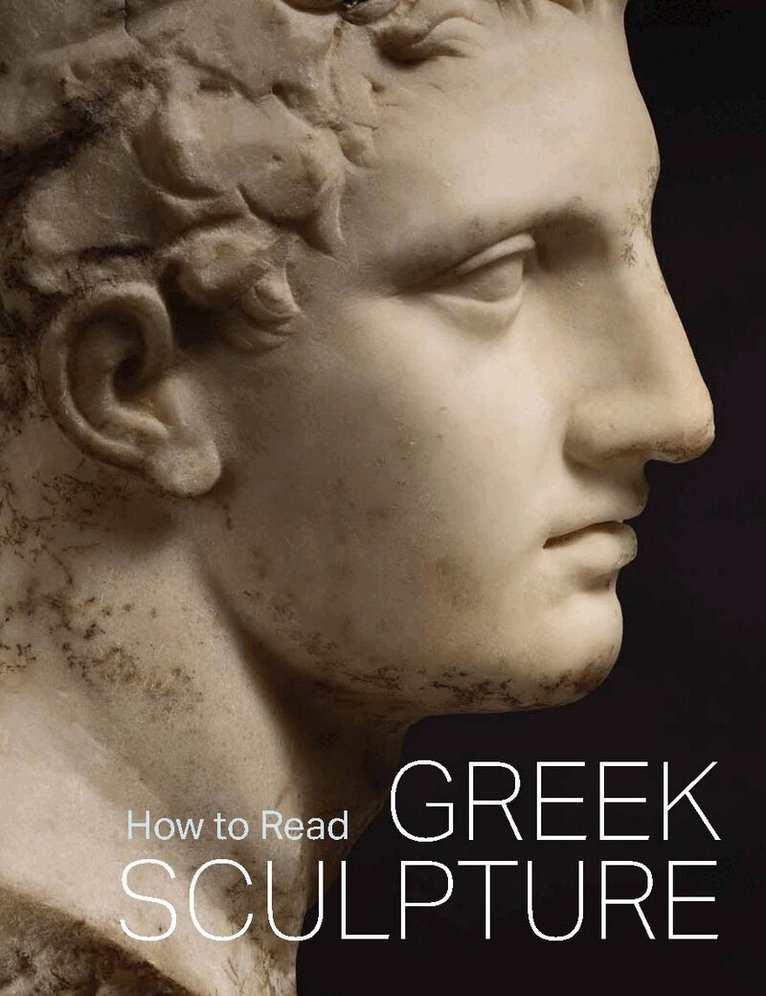
How to Read Greek Sculpture
Häftad, 2021
250 kr
Lägg i varukorg
Featuring decorative, religious, and utilitarian objects from the Geometric period to the Hellenistic Age, this is the ideal introduction to Greek sculptureIntroducing eight centuries of Greek sculpture, this latest addition to The Met’s compelling and widely acclaimed How to Read series traces …
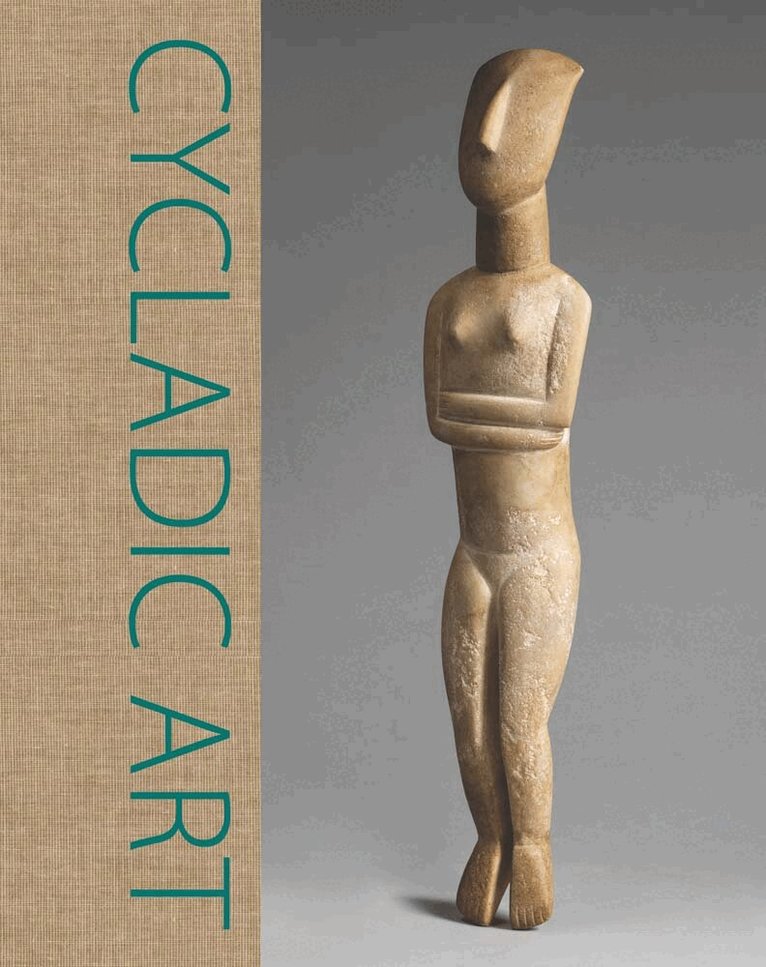
Cycladic Art
Av Seán Hemingway, Seán Hemingway
Inbunden, 2026
615 kr
Lägg i varukorg
A comprehensive collection of early Cycladic antiquities presented through an unprecedented partnership between Greece and The Metropolitan Museum of ArtCreated more than four millennia ago in an archipelago in the Aegean Sea, the sculptures of the ancient Cyclades are among the most arresting …
Across Wine-Dark Seas
Art and Identity Beyond Ancient Greece
Av Seán Hemingway, Alexis Belis m. fl.
Inbunden, 2027
615 kr
Kommande
A focused study of the unprecedented creativity in Greek art before the Classical age, during a period of travel and cultural exchange in the Mediterranean and beyondClassical Greek art is widely celebrated and recognized, but the exceedingly skillful and creative work made before this period is …
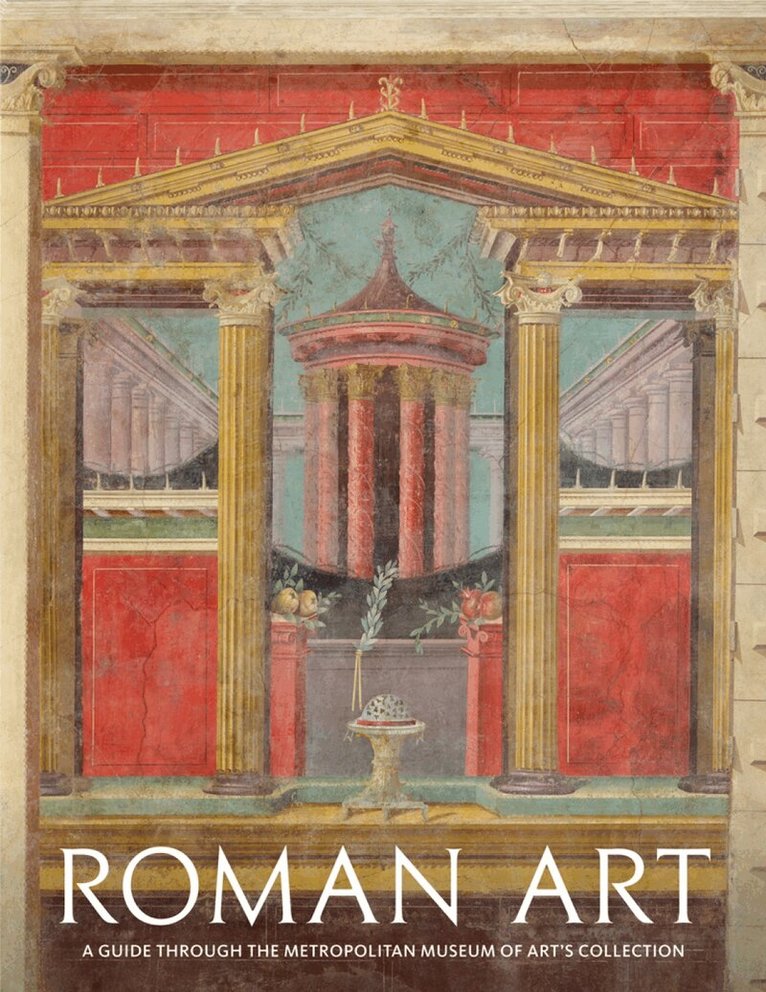
Roman Art: A Guide through The Metropolitan Museum of Art's Collection
Av Paul Zanker, Seán Hemingway m. fl.
Häftad, 2020
478 kr
Tillfälligt slut
The collection of Roman art at The Metropolitan Museum of Art is one of the finest in the world. It contains more than 5,000 objects, including exquisite cameos, refined silver vessels and utensils, spectacular Pompeiian frescoes, monumental sculptures in stone and bronze and elaborate sarcophagi. …
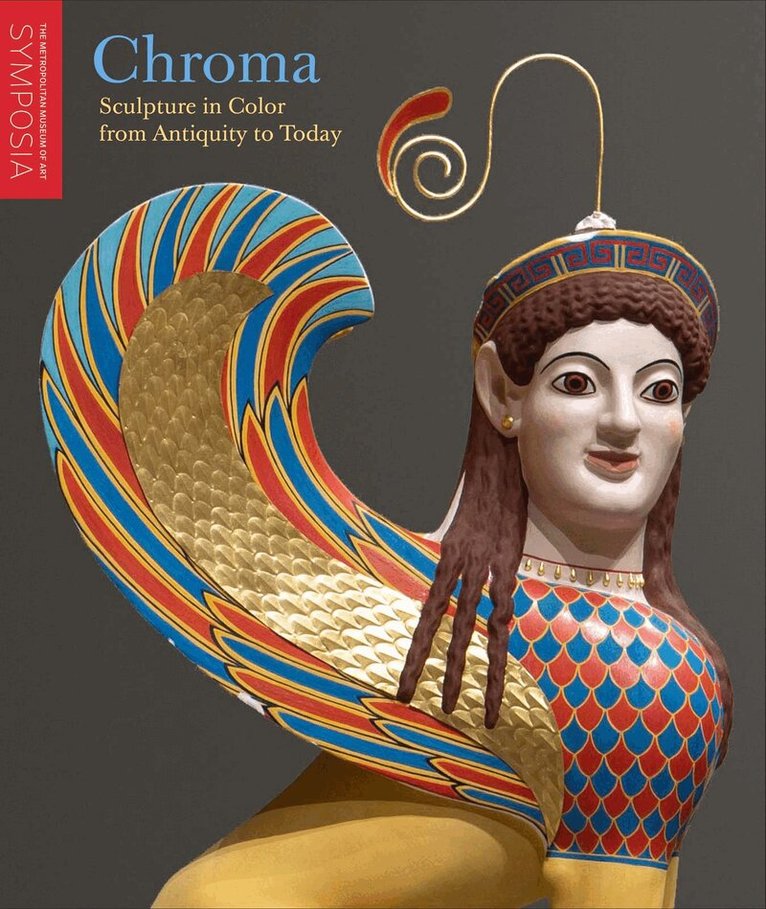
Chroma
Sculpture in Color from Antiquity to Today
Av Seán Hemingway, Sarah Lepinski m. fl.
Häftad, 2025
468 kr
Tillfälligt slut
New discoveries of surviving color on sculpture spanning two millennia and across the globe, from ancient Greece to Tenochtitlán to Renaissance Europe Many ancient and early modern works that are viewed in monochrome today were once painted in vibrant colors. Lost to time until recently, the …