Seong Jae Min - Böcker
Visar alla böcker från författaren Seong Jae Min. Handla med fri frakt och snabb leverans.
5 produkter
5 produkter
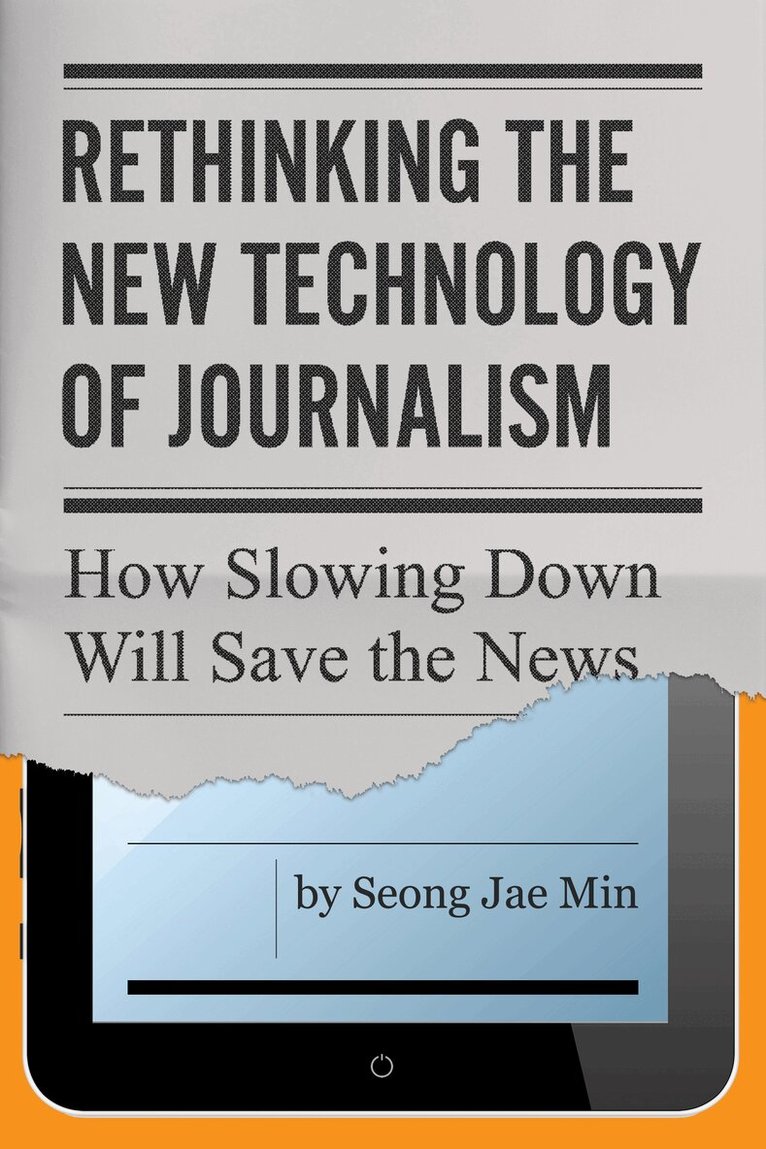
Rethinking the New Technology of Journalism
How Slowing Down Will Save the News
Inbunden, Engelska, 2022
1 139 kr
Skickas inom 7-10 vardagar
News organizations have always sought to deliver information faster and to larger audiences. But when clicks drive journalism, the result is often simplistic, sensational, and error-ridden reporting. In this book, Seong Jae Min argues in favor of “slow journalism,” a growing movement that aims to produce more considered, deliberate reporting that better serves the interests of democracy.Min explores the role of technology in journalism from the printing press to artificial intelligence, documenting the hype and hope associated with each new breakthrough as well as the sometimes disappointing—and even damaging—unintended consequences. His analysis cuts through the discussion of clickbait headlines and social-media clout chasing to identify technological bells and whistles as the core problem with journalism today. At its heart, Min maintains, traditional shoe-leather reporting—knocking on doors, talking to people, careful observation and analysis—is still the best way for journalism to serve its civic purpose. Thoughtful and engaging, Rethinking the New Technology of Journalism is a compelling call for news gathering to return to its roots. Reporters, those studying and teaching journalism, and avid consumers of the media will be interested in this book.
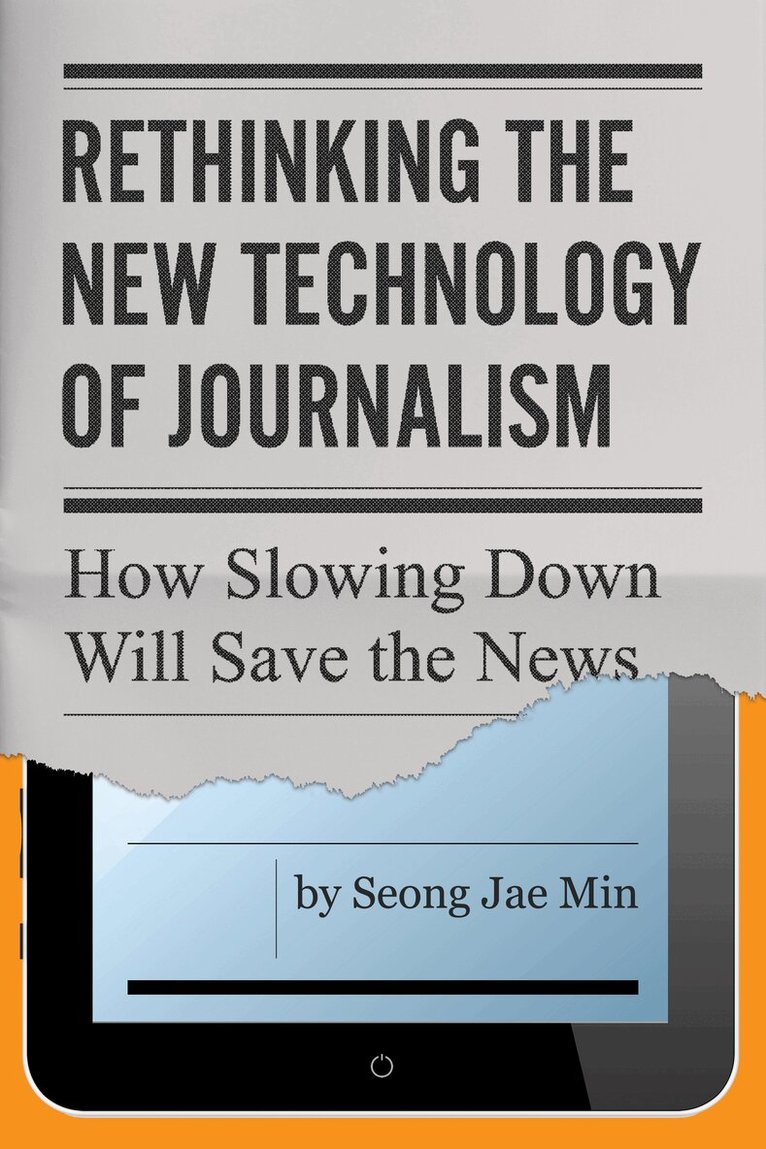
Rethinking the New Technology of Journalism
How Slowing Down Will Save the News
Häftad, Engelska, 2022
255 kr
Skickas inom 7-10 vardagar
News organizations have always sought to deliver information faster and to larger audiences. But when clicks drive journalism, the result is often simplistic, sensational, and error-ridden reporting. In this book, Seong Jae Min argues in favor of “slow journalism,” a growing movement that aims to produce more considered, deliberate reporting that better serves the interests of democracy.Min explores the role of technology in journalism from the printing press to artificial intelligence, documenting the hype and hope associated with each new breakthrough as well as the sometimes disappointing—and even damaging—unintended consequences. His analysis cuts through the discussion of clickbait headlines and social-media clout chasing to identify technological bells and whistles as the core problem with journalism today. At its heart, Min maintains, traditional shoe-leather reporting—knocking on doors, talking to people, careful observation and analysis—is still the best way for journalism to serve its civic purpose. Thoughtful and engaging, Rethinking the New Technology of Journalism is a compelling call for news gathering to return to its roots. Reporters, those studying and teaching journalism, and avid consumers of the media will be interested in this book.
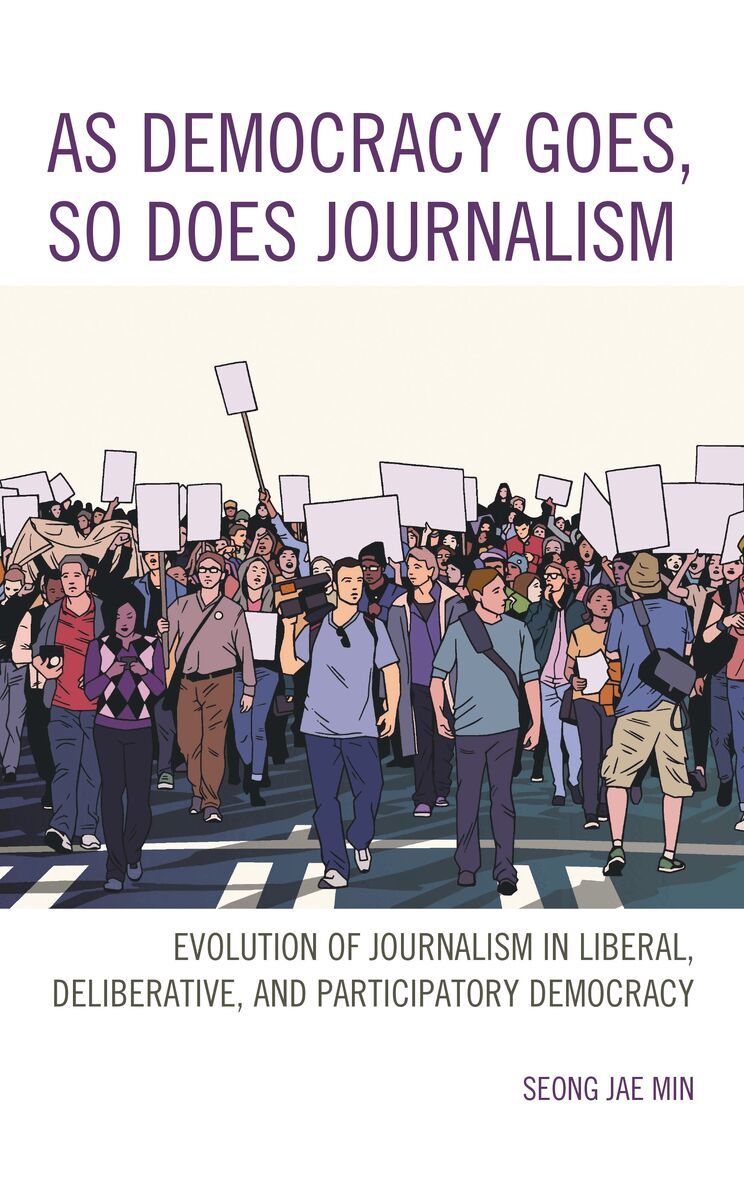
As Democracy Goes, So Does Journalism
Evolution of Journalism in Liberal, Deliberative, and Participatory Democracy
Häftad, Engelska, 2019
501 kr
Skickas inom 10-15 vardagar
As Democracy Goes, So Does Journalism: Evolution of Journalism in Liberal, Deliberative, and Participatory Democracy explores the symbiotic relationship between democracy and journalism in an engaging historical narrative. From a liberal to a deliberative and to a participatory model, theories and practices of democracy are constantly looking for better governance. How is journalism evolving to match the vibrant changes in its democratic counterpart? This book suggests that the dominant trustee model of journalism that flourished in liberal democracy has waned; the civic-minded public journalism in deliberative democracy has had ups and downs; and the free-wheeling citizen journalism in participatory democracy is now under the spotlight, whether for its brilliance or ill repute. This book attempts to answer the vital questions facing journalism today, namely its identities, functions, and relationship to democracy and the good life. Scholars and students of journalism as well as the public interested in the past, present, and future of journalism will find this book valuable.
334 kr
Skickas inom 7-10 vardagar
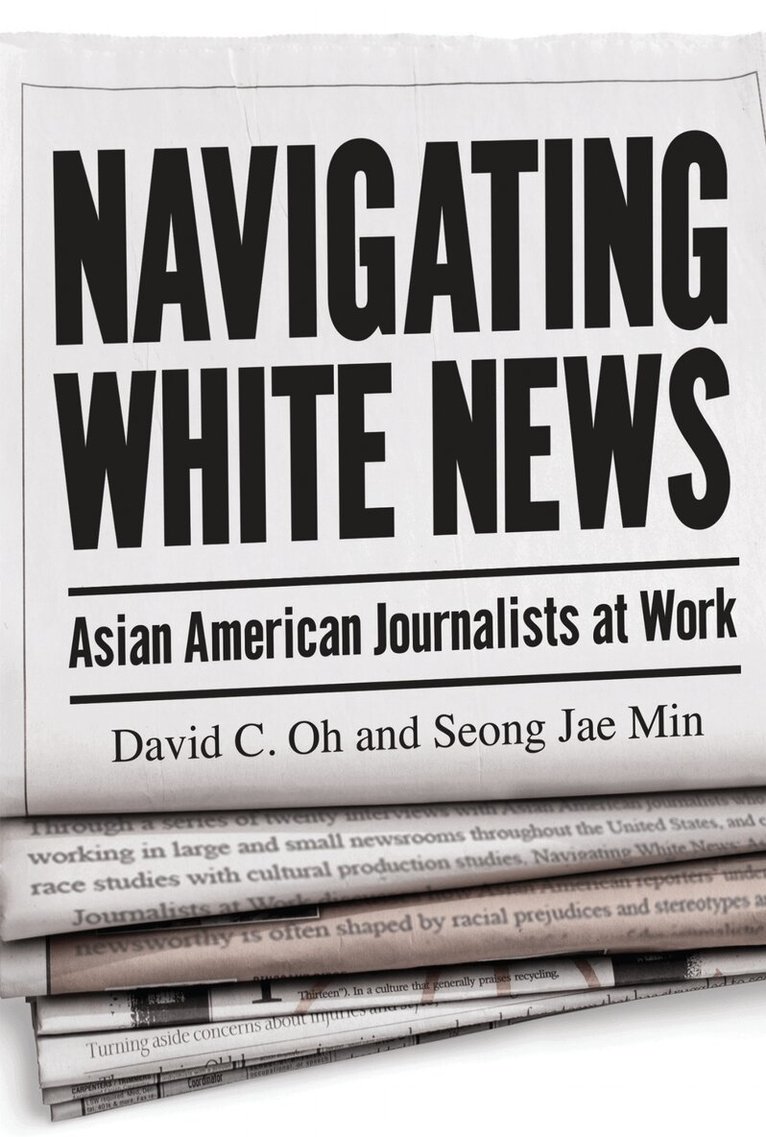
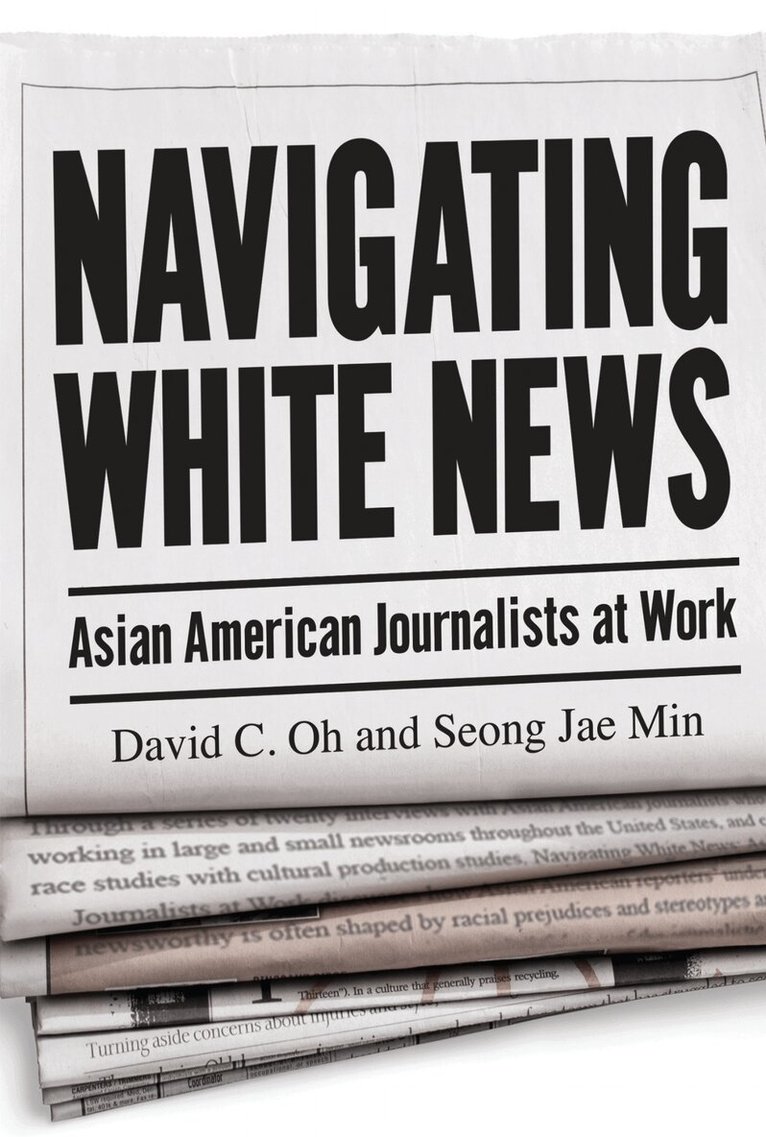
Combining critical race studies with cultural production studies, Navigating White News: Asian American Journalists at Work is the only academic book to examine the ways that racial identification and activation matters in their understanding of news. This adds to the existing literature on race and the sociology of news by examining intra-racial differences in the ways they navigate and understand White newsrooms. Employing in-depth interviews with twenty Asian American journalists who are actively working in large and small newsrooms across the United States, Navigating White News: Asian American Journalists at Work argues that Asian American reporters for whom racial identities are important questioned what counted as news, questioned the implicitly White perspective of objectivity, and actively worked toward providing more complex, substantive coverage of Asian American communities. For Asian American reporters for whom racial identity was not meaningful, they were more invested in existing professional norms. Regardless, all journalists understood that news is a predominantly and culturally White institution.
1 579 kr
Skickas inom 7-10 vardagar
Combining critical race studies with cultural production studies, Navigating White News: Asian American Journalists at Work is the only academic book to examine the ways that racial identification and activation matters in their understanding of news. This adds to the existing literature on race and the sociology of news by examining intra-racial differences in the ways they navigate and understand White newsrooms. Employing in-depth interviews with twenty Asian American journalists who are actively working in large and small newsrooms across the United States, Navigating White News: Asian American Journalists at Work argues that Asian American reporters for whom racial identities are important questioned what counted as news, questioned the implicitly White perspective of objectivity, and actively worked toward providing more complex, substantive coverage of Asian American communities. For Asian American reporters for whom racial identity was not meaningful, they were more invested in existing professional norms. Regardless, all journalists understood that news is a predominantly and culturally White institution.