Sergio Escalera – författare
Visar alla böcker från författaren Sergio Escalera. Handla med fri frakt och snabb leverans.
23 produkter
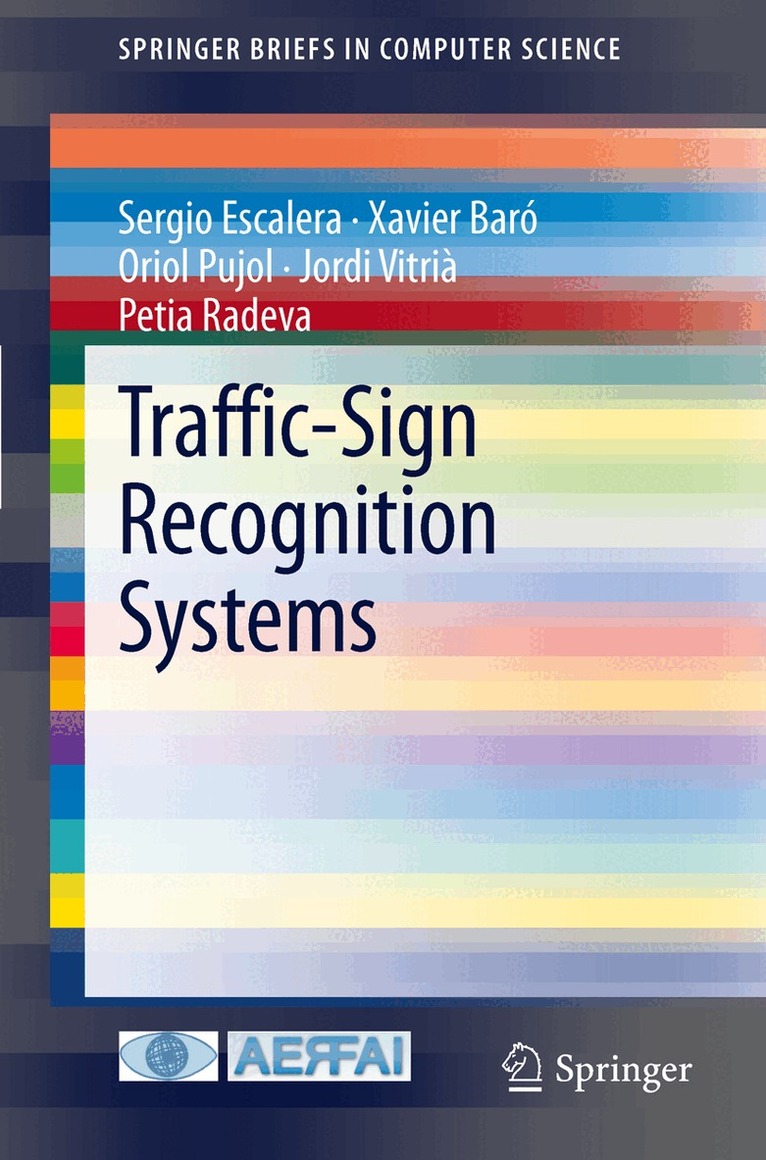
Traffic-Sign Recognition Systems
Av Sergio Escalera, Xavier Baró m. fl.
Häftad, 2011
568 kr
Lägg i varukorg
This work presents a full generic approach to the detection and recognition of traffic signs. The approach is based on the latest computer vision methods for object detection, and on powerful methods for multiclass classification. The challenge was to robustly detect a set of different sign classes …
Traffic-Sign Recognition Systems
Av Petia Radeva, Jordi Vitria m. fl.
E-bok, 2011
755 kr
Lägg i varukorg
This work presents a full generic approach to the detection and recognition of traffic signs. The approach is based on the latest computer vision methods for object detection, and on powerful methods for multiclass classification. The challenge was to robustly detect a set of different sign classes …
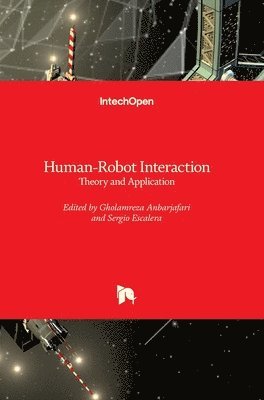
Human-Robot Interaction
Theory and Application
Av Gholamreza Anbarjafari, Sergio Escalera
Inbunden, 2018
1712 kr
Lägg i varukorg
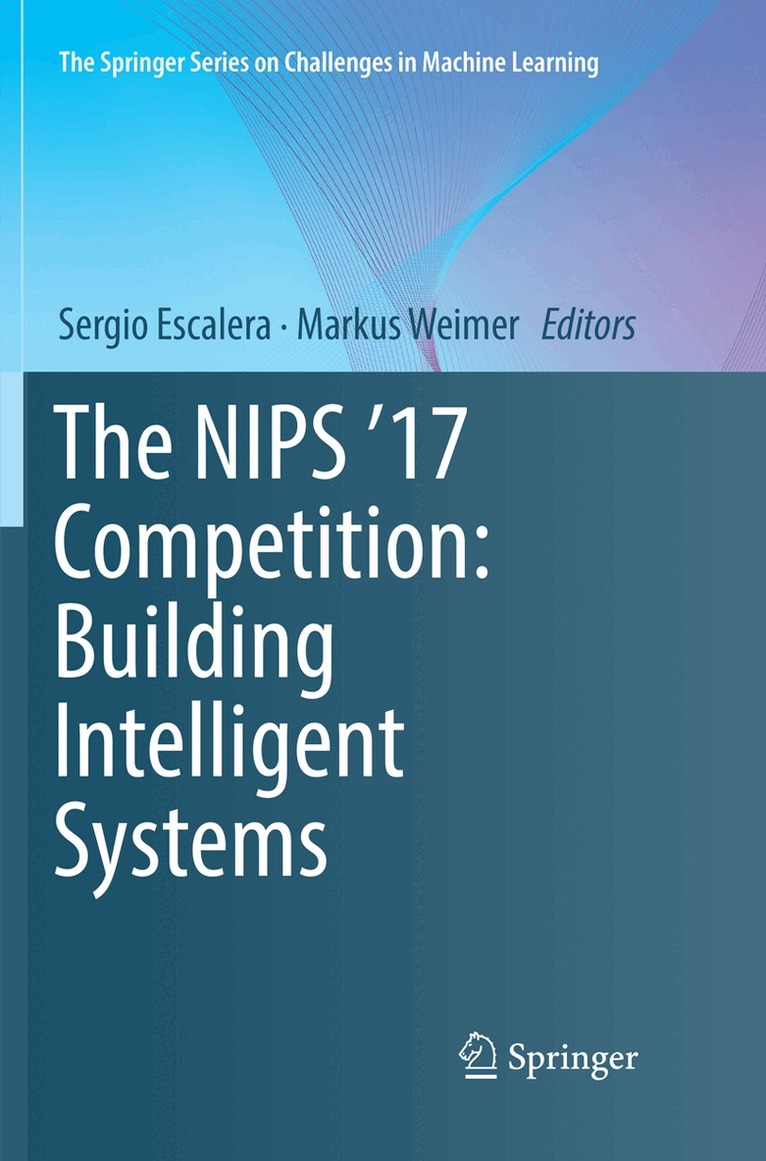
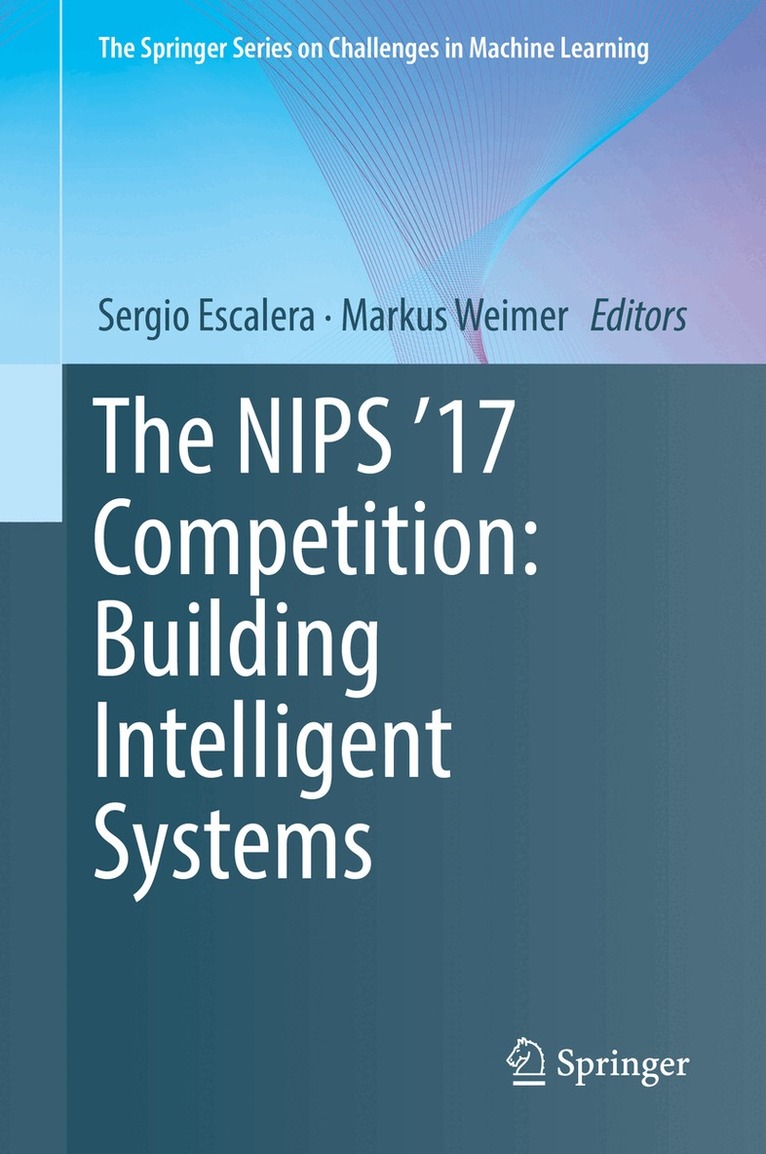
NIPS '17 Competition: Building Intelligent Systems
Av Sergio Escalera, Markus Weimer
Häftad, 2018
568 kr
Lägg i varukorg
This book summarizes the organized competitions held during the first NIPS competition track. It provides both theory and applications of hot topics in machine learning, such as adversarial learning, conversational intelligence, and deep reinforcement learning.Rigorous competition evaluation was …
Inpainting and Denoising Challenges
Av Sergio Escalera, Stephane Ayache m. fl.
Inbunden, 2019
567 kr
Lägg i varukorg
The problem of dealing with missing or incomplete data in machine learning and computer vision arises in many applications. Recent strategies make use of generative models to impute missing or corrupted data. Advances in computer vision using deep generative models have found applications in …
Inpainting and Denoising Challenges
Av Xavier Baro, Umut Guclu m. fl.
E-bok, 2019
739 kr
Lägg i varukorg
The problem of dealing with missing or incomplete data in machine learning and computer vision arises in many applications. Recent strategies make use of generative models to impute missing or corrupted data. Advances in computer vision using deep generative models have found applications in …
Inpainting and Denoising Challenges
Av Sergio Escalera, Stephane Ayache m. fl.
Häftad, 2020
567 kr
Lägg i varukorg
The problem of dealing with missing or incomplete data in machine learning and computer vision arises in many applications. Recent strategies make use of generative models to impute missing or corrupted data. Advances in computer vision using deep generative models have found applications in …
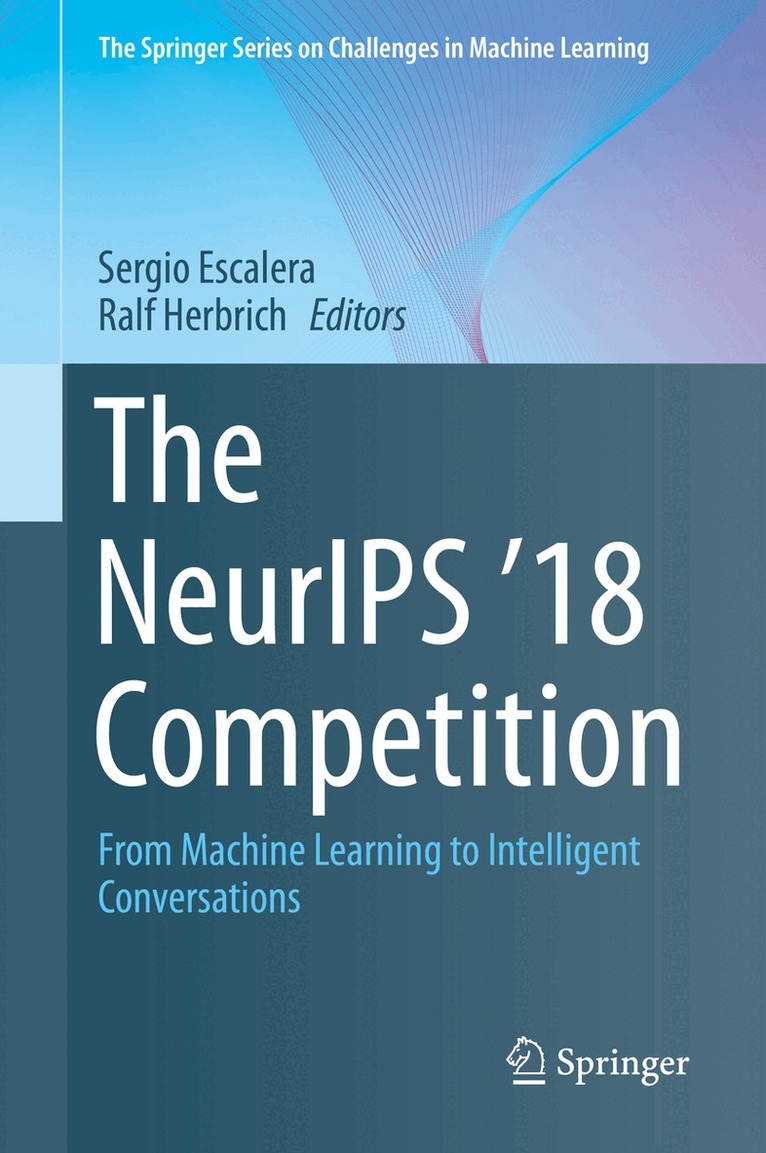
NeurIPS '18 Competition
From Machine Learning to Intelligent Conversations
Av Sergio Escalera, Ralf Herbrich
Inbunden, 2019
567 kr
Lägg i varukorg
This volume presents the results of the Neural Information Processing Systems Competition track at the 2018 NeurIPS conference. The competition follows the same format as the 2017 competition track for NIPS. Out of 21 submitted proposals, eight competition proposals were selected, spanning the area …
NeurIPS '18 Competition
From Machine Learning to Intelligent Conversations
Av Ralf Herbrich, Sergio Escalera
E-bok, 2019
732 kr
Lägg i varukorg
This volume presents the results of the Neural Information Processing Systems Competition track at the 2018 NeurIPS conference. The competition follows the same format as the 2017 competition track for NIPS. Out of 21 submitted proposals, eight competition proposals were selected, spanning the area …
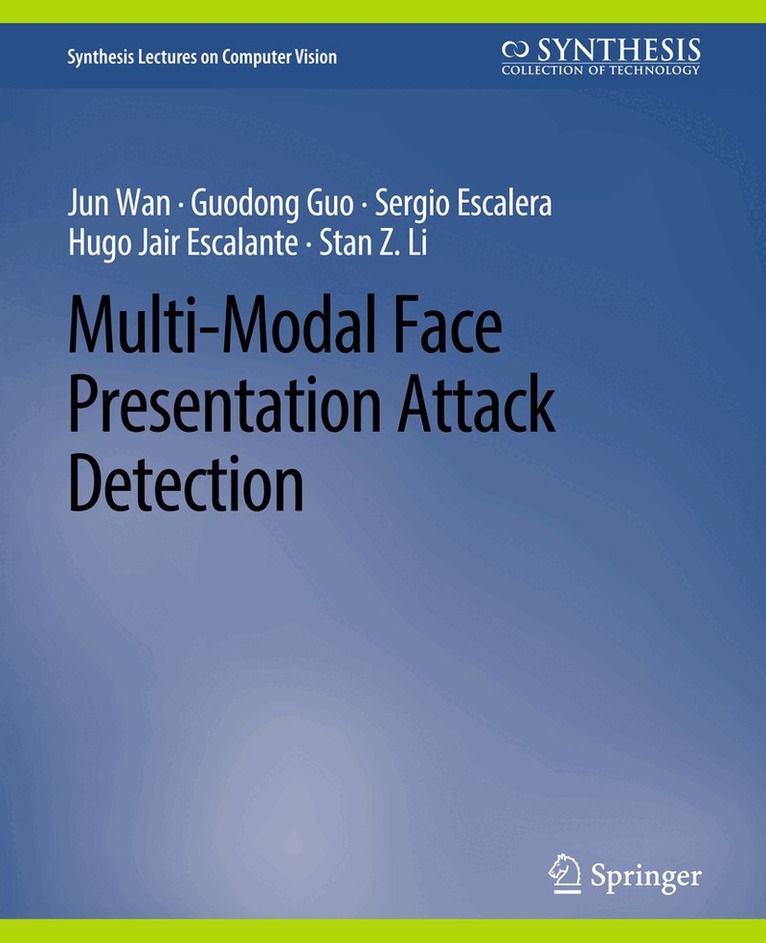
Multi-Modal Face Presentation Attack Detection
Av Jun Wan, Guodong Guo m. fl.
Häftad, 2020
377 kr
Lägg i varukorg
For the last ten years, face biometric research has been intensively studied by the computer vision community. Face recognition systems have been used in mobile, banking, and surveillance systems. For face recognition systems, face spoofing attack detection is a crucial stage that could cause …
Multi-Modal Face Presentation Attack Detection
Av Stan Z. Li, Hugo Jair Escalante m. fl.
E-bok, 2022
470 kr
Lägg i varukorg
For the last ten years, face biometric research has been intensively studied by the computer vision community. Face recognition systems have been used in mobile, banking, and surveillance systems. For face recognition systems, face spoofing attack detection is a crucial stage that could cause …
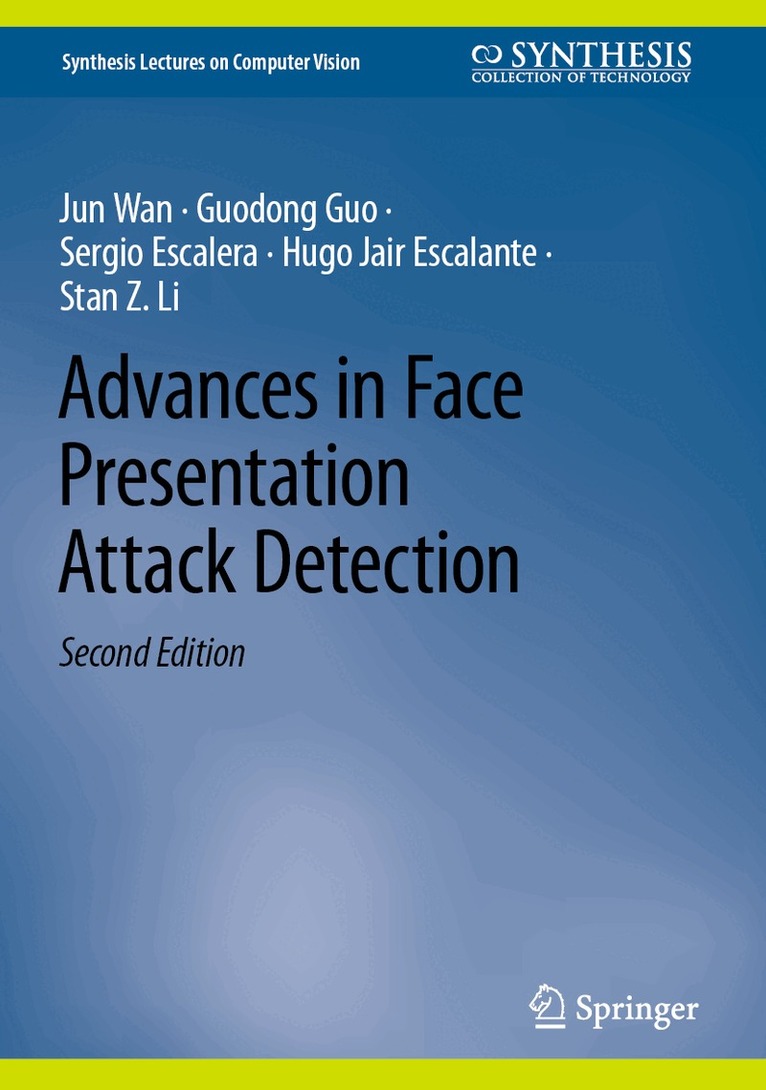
Advances in Face Presentation Attack Detection
Av Jun Wan, Guodong Guo m. fl.
Inbunden, 2023
456 kr
Lägg i varukorg
This book revises and expands upon the prior edition of Multi-Modal Face Presentation Attack Detection. The authors begin with fundamental and foundational information on face spoofing attack detection, explaining why the computer vision community has intensively studied it for the last decade. The …
Advances in Face Presentation Attack Detection
Av Stan Z. Li, Hugo Jair Escalante m. fl.
E-bok, 2023
575 kr
Lägg i varukorg
This book revises and expands upon the prior edition of Multi-Modal Face Presentation Attack Detection . The authors begin with fundamental and foundational information on face spoofing attack detection, explaining why the computer vision community has intensively studied it for the last decade. …
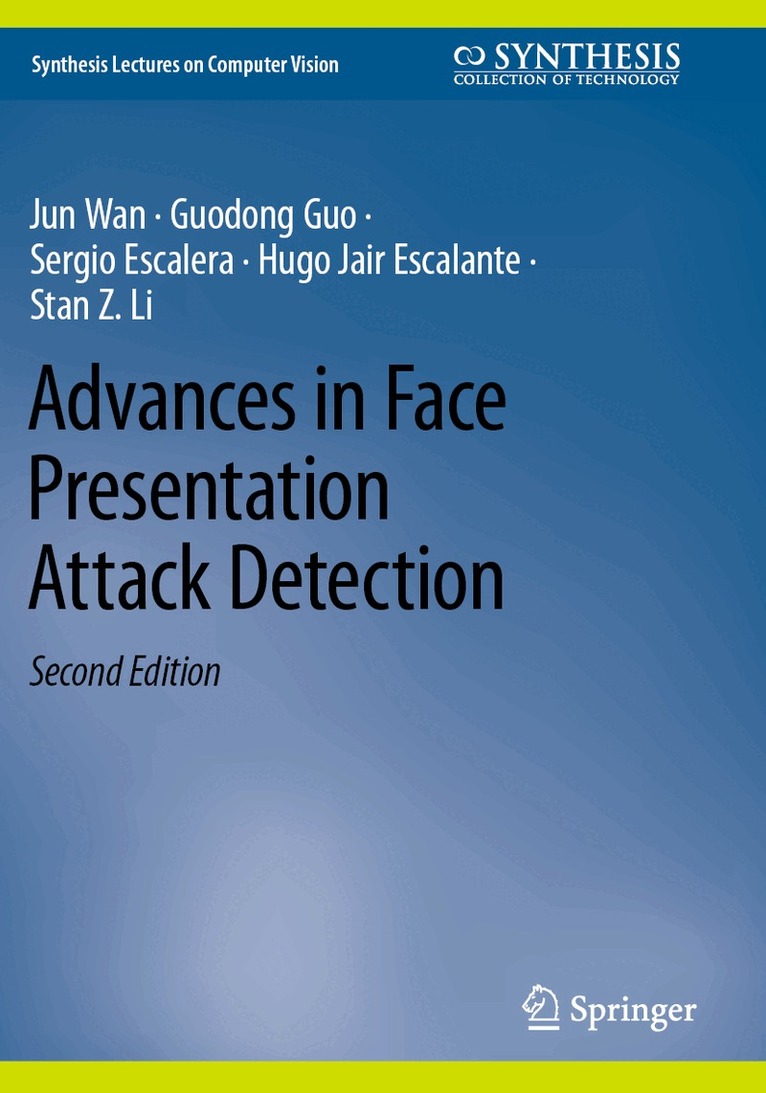
Advances in Face Presentation Attack Detection
Av Jun Wan, Guodong Guo m. fl.
Häftad, 2024
456 kr
Lägg i varukorg
This book revises and expands upon the prior edition of Multi-Modal Face Presentation Attack Detection. The authors begin with fundamental and foundational information on face spoofing attack detection, explaining why the computer vision community has intensively studied it for the last decade. The …
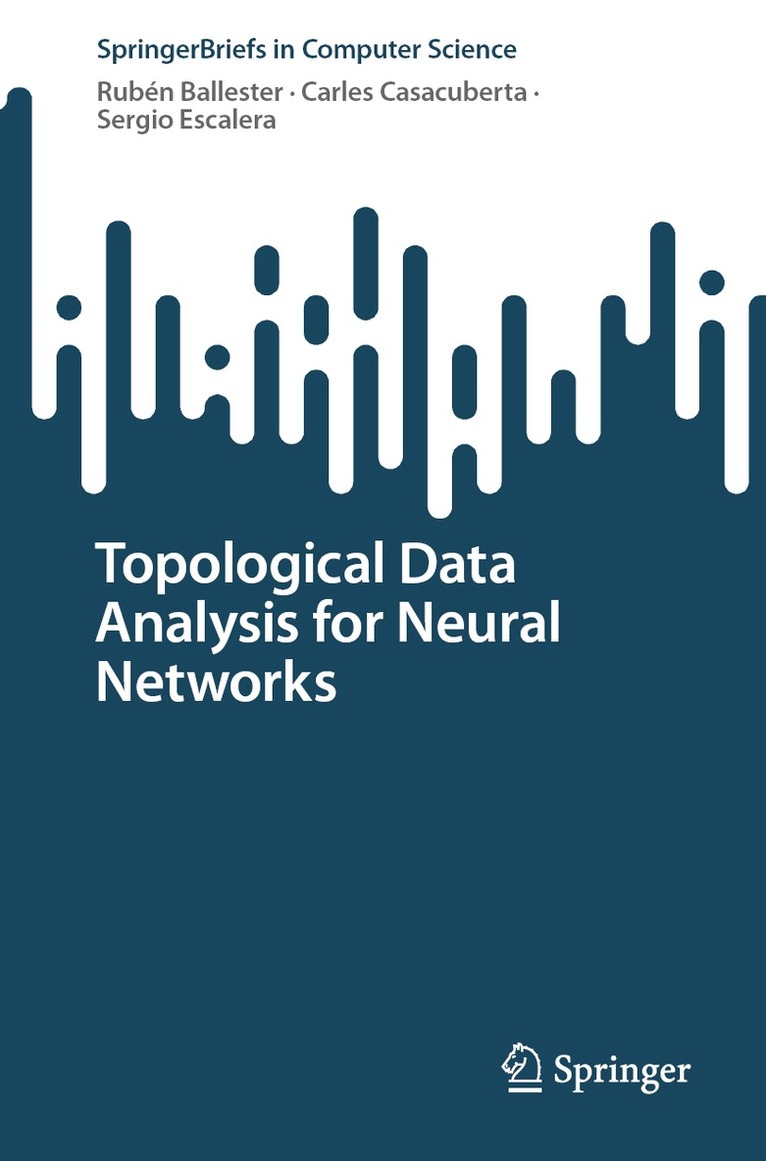
Topological Data Analysis for Neural Networks
Av Rubén Ballester, Carles Casacuberta m. fl.
Häftad, 2026
552 kr
Kommande
This book offers a comprehensive presentation of methods from topological data analysis applied to the study of neural network structure and dynamics. Using topology-based tools such as persistent homology and the Mapper algorithm, the authors explore the intricate structures and behaviors of fully …
Topological Data Analysis for Neural Networks
Av Sergio Escalera, Carles Casacuberta m. fl.
E-bok, 2026
734 kr
Lägg i varukorg
This book offers a comprehensive presentation of methods from topological data analysis applied to the study of neural network structure and dynamics. Using topology-based tools such as persistent homology and the Mapper algorithm, the authors explore the intricate structures and behaviors of fully …
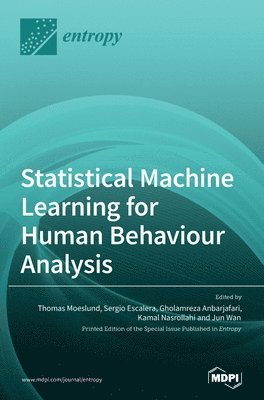
Statistical Machine Learning for Human Behaviour Analysis
Av Thomas Moeslund, Sergio Escalera
Inbunden, 2020
721 kr
Lägg i varukorg
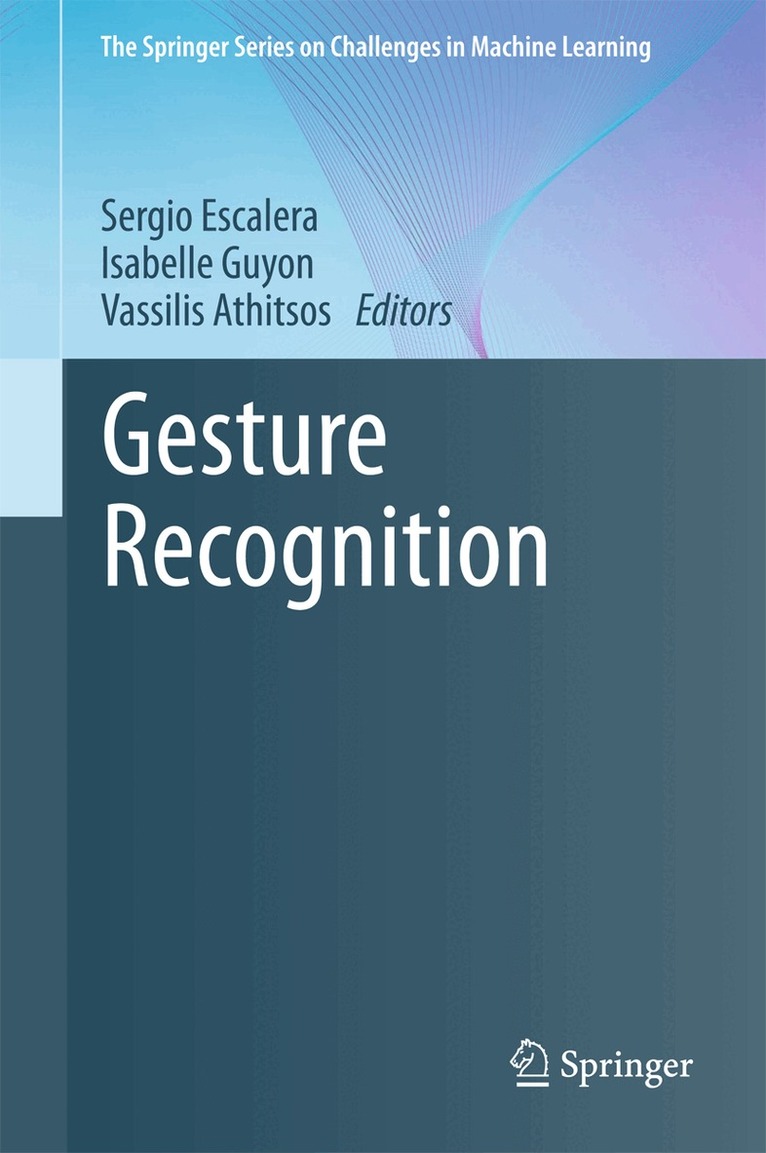
Gesture Recognition
Av Sergio Escalera, Isabelle Guyon m. fl.
Inbunden, 2017
1690 kr
Lägg i varukorg
This book presents a selection of chapters, written by leading international researchers, related to the automatic analysis of gestures from still images and multi-modal RGB-Depth image sequences. It offers a comprehensive review of vision-based approaches for supervised gesture recognition methods …
Gesture Recognition
Av Vassilis Athitsos, Isabelle Guyon m. fl.
E-bok, 2017
2174 kr
Lägg i varukorg
This book presents a selection of chapters, written by leading international researchers, related to the automatic analysis of gestures from still images and multi-modal RGB-Depth image sequences. It offers a comprehensive review of vision-based approaches for supervised gesture recognition methods …
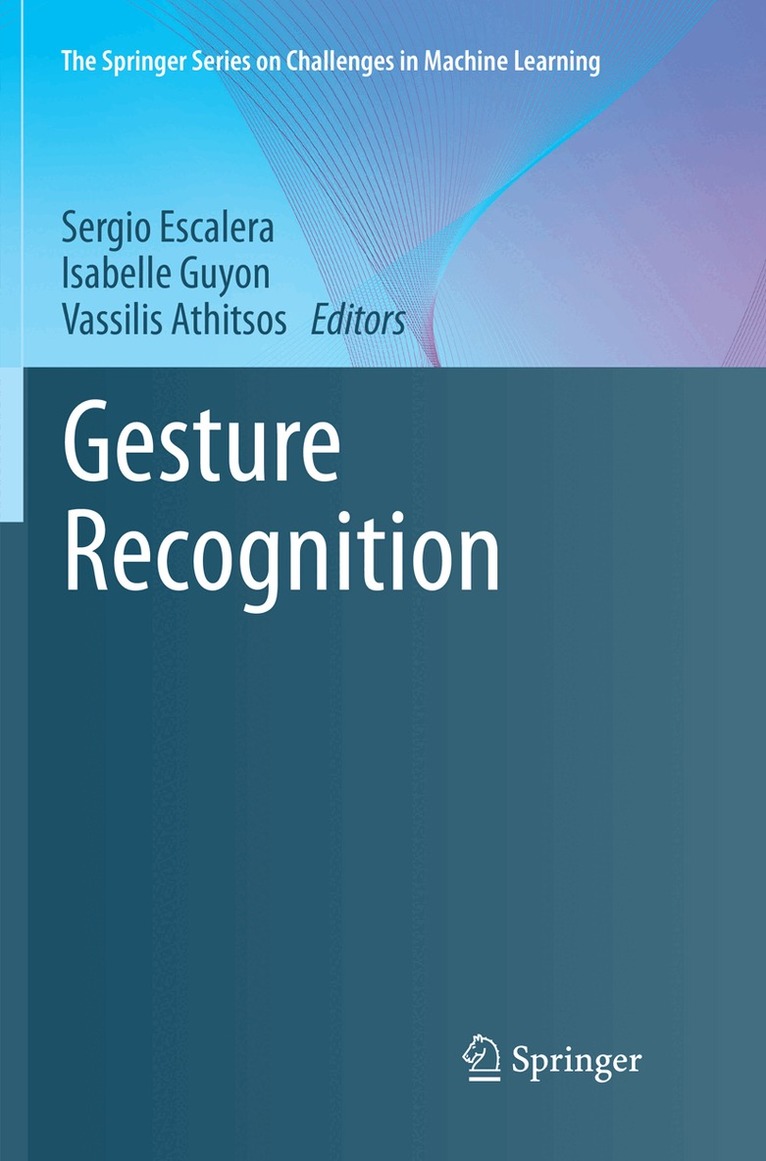
Gesture Recognition
Av Sergio Escalera, Isabelle Guyon m. fl.
Häftad, 2018
1690 kr
Lägg i varukorg
This book presents a selection of chapters, written by leading international researchers, related to the automatic analysis of gestures from still images and multi-modal RGB-Depth image sequences. It offers a comprehensive review of vision-based approaches for supervised gesture recognition methods …
NIPS '17 Competition: Building Intelligent Systems
Av Sergio Escalera, Markus Weimer
Inbunden, 2018
568 kr
Lägg i varukorg
This book summarizes the organized competitions held during the first NIPS competition track. It provides both theory and applications of hot topics in machine learning, such as adversarial learning, conversational intelligence, and deep reinforcement learning.Rigorous competition evaluation was …
NIPS '17 Competition: Building Intelligent Systems
Av Markus Weimer, Sergio Escalera
E-bok, 2018
739 kr
Lägg i varukorg
This book summarizes the organized competitions held during the first NIPS competition track. It provides both theory and applications of hot topics in machine learning, such as adversarial learning, conversational intelligence, and deep reinforcement learning. Rigorous competition evaluation was …
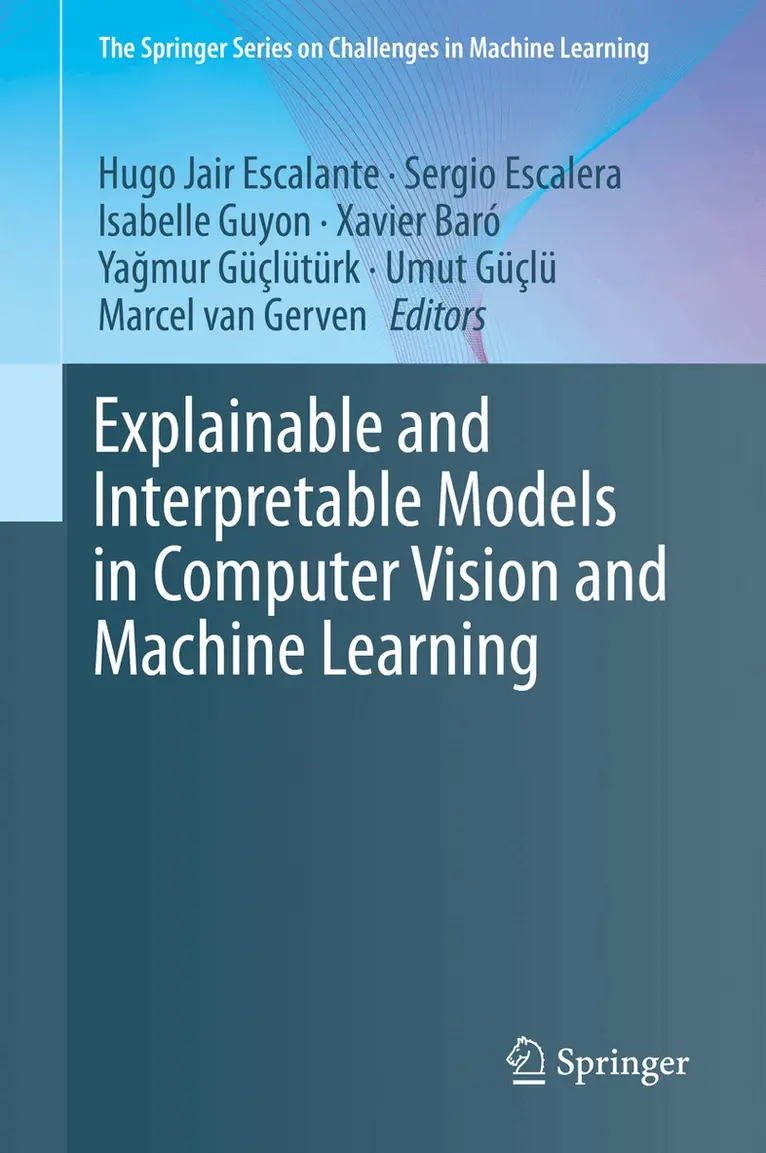
Explainable and Interpretable Models in Computer Vision and Machine Learning
Av Hugo Jair Escalante, Sergio Escalera m. fl.
2019
1992 kr
Lägg i varukorg
This book compiles leading research on the development of explainable and interpretable machine learning methods in the context of computer vision and machine learning.Research progress in computer vision and pattern recognition has led to a variety of modeling techniques with almost human-like …