Shahid Javed Burki – författare
Visar alla böcker från författaren Shahid Javed Burki. Handla med fri frakt och snabb leverans.
21 produkter
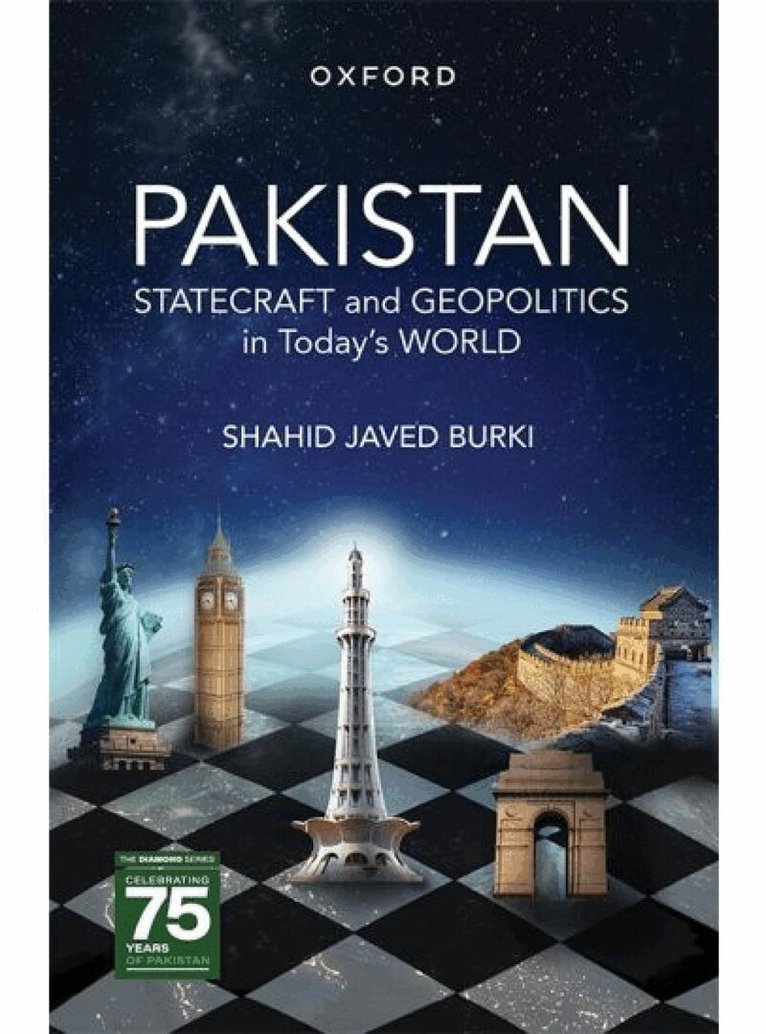
Pakistan
Statecraft and Geopolitics in Todays World
Häftad, 2025
219 kr
Lägg i varukorg
There are several studies on Pakistan's external relations but none of them paint the picture on as wide a canvas as the one chosen for this work. Most studies deal with bilateral relations; however, the scope of this work is much wider. This book examines Pakistan's relations with India, China, …
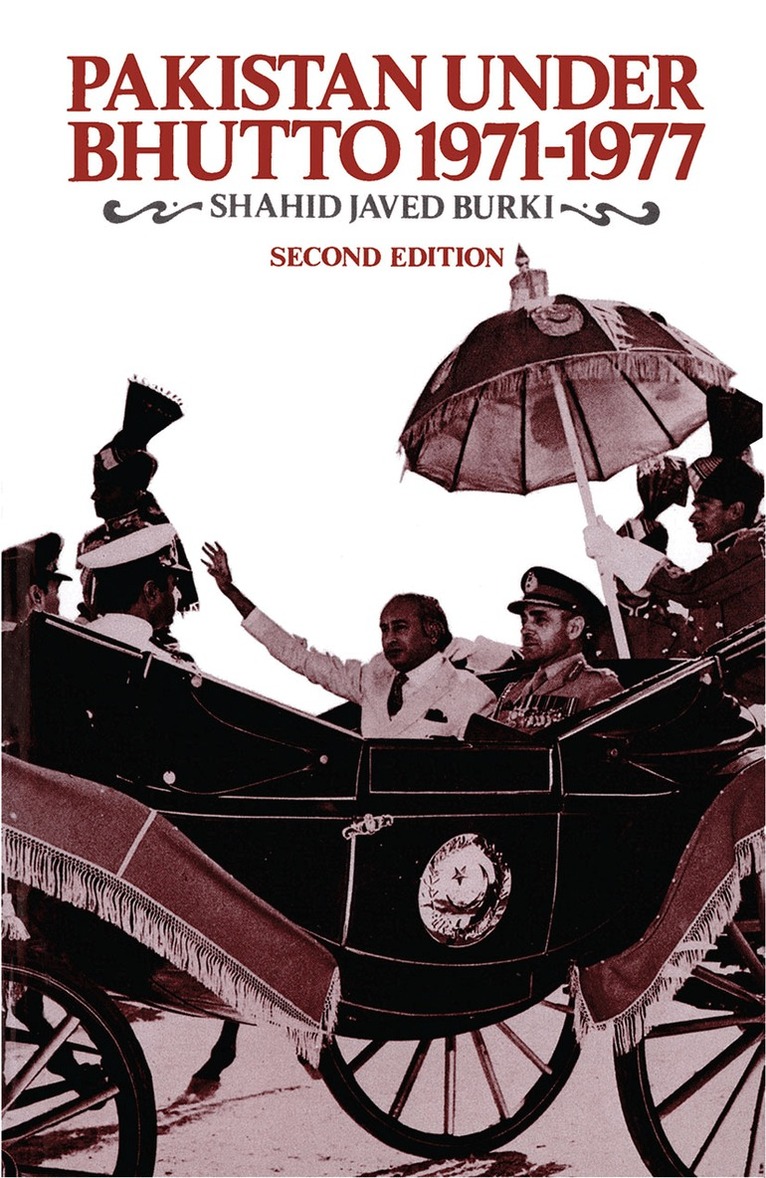
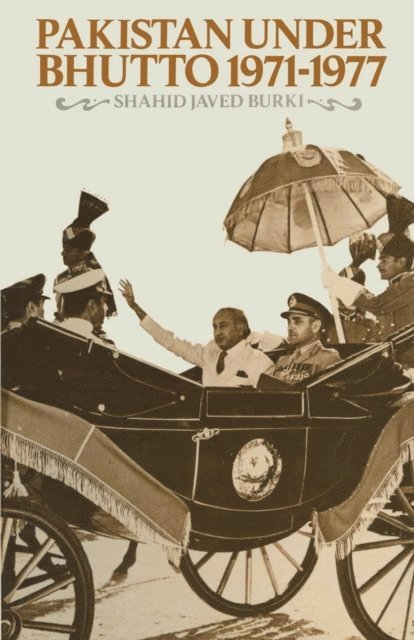
Pakistan Under Bhutto, 1971–1977
Häftad, 1988
551 kr
Lägg i varukorg
An updated and revised account of economic and political decision-making in Pakistan during 1971-77 under the leadership of Zulfikar Ali Bhutto. Questioning the reasons for Bhutto's reversal of policy in 1974, the author argues that Bhutto's actions were influenced by prominent social groups.
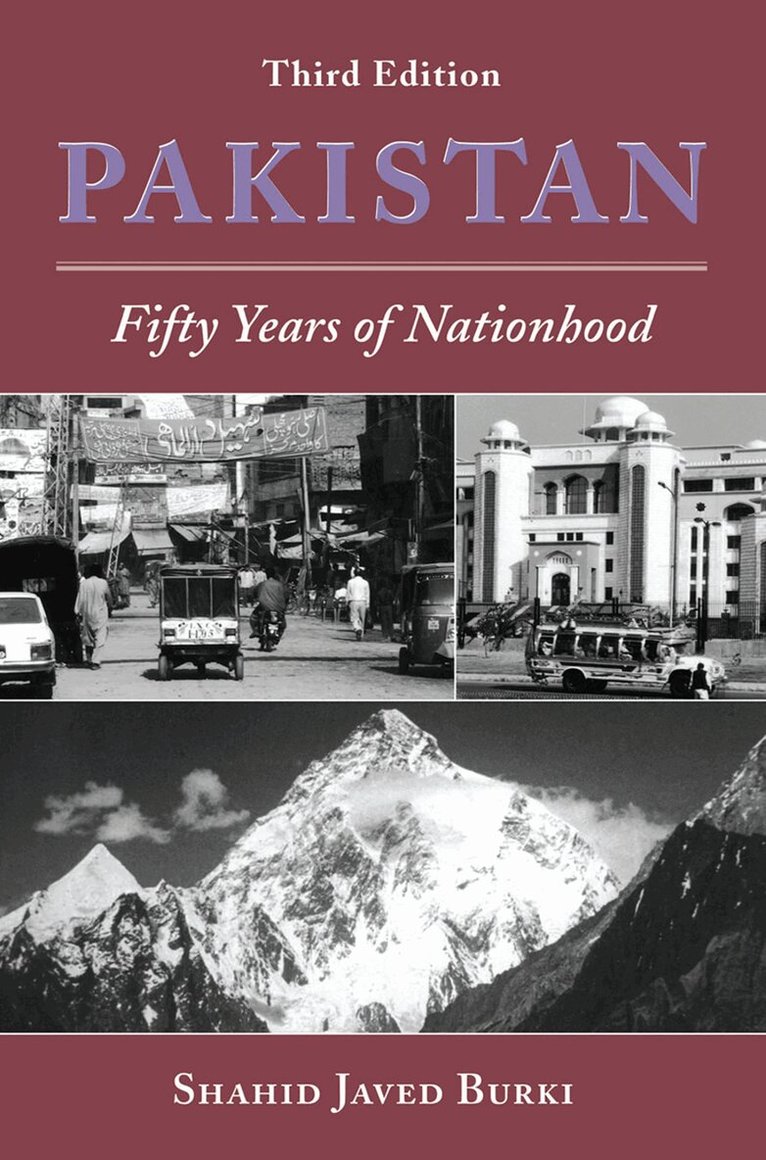
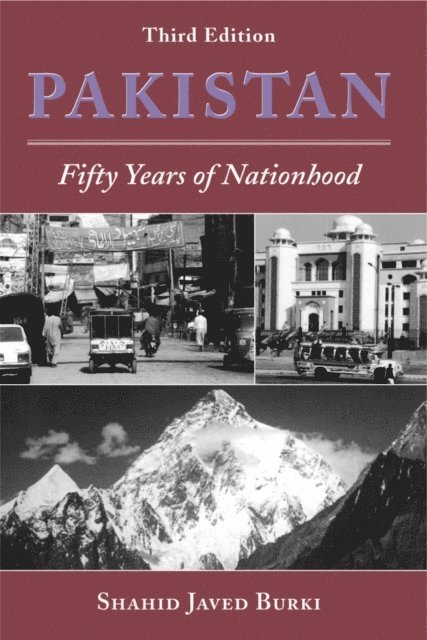
Pakistan
Fifty Years Of Nationhood, Third Edition
Inbunden, 2019
2504 kr
Lägg i varukorg
Although it achieved independence in 1947, Pakistan still has not succeeded in integrating its diverse peoples into a nation?as its short yet turbulent history vividly demonstrates. The nation's search for stability is traced in this revised and updated introduction to Pakistan's political, …
South Asia in the New World Order
The Role of Regional Cooperation
Inbunden, 2011
2504 kr
Lägg i varukorg
Rapid changes have taken place in the structure of the global economy, and this book looks at how South Asia can take advantage of these changes. The author argues that the developing global economy will be more complex than originally thought, that instead of a bipolar model with two countries, …
Pakistan
Fifty Years Of Nationhood, Third Edition
E-bok, 2018
1004 kr
Lägg i varukorg
Although it achieved independence in 1947, Pakistan still has not succeeded in integrating its diverse peoples into a nation?as its short yet turbulent history vividly demonstrates. The nation''s search for stability is traced in this revised and updated introduction to Pakistan''s political, …
Pakistan
Fifty Years Of Nationhood, Third Edition
E-bok, 2018
1004 kr
Lägg i varukorg
Although it achieved independence in 1947, Pakistan still has not succeeded in integrating its diverse peoples into a nation?as its short yet turbulent history vividly demonstrates. The nation''s search for stability is traced in this revised and updated introduction to Pakistan''s political, …
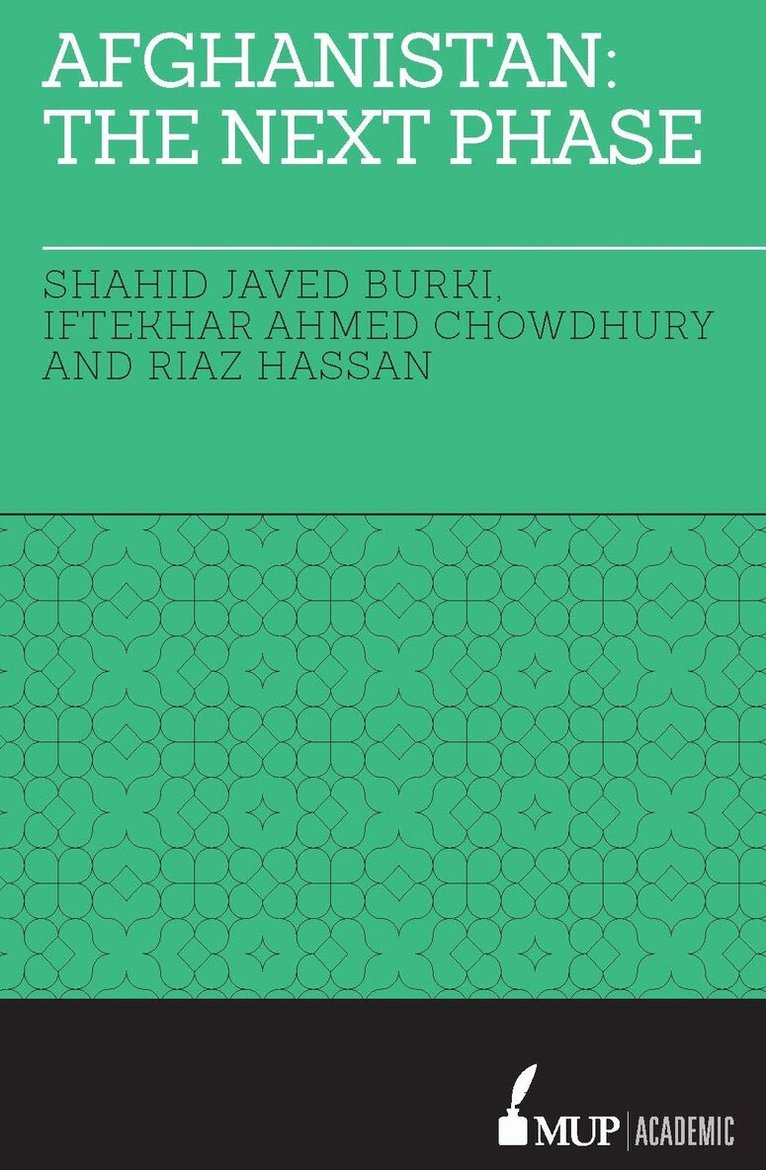
Afghanistan
The Next Phase
Av Shahid Javed Burki, Iftekhar Ahmed Chowdhury m. fl.
Häftad, 2014
385 kr
Lägg i varukorg
Afghanistan: The Next Phase takes an in-depth look at the present situation in Afghanistan by placing it in the context of the country’s tribal culture, history, and demography. It considers its association with Pakistan, with whom it shares not only a long border, but also the Pashtuns—the largest …
Pakistan
Fifty Years Of Nationhood, Third Edition
Häftad, 1999
874 kr
Lägg i varukorg
Although it achieved independence in 1947, Pakistan still has not succeeded in integrating its diverse peoples into a nation?as its short yet turbulent history vividly demonstrates. The nation's search for stability is traced in this revised and updated introduction to Pakistan's political, …
Sustaining Reform with a US–Pakistan Free Trade Agreement
Av Gary Clyde Hufbauer, Shahid Javed Burki
Häftad, 2006
212 kr
Lägg i varukorg
South Asia in the New World Order
The Role of Regional Cooperation
E-bok, 2011
849 kr
Lägg i varukorg
Rapid changes have taken place in the structure of the global economy, and this book looks at how South Asia can take advantage of these changes. The author argues that the developing global economy will be more complex than originally thought, that instead of a bipolar model with two countries, …
South Asia in the New World Order
The Role of Regional Cooperation
E-bok, 2011
849 kr
Lägg i varukorg
Rapid changes have taken place in the structure of the global economy, and this book looks at how South Asia can take advantage of these changes. The author argues that the developing global economy will be more complex than originally thought, that instead of a bipolar model with two countries, …
Rising Powers and Global Governance
Changes and Challenges for the World’s Nations
E-bok, 2016
779 kr
Lägg i varukorg
This book reinforces the need to understand the sources of global change that is taking place and to accommodate it in the world political, social, and economic systems. Linking the United States, China, India, and Russia along with Europe and the Middle East, the author addresses demographics, …
South Asia in the New World Order
The Role of Regional Cooperation
Häftad, 2014
718 kr
Lägg i varukorg
Rapid changes have taken place in the structure of the global economy, and this book looks at how South Asia can take advantage of these changes. The author argues that the developing global economy will be more complex than originally thought, that instead of a bipolar model with two countries, …
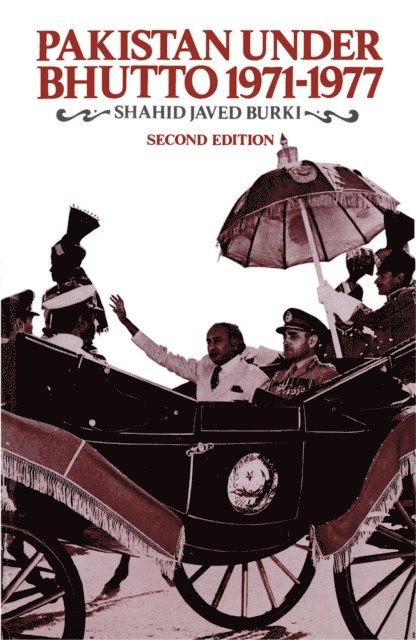
Pakistan Under Bhutto, 1971-1977
E-bok, 1988
779 kr
Lägg i varukorg
An updated and revised account of economic and political decision-making in Pakistan during 1971-77 under the leadership of Zulfikar Ali Bhutto. Questioning the reasons for Bhutto''s reversal of policy in 1974, the author argues that Bhutto''s actions were influenced by prominent social groups.
Rising Powers and Global Governance
Changes and Challenges for the World’s Nations
Inbunden, 2016
551 kr
Lägg i varukorg
This book reinforces the need to understand the sources of global change that is taking place and to accommodate it in the world political, social, and economic systems. Linking the United States, China, India, and Russia along with Europe and the Middle East, the author addresses demographics, …
Rising Powers and Global Governance
Changes and Challenges for the World’s Nations
Häftad, 2018
551 kr
Lägg i varukorg
This book reinforces the need to understand the sources of global change that is taking place and to accommodate it in the world political, social, and economic systems. Linking the United States, China, India, and Russia along with Europe and the Middle East, the author addresses demographics, …
Historical Dictionary of Pakistan
Inbunden, 2015
2618 kr
Lägg i varukorg
Pakistan is unlike most other countries in the emerging world. It is one of the two nations – the other being the state of Israel – founded on the basis of religion. Although it was created to provide a homeland for the Muslim community of British India, in its original form it was able to …
Beyond the Center
Decentralizing the State
Av World Bank, Shahid Javed Burki m. fl.
Häftad, 1999
342 kr
Tillfälligt slut
Changing Perceptions and Altered Reality
Emerging Economies in the 1990s
Av Shahid Javed Burki, World Bank
Häftad, 2000
294 kr
Tillfälligt slut
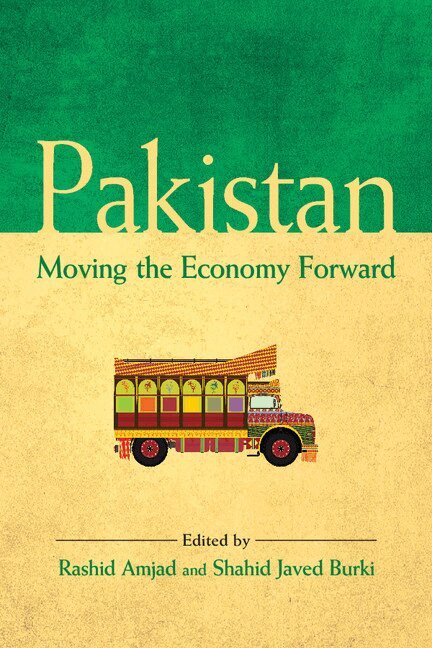
Pakistan
Moving the Economy Forward
Av Rashid Amjad, Shahid Javed Burki
Inbunden, 2015
983 kr
Tillfälligt slut
Pakistan's economic performance over the past 65 years has confounded its critics - when the country has performed much better than expected, especially in the early years - and disappointed those who had high expectations, given its initial start and economic potential. The central question that …