Shaily Shashikant Patel – författare
Visar alla böcker från författaren Shaily Shashikant Patel. Handla med fri frakt och snabb leverans.
7 produkter
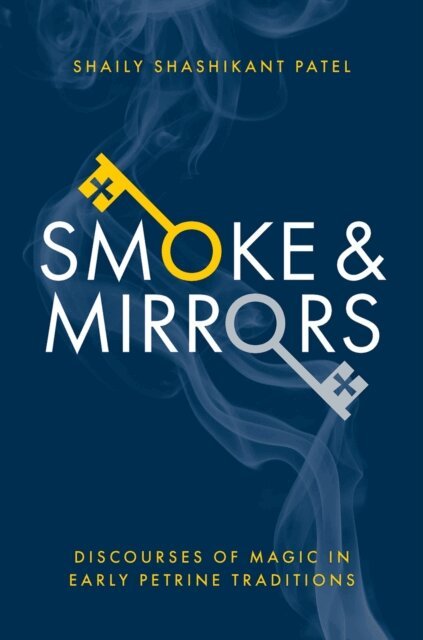
Smoke & Mirrors
Discourses of Magic in Early Petrine Traditions
Inbunden, 2025
1522 kr
Lägg i varukorg
Smoke & Mirrors: Discourses of Magic in Early Petrine Traditions explores how magic disappears and miracle emerges in a series of texts featuring the apostle Peter. Considering the contradiction of early Christian authors' approval of seemingly magical practices, such as exorcisms, Shaily …
Smoke & Mirrors
Discourses of Magic in Early Petrine Traditions
E-bok, 2025
978 kr
Lägg i varukorg
Smoke & Mirrors: Discourses of Magic in Early Petrine Traditions explores how magic disappears and miracle emerges in a series of texts featuring the apostle Peter. Considering the contradiction of early Christian authors' approval of seemingly magical practices, such as exorcisms, Shaily …
Smoke & Mirrors
Discourses of Magic in Early Petrine Traditions
E-bok, 2025
957 kr
Lägg i varukorg
Smoke & Mirrors: Discourses of Magic in Early Petrine Traditions explores how magic disappears and miracle emerges in a series of texts featuring the apostle Peter. Considering the contradiction of early Christian authors' approval of seemingly magical practices, such as exorcisms, Shaily …
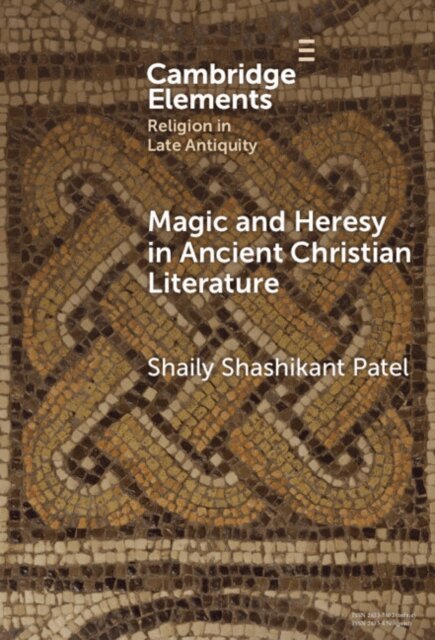
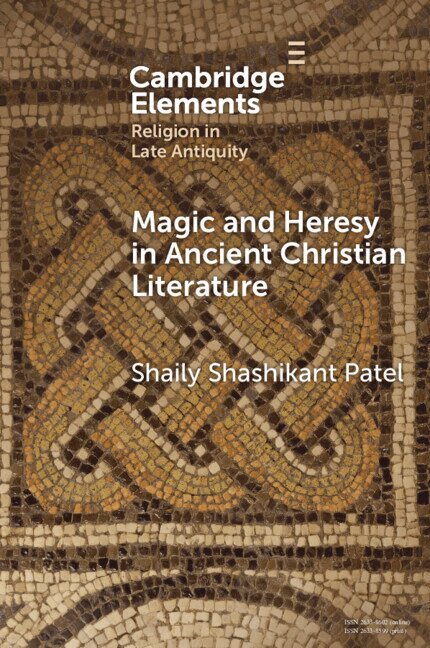
Magic and Heresy in Ancient Christian Literature
Häftad, 2025
324 kr
Lägg i varukorg
Magic and Heresy in Ancient Christian Literature is a genealogical study of two parallel but not coequal discursive trajectories: of 'magic' and of 'heresy.' This longue durée analysis charts how these two discursive streams intersect in myriad ways, for myriad ends, across the first four centuries …
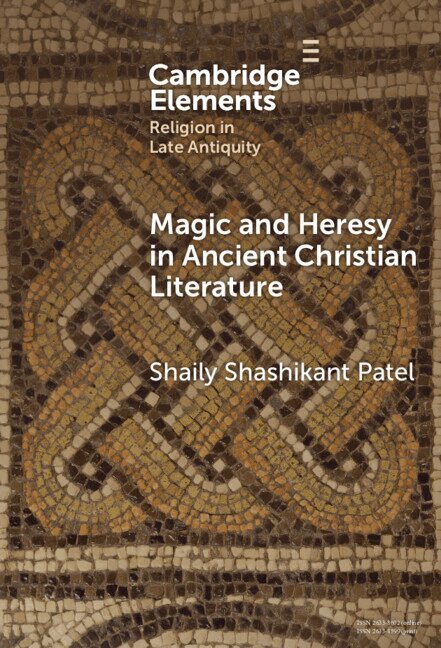
Magic and Heresy in Ancient Christian Literature
Inbunden, 2025
1048 kr
Lägg i varukorg
Magic and Heresy in Ancient Christian Literature is a genealogical study of two parallel but not coequal discursive trajectories: of 'magic' and of 'heresy.' This longue durée analysis charts how these two discursive streams intersect in myriad ways, for myriad ends, across the first four centuries …