Shanto Iyengar – författare
Visar alla böcker från författaren Shanto Iyengar. Handla med fri frakt och snabb leverans.
12 produkter
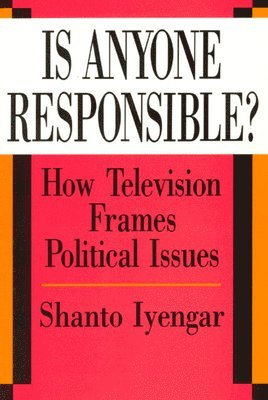
Is Anyone Responsible?
How Television Frames Political Issues
Häftad, 1994
263 kr
Lägg i varukorg
A disturbingly cautionary tale, Is Anyone Responsible? anchors with powerful evidence suspicions about the way in which television has impoverished political discourse in the United States and at the same time molds American political consciousness. It is essential reading for media critics, …
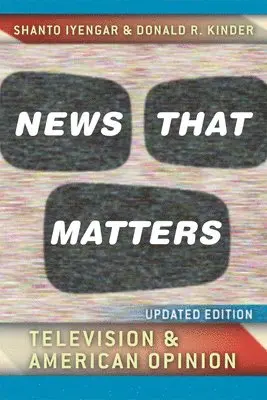
News That Matters
Television and American Opinion, Updated Edition
Av Shanto Iyengar, Donald R. Kinder
Häftad, 2010
280 kr
Lägg i varukorg
Almost twenty-five years ago, Shanto Iyengar and Donald R. Kinder first documented a series of sophisticated and innovative experiments that unobtrusively altered the order and emphasis of news stories in selected television broadcasts. Their resulting book, "News That Matters", now hailed as a …
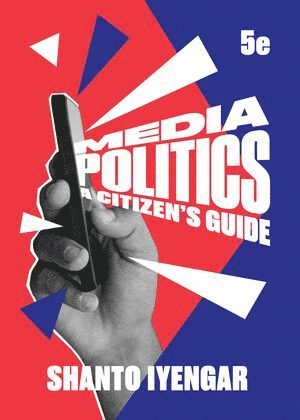
Media Politics
Häftad, 2022
939 kr
Lägg i varukorg
This significant revision shows how current issues like the normalizing of “alternative facts,” the management of the COVID-19 crisis, the 2020 election and Trump’s exit from office, and the proliferation of social media fit into a larger understanding of political communication. Shanto Iyengar, a …
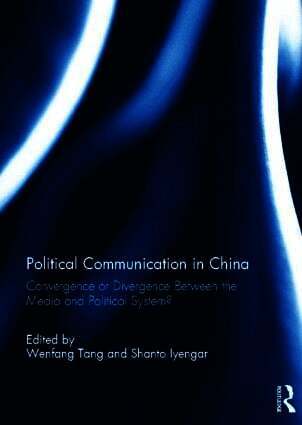
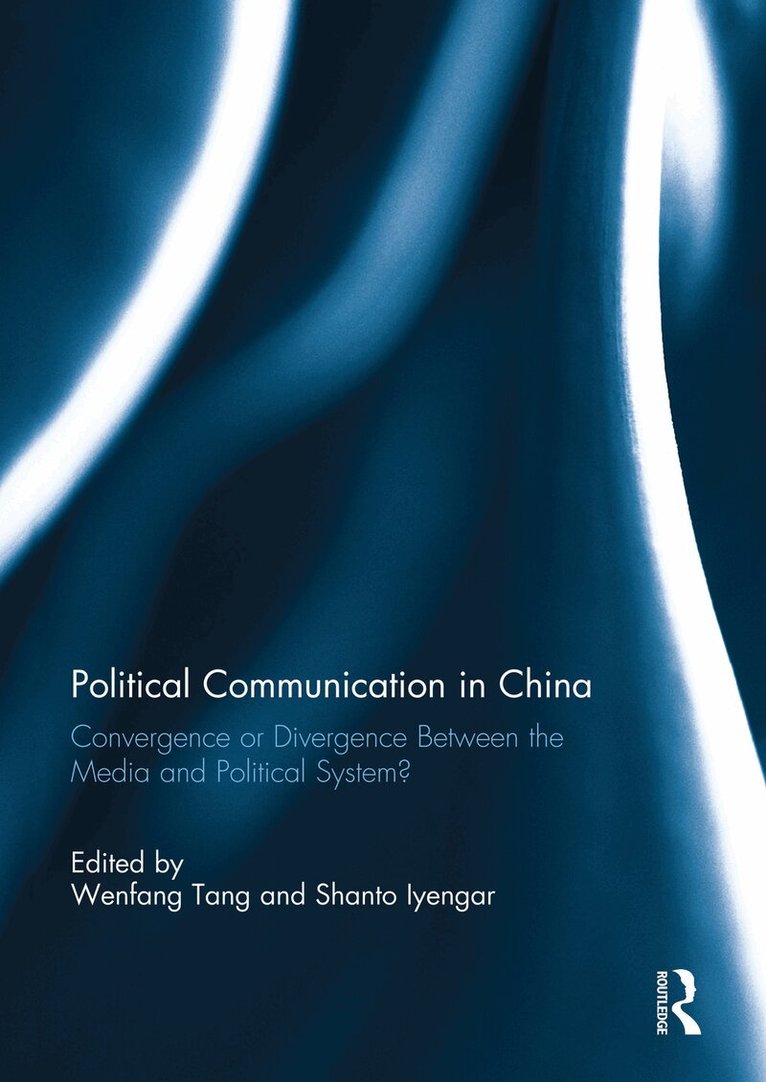
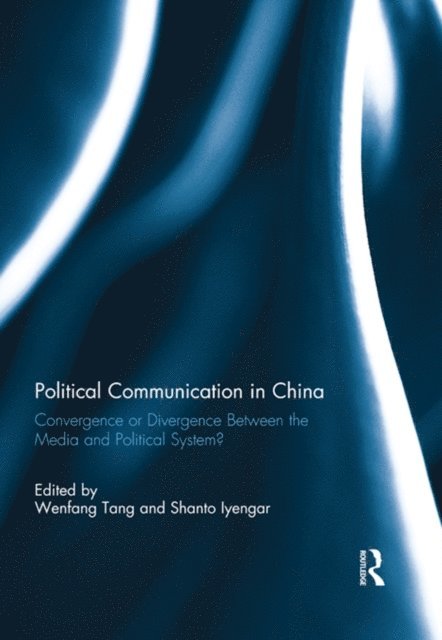
Political Communication in China
Convergence or Divergence Between the Media and Political System?
Av Wenfang Tang, Shanto Iyengar
Inbunden, 2012
2526 kr
Lägg i varukorg
It is widely recognised that the Chinese Communist Party (CCP) uses the media to set the agenda for political discourse, propagate official policies, monitor public opinion, and rally regime support. State agencies in China control the full spectrum of media programming, either through ownership or …
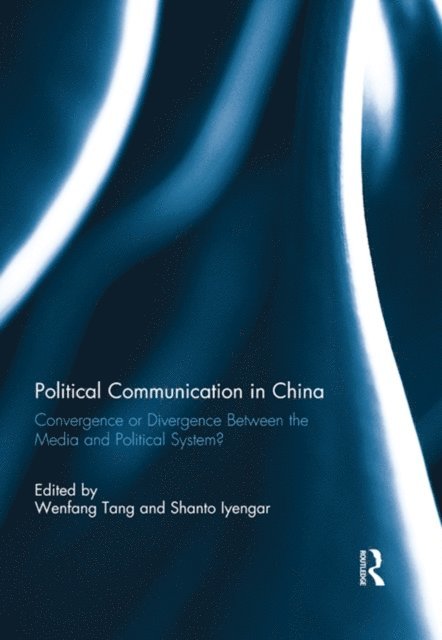
Political Communication in China
Convergence or Divergence Between the Media and Political System?
Av Wenfang Tang, Shanto Iyengar
Häftad, 2014
739 kr
Lägg i varukorg
It is widely recognised that the Chinese Communist Party (CCP) uses the media to set the agenda for political discourse, propagate official policies, monitor public opinion, and rally regime support. State agencies in China control the full spectrum of media programming, either through ownership or …
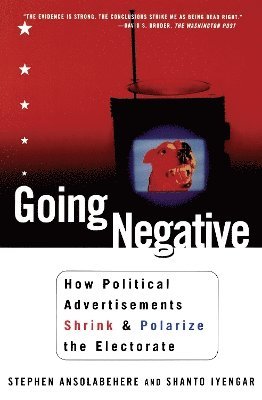
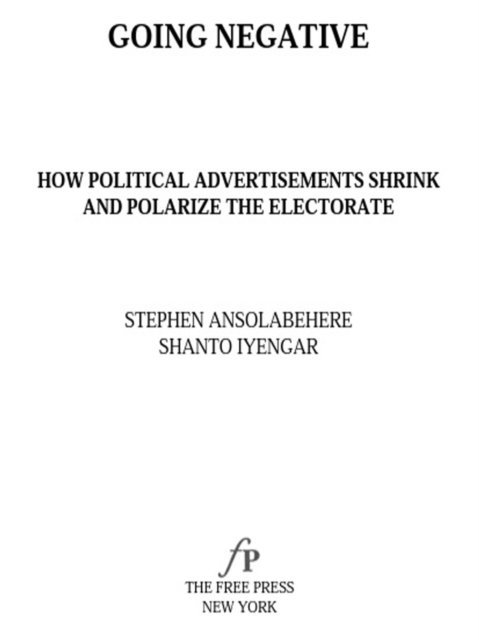
Going Negative
Av Shanto Iyengar, Stephen Ansolabehere
Häftad, 1997
177 kr
Lägg i varukorg
Political advertising has been called the worst cancer in American society. Ads cost millions, and yet the entire campaign season is now filled with nasty and personal attacks. In this landmark six-year study, two of the nation's leading political scientists show exactly how cancerous the ad spot …
Do the Media Govern?
Politicians, Voters, and Reporters in America
Av Shanto Iyengar, Richard Reeves m. fl.
Häftad, 1997
2337 kr
Lägg i varukorg
This comprehensive reader is the first book dealing with the media and American politics that brings together the perspectives of academics, reporters, commentators, campaign consultants, and policy advocates. The contributions blend together the best social science research on political …
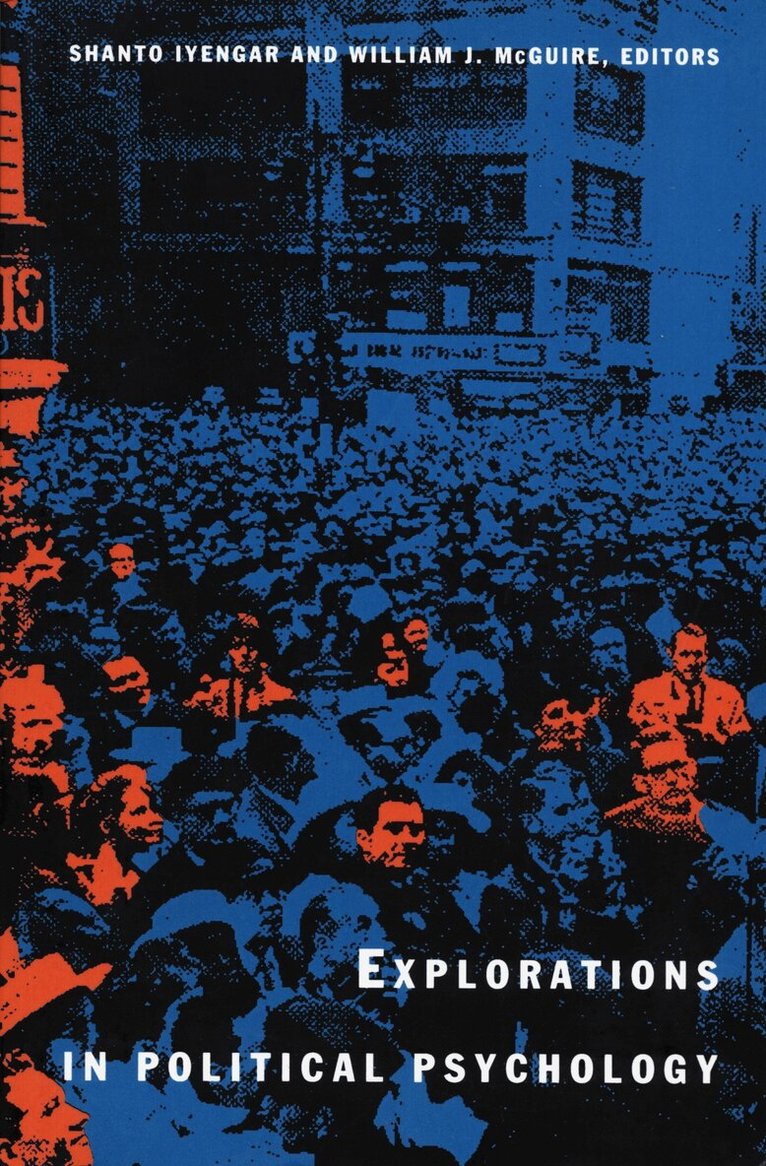
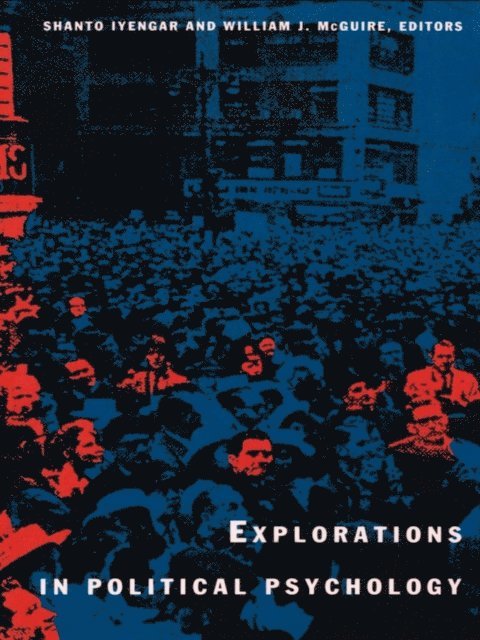
Explorations in Political Psychology
Av Shanto Iyengar, William J. McGuire
Häftad, 1993
431 kr
Lägg i varukorg
Mapping the territory where political science and psychology intersect, Explorations in Political Psychology offers a broad overview of the the field of political psychology-from itshistorical evolution as an area of inquiry to the rich and eclectic array of theories, concepts, and methods that …
Explorations in Political Psychology
Av William J. McGuire, Shanto Iyengar
E-bok, 1993
671 kr
Lägg i varukorg
Mapping the territory where political science and psychology intersect, Explorations in Political Psychology offers a broad overview of the the field of political psychology—from its historical evolution as an area of inquiry to the rich and eclectic array of theories, concepts, and methods that …
Political Communication in China
Convergence or Divergence Between the Media and Political System?
Av Shanto Iyengar, Wenfang Tang
E-bok, 2013
866 kr
Lägg i varukorg
It is widely recognised that the Chinese Communist Party (CCP) uses the media to set the agenda for political discourse, propagate official policies, monitor public opinion, and rally regime support. State agencies in China control the full spectrum of media programming, either through ownership or …
Political Communication in China
Convergence or Divergence Between the Media and Political System?
Av Shanto Iyengar, Wenfang Tang
E-bok, 2013
866 kr
Lägg i varukorg
It is widely recognised that the Chinese Communist Party (CCP) uses the media to set the agenda for political discourse, propagate official policies, monitor public opinion, and rally regime support. State agencies in China control the full spectrum of media programming, either through ownership or …
Going Negative
Av Stephen Ansolabehere, Shanto Iyengar
E-bok, 2010
169 kr
Lägg i varukorg
Political advertising has been called the worst cancer in American society. Ads cost millions, and yet the entire campaign season is now filled with nasty and personal attacks. In this landmark six-year study, two of the nation''s leading political scientists show exactly how cancerous the ad spot …