Sharmila Rudrappa - Böcker
Visar alla böcker från författaren Sharmila Rudrappa. Handla med fri frakt och snabb leverans.
4 produkter
4 produkter
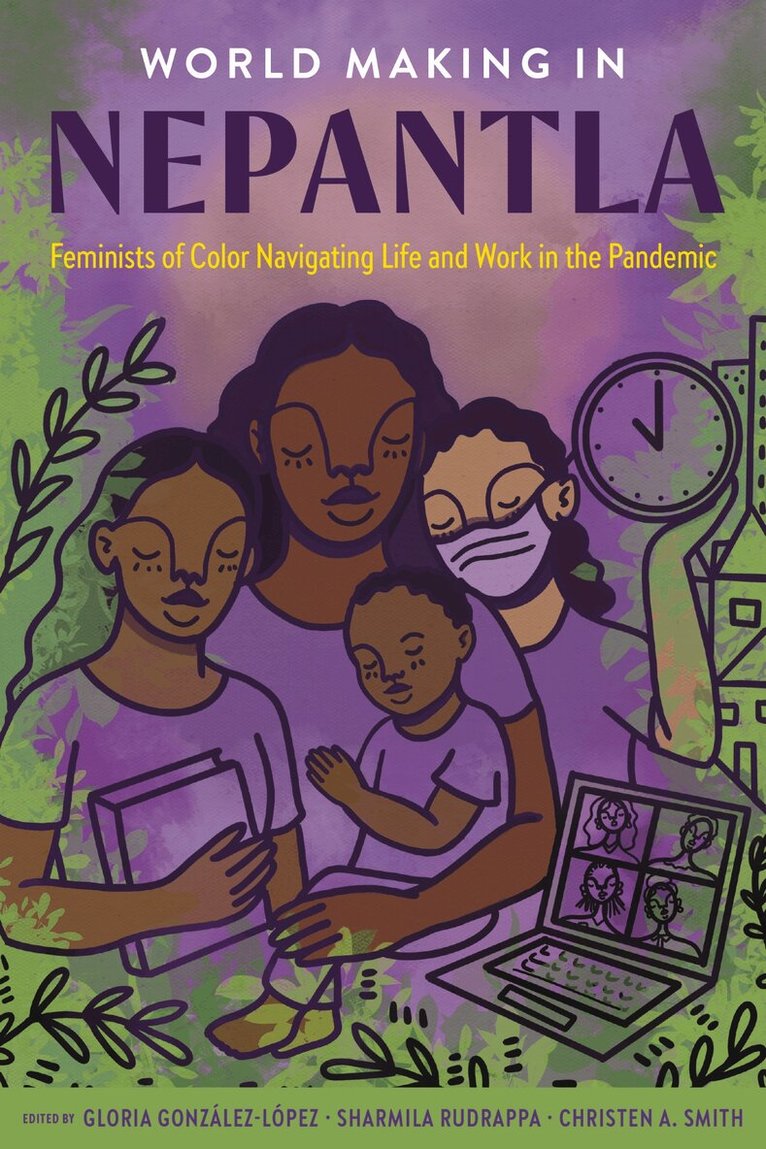
World Making in Nepantla
Feminists of Color Navigating Life and Work in the Pandemic
Inbunden, Engelska, 2026
1 111 kr
Skickas inom 7-10 vardagar
Writings from feminist scholars of color about their experiences during the pandemic.Bringing uncertainty, fear, and change, the COVID-19 pandemic shook the world, altered people’s lives, and sparked a wave of introspection. Underserved communities-people of color, women, and queer people among them-were affected the most, and their experiences, in turn, reflected hope and opportunities to reinvent themselves individually and collectively. Drawing on Gloria AnzaldÚa’s use of nepantla-the NÁhuatl word meaning “in-between space,” the en medio and a liminal space between worlds imbued with change-World Making in Nepantla collects writings about the hurdles feminist scholars of color faced during the pandemic years. Contributors explore how COVID affected feminist scholars of color while recognizing the ways in which inequality influences experience and also celebrating the resilience of communities all over the world. Dispatches from classrooms and quarantined homes and introspective essays on disability, mutual aid, and borders are included among the essays here. These pieces serve as a concrete record, capturing an ephemeral time already being lost to memory. Created during the heart of the pandemic, World Making in Nepantla is an honest and intimate recording of how feminist scholars of color navigated struggles and found strength during an era that forever changed the modern world.
World Making in Nepantla
Feminists of Color Navigating Life and Work in the Pandemic
Häftad, Engelska, 2026
347 kr
Skickas
Writings from feminist scholars of color about their experiences during the pandemic.Bringing uncertainty, fear, and change, the COVID-19 pandemic shook the world, altered people’s lives, and sparked a wave of introspection. Underserved communities-people of color, women, and queer people among them-were affected the most, and their experiences, in turn, reflected hope and opportunities to reinvent themselves individually and collectively. Drawing on Gloria AnzaldÚa’s use of nepantla-the NÁhuatl word meaning “in-between space,” the en medio and a liminal space between worlds imbued with change-World Making in Nepantla collects writings about the hurdles feminist scholars of color faced during the pandemic years. Contributors explore how COVID affected feminist scholars of color while recognizing the ways in which inequality influences experience and also celebrating the resilience of communities all over the world. Dispatches from classrooms and quarantined homes and introspective essays on disability, mutual aid, and borders are included among the essays here. These pieces serve as a concrete record, capturing an ephemeral time already being lost to memory. Created during the heart of the pandemic, World Making in Nepantla is an honest and intimate recording of how feminist scholars of color navigated struggles and found strength during an era that forever changed the modern world.
362 kr
Skickas inom 7-10 vardagar
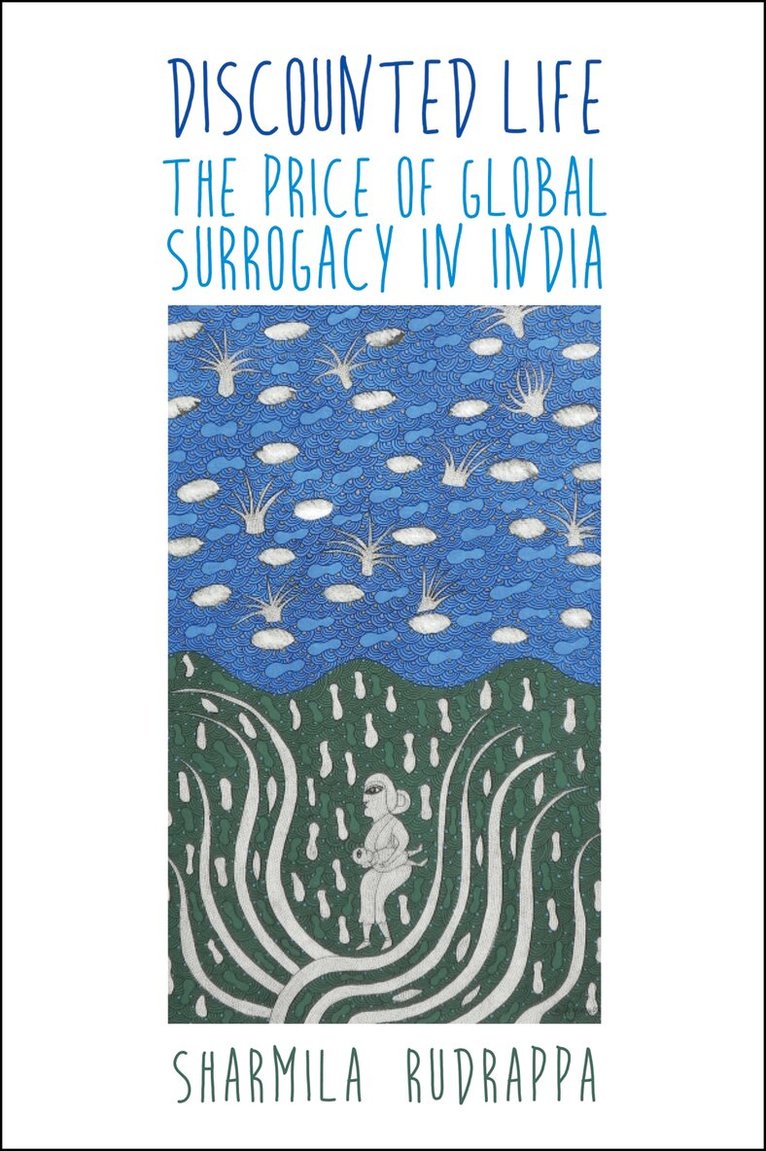
Winner, American Sociological Association Asia and Asian America Section Best Book on Asia/Transnational AsiaFinalist, 2015 C. Wright Mills Award from the Society for the Study of Social Problems India is the top provider of surrogacy services in the world, with a multi-million dollar surrogacy industry that continues to grow exponentially, as increasing numbers of couples from developed nations look for wombs in which to grow their babies. Some scholars have exulted transnational surrogacy for the possibilities it opens for infertile couples, while others have offered bioethical cautionary tales, rebuked exploitative intended parents, or lamented the exploitation of surrogate mothers—but very little is known about the experience of and transaction between surrogate mothers and intended parents outside the lens of the many agencies that control surrogacy in India. Drawing from rich interviews with surrogate mothers and egg donors in Bangalore, as well as twenty straight and gay couples in the U.S. and Australia, Discounted Life focuses on the processes of social and market exchange in transnational surrogacy. Sharmila Rudrappa interrogates the creation and maintenance of reproductive labor markets, the function of agencies and surrogacy brokers, and how women become surrogate mothers. Is surrogacy solely a labor contract for which the surrogate mother receives wages, or do its meanings and import exceed the confines of the market? Rudrappa argues that this reproductive industry is organized to control and disempower women workers and yet her interviews reveal that, by and large, the surrogate mothers in Bangalore found the experience life affirming. Rudrappa explores this tension, and the lived realities of many surrogate mothers whose deepening bodily commodification is paradoxically experienced as a revitalizing life development. A detailed and moving study, Discounted Life delineates how local labor markets intertwine with global reproduction industries, how Bangalore's surrogate mothers make sense of their participation in reproductive assembly lines, and the remarkable ways in which they negotiate positions of power for themselves in progressively untenable socio-economic conditions.
1 154 kr
Skickas inom 10-15 vardagar
Winner, American Sociological Association Asia and Asian America Section Best Book on Asia/Transnational AsiaFinalist, 2015 C. Wright Mills Award from the Society for the Study of Social Problems India is the top provider of surrogacy services in the world, with a multi-million dollar surrogacy industry that continues to grow exponentially, as increasing numbers of couples from developed nations look for wombs in which to grow their babies. Some scholars have exulted transnational surrogacy for the possibilities it opens for infertile couples, while others have offered bioethical cautionary tales, rebuked exploitative intended parents, or lamented the exploitation of surrogate mothers—but very little is known about the experience of and transaction between surrogate mothers and intended parents outside the lens of the many agencies that control surrogacy in India. Drawing from rich interviews with surrogate mothers and egg donors in Bangalore, as well as twenty straight and gay couples in the U.S. and Australia, Discounted Life focuses on the processes of social and market exchange in transnational surrogacy. Sharmila Rudrappa interrogates the creation and maintenance of reproductive labor markets, the function of agencies and surrogacy brokers, and how women become surrogate mothers. Is surrogacy solely a labor contract for which the surrogate mother receives wages, or do its meanings and import exceed the confines of the market? Rudrappa argues that this reproductive industry is organized to control and disempower women workers and yet her interviews reveal that, by and large, the surrogate mothers in Bangalore found the experience life affirming. Rudrappa explores this tension, and the lived realities of many surrogate mothers whose deepening bodily commodification is paradoxically experienced as a revitalizing life development. A detailed and moving study, Discounted Life delineates how local labor markets intertwine with global reproduction industries, how Bangalore's surrogate mothers make sense of their participation in reproductive assembly lines, and the remarkable ways in which they negotiate positions of power for themselves in progressively untenable socio-economic conditions.