Sharra L. Vostral - Böcker
Visar alla böcker från författaren Sharra L. Vostral. Handla med fri frakt och snabb leverans.
4 produkter
4 produkter
1 486 kr
Skickas inom 5-8 vardagar
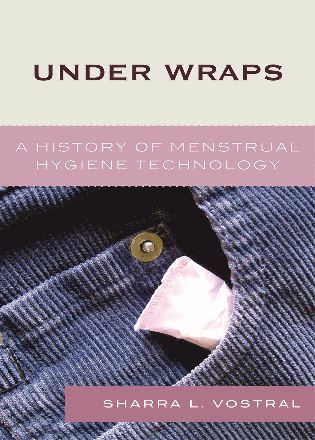
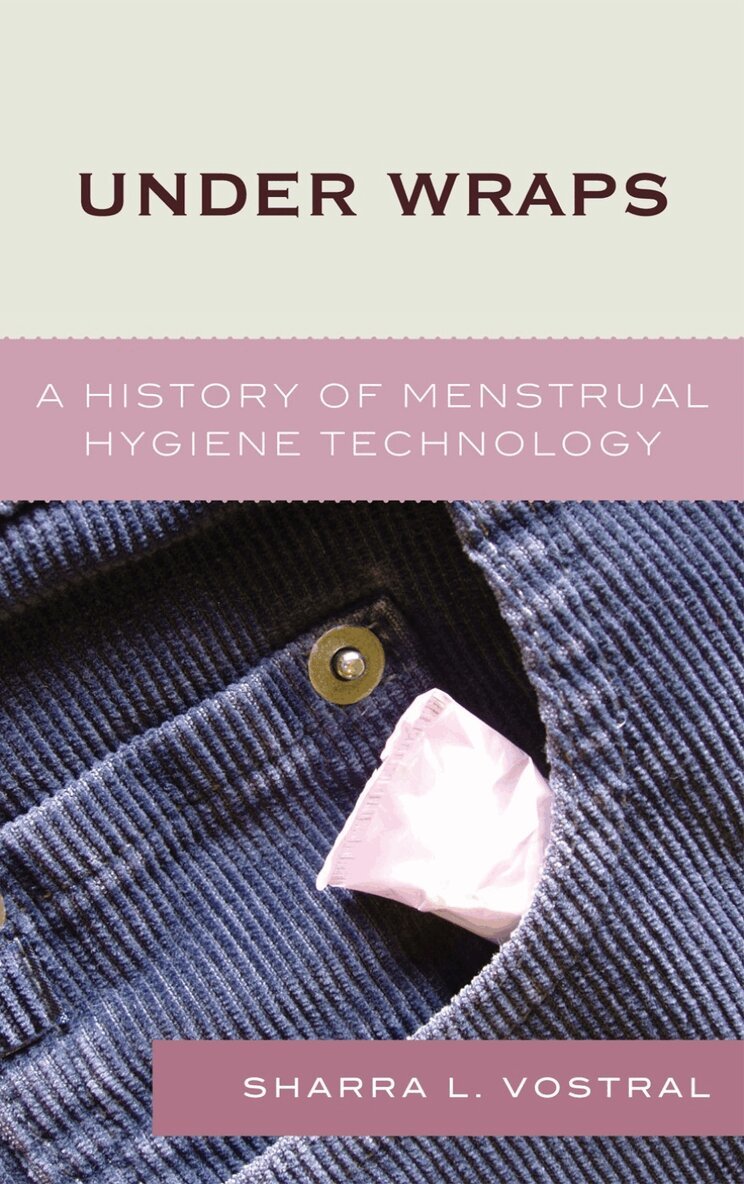
Menstruation provides one of the few shared bodily functions that most women will experience during their lifetimes. Yet, these experiences are anything but common. In the United States, for the better part of the twentieth century, menstruation went hand-in-glove with menstrual hygiene. But how and why did this occur? This book looks at the social history of menstrual hygiene by examining it as a technology. In doing so, the lens of technology provides a way to think about menstrual artifacts, how the artifacts are used, and how women gained the knowledge and skills to use them. As technological users, women developed great savvy in manipulating belts, pins, and pads, and using tampons to effectively mask their entire menstrual period. This masking is a form of passing, though it is not often thought of in that way. By using a technology of passing, a woman might pass temporarily as a non-bleeder, which could help her perform her work duties and not get fired or maintain social engagements like swimming at a summer party and not be marked as having her period. How women use technologies of passing, and the resulting politics of secrecy, are a part of women's history that has remained under wraps.
789 kr
Skickas inom 5-8 vardagar
Menstruation provides one of the few shared bodily functions that most women will experience during their lifetimes. Yet, these experiences are anything but common. In the United States, for the better part of the twentieth century, menstruation went hand-in-glove with menstrual hygiene. But how and why did this occur? This book looks at the social history of menstrual hygiene by examining it as a technology. In doing so, the lens of technology provides a way to think about menstrual artifacts, how the artifacts are used, and how women gained the knowledge and skills to use them. As technological users, women developed great savvy in manipulating belts, pins, and pads, and using tampons to effectively mask their entire menstrual period. This masking is a form of passing, though it is not often thought of in that way. By using a technology of passing, a woman might pass temporarily as a non-bleeder, which could help her perform her work duties and not get fired or maintain social engagements like swimming at a summer party and not be marked as having her period. How women use technologies of passing, and the resulting politics of secrecy, are a part of women's history that has remained under wraps.
346 kr
Skickas inom 7-10 vardagar
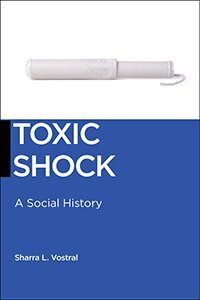
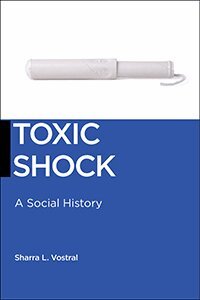
A history of Toxic Shock Syndrome In 1978, doctors in Denver, Colorado observed several healthy children who suddenly and mysteriously developed a serious, life-threatening illness with no visible source. Their condition, which doctors dubbed 'toxic shock syndrome' (TSS) was rare, but observed with increasing frequency over the next few years in young women, and was soon learned to be associated with a bacterium and the use of high-absorbency tampons that had only recently gone on the market. In 1980, the Centers for Disease Control identified Rely tampons, produced by Procter & Gamble, as having the greatest association with TSS over every other tampon, and the company withdrew them from the market. To this day, however, women are frequently warned about contracting TSS through tampon use, even though very few cases are diagnosed each year. Historian Sharra Vostral's Toxic Shock is the first and definitive history of TSS. Vostral shows how commercial interests negatively affected women's health outcomes; the insufficient testing of the first super-absorbency tampon; how TSS became a 'women's disease,' for which women must constantly monitor their own bodies. Further, Vostral discusses the awkward, veiled and vague ways public health officials and the media discussed the risks of contracting TSS through tampon use because of social taboos around discussing menstruation, and how this has hampered regulatory actions and health communication around TSS, tampon use, and product safety. A study at the intersection of public health and social history, Toxic Shock brings to light the complexities behind a stigmatized and under-discussed issue in women's reproductive health. Importantly, Vostral warns that as we move forward with more and more joint replacements, implants, and internal medical devices, we must understand the relationship of technology to bacteria and recognize that both can be active agents within the human body. In other words, unexpected consequences and risks of bacteria and technology interacting with each other remain.
1 092 kr
Skickas inom 10-15 vardagar
A history of Toxic Shock Syndrome In 1978, doctors in Denver, Colorado observed several healthy children who suddenly and mysteriously developed a serious, life-threatening illness with no visible source. Their condition, which doctors dubbed 'toxic shock syndrome' (TSS) was rare, but observed with increasing frequency over the next few years in young women, and was soon learned to be associated with a bacterium and the use of high-absorbency tampons that had only recently gone on the market. In 1980, the Centers for Disease Control identified Rely tampons, produced by Procter & Gamble, as having the greatest association with TSS over every other tampon, and the company withdrew them from the market. To this day, however, women are frequently warned about contracting TSS through tampon use, even though very few cases are diagnosed each year. Historian Sharra Vostral's Toxic Shock is the first and definitive history of TSS. Vostral shows how commercial interests negatively affected women's health outcomes; the insufficient testing of the first super-absorbency tampon; how TSS became a 'women's disease,' for which women must constantly monitor their own bodies. Further, Vostral discusses the awkward, veiled and vague ways public health officials and the media discussed the risks of contracting TSS through tampon use because of social taboos around discussing menstruation, and how this has hampered regulatory actions and health communication around TSS, tampon use, and product safety. A study at the intersection of public health and social history, Toxic Shock brings to light the complexities behind a stigmatized and under-discussed issue in women's reproductive health. Importantly, Vostral warns that as we move forward with more and more joint replacements, implants, and internal medical devices, we must understand the relationship of technology to bacteria and recognize that both can be active agents within the human body. In other words, unexpected consequences and risks of bacteria and technology interacting with each other remain.