Shelley Weinberg - Böcker
Visar alla böcker från författaren Shelley Weinberg. Handla med fri frakt och snabb leverans.
3 produkter
3 produkter
1 078 kr
Skickas inom 7-10 vardagar
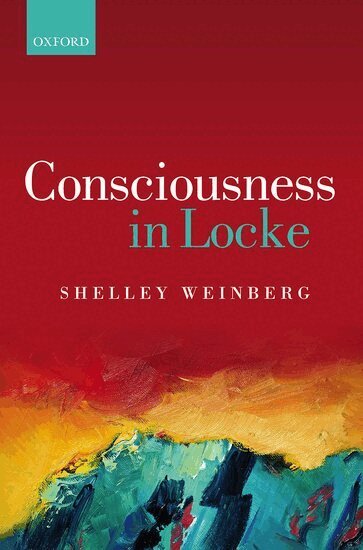
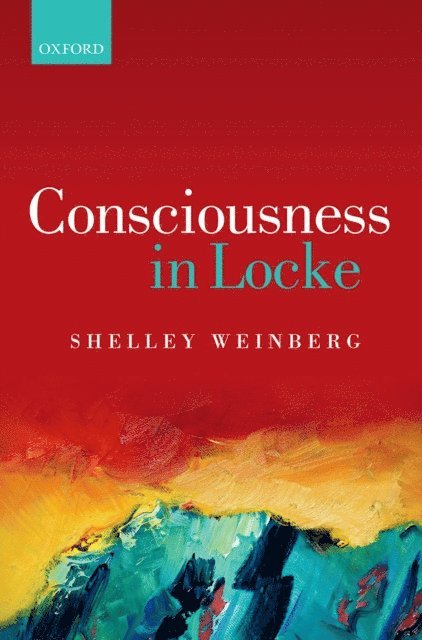
Shelley Weinberg argues that the idea of consciousness as a form of non-evaluative self-awareness runs through and helps to solve some of the thorniest issues in Locke's philosophy: in his philosophical psychology and in his theories of knowledge, personal identity, and moral agency. Central to her account is that perceptions of ideas are complex mental states wherein consciousness is a constituent. Such an interpretation answers charges of inconsistency in Locke's model of the mind and lends coherence to a puzzling aspect of Locke's theory of knowledge: how we know individual things (particular ideas, ourselves, and external objects) when knowledge is defined as the perception of an agreement, or relation, of ideas. In each case, consciousness helps to forge the relation, resulting in a structurally integrated account of our knowledge of particulars fully consistent with the general definition. This model also explains how we achieve the unity of consciousness with past and future selves necessary for Locke's accounts of moral responsibility and moral motivation. And with help from other of his metaphysical commitments, consciousness so interpreted allows Locke's theory of personal identity to resist well-known accusations of circularity, failure of transitivity, and insufficiency for his theological and moral concerns. Although virtually every Locke scholar writes on at least some of these topics, the model of consciousness set forth here provides for an analysis all of these issues as bound together by a common thread.
671 kr
Skickas inom 10-15 vardagar
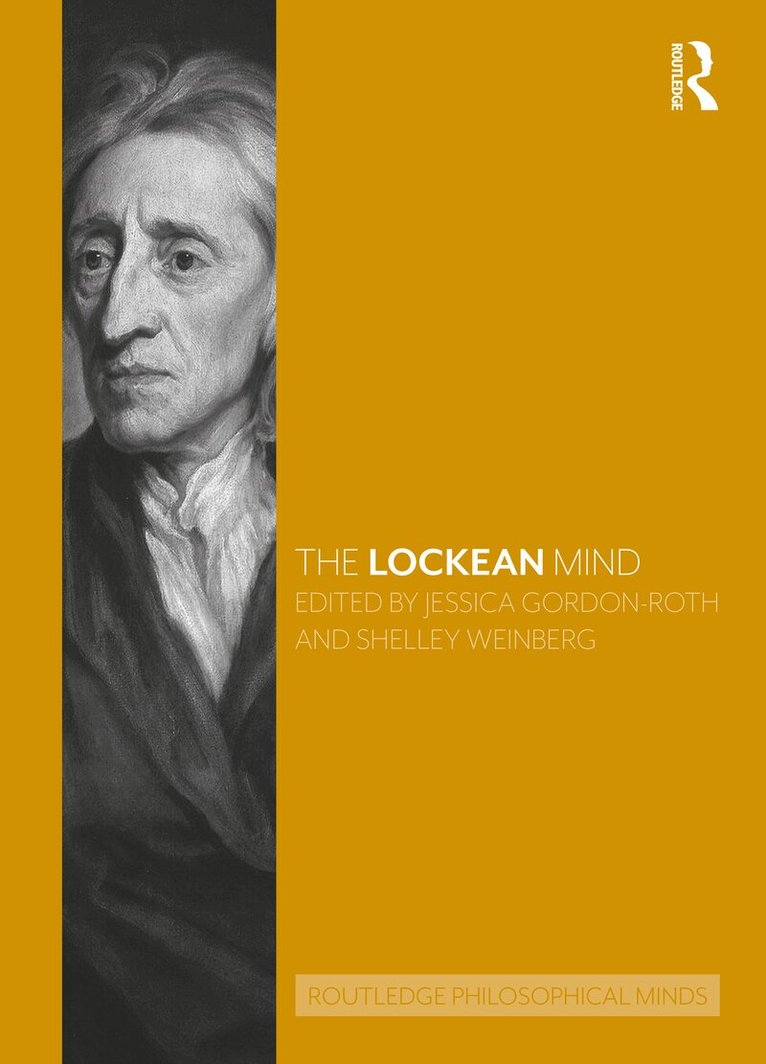
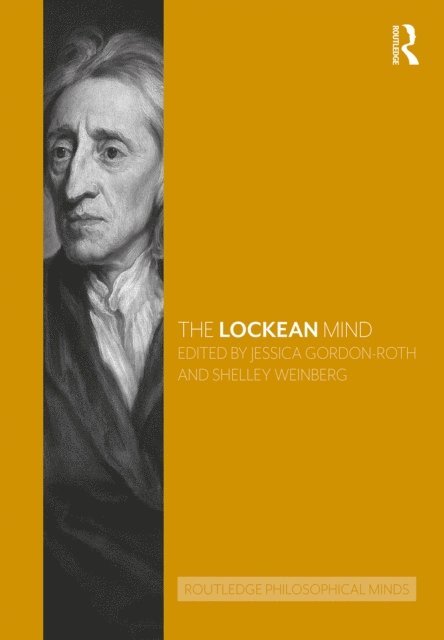
John Locke (1632–1704) is considered one of the most important philosophers of the modern era and the first of what are often called ‘the Great British Empiricists.’ His major work, An Essay Concerning Human Understanding, was the single most widely read academic text in Britain for fifty years after its publication and set new limits to the scope and certainty of what we can claim to know about ourselves and the natural world. The Declaration of Independence and the United States Constitution were both highly influenced by Locke’s libertarian philosophical ideas, and Locke continues to have an impact on political thought, both conservative and liberal. It is less commonly known that Locke was a practicing physician, an influential interpreter of the Bible, and a policy maker in the English Carolina colonies.The Lockean Mind provides a comprehensive survey of Locke’s work, not only placing it in its historical context but also exploring its contemporary significance. Comprising almost sixty chapters by a superb team of international contributors, the volume is divided into twelve parts covering the full range of Locke’s thought: Historical BackgroundLocke’s InterlocutorsLocke’s EpistemologyLocke’s Philosophy of MindLocke on Philosophy of Language and LogicLocke’s MetaphysicsLocke’s Natural PhilosophyLocke’s Moral PhilosophyLocke on EducationLocke’s Political PhilosophyLocke’s Social PhilosophyLocke on ReligionEssential reading for students and researchers in philosophy, Locke’s work is central to epistemology; metaphysics; philosophy of mind; philosophy of language; natural philosophy; ethical, legal-political, and social philosophy; as well as philosophy of education and philosophy of religion. This volume will also be a valuable resource to those in related humanities and social sciences disciplines with an interest in John Locke.
3 264 kr
Skickas inom 10-15 vardagar
John Locke (1632–1704) is considered one of the most important philosophers of the modern era and the first of what are often called ‘the Great British Empiricists.’ His major work, An Essay Concerning Human Understanding, was the single most widely read academic text in Britain for fifty years after its publication and set new limits to the scope and certainty of what we can claim to know about ourselves and the natural world. The Declaration of Independence and the United States Constitution were both highly influenced by Locke’s libertarian philosophical ideas, and Locke continues to have an impact on political thought, both conservative and liberal. It is less commonly known that Locke was a practicing physician, an influential interpreter of the Bible, and a policy maker in the English Carolina colonies.The Lockean Mind provides a comprehensive survey of Locke’s work, not only placing it in its historical context but also exploring its contemporary significance. Comprising almost sixty chapters by a superb team of international contributors, the volume is divided into twelve parts covering the full range of Locke’s thought: Historical BackgroundLocke’s InterlocutorsLocke’s EpistemologyLocke’s Philosophy of MindLocke on Philosophy of Language and LogicLocke’s MetaphysicsLocke’s Natural PhilosophyLocke’s Moral PhilosophyLocke on EducationLocke’s Political PhilosophyLocke’s Social PhilosophyLocke on ReligionEssential reading for students and researchers in philosophy, Locke’s work is central to epistemology; metaphysics; philosophy of mind; philosophy of language; natural philosophy; ethical, legal-political, and social philosophy; as well as philosophy of education and philosophy of religion. This volume will also be a valuable resource to those in related humanities and social sciences disciplines with an interest in John Locke.