Shen Wei – författare
Visar alla böcker från författaren Shen Wei. Handla med fri frakt och snabb leverans.
19 produkter
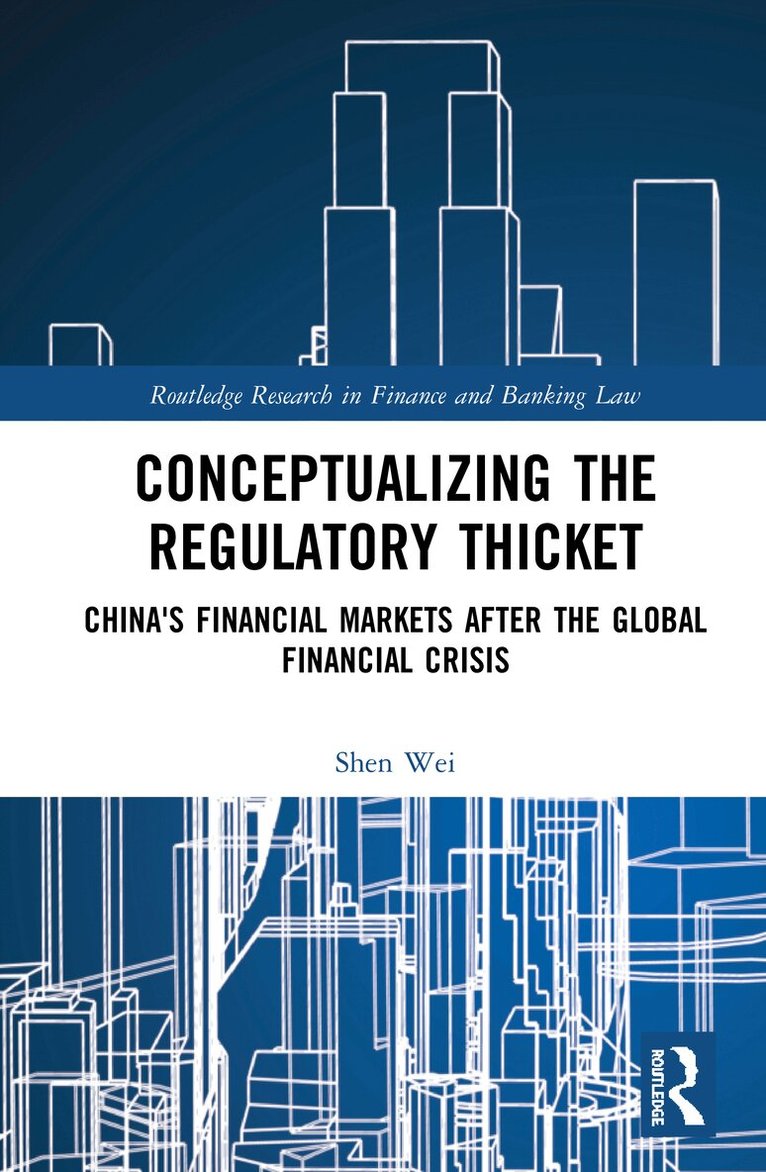
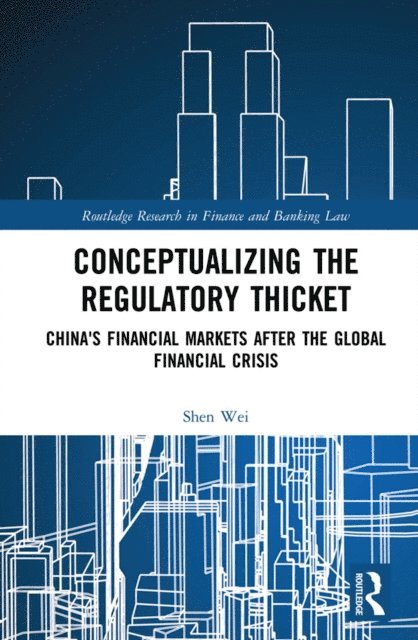
Conceptualizing the Regulatory Thicket
China's Financial Markets after the Global Financial Crisis
Av Shen Wei
Inbunden, 2020
2303 kr
Lägg i varukorg
This book examines the regulatory framework, regulatory objectives, regulatory logics, regulatory instruments, regulatory failures, and regulatory responses in China’s financial market after the global financial crisis. The book provides an in-depth analysis of China’s contemporary financial …
Conceptualizing the Regulatory Thicket
China's Financial Markets after the Global Financial Crisis
Av Shen Wei
Häftad, 2022
781 kr
Lägg i varukorg
This book examines the regulatory framework, regulatory objectives, regulatory logics, regulatory instruments, regulatory failures, and regulatory responses in China’s financial market after the global financial crisis. The book provides an in-depth analysis of China’s contemporary financial …
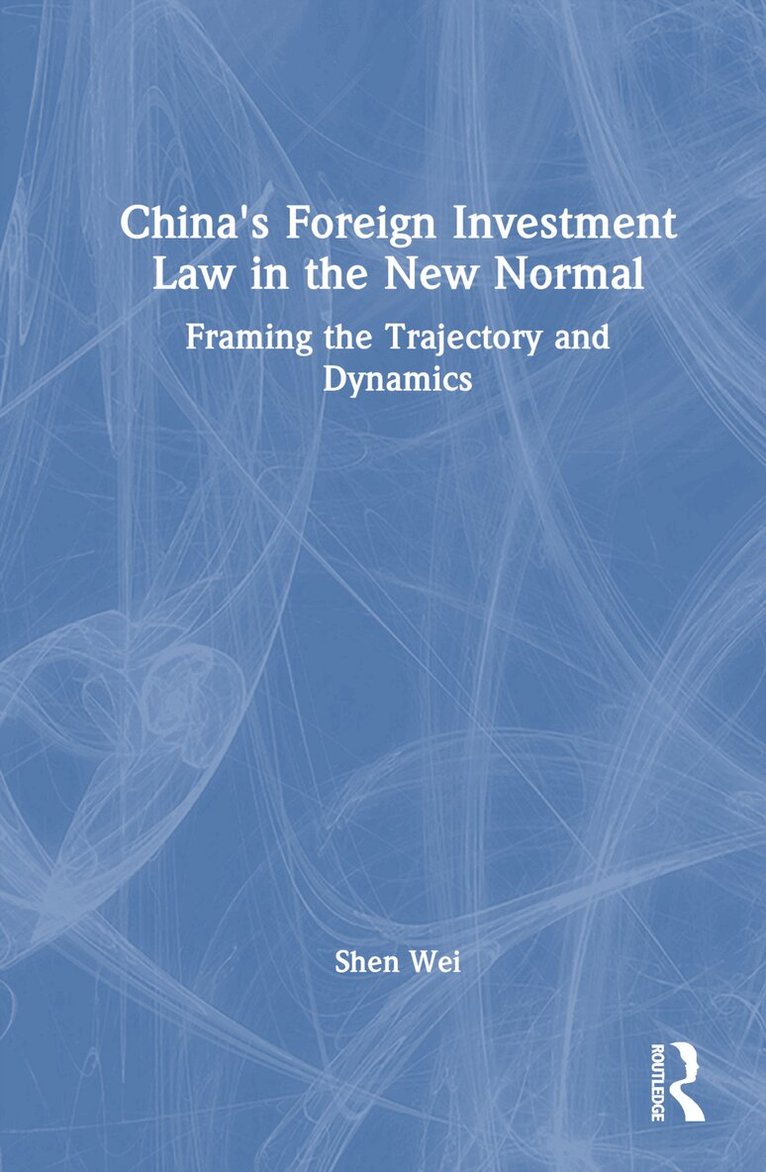
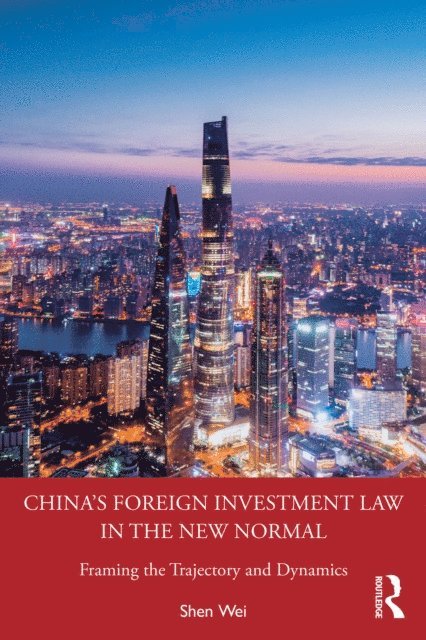
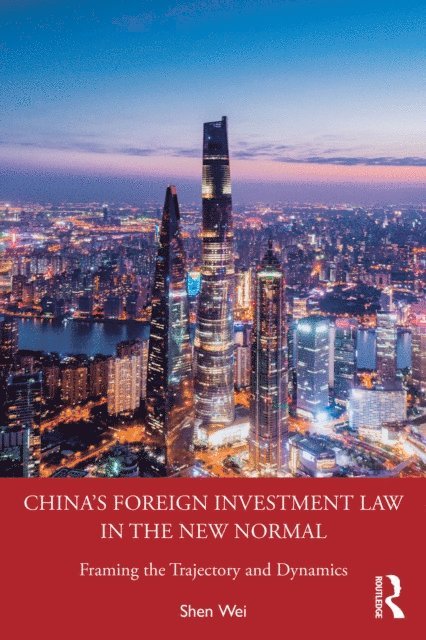
China's Foreign Investment Law in the New Normal
Framing the Trajectory and Dynamics
Av Shen Wei
Inbunden, 2022
2517 kr
Lägg i varukorg
This book analyzes China's new foreign investment law which came into force in January 2020. The new law implemented sweeping changes and overhauled China’s foreign investment law regime of the last four decades. The foreign investment law aims to make the business environment more …
China's Foreign Investment Law in the New Normal
Framing the Trajectory and Dynamics
Av Shen Wei
Häftad, 2022
701 kr
Lägg i varukorg
This book analyzes China's new foreign investment law which came into force in January 2020. The new law implemented sweeping changes and overhauled China’s foreign investment law regime of the last four decades. The foreign investment law aims to make the business environment more …
Conceptualizing the Regulatory Thicket
China''s Financial Markets after the Global Financial Crisis
Av Shen Wei
E-bok, 2020
904 kr
Lägg i varukorg
This book examines the regulatory framework, regulatory objectives, regulatory logics, regulatory instruments, regulatory failures, and regulatory responses in China’s financial market after the global financial crisis. The book provides an in-depth analysis of China’s contemporary financial …
Conceptualizing the Regulatory Thicket
China''s Financial Markets after the Global Financial Crisis
Av Shen Wei
E-bok, 2020
924 kr
Lägg i varukorg
This book examines the regulatory framework, regulatory objectives, regulatory logics, regulatory instruments, regulatory failures, and regulatory responses in China’s financial market after the global financial crisis. The book provides an in-depth analysis of China’s contemporary financial …
China's Foreign Investment Law in the New Normal
Framing the Trajectory and Dynamics
Av Shen Wei
E-bok, 2022
829 kr
Lägg i varukorg
This book analyzes China''s new foreign investment law which came into force in January 2020. The new law implemented sweeping changes and overhauled China’s foreign investment law regime of the last four decades. The foreign investment law aims to make the business environment more …
China's Foreign Investment Law in the New Normal
Framing the Trajectory and Dynamics
Av Shen Wei
E-bok, 2022
907 kr
Lägg i varukorg
This book analyzes China''s new foreign investment law which came into force in January 2020. The new law implemented sweeping changes and overhauled China’s foreign investment law regime of the last four decades. The foreign investment law aims to make the business environment more …
Decoding Chinese Bilateral Investment Treaties
Av Shen Wei
Inbunden, 2021
1648 kr
Lägg i varukorg
This is a major work investigating China's bilateral investment treaties (BITs) regime through various approaches including textual analysis, case study, comparative study and empirical study. This book tries to unveil some of the puzzles in Chinese BITs. The general consensus is that the evolution …
Decoding Chinese Bilateral Investment Treaties
Av Shen Wei
Häftad, 2024
463 kr
Lägg i varukorg
This is a major work investigating China's bilateral investment treaties (BITs) regime through various approaches including textual analysis, case study, comparative study and empirical study. This book tries to unveil some of the puzzles in Chinese BITs. The general consensus is that the evolution …
Decoding Chinese Bilateral Investment Treaties
Av Shen Wei
E-bok, 2021
450 kr
Lägg i varukorg
This is a major work investigating China''s bilateral investment treaties (BITs) regime through various approaches including textual analysis, case study, comparative study and empirical study. This book tries to unveil some of the puzzles in Chinese BITs. The general consensus is that the …
Decoding Chinese Bilateral Investment Treaties
Av Shen Wei
E-bok, 2021
450 kr
Lägg i varukorg
This is a major work investigating China''s bilateral investment treaties (BITs) regime through various approaches including textual analysis, case study, comparative study and empirical study. This book tries to unveil some of the puzzles in Chinese BITs. The general consensus is that the …
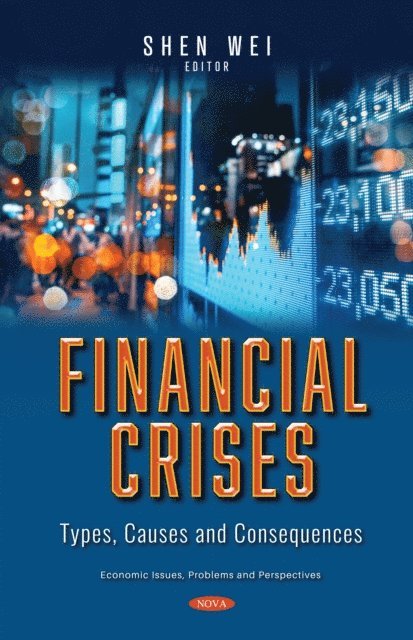
Financial Crises: Types, Causes and Consequences
Av Shen Wei
E-bok, 2020
3860 kr
Lägg i varukorg
While the world is witnessing a new wave of financial slowdown and great recession due to the coronavirus pandemic, the understanding of financial crises has not been complete. The contributors of this book look into financial crises from economic, legal, political science, social science lens with …
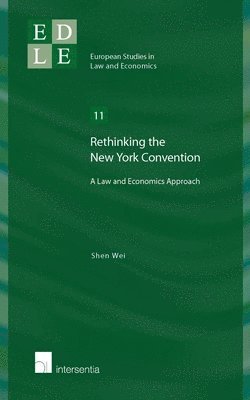
Rethinking the New York Convention
A Law and Economics Approach
Av Shen Wei
Häftad, 2013
1153 kr
Lägg i varukorg
The New York Convention is regarded as one of the most successful treaties in the past fifty-five years. Its simplicity and brevity in wording but complexity and diversity in application have triggered endless discussions, debates and writings. Rethinking the New York Convention - A Law and …
Shadow Banking in China
Risk, Regulation and Policy
Av Shen Wei
E-bok, 2016
422 kr
Lägg i varukorg
In light of the current regulatory regime in China''s banking sector, this book investigates the causes, key forms, potential risks and regulation of shadow banking in China. The first China-specific book of its kind, the author takes policy considerations into account whilst providing an analysis …
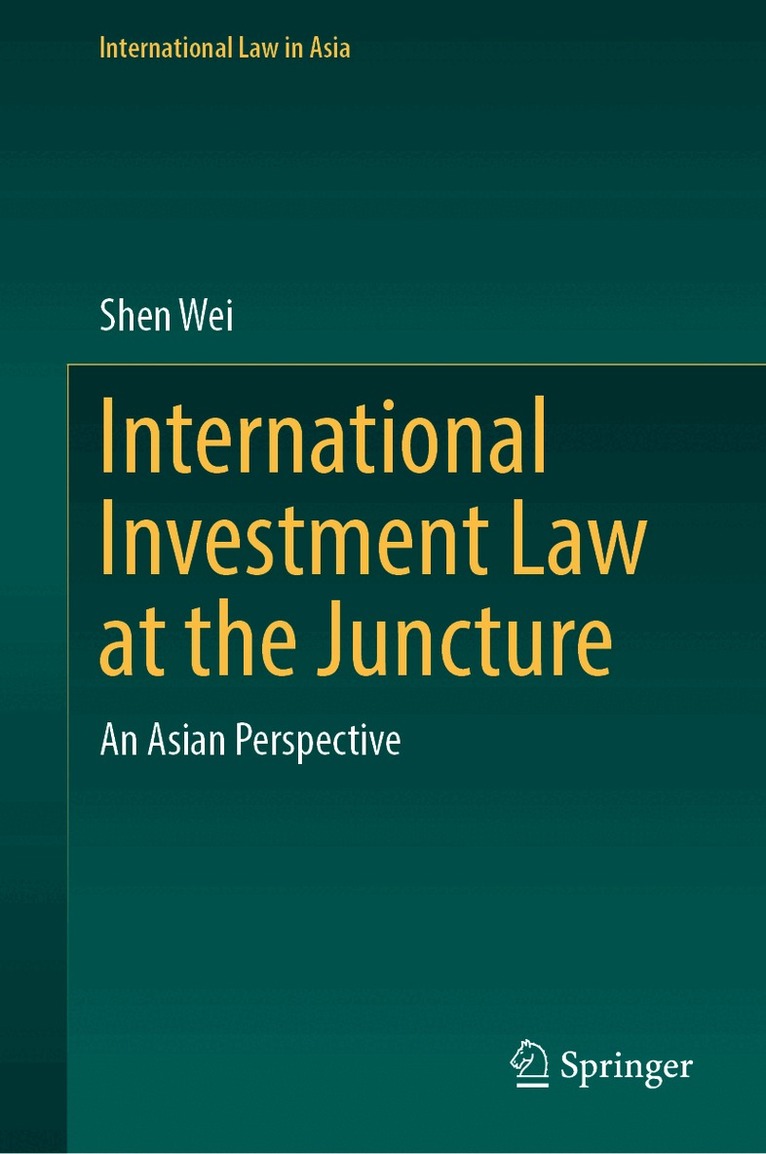
International Investment Law at the Juncture
An Asian Perspective
Av Shen Wei
Inbunden, 2024
2112 kr
Lägg i varukorg
The book focuses on some of the most pressing issues in international investment law in Asia, such as the role of developing countries, the rebalancing between the investors’ rights protection and the host states’ right to regulate, the ISDS reform, among others. The book investigates these issues …
International Investment Law at the Juncture
An Asian Perspective
Av Shen Wei
E-bok, 2024
2991 kr
Lägg i varukorg
The book focuses on some of the most pressing issues in international investment law in Asia, such as the role of developing countries, the rebalancing between the investors’ rights protection and the host states’ right to regulate, the ISDS reform, among others. The book investigates these issues …
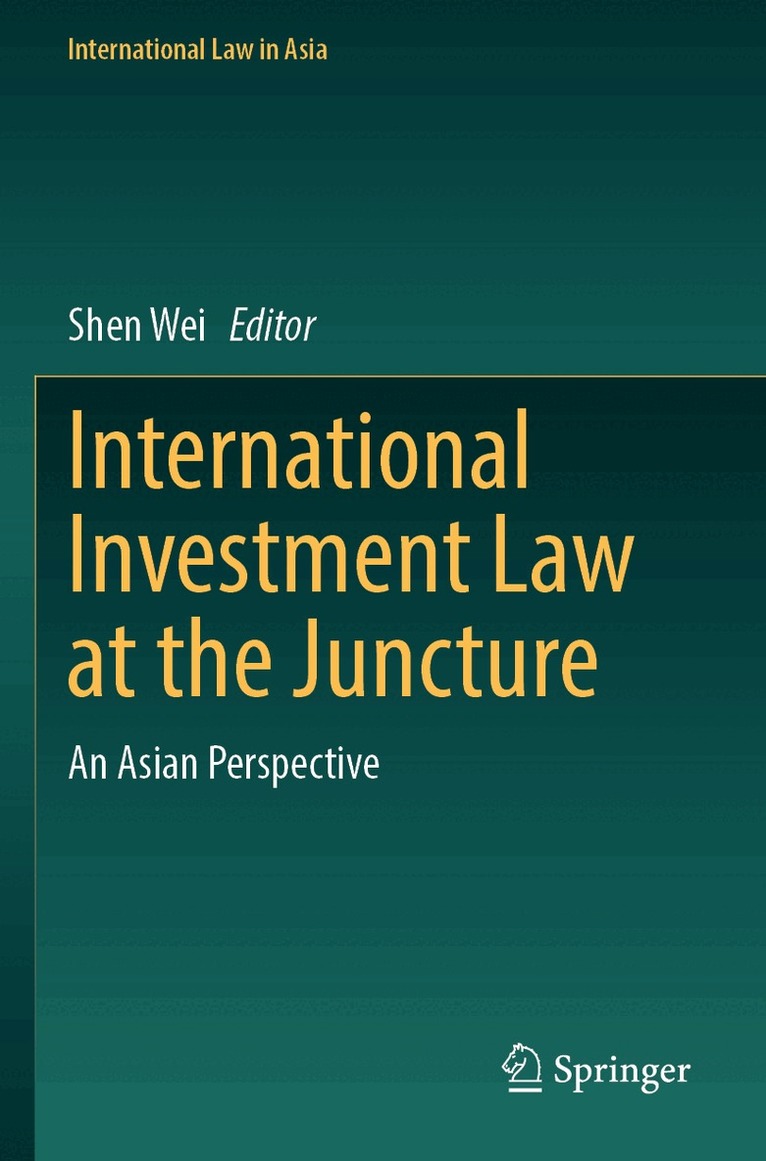
International Investment Law at the Juncture
An Asian Perspective
Av Shen Wei
Häftad, 2025
2209 kr
Lägg i varukorg
The book focuses on some of the most pressing issues in international investment law in Asia, such as the role of developing countries, the rebalancing between the investors’ rights protection and the host states’ right to regulate, the ISDS reform, among others. The book investigates these issues …