Sherita L. Johnson - Böcker
Visar alla böcker från författaren Sherita L. Johnson. Handla med fri frakt och snabb leverans.
4 produkter
4 produkter
798 kr
Skickas inom 10-15 vardagar
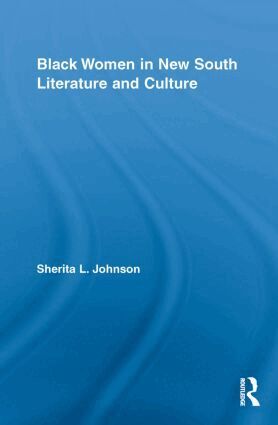
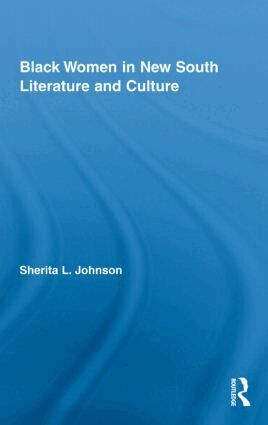
Using the "the Negro Problem" in African American literature as a point of departure, this book focuses on the profound impact that racism had on the literary imagination of black Americans, specifically those in the South. Although the South has been one of the most enduring sites of criticism in American Studies and in American literary history, Johnson argues that it is impossible to consider what the "South" and what "southernness" mean as cultural references without looking at how black women have contributed to and contested any unified definition of that region. Johnson challenges the homogeneity of a "white" South and southern cultural identity by recognizing how fictional and historical black women are underacknowledged agents of cultural change. Johnson regards the South as a cultural region that (re)constructs black womanhood, but she also considers how black womanhood have transformed the South. Specialists in nineteenth and twentieth century American literature will find this book a necessary addition, as will scholars of African American Literature and History.
2 410 kr
Skickas inom 10-15 vardagar
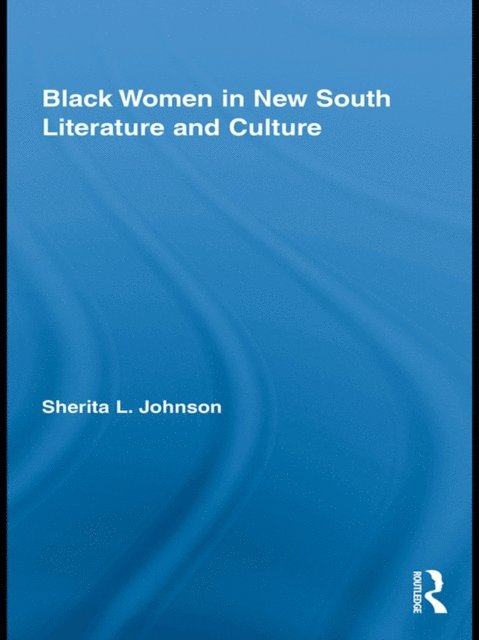
Using the "the Negro Problem" in African American literature as a point of departure, this book focuses on the profound impact that racism had on the literary imagination of black Americans, specifically those in the South. Although the South has been one of the most enduring sites of criticism in American Studies and in American literary history, Johnson argues that it is impossible to consider what the "South" and what "southernness" mean as cultural references without looking at how black women have contributed to and contested any unified definition of that region. Johnson challenges the homogeneity of a "white" South and southern cultural identity by recognizing how fictional and historical black women are underacknowledged agents of cultural change. Johnson regards the South as a cultural region that (re)constructs black womanhood, but she also considers how black womanhood have transformed the South. Specialists in nineteenth and twentieth century American literature will find this book a necessary addition, as will scholars of African American Literature and History.
318 kr
Skickas inom 7-10 vardagar
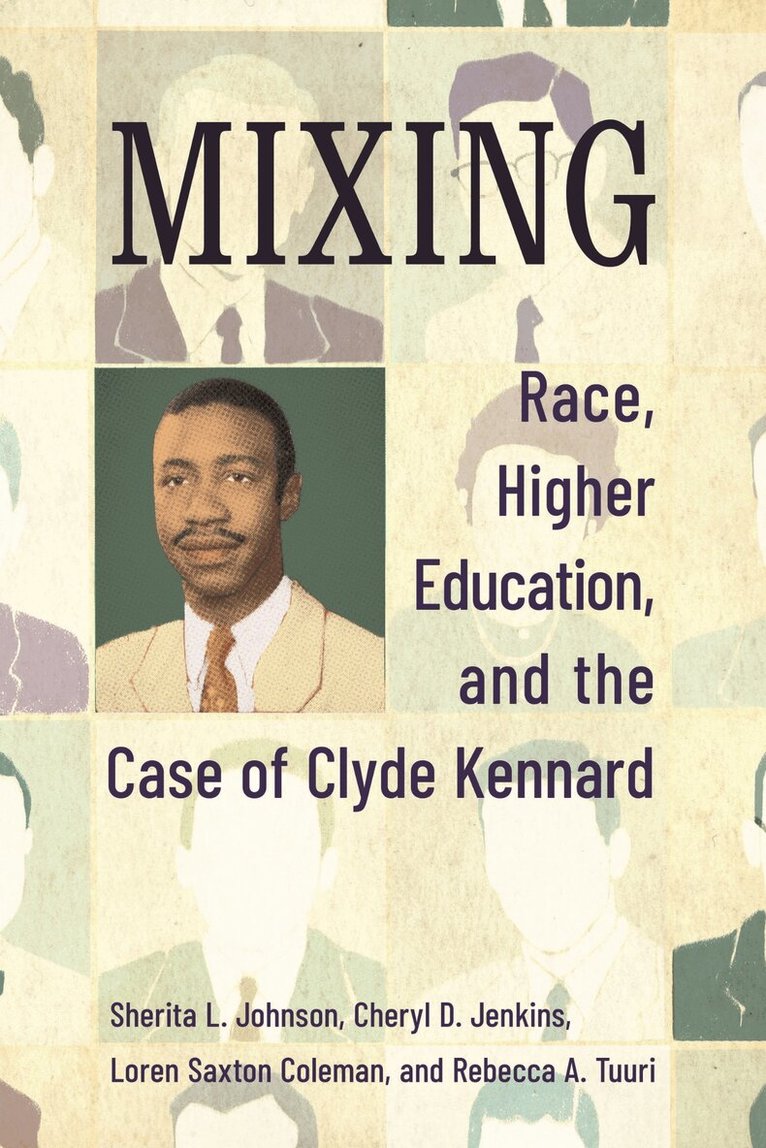
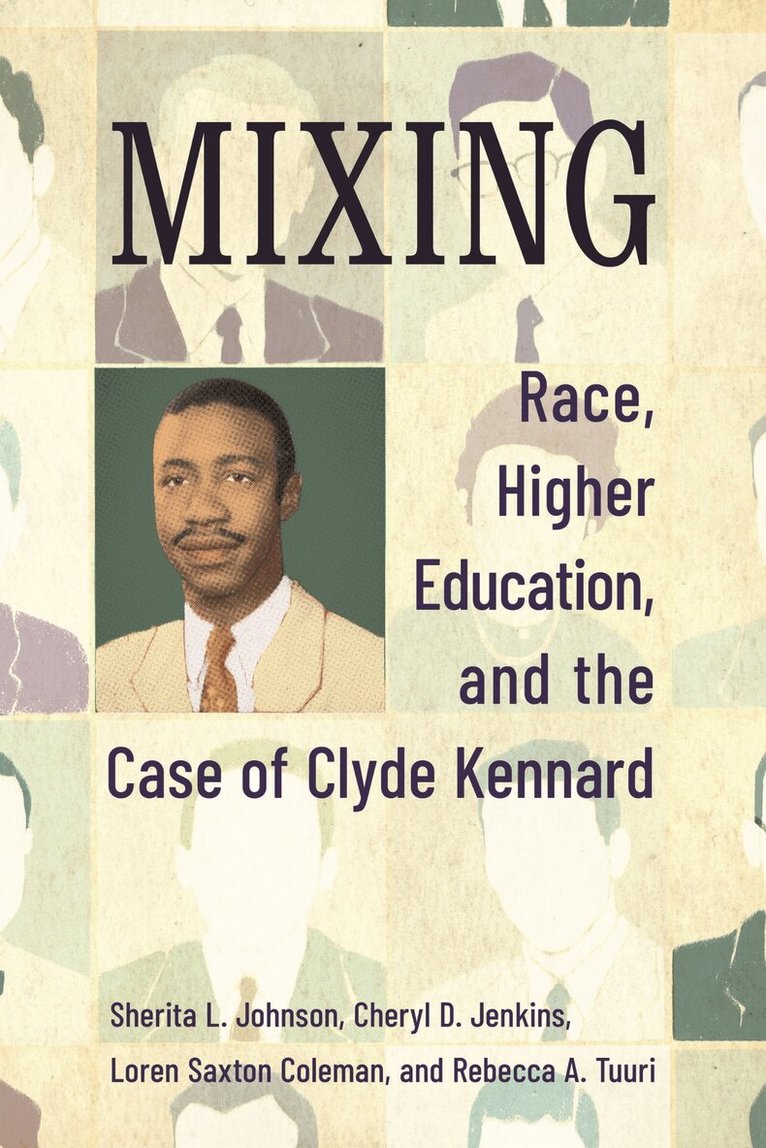
Clyde Kennard (1927–1963) was a determined and soft-spoken man whose fight to enroll at Mississippi Southern College (now the University of Southern Mississippi) in the 1950s highlighted the broader struggle for racial equality in education. Kennard’s efforts to desegregate higher education remain lesser known, but his impact on the movement for educational equality is undeniable. A veteran of the Korean War, Kennard’s desire to further his education led him to challenge the status quo, writing editorials in the Hattiesburg American in which he argued that educating people together, regardless of race, was essential for societal progress. His courageous stand against segregation subjected him to false arrests, imprisonment, and ultimately, his untimely death in 1963 without completing his degree. However, Kennard’s legacy persists as a symbol of the broader civil rights struggle, emphasizing the necessity of grassroots action in advancing justice. Through archival research and interdisciplinary analysis, Mixing: Race, Higher Education, and the Case of Clyde Kennard by Sherita L. Johnson, Cheryl D. Jenkins, Loren Saxton Coleman, and Rebecca A. Tuuri unearths Kennard’s story, examining his activism and contributions within the context of systemic racism and the fight for desegregation in higher education. This volume draws from periodicals, court documents, and student publications to recover Kennard’s case from the shadows of history. It emphasizes his efforts to empower African Americans and create lasting social change. Each chapter offers a unique perspective on Kennard’s life and legacy, particularly his influence on the Hattiesburg community and on students at the University of Southern Mississippi. Mixing is both a tribute to Kennard’s enduring fight for justice and a call to continue conversations about race, education, and social equity today.
1 075 kr
Skickas inom 7-10 vardagar
Clyde Kennard (1927–1963) was a determined and soft-spoken man whose fight to enroll at Mississippi Southern College (now the University of Southern Mississippi) in the 1950s highlighted the broader struggle for racial equality in education. Kennard’s efforts to desegregate higher education remain lesser known, but his impact on the movement for educational equality is undeniable. A veteran of the Korean War, Kennard’s desire to further his education led him to challenge the status quo, writing editorials in the Hattiesburg American in which he argued that educating people together, regardless of race, was essential for societal progress. His courageous stand against segregation subjected him to false arrests, imprisonment, and ultimately, his untimely death in 1963 without completing his degree. However, Kennard’s legacy persists as a symbol of the broader civil rights struggle, emphasizing the necessity of grassroots action in advancing justice. Through archival research and interdisciplinary analysis, Mixing: Race, Higher Education, and the Case of Clyde Kennard by Sherita L. Johnson, Cheryl D. Jenkins, Loren Saxton Coleman, and Rebecca A. Tuuri unearths Kennard’s story, examining his activism and contributions within the context of systemic racism and the fight for desegregation in higher education. This volume draws from periodicals, court documents, and student publications to recover Kennard’s case from the shadows of history. It emphasizes his efforts to empower African Americans and create lasting social change. Each chapter offers a unique perspective on Kennard’s life and legacy, particularly his influence on the Hattiesburg community and on students at the University of Southern Mississippi. Mixing is both a tribute to Kennard’s enduring fight for justice and a call to continue conversations about race, education, and social equity today.