Shoko Sakai – författare
Visar alla böcker från författaren Shoko Sakai. Handla med fri frakt och snabb leverans.
6 produkter
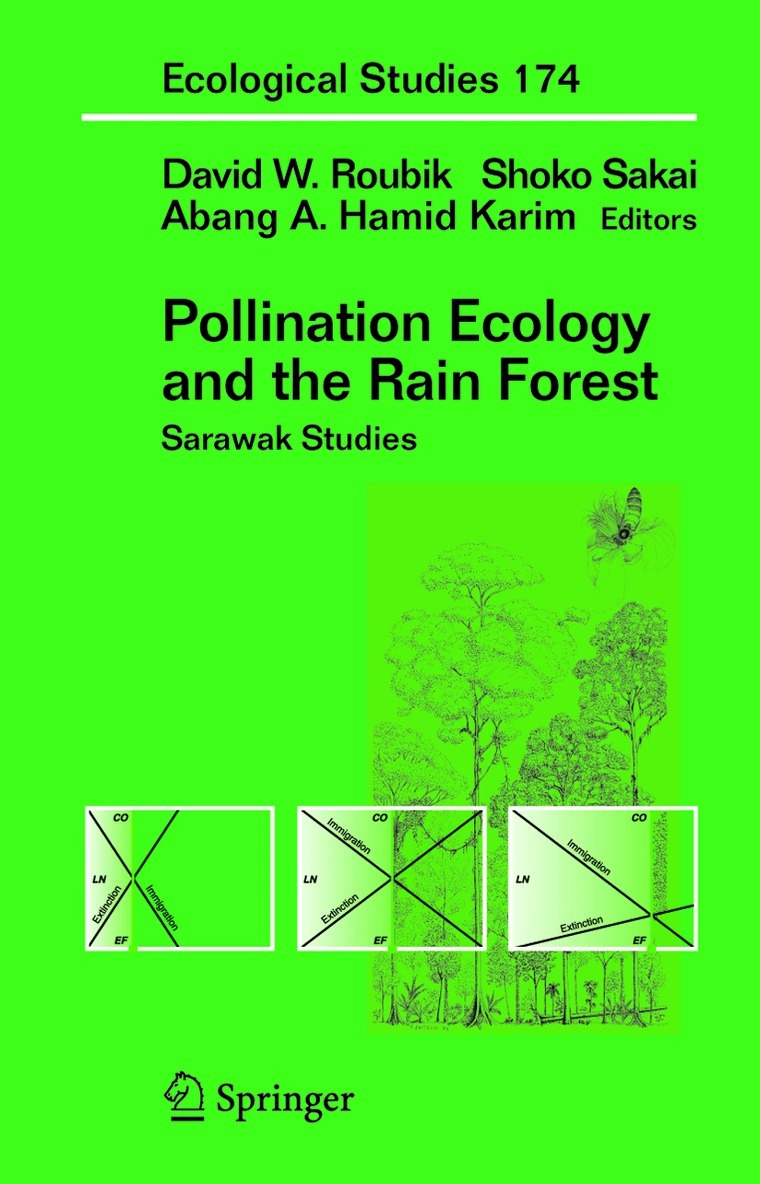
Pollination Ecology and the Rain Forest
Sarawak Studies
Av David Roubik, Shoko Sakai m. fl.
Inbunden, 2005
1640 kr
Lägg i varukorg
Rain Forest Biology and the Canopy System, Sarawak, 1992–2002 The rain forest takes an immense breath and then exhales, once every four or ?ve years, as a major global weather pattern plays out, usually heralded by El Nin ˜o–Southern Oscillation. While this powerful natural cycle has occurred for …
Pollination Ecology and the Rain Forest
Sarawak Studies
Av Abg Abdul Hamid, Shoko Sakai m. fl.
E-bok, 2006
2111 kr
Lägg i varukorg
Rain Forest Biology and the Canopy System, Sarawak, 1992–2002 The rain forest takes an immense breath and then exhales, once every four or ?ve years, as a major global weather pattern plays out, usually heralded by El Nin ˜o–Southern Oscillation. While this powerful natural cycle has occurred for …
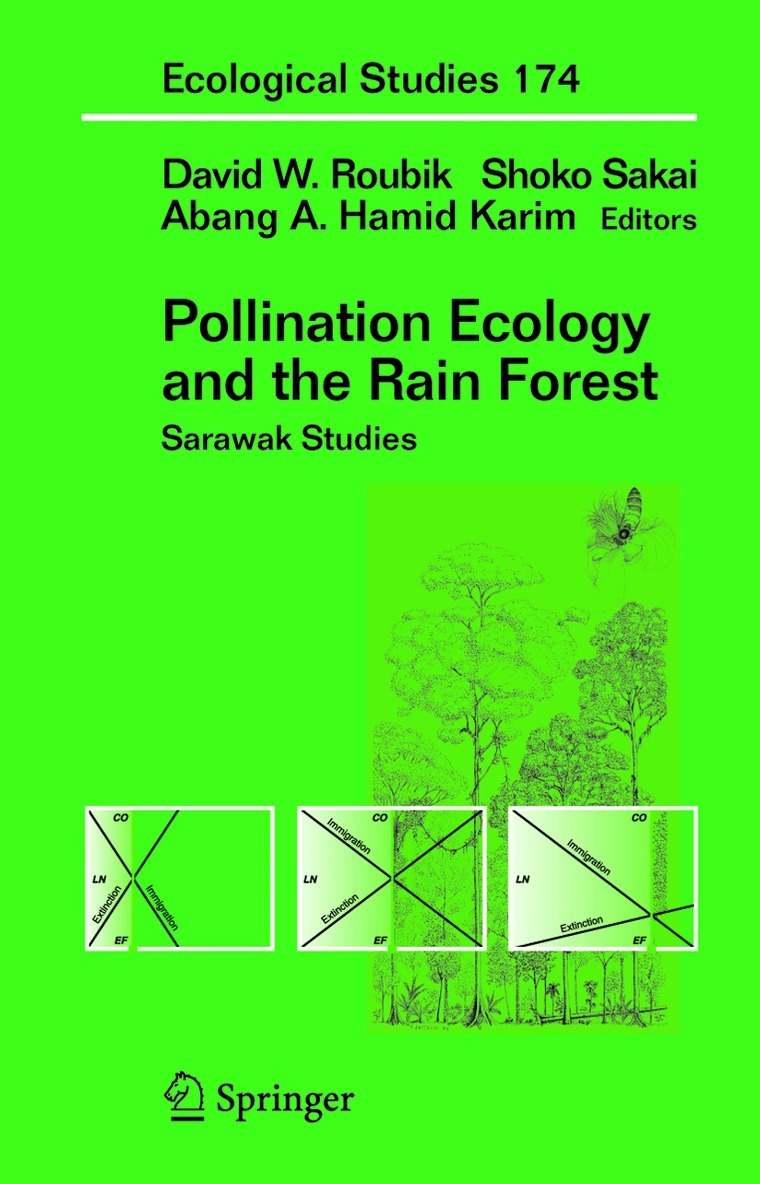
Pollination Ecology and the Rain Forest
Sarawak Studies
Av David Roubik, Shoko Sakai m. fl.
Häftad, 2010
1643 kr
Lägg i varukorg
Rain Forest Biology and the Canopy System, Sarawak, 1992–2002 The rain forest takes an immense breath and then exhales, once every four or ?ve years, as a major global weather pattern plays out, usually heralded by El Nin ˜o–Southern Oscillation. While this powerful natural cycle has occurred for …
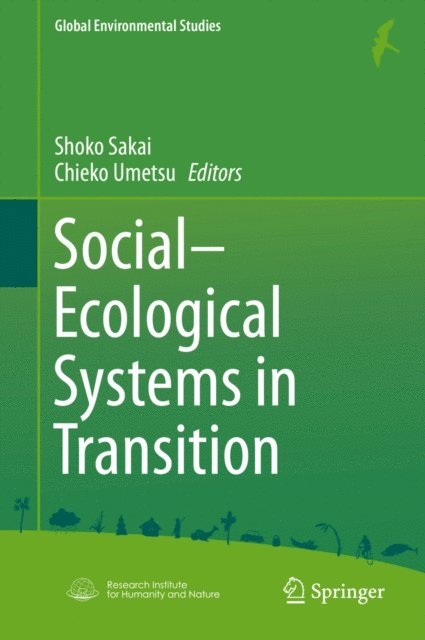
Social-Ecological Systems in Transition
Inbunden, 2014
1098 kr
Lägg i varukorg
This book presents an overview of current knowledge about social–ecological systems (SESs), a productive new field dedicated to understanding the relationships between human society and nature. To make the reader aware of how SESs are necessary to maintain our society, the book begins with a broad …
Social-Ecological Systems in Transition
E-bok, 2014
1459 kr
Lägg i varukorg
This book presents an overview of current knowledge about social–ecological systems (SESs), a productive new field dedicated to understanding the relationships between human society and nature. To make the reader aware of how SESs are necessary to maintain our society, the book begins with a broad …
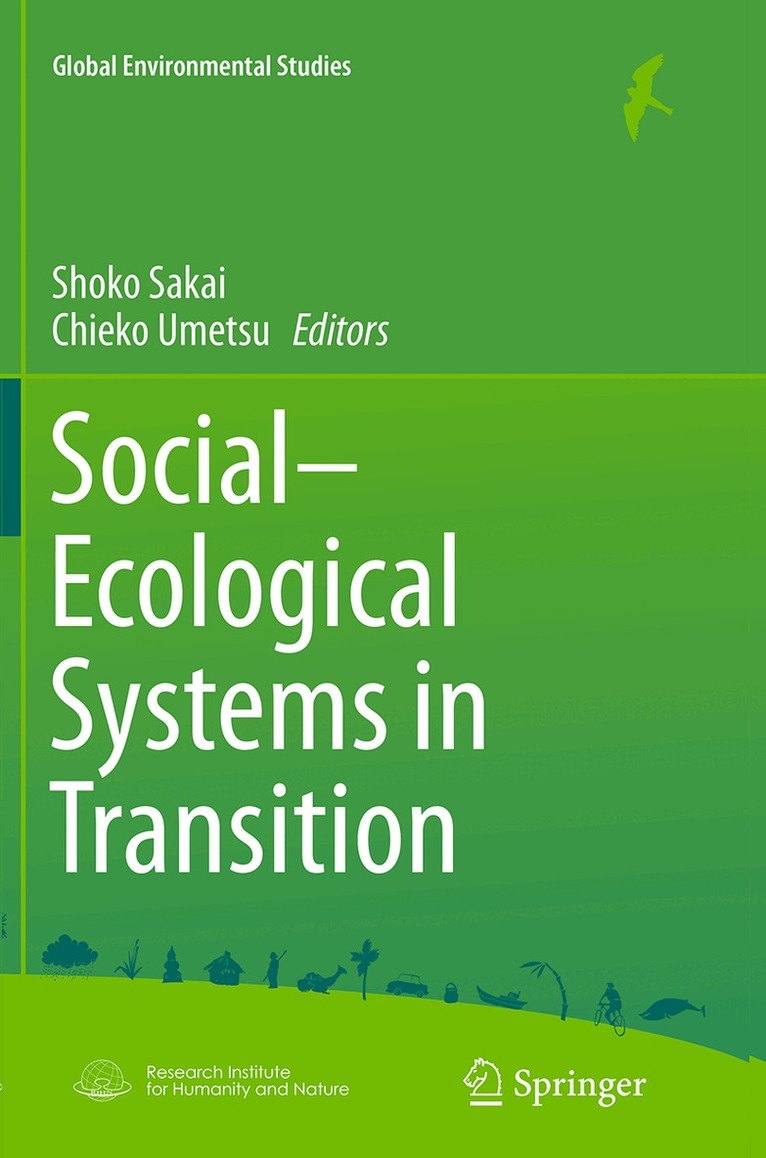
Social-Ecological Systems in Transition
Häftad, 2016
1098 kr
Lägg i varukorg
This book presents an overview of current knowledge about social–ecological systems (SESs), a productive new field dedicated to understanding the relationships between human society and nature. To make the reader aware of how SESs are necessary to maintain our society, the book begins with a broad …