Shushma Malik – författare
Visar alla böcker från författaren Shushma Malik. Handla med fri frakt och snabb leverans.
8 produkter
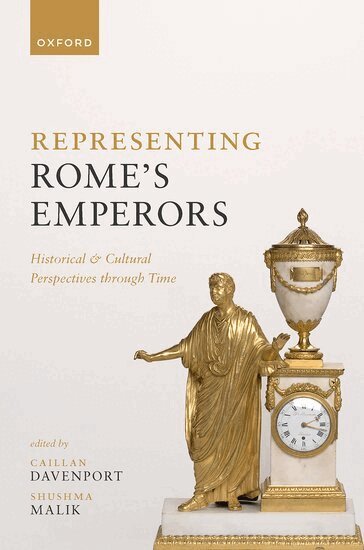
Representing Rome's Emperors
Historical and Cultural Perspectives through Time
Av Caillan Davenport, Caillan Davenport m. fl.
Inbunden, 2024
1476 kr
Lägg i varukorg
Roman emperors have long functioned--and continue to function--in the western imagination as paradigms of imperial leadership to be emulated or avoided. This innovative volume brings together an international team of experts to examine the literary and artistic representations of Roman emperors …
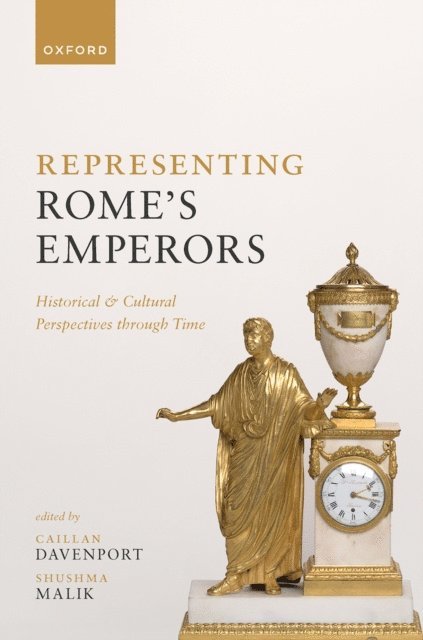
Representing Rome's Emperors
Historical and Cultural Perspectives through Time
Av Shushma Malik, Caillan Davenport
E-bok, 2024
1322 kr
Lägg i varukorg
Roman emperors have long functioned--and continue to function--in the western imagination as paradigms of imperial leadership to be emulated or avoided. This innovative volume brings together an international team of experts to examine the literary and artistic representations of Roman emperors …
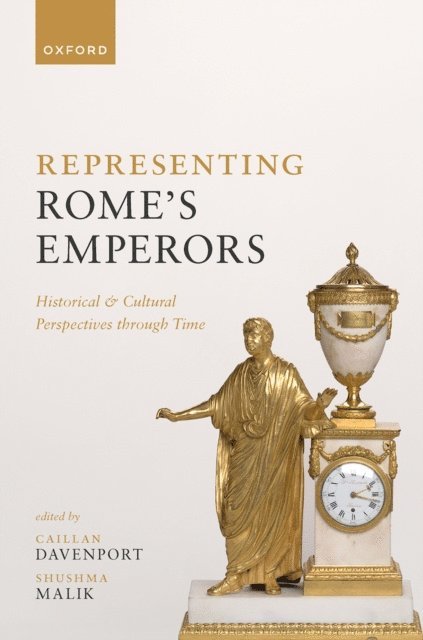
Representing Rome's Emperors
Historical and Cultural Perspectives through Time
Av Shushma Malik, Caillan Davenport
E-bok, 2024
1322 kr
Lägg i varukorg
Roman emperors have long functioned--and continue to function--in the western imagination as paradigms of imperial leadership to be emulated or avoided. This innovative volume brings together an international team of experts to examine the literary and artistic representations of Roman emperors …
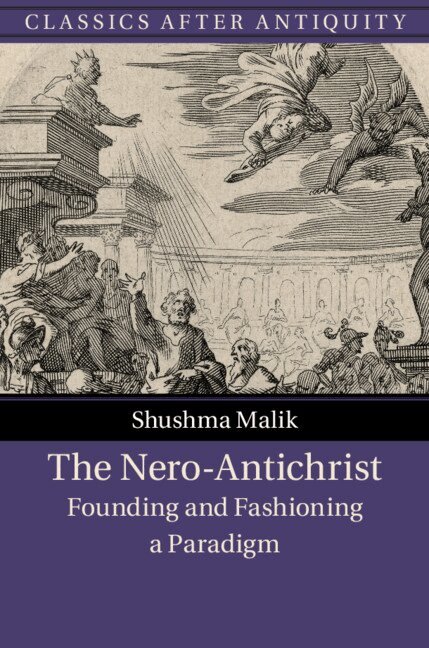
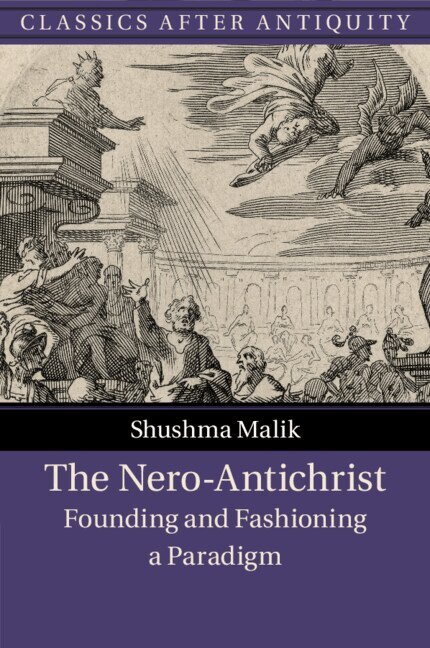
The Nero-Antichrist
Founding and Fashioning a Paradigm
Inbunden, 2020
1585 kr
Lägg i varukorg
It has traditionally been assumed that biblical writers considered Nero to be the Antichrist.. This book refutes that view. Beginning by challenging the assumption that literary representations of Nero as tyrant would have been easily recognisable to those in the eastern Roman empire, where most …
The Nero-Antichrist
Founding and Fashioning a Paradigm
Häftad, 2024
467 kr
Lägg i varukorg
It has traditionally been assumed that biblical writers considered Nero to be the Antichrist.. This book refutes that view. Beginning by challenging the assumption that literary representations of Nero as tyrant would have been easily recognisable to those in the eastern Roman empire, where most …
Nero-Antichrist
Founding and Fashioning a Paradigm
E-bok, 2020
450 kr
Lägg i varukorg
It has traditionally been assumed that biblical writers considered Nero to be the Antichrist.. This book refutes that view. Beginning by challenging the assumption that literary representations of Nero as tyrant would have been easily recognisable to those in the eastern Roman empire, where most …
Nero-Antichrist
Founding and Fashioning a Paradigm
E-bok, 2020
441 kr
Lägg i varukorg
It has traditionally been assumed that biblical writers considered Nero to be the Antichrist.. This book refutes that view. Beginning by challenging the assumption that literary representations of Nero as tyrant would have been easily recognisable to those in the eastern Roman empire, where most …
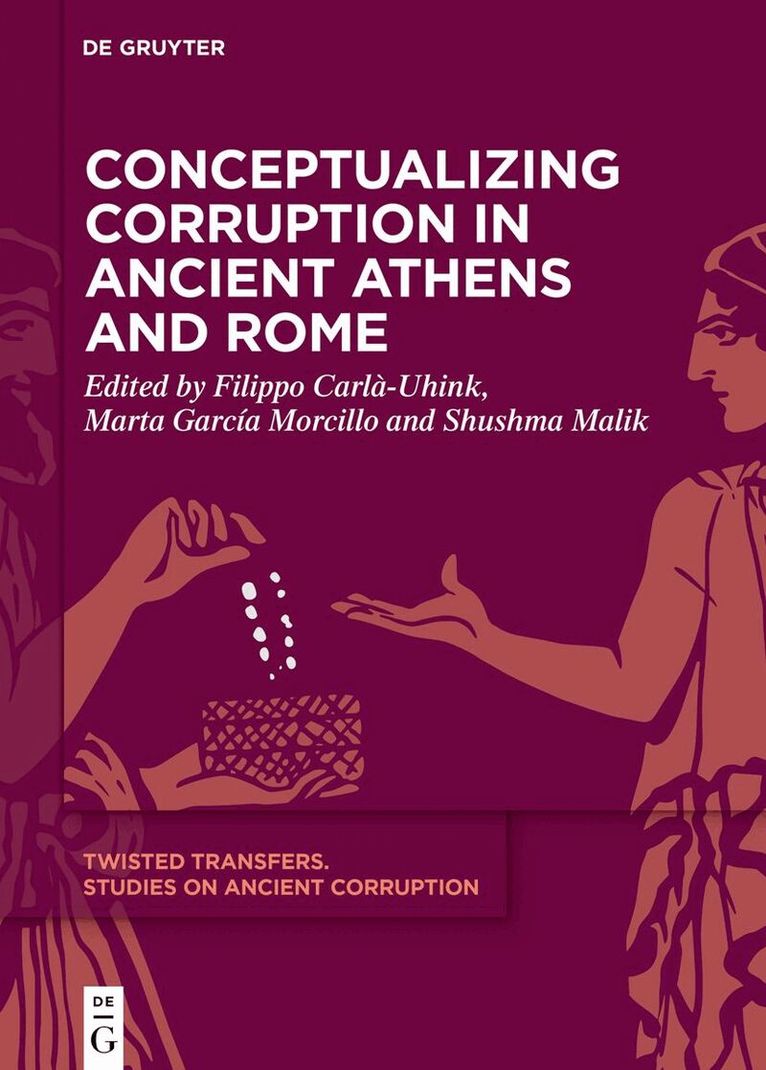
Conceptualizing Corruption in Ancient Athens and Rome
Av Filippo Carlà-Uhink, Marta García Morcillo m. fl.
Inbunden, 2027
1664 kr
Kommande
Corruption is a process of degeneration activated or revealed by activities defined as illegal, immoral or deviant. Political corruption specifically defines forms of misbehavior damaging the community, as embezzlement; yet, it is impossible to disentangle from moral corruption, as the relationship …