Sibel Zandi-Sayek – författare
Visar alla böcker från författaren Sibel Zandi-Sayek. Handla med fri frakt och snabb leverans.
2 produkter
2 produkter
292 kr
Skickas inom 7-10 vardagar
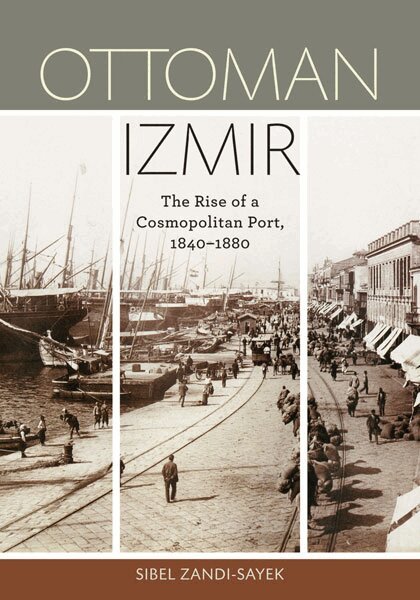
Between 1840 and 1880, the Eastern Mediterranean port of Izmir (Smyrna) underwent unprecedented change. A modern harbor that welcomed international steamships and new railway lines that transported a cornucopia of products transformed the physical city. Migrants, seasonal workers, and transient sailors thronged into an already diverse metropolis, helping to double the population to 200,000. Simultaneously, Ottoman officials and enterprising citizens vied to control and reform the city’s administrative and legal institutions. Ottoman Izmir examines how urban space, institutional structures, and everyday practices shaped one another in the thriving seaport of Izmir during a volatile period of growth. Sibel Zandi-Sayek investigates a variety of urban actors-Muslims and non-Muslims, Ottomans and Europeans, newcomers and native residents, merchants, investors, civil servants, and press reporters-who were actively engaged in restructuring the city. Concentrating on the workings of urban committees and on laws and policies that were written, rewritten, but never fully implemented, Zandi-Sayek exposes how modern interventions sought to impose clear-cut concepts of public and private, safety and danger, and hygiene on a city that previously had a wide range of customary regulations. Ottoman Izmir shows how Izmir’s various stakeholders contested its built environment. In so doing, it offers a new view of the dynamics of urban modernization.
2 066 kr
Kommande
How did Ottoman individuals and objects interact within the wider nineteenth-century world? The eleven essays from scholars in the field of art history, history, and archaeology delve into the Tour d’Europe of junior bureaucrats; the transnational endeavors of learned societies; the artistic output of mobile agents; the Ottoman commodities sent to the World’s Fairs; and the itinerant artifacts amassed in fledgling public museums and private collections. These chapters provide insights into the foundational stages of modern disciplines and areas of expertise, including archaeology, Islamic art, and engineering. Collectively, they emphasize the significance of actors often marginalized in existing historiographies or written out by the logic of national archives. Employing a detailed approach and interdisciplinary perspective, the contributors merge the insights of art, architectural, cultural, and intellectual historians whose work is grounded in archival research. Tailored for both students and scholars focusing on late Ottoman culture and Middle East studies, as well as historians of Islamic art, architecture and material culture, Ottoman Mobilities will also engage a wider audience interested in the interdisciplinary field of nineteenth-century mobility studies.