Silvie R. Kučerová - Böcker
Visar alla böcker från författaren Silvie R. Kučerová. Handla med fri frakt och snabb leverans.
3 produkter
3 produkter
3 065 kr
Skickas inom 7-10 vardagar
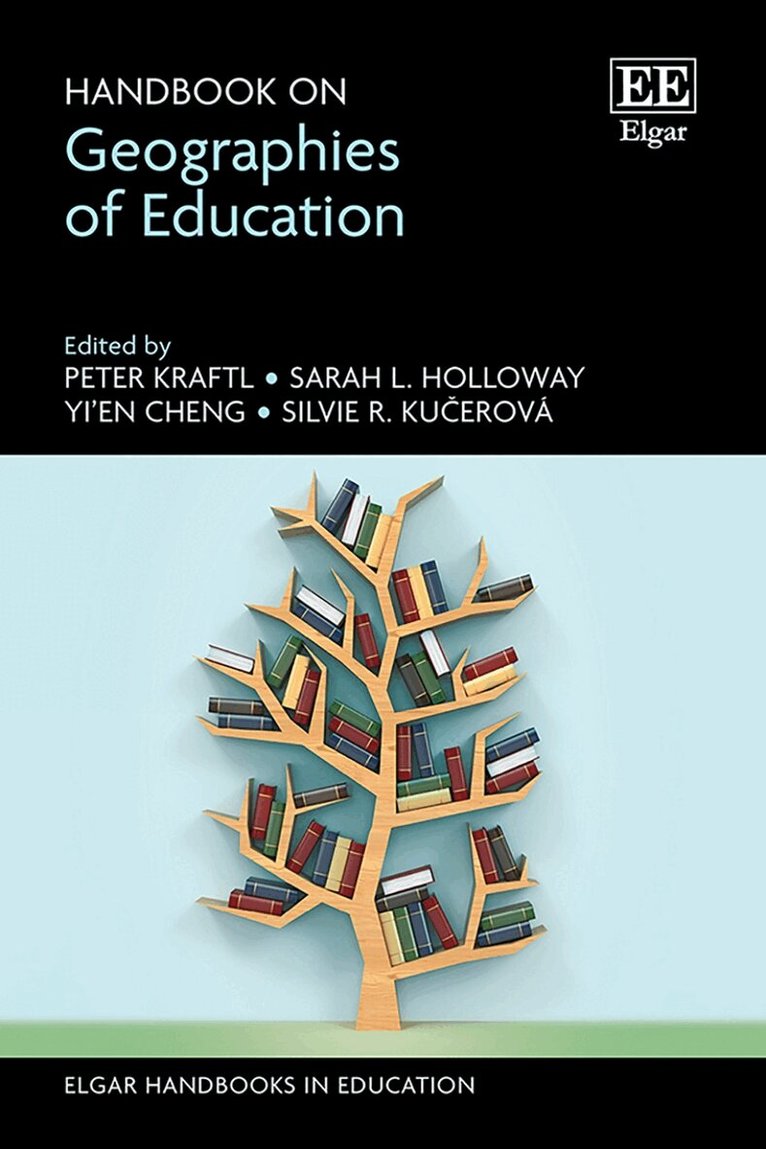
This authoritative Handbook explores the geographical dimensions of education, providing insights into the dynamic interactions between spatial processes and education. Expert authors examine issues ranging from the environments that make up formal, alternative, outdoor and informal education, to the ways in which teaching spaces form identities.Presenting a comprehensive overview of the field, original contributions from key scholars shed light on major concerns such as decolonisation, exclusion, and rural schooling, and present concrete examples to exemplify the broad scope of research on the geographies of education. Covering diverse geographical contexts in both the Global North and the Global South, chapters emphasise the significance of space, place, scale, and mobility in education. Contributors analyse spatiality and materialities, as well as subjects and technologies within learning environments, outlining the uncertainties around the future of learning and the priorities of social justice and education policy for future research.The Handbook on Geographies of Education is an essential resource for scholars and students of human geography, sociology, education studies and policy, anthropology and development studies. It is also a beneficial read for educational policymakers and practitioners looking to understand how geographical processes and analyses matter to their work.
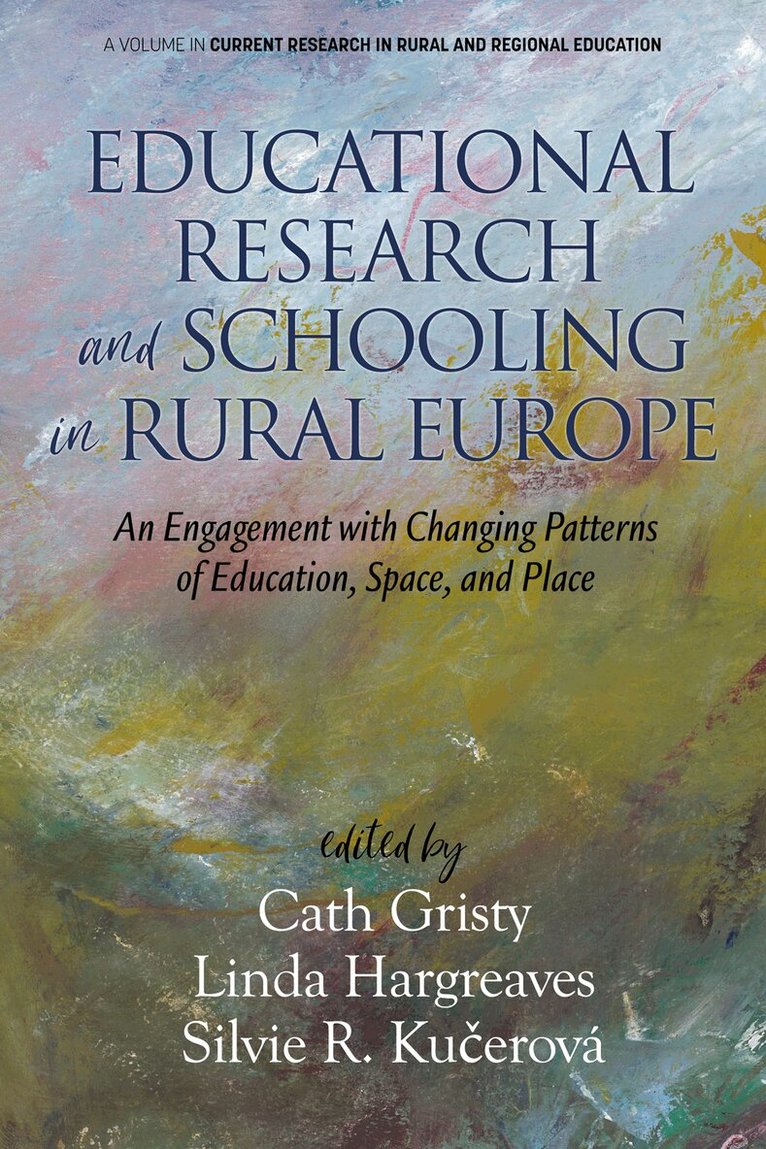
Educational Research and Schooling in Rural Europe
An Engagement with Changing Patterns of Education, Space, and Place
Häftad, Engelska, 2020
642 kr
Skickas inom 7-10 vardagar
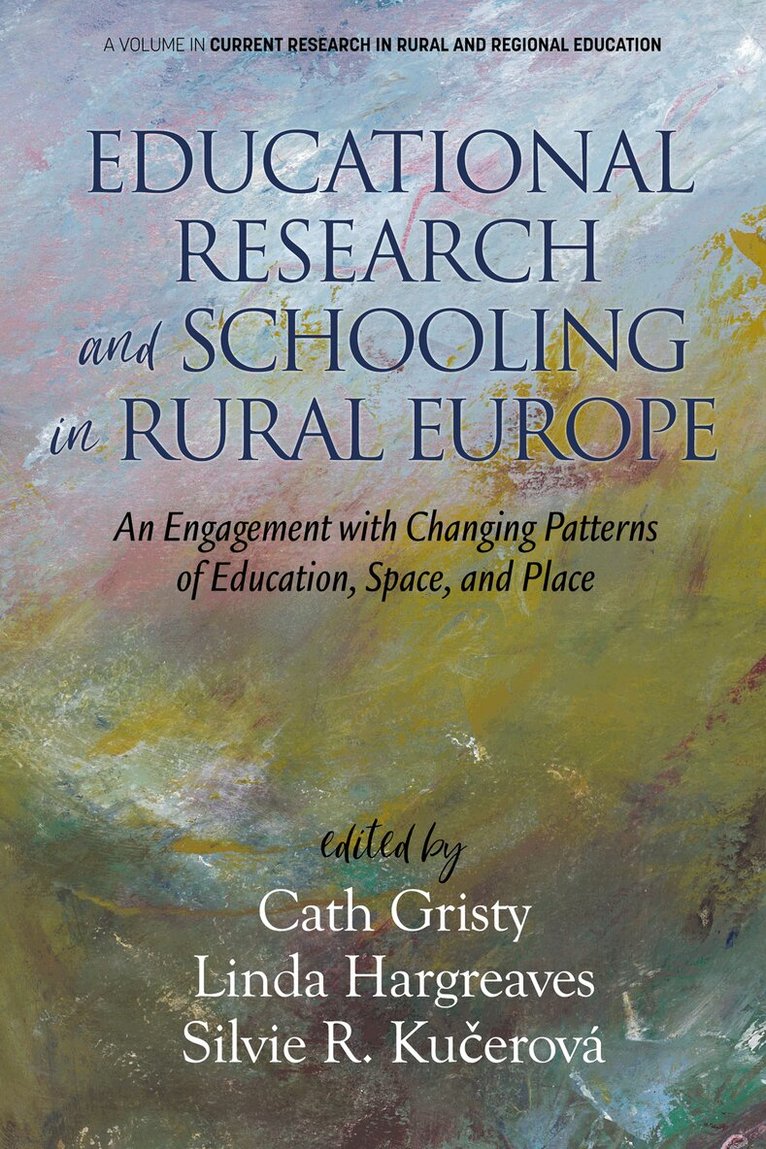
This book provides authentic accounts of the effects of the revolutionary political reform experienced in the past half century on education in Europe’s considerable rural hinterland. These reforms include the liberation of the Baltic and Eastern European states from Soviet communist domination, the ‘eurozone’ economic crises, and the current and future migration of people fleeing war and poverty from the Middle East and Africa. Overshadowing these events are so-called global forces which champion economies of scale and pressurize academic performance as keys to economic success. Trapped in this distal whirlwind of change are 1000s of small and/or rural elementary schools and the life chances of more 1000s of young children.The research presented here unveils the unseen and under-reported consequences of top-down, urban-oriented educational policies on children’s and communities’ experience of place and space. Exposure of these conditions in rural Europe is long overdue, but obscured for decades by political extremes of left and right. Yet, the lived reality of peremptory and swathing school closure programmes, and poverty inflicted on rural populations in parts of Eastern Europe is relatively unreported in the western educational literature – a situation exacerbated by the virtual invisibility of rural educational research generally.The chapters in this book reveal the insights of social science scholars from 11 European countries including those from low GDP, formerly soviet bloc countries, recently enabled to present their research at western European conferences such as the European Educational Research Association. Their research will inform and alert education academics, researchers and professionals to these rural European educational contexts. The research methodologies reported are diverse and innovative. The national context chapters are complemented by overview chapters which survey and synthesise (i) definitions and conceptualisations of rural, (ii) pan-European appraisal of educational, structural and geospatial statistics on small and rural schools, and (iii) identify key messages for better understanding of the rural situation in European research, policy and practice. Crucially, despite the gloom, the authors report positive strategies for rural school survival at governmental and/or school and community levels, that include community involvement, rural educational tourism, and deliberative inter-community school network planning.
Educational Research and Schooling in Rural Europe
An Engagement with Changing Patterns of Education, Space, and Place
Inbunden, Engelska, 2020
1 087 kr
Skickas inom 7-10 vardagar
This book provides authentic accounts of the effects of the revolutionary political reform experienced in the past half century on education in Europe’s considerable rural hinterland. These reforms include the liberation of the Baltic and Eastern European states from Soviet communist domination, the ‘eurozone’ economic crises, and the current and future migration of people fleeing war and poverty from the Middle East and Africa. Overshadowing these events are so-called global forces which champion economies of scale and pressurize academic performance as keys to economic success. Trapped in this distal whirlwind of change are 1000s of small and/or rural elementary schools and the life chances of more 1000s of young children.The research presented here unveils the unseen and under-reported consequences of top-down, urban-oriented educational policies on children’s and communities’ experience of place and space. Exposure of these conditions in rural Europe is long overdue, but obscured for decades by political extremes of left and right. Yet, the lived reality of peremptory and swathing school closure programmes, and poverty inflicted on rural populations in parts of Eastern Europe is relatively unreported in the western educational literature – a situation exacerbated by the virtual invisibility of rural educational research generally.The chapters in this book reveal the insights of social science scholars from 11 European countries including those from low GDP, formerly soviet bloc countries, recently enabled to present their research at western European conferences such as the European Educational Research Association. Their research will inform and alert education academics, researchers and professionals to these rural European educational contexts. The research methodologies reported are diverse and innovative. The national context chapters are complemented by overview chapters which survey and synthesise (i) definitions and conceptualisations of rural, (ii) pan-European appraisal of educational, structural and geospatial statistics on small and rural schools, and (iii) identify key messages for better understanding of the rural situation in European research, policy and practice. Crucially, despite the gloom, the authors report positive strategies for rural school survival at governmental and/or school and community levels, that include community involvement, rural educational tourism, and deliberative inter-community school network planning.