Silvio Torres-Saillant - Böcker
Visar alla böcker från författaren Silvio Torres-Saillant. Handla med fri frakt och snabb leverans.
4 produkter
4 produkter
695 kr
Skickas inom 10-15 vardagar
This profile of Dominican Americans closes a critical gap in information about the accomplishments of one of the largest immigrant groups in the United States. Beginning with a look at the historical background and the roots of native Dominicans, this book then carries the reader through the age-old romance of U.S. and Dominican relations. With great detail and clarity, the authors explain why the Dominicans left their land and came to the United States. The book includes discussions of education, health issues, drugs and violence, the visual and performing arts, popular music, faith, food, gender, and race. Most important, this book assesses how Dominicans have adapted to America, and highlights their losses and gains. The work concludes with an evaluation of Dominicans' achievements since their arrival as a group three decades ago and shows how they envision their continued participation in American life. Biographical profiles of many notable Dominican Americans such as artists, sports greats, musicians, lawyers, novelists, actors, and activists, highlight the text.The authors have created a novel book as they are the first to examine Dominicans as an ethnic minority in the United States and highlight the community's trials and tribulations as it faces the challenge of survival in a economically competitive, politically complex, and culturally diverse society. Students and interested readers will be engaged by the economic and political ties that have attached Americans to Dominicans and Dominicans to Americans for approximately 150 years. While massive immigration of Dominicans to the United States began in the 1960s, a history of previous contact between the two nations has enabled the development of Dominicans as a significant component of the U.S. population. Readers will also understand the political and economic causes of Dominican emigration and the active role the United States government had in stimulating Dominican immigration to the United States. This book traces the advances of Dominicans toward political empowerment and summarizes the cultural expressions, the survival strategies, and the overall adaptation of Dominicans to American life.
673 kr
Skickas inom 7-10 vardagar
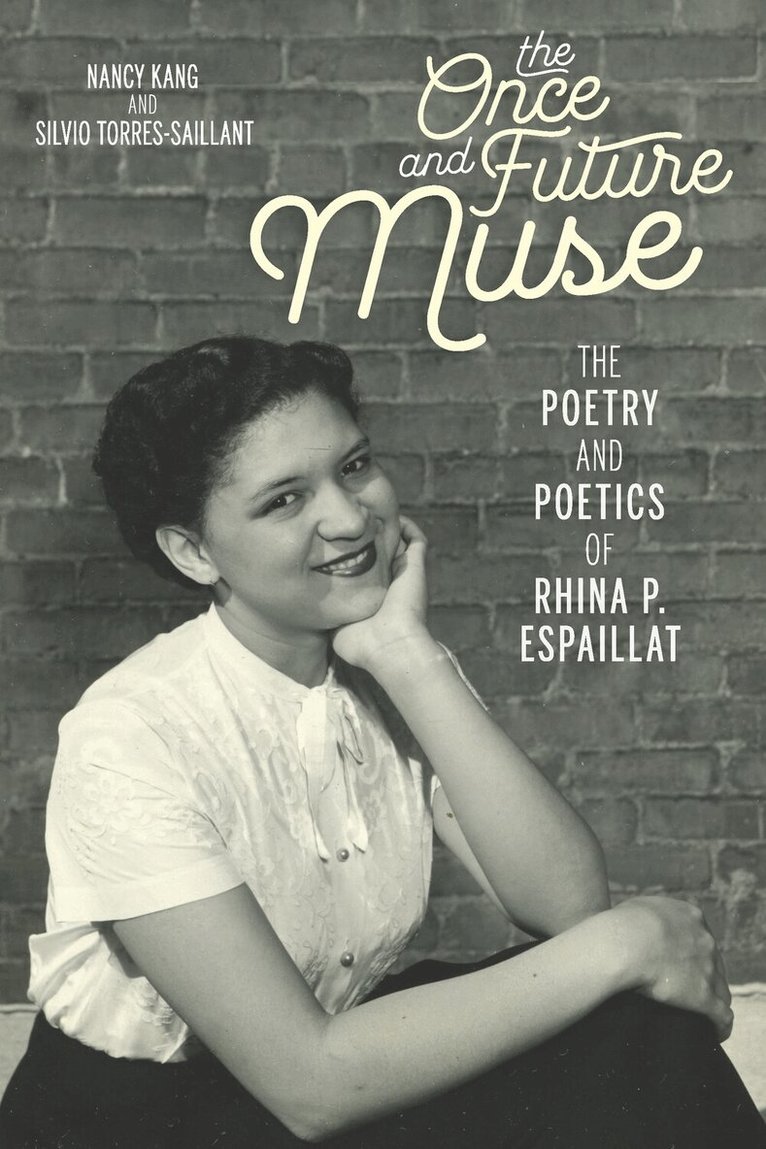
The Once and Future Muse presents the first major study of the life and work of Dominican-born bilingual American poet and translator Rhina P. Espaillat (b. 1932). Beginning with her literary celebrity as the youngest poet ever inducted into the Poetry Society of America, it traces her relative obscurity after 1952 when she married and took on family and employment responsibilities, to her triumphant return to the poetry spotlight decades later when she reclaimed her former prestige with a series of award-winning poetry collections.The authors define Espaillat's place in American letters with attention to her formalist aesthetics, Hispanic Caribbean immigrant background, poetic community building, bilingual ethos, and domestically minded woman-of-color feminism. Addressing the temporality of her oeuvre—her publishing before and after the splitting of American literature into distinct ethnic segments—this work also highlights the demands that the social transformations of the 1960s placed on literary artists, critics, and readers alike.
1 098 kr
Kommande
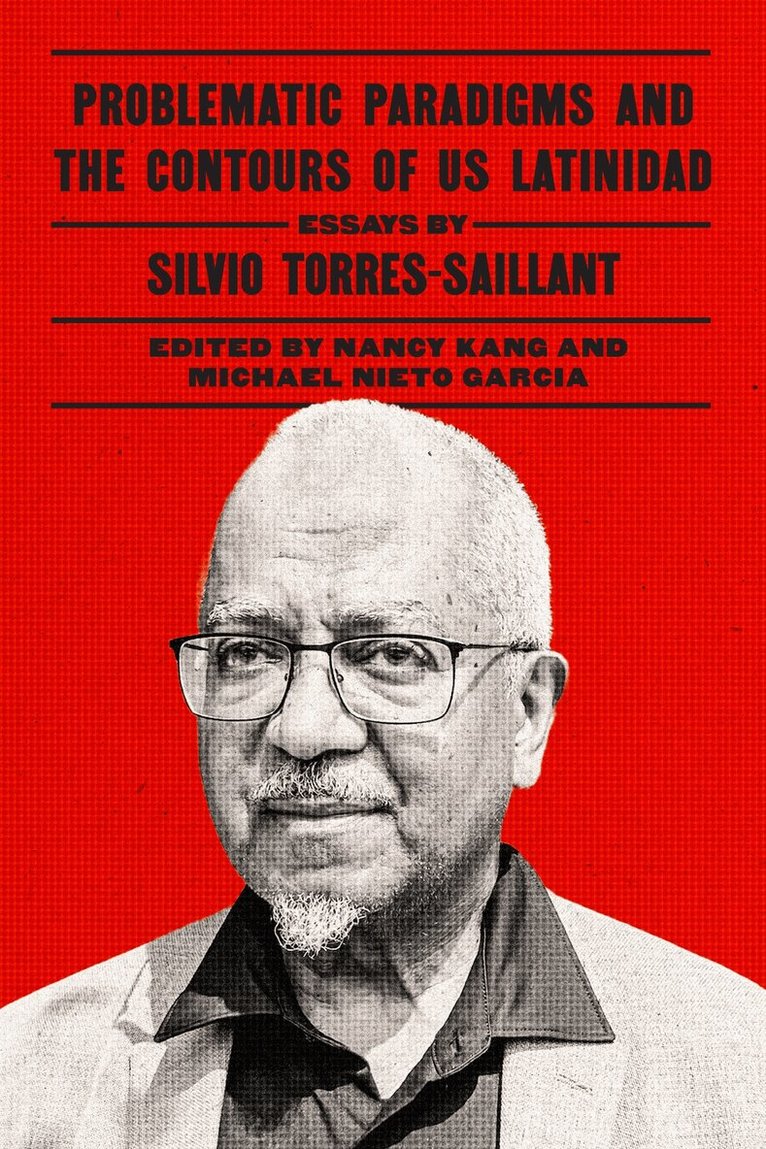
Silvio Torres-Saillant's collected writings examine political contradictions within Latinx identity in the United States.Since the 1990s Silvio Torres-Saillant's work has questioned the notion of Latinidad, challenging presumptions of panethnic unity within the US Hispanic population and assessing dominant modes of Latinx representation. The essays in Problematic Paradigms and the Contours of US Latinidad examine the dynamics of a diverse collective of over 65 million people whose cultural heritage, ancestral origins, and belief systems arguably differ as much as they resemble one another. The volume dissects prevailing assumptions, namely the essentializing sense of homogeneity in the Latinx "community," which mask important nuances and fascinating contradictions. Torres-Saillant also targets the role of marketing and mass communications in shaping popular perceptions of ethnic groups, thereby tracing connections between media rhetoric and the language of scholarship.Newly revised by editors Nancy Kang and Michael Nieto Garcia, this collection curates Torres-Saillant's core contributions to Latinx studies over the last two decades and underscores the veteran scholar's evolving thoughts on key conversations in the field. The epilogue narrates his beginnings in Caribbean studies, acknowledges his ongoing analysis of Dominican blackness, and discourages uncritical views of cultural heritage.
397 kr
Kommande
Silvio Torres-Saillant's collected writings examine political contradictions within Latinx identity in the United States.Since the 1990s Silvio Torres-Saillant's work has questioned the notion of Latinidad, challenging presumptions of panethnic unity within the US Hispanic population and assessing dominant modes of Latinx representation. The essays in Problematic Paradigms and the Contours of US Latinidad examine the dynamics of a diverse collective of over 65 million people whose cultural heritage, ancestral origins, and belief systems arguably differ as much as they resemble one another. The volume dissects prevailing assumptions, namely the essentializing sense of homogeneity in the Latinx "community," which mask important nuances and fascinating contradictions. Torres-Saillant also targets the role of marketing and mass communications in shaping popular perceptions of ethnic groups, thereby tracing connections between media rhetoric and the language of scholarship.Newly revised by editors Nancy Kang and Michael Nieto Garcia, this collection curates Torres-Saillant's core contributions to Latinx studies over the last two decades and underscores the veteran scholar's evolving thoughts on key conversations in the field. The epilogue narrates his beginnings in Caribbean studies, acknowledges his ongoing analysis of Dominican blackness, and discourages uncritical views of cultural heritage.