Sonia Shah – författare
Visar alla böcker från författaren Sonia Shah. Handla med fri frakt och snabb leverans.
12 produkter
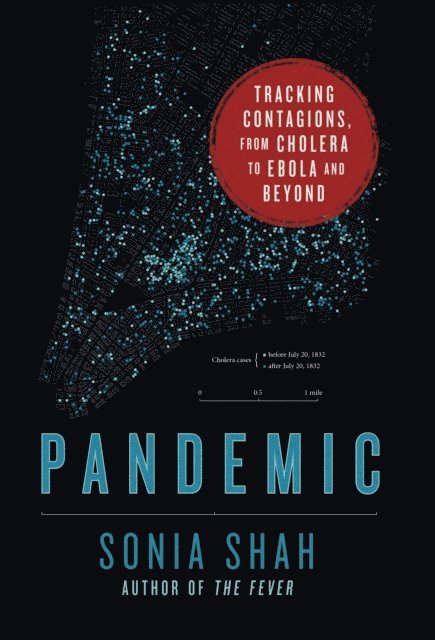
Pandemic
Tracking Contagions, from Cholera to Coronaviruses and Beyond
Av Sonia Shah
E-bok, 2016
174 kr
Lägg i varukorg
Finalist for the Los Angeles Times Book Prize | A New York Times Editor''s Choice “[A] grounded, bracingly intelligent study” — Nature Prizewinning science journalist Sonia Shah presents a startling examination of the pandemics that have ravaged humanity—and shows us how history can prepare us to …
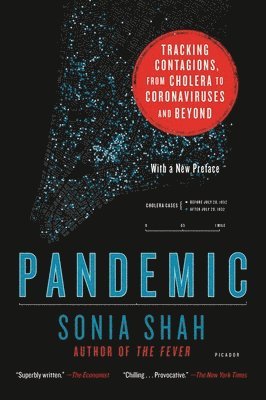
Pandemic
Tracking Contagions, from Cholera to Coronaviruses and Beyond
Av Sonia Shah
Häftad, 2020
284 kr
Lägg i varukorg
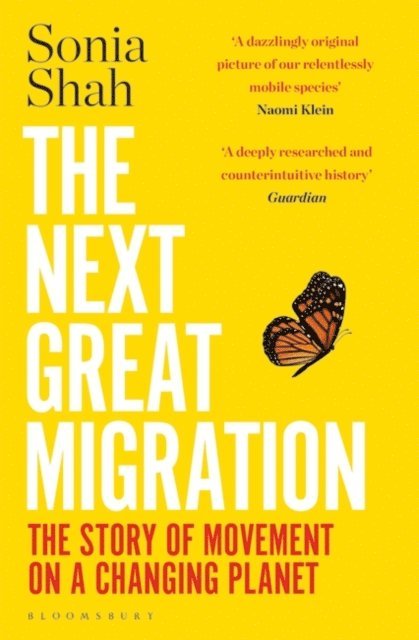
Next Great Migration
The Story of Movement on a Changing Planet
Av Sonia Shah
E-bok, 2020
135 kr
Lägg i varukorg
''A dazzlingly original picture of our relentlessly mobile species '' NAOMI KLEIN ''Fascinating . . . Likely to prove prophetic in the coming months and years'' OBSERVER '' A dazzling tour through 300 years of scientific history '' PROSPECT ''A hugely entertaining, life-affirming and hopeful hymn …
Next Great Migration
The Story of Movement on a Changing Planet
Av Sonia Shah
Häftad, 2021
132 kr
Lägg i varukorg
'A dazzlingly original picture of our relentlessly mobile species’ NAOMI KLEIN‘Fascinating . . . Likely to prove prophetic in the coming months and years’ OBSERVER‘A dazzling tour through 300 years of scientific history’ PROSPECT'A hugely entertaining, life-affirming and hopeful hymn to the …
Next Great Migration
The Beauty and Terror of Life on the Move
Av Sonia Shah
E-bok, 2021
135 kr
Lägg i varukorg
''A dazzlingly original picture of our relentlessly mobile species '' NAOMI KLEIN ''Fascinating . . . Likely to prove prophetic in the coming months and years'' OBSERVER '' A dazzling tour through 300 years of scientific history '' PROSPECT ''A hugely entertaining, life-affirming and hopeful hymn …
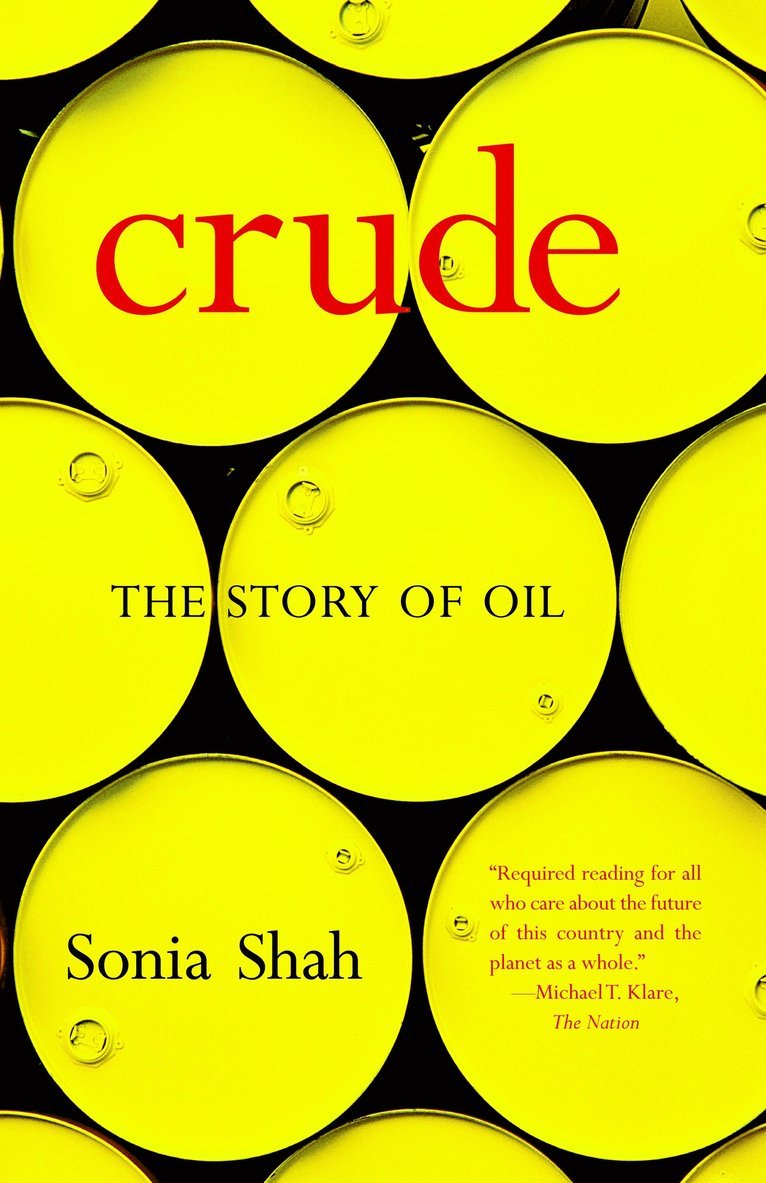
Crude
The Story of Oil
Av Sonia Shah
Inbunden, 2004
218 kr
Lägg i varukorg
Crude is the unexpurgated story of oil, from the circumstances of its birth millions of years ago to the spectacle of its rise as the indispensable ingredient of modern life. In addition to fueling our SUVs and illuminating our cities, crude oil and its byproducts fertilize our produce, pave our …
Body Hunters
Testing New Drugs on the World's Poorest Patients
Av Sonia Shah
Häftad, 2007
238 kr
Lägg i varukorg
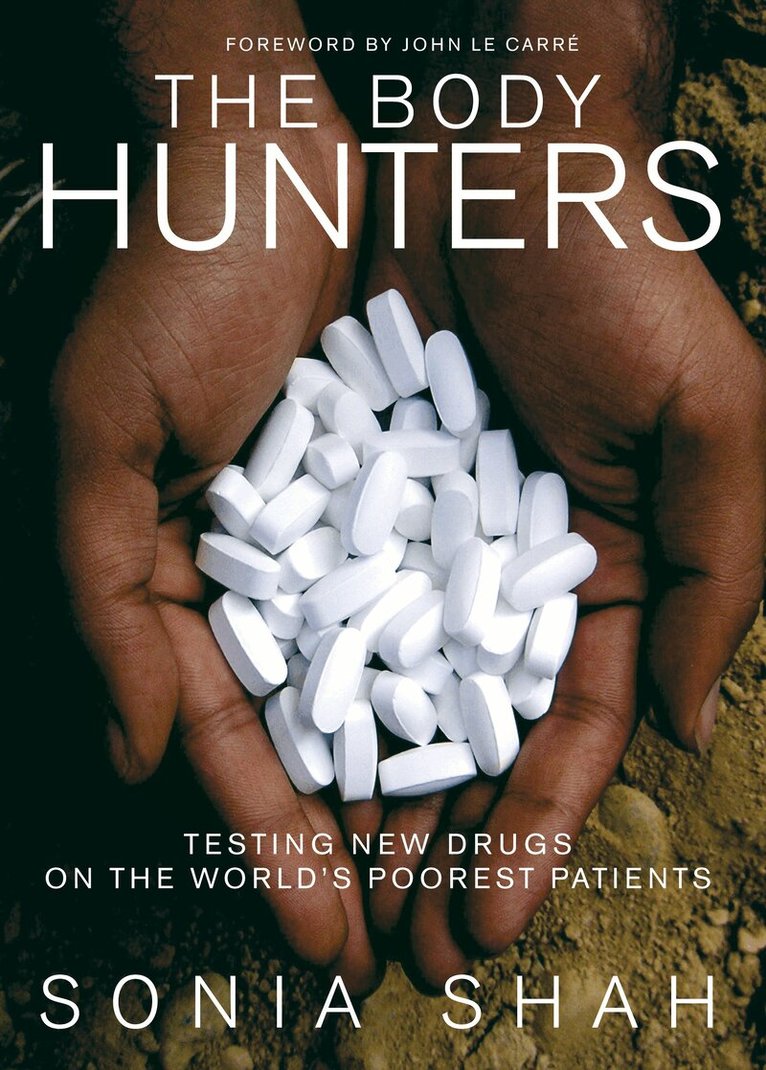
Hailed by John Le Carre as an act of courage on the part of its author' and highly praised by leading medical journals on both sides of the Atlantic, Shah's expose of the unethical and lucrative exploits of the drugs trade in developing countries shines a much-needed spotlight on a growing trend. …
Crude
The Story of Oil
Av Sonia Shah
E-bok, 2011
173 kr
Lägg i varukorg
Crude is the unexpurgated story of oil, from the circumstances of its birth millions of years ago to the spectacle of its rise as the indispensable ingredient of modern life. In addition to fueling our SUVs and illuminating our cities, crude oil and its byproducts fertilize our produce, pave our …
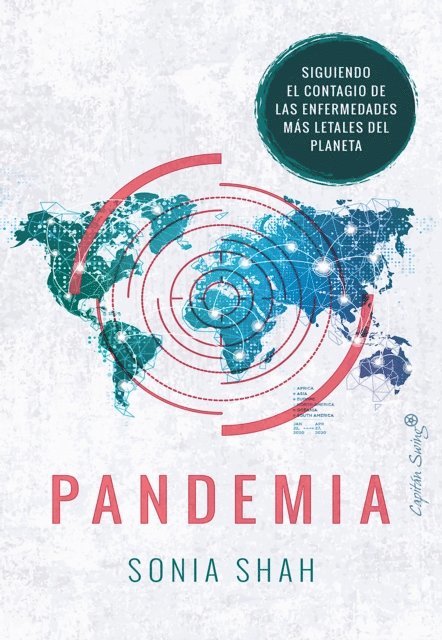
Pandemia
Av Sonia Shah
E-bok, 2020
118 kr
Lägg i varukorg
En los últimos cincuenta años, más de trescientas enfermedades infecciosas han surgido o resurgido en lugares donde nunca se habían visto. Mucho antes de la llegada de la COVID-19, casi todos los epidemiólogos coincidían en que una de ellas causaría una pandemia mortal en las próximas generaciones: …
Crude
The Story of Oil
Av Sonia Shah
Häftad, 2006
131 kr
Tillfälligt slut
Crude is the unexpurgated story of oil, from the circumstances of its birth millions of years ago to the spectacle of its rise as the indispensable ingredient of modern life. In addition to fueling our SUVs and illuminating our cities, crude oil and its byproducts fertilize our produce, pave our …