Sonya Atalay - Böcker
Visar alla böcker från författaren Sonya Atalay. Handla med fri frakt och snabb leverans.
6 produkter
6 produkter
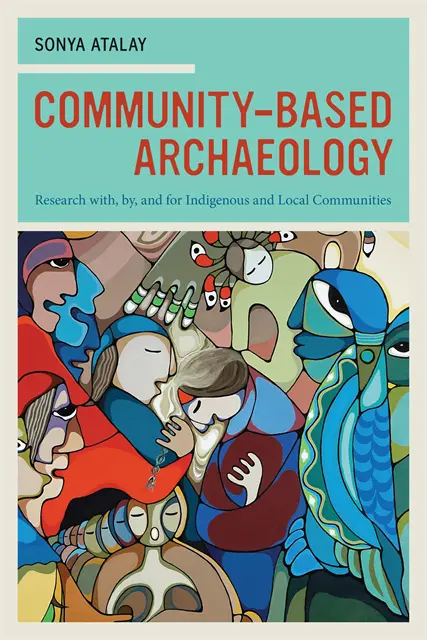
Community-Based Archaeology
Research with, by, and for Indigenous and Local Communities
Häftad, Engelska, 2012
250 kr
Skickas inom 7-10 vardagar
Archaeology impacts the lives of indigenous, local, or descendant communities. Yet often these groups have little input to archaeological research, and its results remain inaccessible. As archaeologists consider the consequences and benefits of research, the skills, methodologies, and practices required of them will differ dramatically from those of past decades. As an archaeologist and a Native American, Sonya Atalay has investigated the rewards and complex challenges of conducting research in partnership with indigenous and local communities. In "Community-Based Archaeology", she outlines the principles of community-based participatory research and demonstrates how CBPR can be effectively applied to archaeology. Drawing on her own experiences with research projects in North America and the Near East, Atalay provides theoretical discussions along with practical examples of establishing and developing collaborative relationships and sharing results. This book will contribute to building an archaeology that is engaged, ethical, relevant, and sustainable.
366 kr
Skickas inom 7-10 vardagar
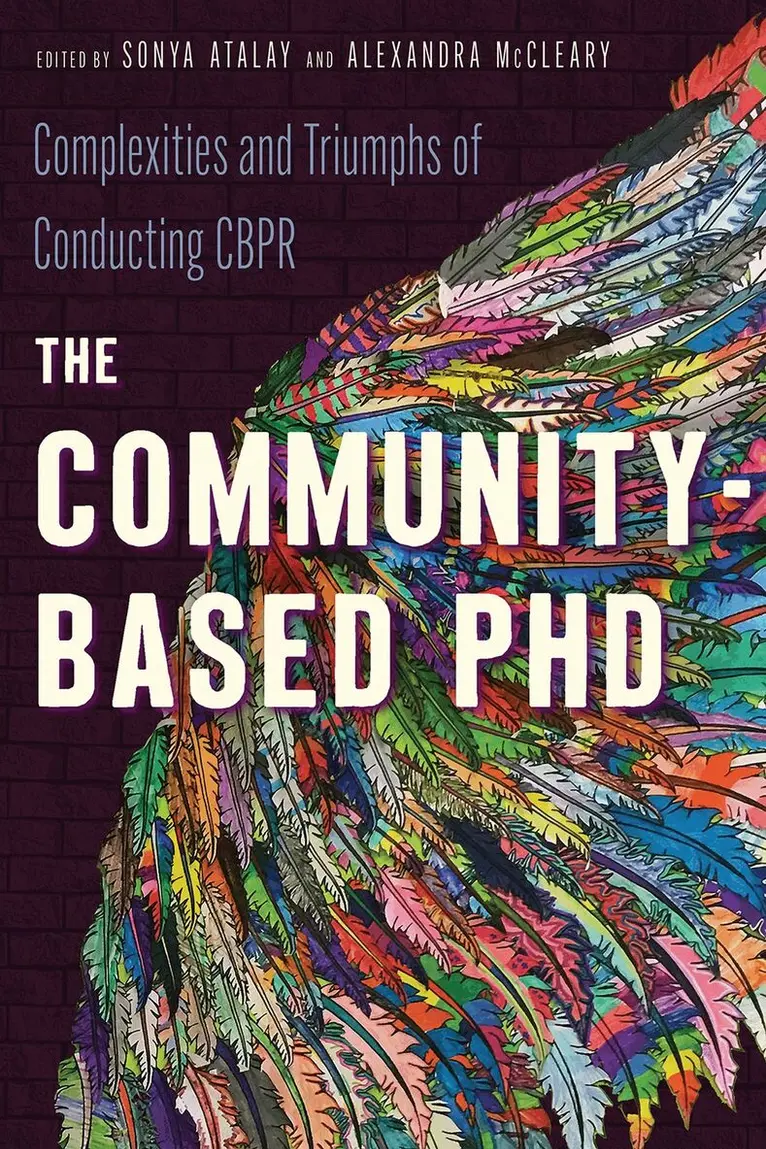
Community-based participatory research (CBPR) presents unique ethical and practical challenges, particularly for graduate students. This volume explores the nuanced experience of conducting CBPR as a PhD student. It explains the essential roles of developing trust and community relationships, the uncertainty in timing and direction of CBPR projects that give decision-making authority to communities, and the politics and ethical quandaries when deploying CBPR approaches—both for communities and for graduate students.The Community-Based PhD brings together the experiences of PhD students from a range of disciplines discussing CBPR in the arts, humanities, social sciences, public health, and STEM fields. They write honestly about what worked, what didn’t, and what they learned. Essays address the impacts of extended research time frames, why specialized skill sets may be needed to develop community-driven research priorities, the value of effective relationship building with community partners, and how to understand and navigate inter- and intra-community politics.This volume provides frameworks for approaching dilemmas that graduate student CBPR researchers face. They discuss their mistakes, document their successes, and also share painful failures and missteps, viewing them as valuable opportunities for learning and pushing the field forward. Several chapters are co-authored by community partners and provide insights from diverse community perspectives. The Community-Based PhD is essential reading for graduate students, scholars, and the faculty who mentor them in a way that truly crosses disciplinary boundaries.Contributors:Anna S. Antoniou, Amy Argenal, Sonya Atalay, Stacey Michelle Chimimba Ault, Victoria Bochniak, Megan Butler, Elias Capello, Ashley Collier-Oxandale, Samantha Cornelius, Annie Danis, Earl Davis, John Doyle, Margaret J. Eggers, Cyndy Margarita GarcÍa-Weyandt, R. Neil Greene, D. Kalani Heinz, Nicole Kaechele, Myra J. Lefthand, Emily Jean Leischner, Christopher B. Lowman, Geraldine Low-Sabado, Alexandra G. Martin, Christine Martin, Alexandra McCleary, Chelsea Meloche, Bonnie Newsom, Katherine L. Nichols, Claire Novotny, Nunanta (Iris Siwallace), Reidunn H. NygÅrd, Francesco Ripanti, Elena Sesma, Eric Simons, Cassie Lynn Smith, Tanupreet Suri, Emery Three Irons, Arianna Trott, Cecilia I. Vasquez, Kelly D. Wiltshire, Julie Woods, Sara L. Young
2 299 kr
Skickas inom 10-15 vardagar
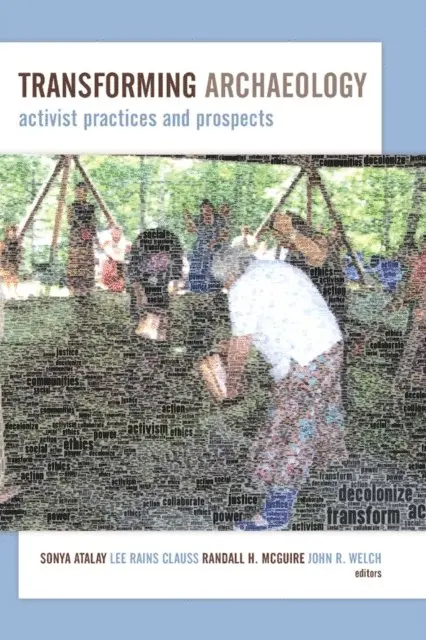
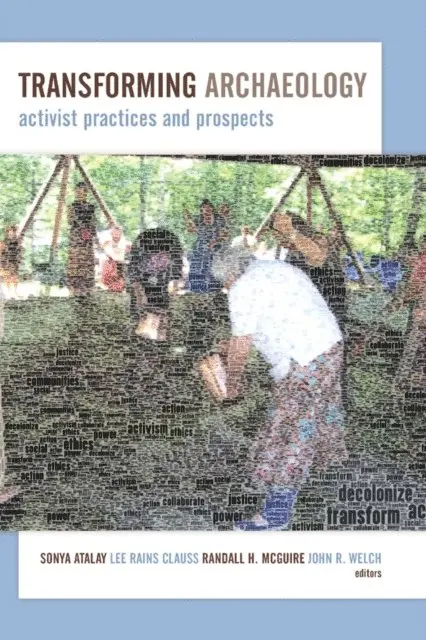
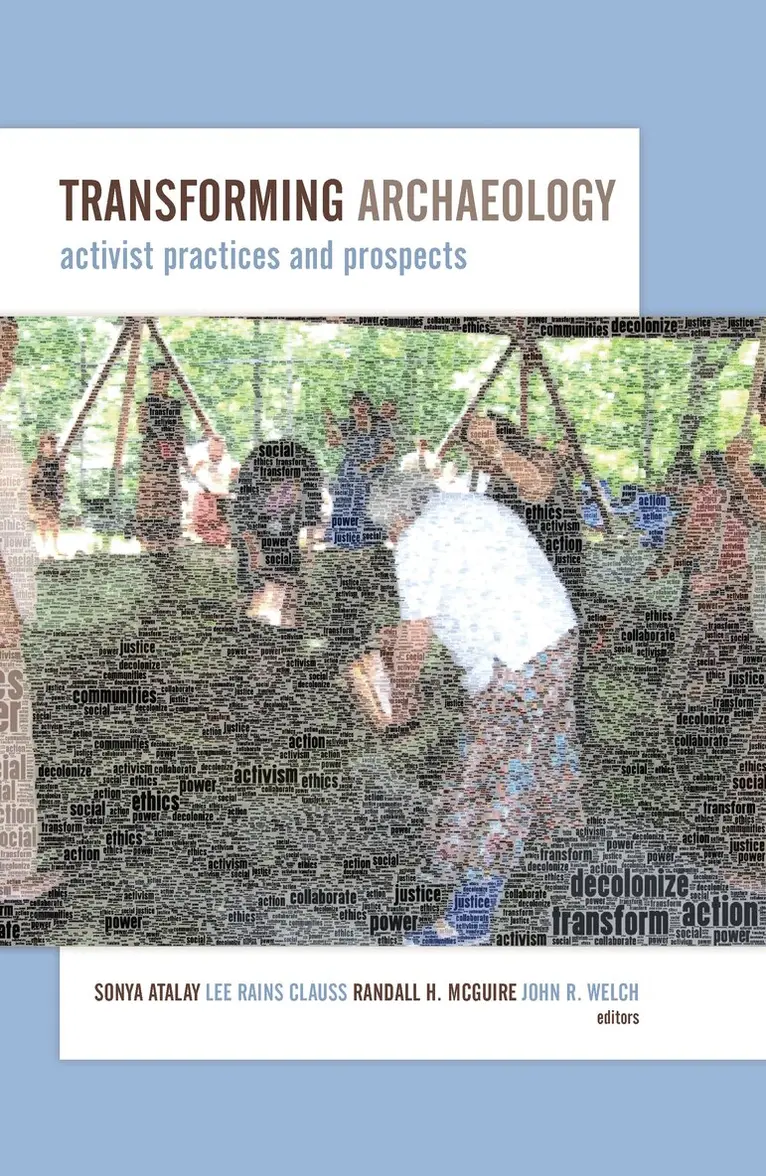
Archaeology for whom? The dozen well-known contributors to this innovative volume suggest nothing less than a transformation of the discipline into a service-oriented, community-based endeavor. They wish to replace the primacy of meeting academic demands with meeting the needs and values of those outside the field who may benefit most from our work. They insist that we employ both rigorous scientific methods and an equally rigorous critique of those practices to ensure that our work addresses real-world social, environmental, and political problems. A transformed archaeology requires both personal engagement and a new toolkit. Thus, in addition to the theoretical grounding and case materials from around the world, each contributor offers a personal statement of their goals and an outline of collaborative methods that can be adopted by other archaeologists.
596 kr
Skickas inom 10-15 vardagar
Archaeology for whom? The dozen well-known contributors to this innovative volume suggest nothing less than a transformation of the discipline into a service-oriented, community-based endeavor. They wish to replace the primacy of meeting academic demands with meeting the needs and values of those outside the field who may benefit most from our work. They insist that we employ both rigorous scientific methods and an equally rigorous critique of those practices to ensure that our work addresses real-world social, environmental, and political problems. A transformed archaeology requires both personal engagement and a new toolkit. Thus, in addition to the theoretical grounding and case materials from around the world, each contributor offers a personal statement of their goals and an outline of collaborative methods that can be adopted by other archaeologists.
1 632 kr
Skickas inom 10-15 vardagar
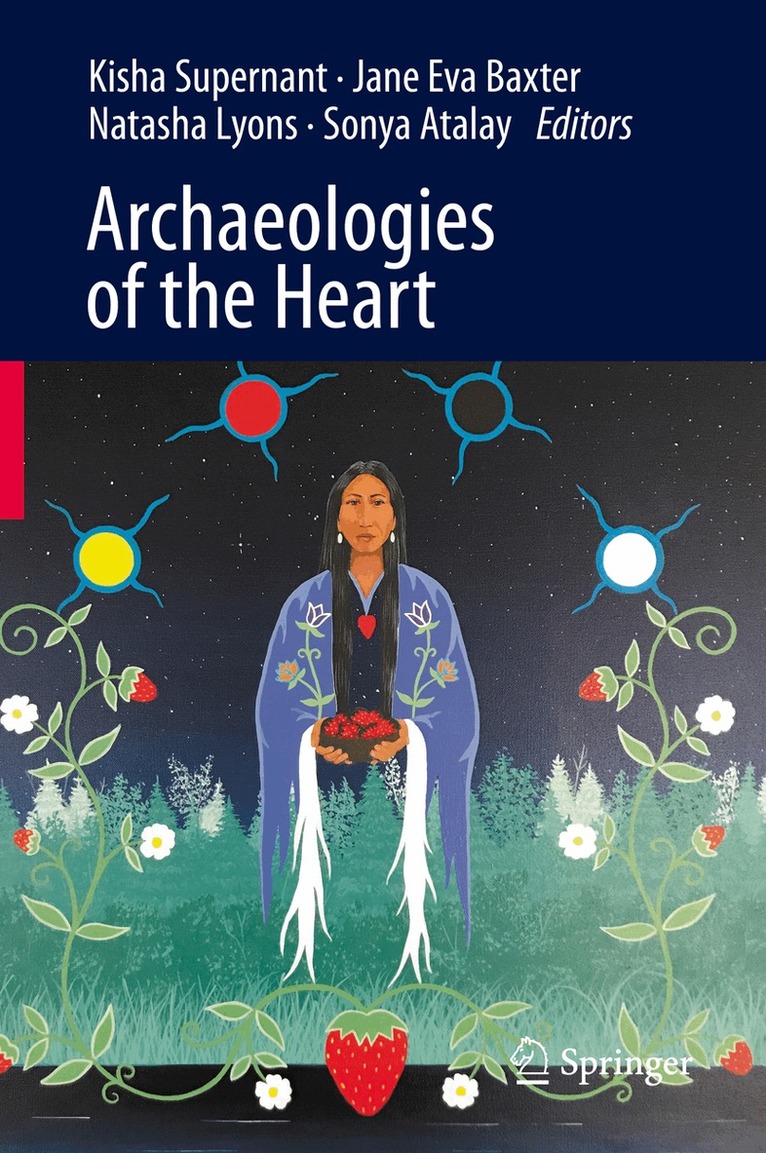
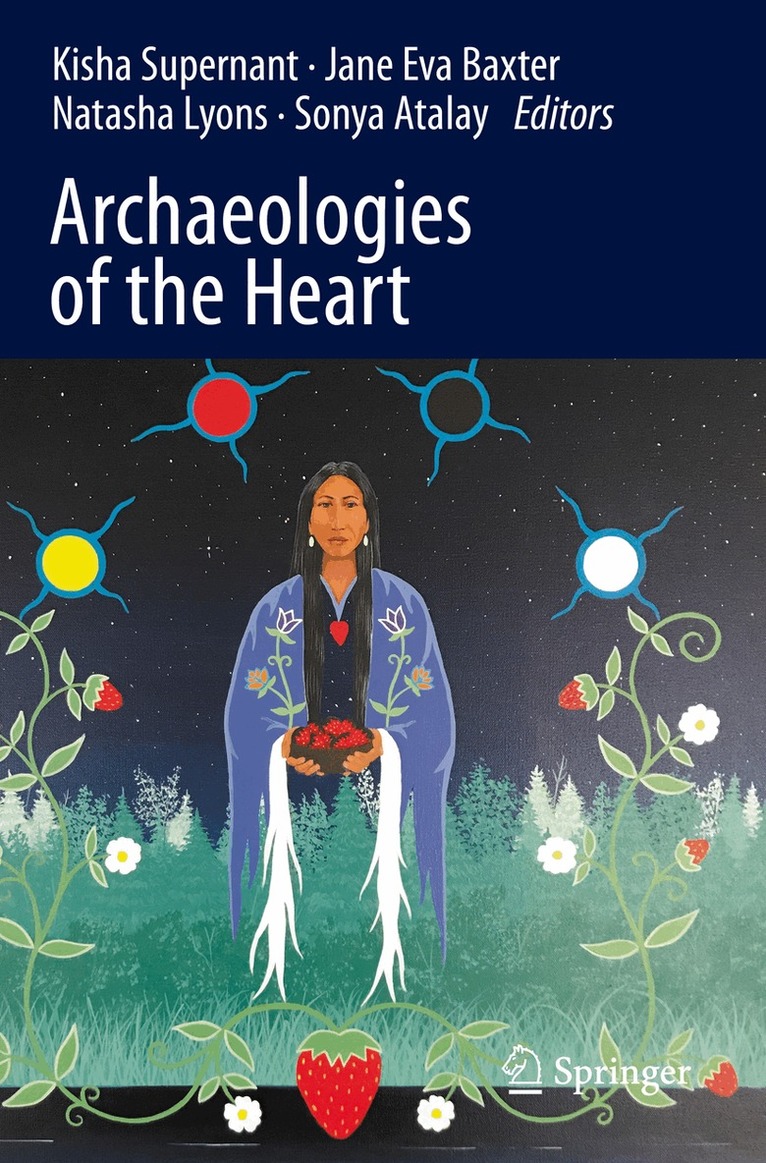
Archaeological practice is currently shifting in response to feminist, indigenous, activist, community-based, and anarchic critiques of how archaeology is practiced and how science is used to interpret the past lives of people. Inspired by the calls for a different way of doing archaeology, this volume presents a case here for a heart-centered archaeological practice. Heart-centered practice emerged in care-based disciplines, such as nursing and various forms of therapy, as a way to recognize the importance of caring for those on whom we work, and as an avenue to explore how our interactions with others impacts our own emotions and heart. Archaeologists are disciplined to separate mind and heart, a division which harkens back to the origins of western thought. The dualism between the mental and the physical is fundamental to the concept that humans can objectively study the world without being immersed in it. Scientific approaches to understanding the world assume there is anobjective world to be studied and that humans must remove themselves from that world in order to find the truth. An archaeology of the heart rejects this dualism; rather, we see mind, body, heart, and spirit as inextricable.An archaeology of the heart provides a new space for thinking through an integrated, responsible, and grounded archaeology, where there is care for the living and the dead, acknowledges the need to build responsible relationships with communities, and with the archaeological record, and emphasize the role of rigor in how work and research is conducted. The contributions bring together archaeological practitioners from across the globe in different contexts to explore how heart-centered practice can impact archaeological theory, methodology, and research throughout the discipline.
1 632 kr
Skickas inom 10-15 vardagar
Archaeological practice is currently shifting in response to feminist, indigenous, activist, community-based, and anarchic critiques of how archaeology is practiced and how science is used to interpret the past lives of people. Inspired by the calls for a different way of doing archaeology, this volume presents a case here for a heart-centered archaeological practice. Heart-centered practice emerged in care-based disciplines, such as nursing and various forms of therapy, as a way to recognize the importance of caring for those on whom we work, and as an avenue to explore how our interactions with others impacts our own emotions and heart. Archaeologists are disciplined to separate mind and heart, a division which harkens back to the origins of western thought. The dualism between the mental and the physical is fundamental to the concept that humans can objectively study the world without being immersed in it. Scientific approaches to understanding the world assume there is anobjective world to be studied and that humans must remove themselves from that world in order to find the truth. An archaeology of the heart rejects this dualism; rather, we see mind, body, heart, and spirit as inextricable.An archaeology of the heart provides a new space for thinking through an integrated, responsible, and grounded archaeology, where there is care for the living and the dead, acknowledges the need to build responsible relationships with communities, and with the archaeological record, and emphasize the role of rigor in how work and research is conducted. The contributions bring together archaeological practitioners from across the globe in different contexts to explore how heart-centered practice can impact archaeological theory, methodology, and research throughout the discipline.