Sophie Duncan – författare
1 442 kr
Läs direkt efter köp
1 442 kr
Läs direkt efter köp
1 890 kr
Skickas inom 5-8 vardagar
771 kr
Skickas inom 10-15 vardagar
2 474 kr
Skickas inom 10-15 vardagar
177 kr
Skickas
185 kr
Läs direkt efter köp
185 kr
Läs direkt efter köp
904 kr
Läs direkt efter köp
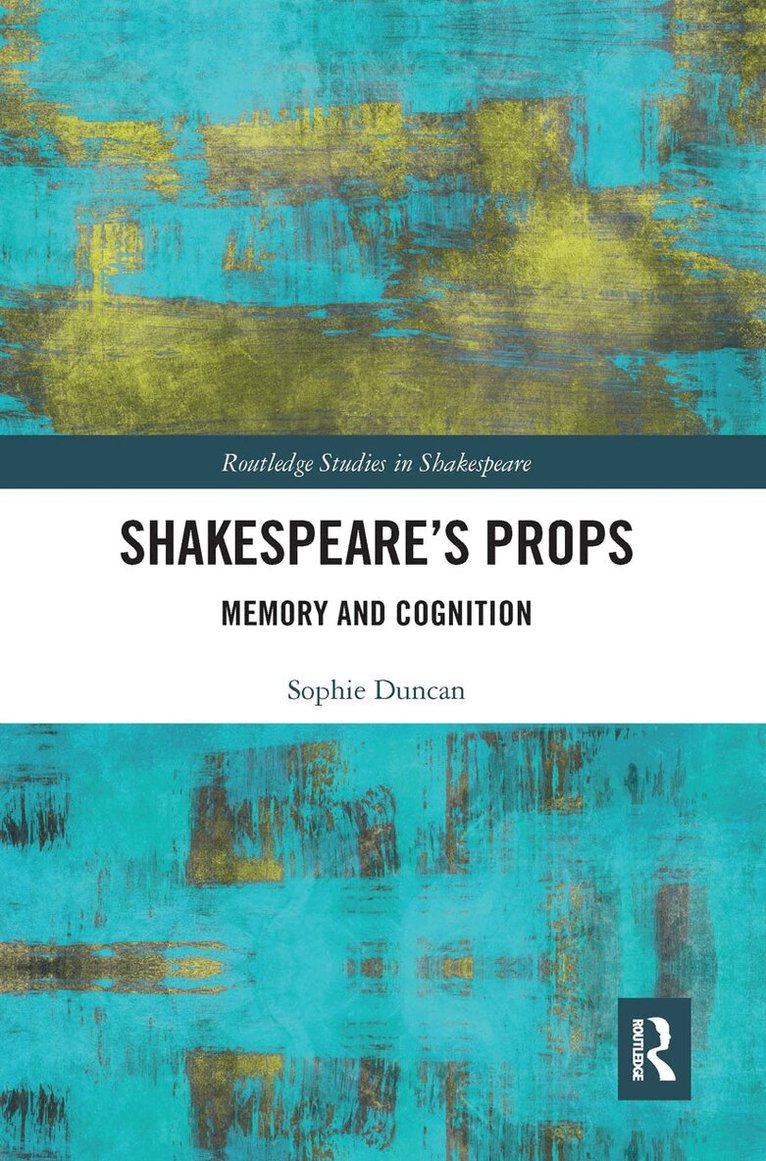
Cognitive approaches to drama have enriched our understanding of Early Modern playtexts, acting and spectatorship. This monograph is the first full-length study of Shakespeare’s props and their cognitive impact. Shakespeare’s most iconic props have become transhistorical, transnational metonyms for their plays: a strawberry-spotted handkerchief instantly recalls Othello; a skull Hamlet. One reason for stage properties’ neglect by cognitive theorists may be the longstanding tendency to conceptualise props as detachable body parts: instead, this monograph argues for props as detachable parts of the mind. Through props, Shakespeare’s characters offload, reveal and intervene in each other’s cognition, illuminating and extending their affect. Shakespeare’s props are neither static icons nor substitutes for the body, but volatile, malleable, and dangerously exposed extensions of his characters’ minds. Recognising them as such offers new readings of the plays, from the way memory becomes a weapon in Hamlet’s Elsinore, to the pleasures and perils of Early Modern gift culture in Othello. The monograph illuminates Shakespeare’s exploration of extended cognition, recollection and remembrance at a time when the growth of printing was forcing Renaissance culture to rethink the relationship between memory and the object. Readings in Shakespearean stage history reveal how props both carry audience affect and reveal cultural priorities: some accrue cultural memories, while others decay and are forgotten as detritus of the stage.
896 kr
Läs direkt efter köp
Cognitive approaches to drama have enriched our understanding of Early Modern playtexts, acting and spectatorship. This monograph is the first full-length study of Shakespeare’s props and their cognitive impact. Shakespeare’s most iconic props have become transhistorical, transnational metonyms for their plays: a strawberry-spotted handkerchief instantly recalls Othello; a skull Hamlet. One reason for stage properties’ neglect by cognitive theorists may be the longstanding tendency to conceptualise props as detachable body parts: instead, this monograph argues for props as detachable parts of the mind. Through props, Shakespeare’s characters offload, reveal and intervene in each other’s cognition, illuminating and extending their affect. Shakespeare’s props are neither static icons nor substitutes for the body, but volatile, malleable, and dangerously exposed extensions of his characters’ minds. Recognising them as such offers new readings of the plays, from the way memory becomes a weapon in Hamlet’s Elsinore, to the pleasures and perils of Early Modern gift culture in Othello. The monograph illuminates Shakespeare’s exploration of extended cognition, recollection and remembrance at a time when the growth of printing was forcing Renaissance culture to rethink the relationship between memory and the object. Readings in Shakespearean stage history reveal how props both carry audience affect and reveal cultural priorities: some accrue cultural memories, while others decay and are forgotten as detritus of the stage.
209 kr
Skickas inom 5-8 vardagar
162 kr
Skickas inom 5-8 vardagar
303 kr
Skickas inom 5-8 vardagar
11 kr
Läs direkt efter köp
11 kr
Läs direkt efter köp
11 kr
Läs direkt efter köp
11 kr
Läs direkt efter köp
11 kr
Läs direkt efter köp
45 kr
Läs direkt efter köp
70 kr
Läs direkt efter köp
32 kr
Läs direkt efter köp
21 kr
Läs direkt efter köp
32 kr
Läs direkt efter köp
32 kr
Läs direkt efter köp
32 kr
Läs direkt efter köp
22 kr
Läs direkt efter köp
16 kr
Läs direkt efter köp
32 kr
Läs direkt efter köp
10 kr
Läs direkt efter köp
173 kr
Skickas inom 5-8 vardagar