Sophie McCall - Böcker
Visar alla böcker från författaren Sophie McCall. Handla med fri frakt och snabb leverans.
3 produkter
3 produkter
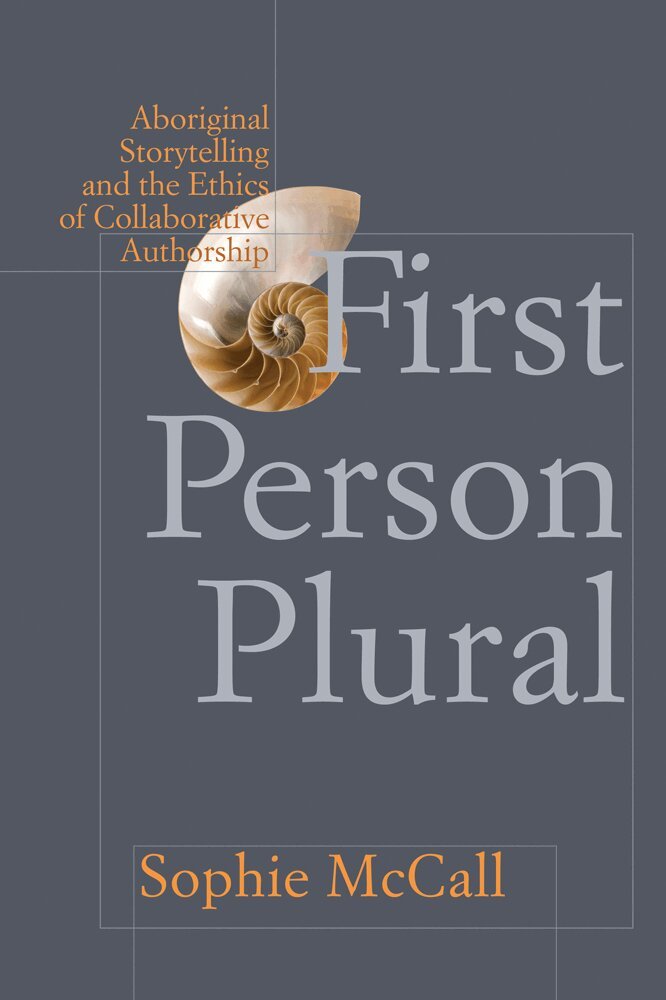
First Person Plural
Aboriginal Storytelling and the Ethics of Collaborative Authorship
Häftad, Engelska, 2012
447 kr
Skickas inom 7-10 vardagar
In this innovative exploration, told-to narratives, or collaboratively produced texts by Aboriginal storytellers and (usually) non-Aboriginal writers, are not romanticized as unmediated translations of oral documents, nor are they dismissed as corruptions of original works. Rather, the approach emphasizes the interpenetration of authorship and collaboration. Focused on the 1990s, when debates over voice and representation were particularly explosive, this comprehensive study examines a range of told-to narratives -- ethnography, life narrative, documentary -- in conjunction with key political events that have shaped the struggle for Aboriginal rights in Canada. Emphasizing the scope rather than the limits of the told-to narrative, McCall considers how Aboriginal voices have been represented in a variety of forums such as public inquiries, commissioners' reports, and land claims cases.A captivating inquiry, First Person Plural offers a vital, interdisciplinary discussion of how told-to narratives contribute to larger debates about Indigenous voice and literary and political sovereignty.
637 kr
Skickas inom 10-15 vardagar
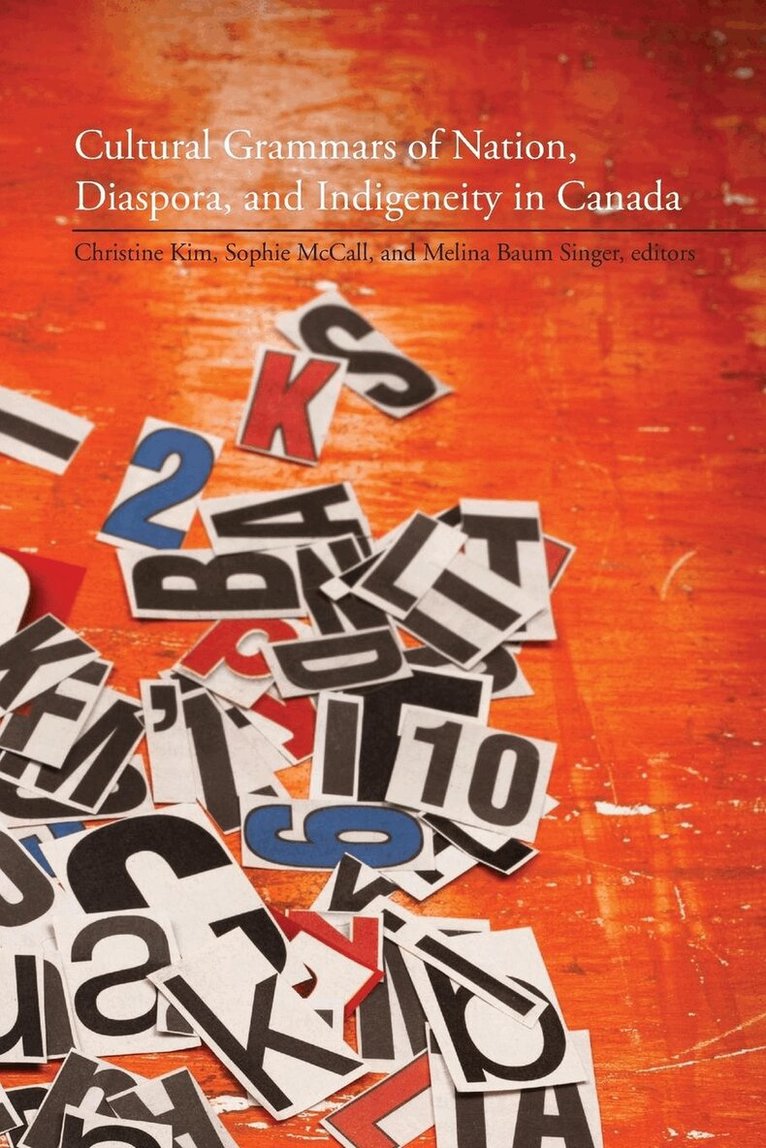
Cultural Grammars of Nation, Diaspora, and Indigeneity in Canada considers how the terms of critical debate in literary and cultural studies in Canada have shifted with respect to race, nation, and difference. In asking how Indigenous and diasporic interventions have remapped these debates, the contributors argue that a new ""cultural grammar"" is at work and attempt to sketch out some of the ways it operates. The essays reference pivotal moments in Canadian literary and cultural history and speak to ongoing debates about Canadian nationalism, postcolonalism, migrancy, and transnationalism. Topics covered include the Asian race riots in Vancouver in 1907, the cultural memory of internment and dispersal of Japanese Canadians in the 1940s, the politics of migrant labour and the ""domestic labour scheme"" in the 1960s, and the trial of Robert Pickton in Vancouver in 2007. The contributors are particularly interested in how diaspora and indigeneity continue to contribute to this critical reconfiguration and in how conversations about diaspora and indigeneity in the Canadian context have themselves been transformed. Cultural Grammars is an attempt to address both the interconnections and the schisms between these multiply fractured critical terms as well as the larger conceptual shifts that have occurred in response to national and postnational arguments.
492 kr
Skickas inom 7-10 vardagar
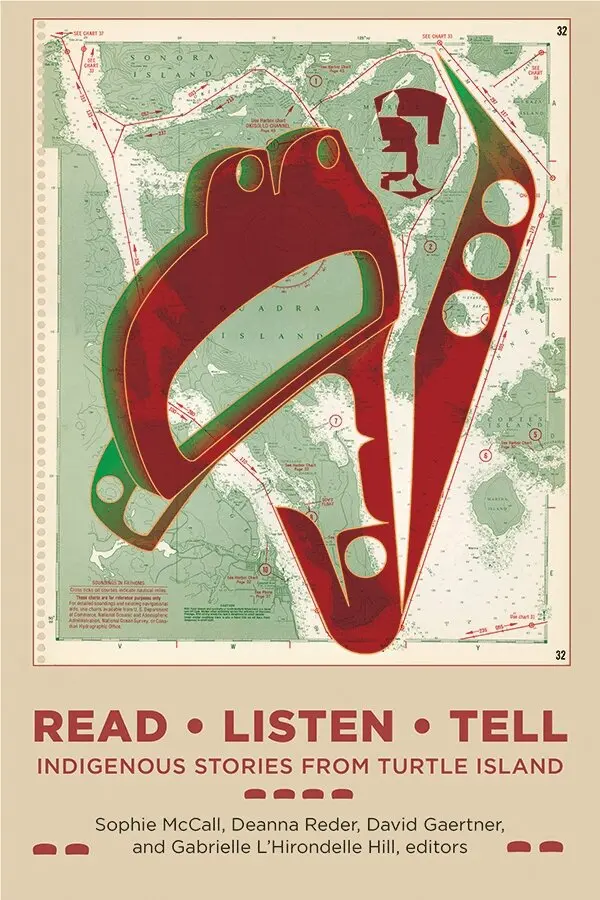
Don't say in the years to come that you would have lived your life differently if only you had heard this story. You've heard it now."" - Thomas King, in this volumeRead, Listen, Tell brings together an extraordinary range of Indigenous stories from across Turtle Island (North America). From short fiction to as-told-to narratives, from illustrated stories to personal essays, these stories celebrate the strength of heritage and the liveliness of innovation. Ranging in tone from humorous to defiant to triumphant, the stories explore core concepts in Indigenous literary expression, such as the relations between land, language, and community, the variety of narrative forms, and the continuities between oral and written forms of expression. Rich in insight and bold in execution, the stories proclaim the diversity, vitality, and depth of Indigenous writing.Building on two decades of scholarly work to centre Indigenous knowledges and perspectives, the book transforms literary method while respecting and honouring Indigenous histories and peoples of these lands. It includes stories by acclaimed writerslike Thomas King, Sherman Alexie, Paula Gunn Allen, and Eden Robinson, a new generation of emergent writers, and writers and storytellers who have often been excluded from the canon, such as French- and Spanish-language Indigenous authors, Indigenous authors from Mexico, Chicana/o authors, Indigenous-language authors, works in translation, and ""lost"" or underappreciated texts.In a place and time when Indigenous people often have to contend with representations that marginalize or devalue their intellectual and cultural heritage, this collection is a testament to Indigenous resilience and creativity. It shows that the ways in which we read, listen, and tell play key roles in how we establish relationships with one another, and how we might share knowledges across cultures, languages, and social spaces.