Srilata Raman - Böcker
Visar alla böcker från författaren Srilata Raman. Handla med fri frakt och snabb leverans.
6 produkter
6 produkter
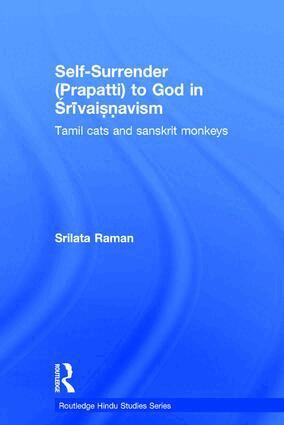
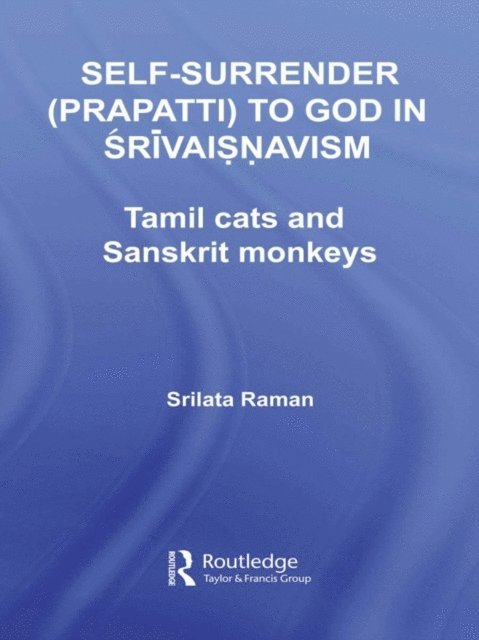
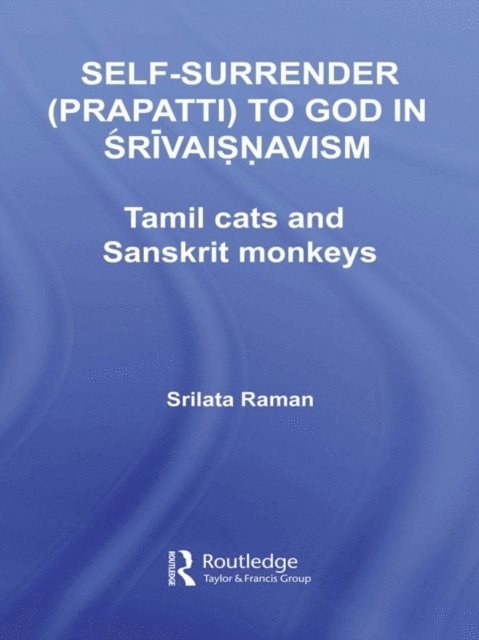
Self-Surrender (prapatti) to God in Shrivaishnavism
Tamil Cats or Sanskrit Monkeys?
Inbunden, Engelska, 2006
2 167 kr
Skickas inom 10-15 vardagar
Filling the most glaring gap in Shrivaishnava scholarship, this book deals with the history of interpretation of a theological concept of self-surrender-prapatti in late twelfth and thirteenth century religious texts of the Shrivaishnava community of South India. This original study shows that medieval sectarian formation in its theological dimension is a fluid and ambivalent enterprise, where conflict and differentiation are presaged on "sharing", whether of a common canon, saint or rituals or two languages (Tamil and Sanskrit), or of a "meta-social" arena such as the temple.Srilata Mueller, a member of the Shrivaishnava community, argues that the core ideas of prapatti in these religious texts reveal the description of a heterogeneous theological concept. Demonstrating that this concept is theologically moulded by the emergence of new literary genres, Mueller puts forward the idea that this original understanding of prapatti is a major contributory cause to the emergence of sectarian divisions among the Shrivaishnavas, which lead to the formation of two sub-sects, the Tenkalai and the Vatakalia, who stand respectively, for the "cat" and "monkey" theological positions.Making an important contribution to contemporary Indian and Hindu thinking on religion, this text provides a new intellectual history of medieval Indian religion. It will be of particular interest to scholars of Shrivaishnava and also Hindu and Indian religious studies.
Self-Surrender (prapatti) to God in Shrivaishnavism
Tamil Cats or Sanskrit Monkeys?
Häftad, Engelska, 2009
803 kr
Skickas inom 10-15 vardagar
Filling the most glaring gap in Shrivaishnava scholarship, this book deals with the history of interpretation of a theological concept of self-surrender-prapatti in late twelfth and thirteenth century religious texts of the Shrivaishnava community of South India. This original study shows that medieval sectarian formation in its theological dimension is a fluid and ambivalent enterprise, where conflict and differentiation are presaged on "sharing", whether of a common canon, saint or rituals or two languages (Tamil and Sanskrit), or of a "meta-social" arena such as the temple.Srilata Mueller, a member of the Shrivaishnava community, argues that the core ideas of prapatti in these religious texts reveal the description of a heterogeneous theological concept. Demonstrating that this concept is theologically moulded by the emergence of new literary genres, Mueller puts forward the idea that this original understanding of prapatti is a major contributory cause to the emergence of sectarian divisions among the Shrivaishnavas, which lead to the formation of two sub-sects, the Tenkalai and the Vatakalia, who stand respectively, for the "cat" and "monkey" theological positions.Making an important contribution to contemporary Indian and Hindu thinking on religion, this text provides a new intellectual history of medieval Indian religion. It will be of particular interest to scholars of Shrivaishnava and also Hindu and Indian religious studies.
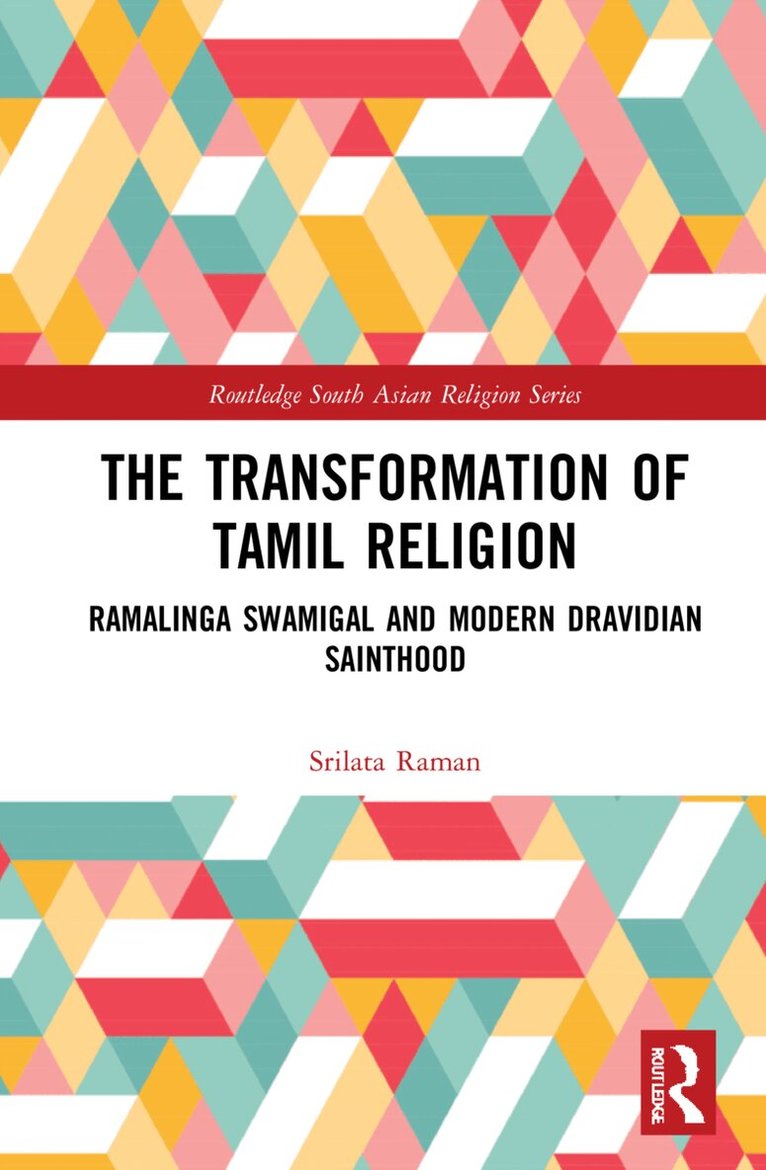
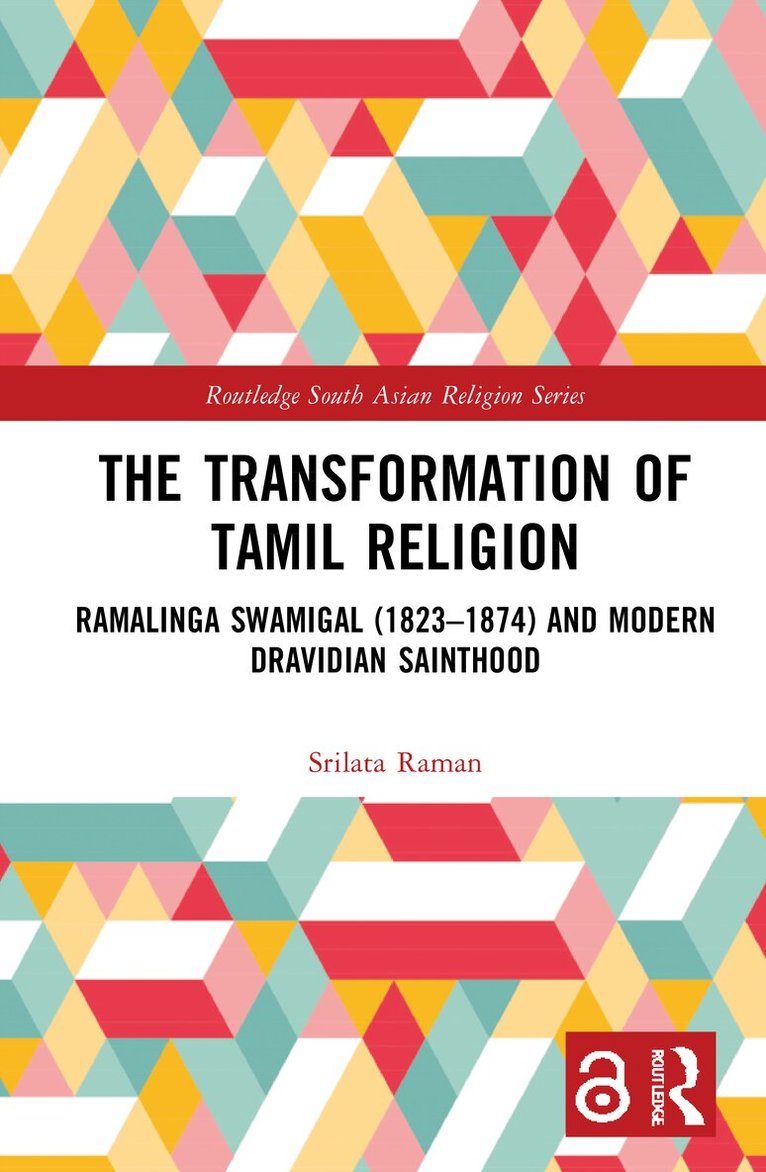
Transformation of Tamil Religion
Ramalinga Swamigal (1823–1874) and Modern Dravidian Sainthood
Häftad, Engelska, 2024
652 kr
Skickas inom 10-15 vardagar
This book analyses the religious ideology of a Tamil reformer and saint, Ramalinga Swamigal of the 19th century and his posthumous reception in the Tamil country and sheds light on the transformation of Tamil religion that both his works and the understanding of him brought about. The book traces the hagiographical and biographical process by which Ramalinga Swamigal is shifted from being considered an exemplary poet-saint of the Tamil Śaivite bhakti tradition to a Dravidian nationalist social reformer. Taking as a starting point Ramalinga’s own writing, the book presents him as inhabiting a border zone between early modernity and modernity, between Hinduism and Christianity, between colonialism and regional nationalism, highlighting the influence of his teachings on politics, particularly within Dravidian cultural and political nationalism. Simultaneously, the book considers the implication of such an hagiographical process for the transformation of Tamil religion in the period between the 19th –mid-20th centuries. The author demonstrates that Ramalinga Swamigal’s ideology of compassion, cīvakāruṇyam, had not only a long genealogy in pre-modern Tamil Śaivism but also that it functioned as a potentially emancipatory ethics of salvation and caste critique not just for him but also for other Tamil and Dalit intellectuals of the 19th century. This book is a path-breaking study that also traces the common grounds between the religious visions of two of the most prominent subaltern figures of Tamil modernity – Iyothee Thass and Ramalingar. It argues that these transformations are one meaningful way for a religious tradition to cope with and come to terms with the implications of historicization and the demands of colonial modernity. It is, therefore, a valuable contribution to the field of religion, South Asian history and literature and Subaltern studies.The Open Access version of this book, available at http://www.taylorfrancis.com/books/e/9781315794518 has been made available under a Creative Commons Attribution-Non Commercial-No Derivatives 4.0 license.
2 100 kr
Skickas inom 10-15 vardagar
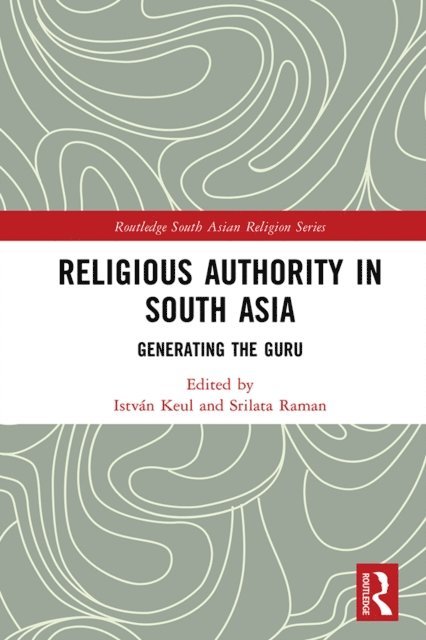
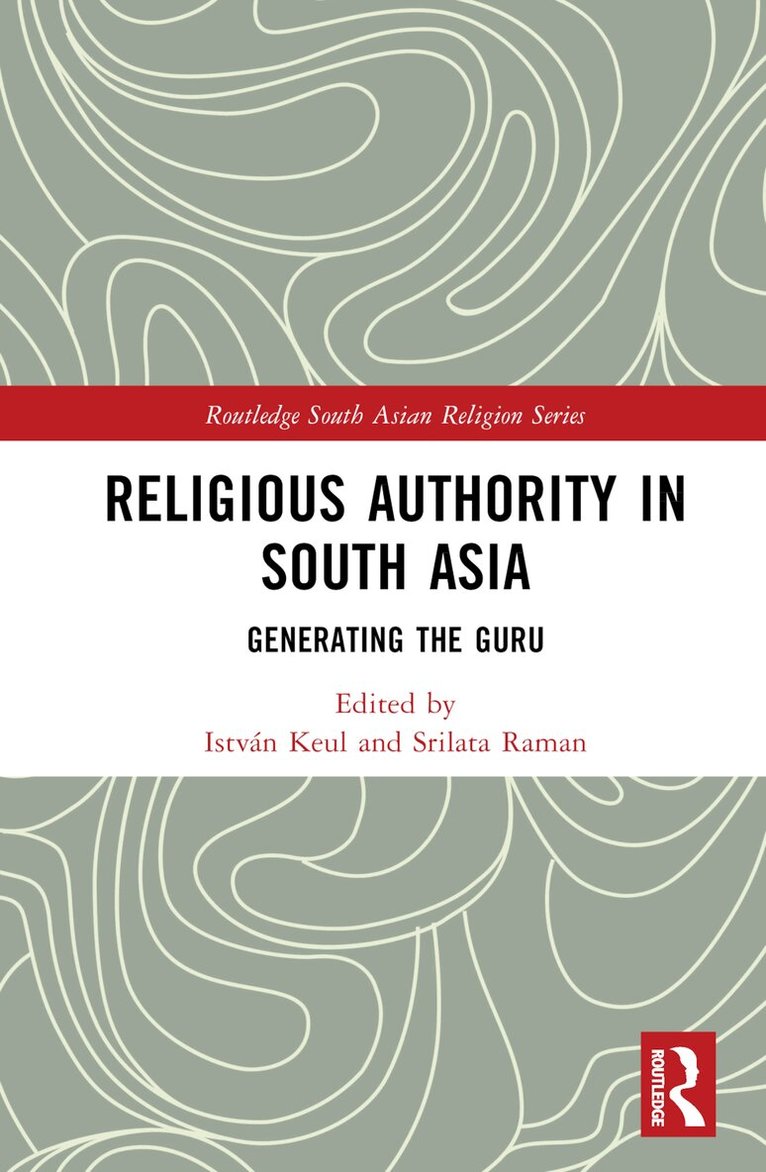
This book focuses on genealogies of religious authority in South Asia, examining the figure of the guru in narrative texts, polemical tracts, hagiographies, histories, in contemporary devotional communities, New Age spiritual movements and global guru organizations.Experts in the field present reflections on historically specific contexts in which a guru comes into being, becomes part of a community, is venerated, challenged or repudiated, generates a new canon, remains unique with no clear succession or establishes a succession in which charisma is routinized. The guru emerges and is sustained and routinized from the nexus of guruship, narratives, performances and community. The contributors to the book examine this nexus at specific historical moments with all their elements of change and contingency. The book will be of interest to scholars in the field of South Asian studies, the study of religions and cultural studies.
560 kr
Skickas inom 10-15 vardagar
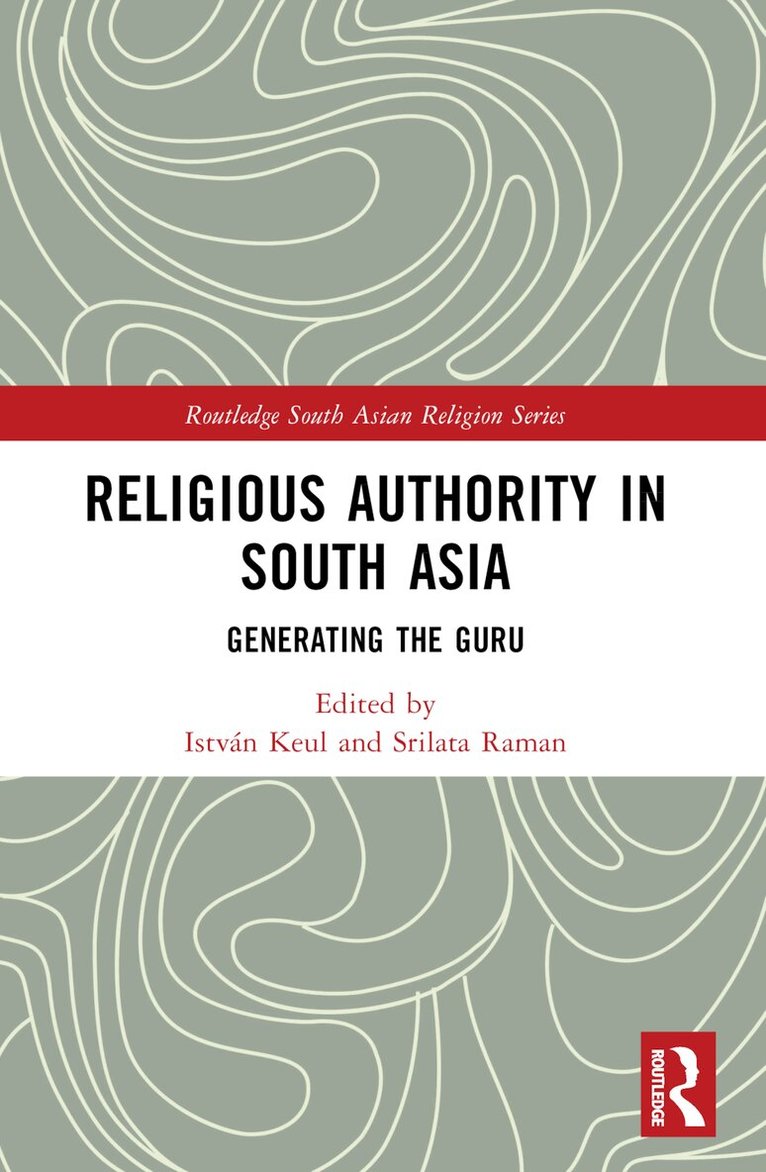
This book focuses on genealogies of religious authority in South Asia, examining the figure of the guru in narrative texts, polemical tracts, hagiographies, histories, in contemporary devotional communities, New Age spiritual movements and global guru organizations.Experts in the field present reflections on historically specific contexts in which a guru comes into being, becomes part of a community, is venerated, challenged or repudiated, generates a new canon, remains unique with no clear succession or establishes a succession in which charisma is routinized. The guru emerges and is sustained and routinized from the nexus of guruship, narratives, performances and community. The contributors to the book examine this nexus at specific historical moments with all their elements of change and contingency. The book will be of interest to scholars in the field of South Asian studies, the study of religions and cultural studies.
Transformation of Tamil Religion
Ramalinga Swamigal (1823–1874) and Modern Dravidian Sainthood
Inbunden, Engelska, 2022
1 897 kr
Skickas inom 10-15 vardagar
This book analyses the religious ideology of a Tamil reformer and saint, Ramalinga Swamigal of the 19th century and his posthumous reception in the Tamil country and sheds light on the transformation of Tamil religion that both his works and the understanding of him brought about. The book traces the hagiographical and biographical process by which Ramalinga Swamigal is shifted from being considered an exemplary poet-saint of the Tamil Śaivite bhakti tradition to a Dravidian nationalist social reformer. Taking as a starting point Ramalinga’s own writing, the book presents him as inhabiting a border zone between early modernity and modernity, between Hinduism and Christianity, between colonialism and regional nationalism, highlighting the influence of his teachings on politics, particularly within Dravidian cultural and political nationalism. Simultaneously, the book considers the implication of such an hagiographical process for the transformation of Tamil religion in the period between the 19th –mid-20th centuries. The author demonstrates that Ramalinga Swamigal’s ideology of compassion, cīvakāruṇyam, had not only a long genealogy in pre-modern Tamil Śaivism but also that it functioned as a potentially emancipatory ethics of salvation and caste critique not just for him but also for other Tamil and Dalit intellectuals of the 19th century. This book is a path-breaking study that also traces the common grounds between the religious visions of two of the most prominent subaltern figures of Tamil modernity – Iyothee Thass and Ramalingar. It argues that these transformations are one meaningful way for a religious tradition to cope with and come to terms with the implications of historicization and the demands of colonial modernity. It is, therefore, a valuable contribution to the field of religion, South Asian history and literature and Subaltern studies.The Open Access version of this book, available at http://www.taylorfrancis.com/books/e/9781315794518 has been made available under a Creative Commons Attribution-Non Commercial-No Derivatives 4.0 license.