Srividhya Ragavan – författare
Visar alla böcker från författaren Srividhya Ragavan. Handla med fri frakt och snabb leverans.
11 produkter
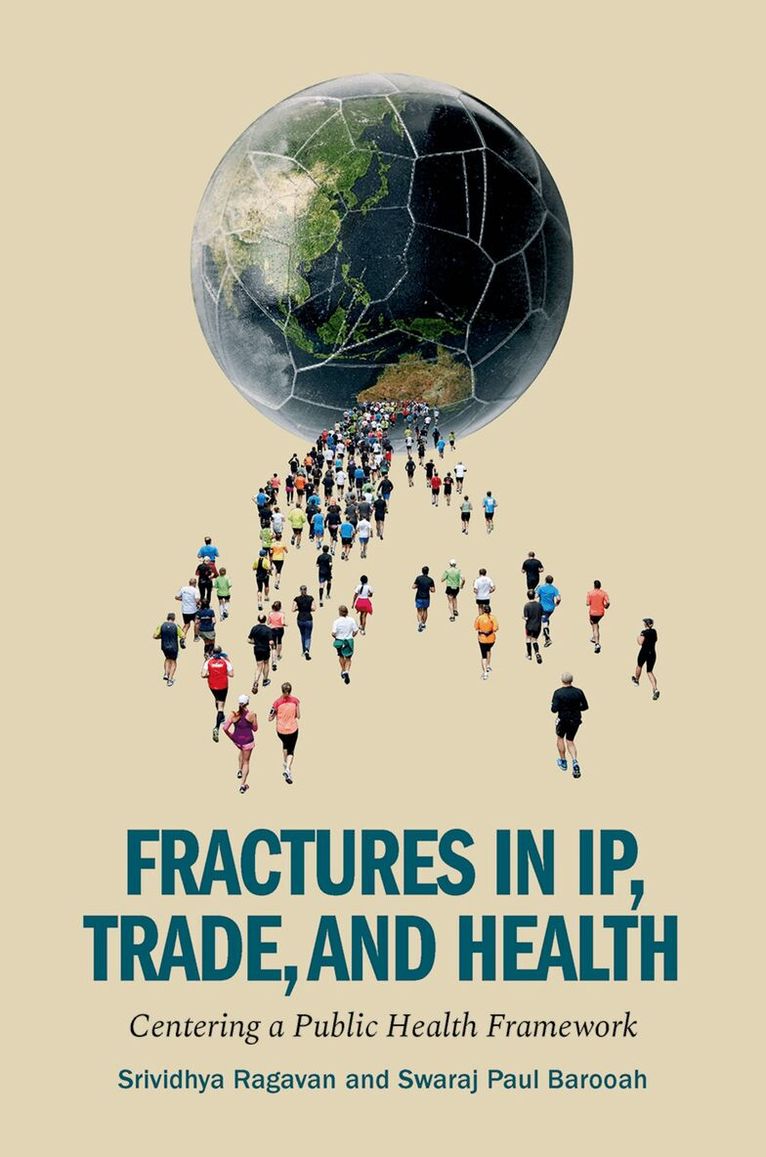
Fractures in IP, Trade, and Health
Centering a Public Health Framework
Av Srividhya Ragavan, Swaraj Paul Barooah
Inbunden, 2026
1161 kr
Lägg i varukorg
International trade and public health have long been in tension, with intellectual property law partially to blame. Patent protections have created strong pharmaceutical monopolies, making medicines unaffordable in many countries, blocking access to healthcare, and disrupting global supply chains. …
Fractures in IP, Trade, and Health
Centering a Public Health Framework
Av Swaraj Paul Barooah, Srividhya Ragavan
E-bok, 2026
1100 kr
Lägg i varukorg
International trade and public health have long been in tension, with intellectual property law partially to blame. Patent protections have created strong pharmaceutical monopolies, making medicines unaffordable in many countries, blocking access to healthcare, and disrupting global supply chains. …
Fractures in IP, Trade, and Health
Centering a Public Health Framework
Av Swaraj Paul Barooah, Srividhya Ragavan
E-bok, 2026
1100 kr
Lägg i varukorg
International trade and public health have long been in tension, with intellectual property law partially to blame. Patent protections have created strong pharmaceutical monopolies, making medicines unaffordable in many countries, blocking access to healthcare, and disrupting global supply chains. …
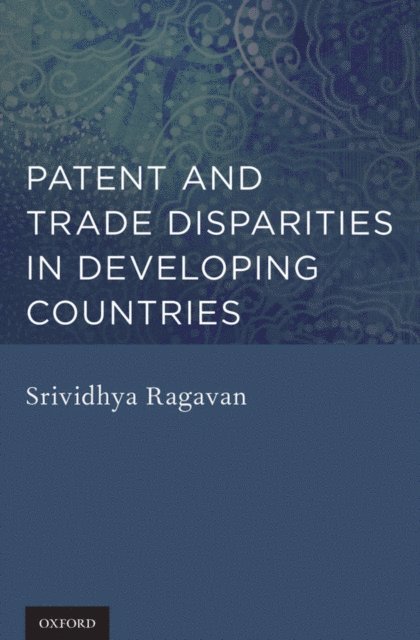
Patent and Trade Disparities in Developing Countries
Inbunden, 2012
2406 kr
Lägg i varukorg
For developing countries, the concept of sustainable development, as opposed to rapid pockets of development, embodies great promise for socio-political reasons. Most analyses of development, however, have focused on either trade mechanisms or intellectual-property regimes, which has resulted in …
Patent and Trade Disparities in Developing Countries
E-bok, 2012
1535 kr
Lägg i varukorg
In Patent and Trade Disparities in Developing Countries , Srividhya Ragavan examines the interaction between trade and intellectual property regimes (using the patent regime in India as the focal point) in an integrated developmental framework to determine how sustainable economic growth can be …
Patent and Trade Disparities in Developing Countries
E-bok, 2012
1109 kr
Lägg i varukorg
In Patent and Trade Disparities in Developing Countries , Srividhya Ragavan examines the interaction between trade and intellectual property regimes (using the patent regime in India as the focal point) in an integrated developmental framework to determine how sustainable economic growth can be …
Intellectual Property Law and Access to Medicines
TRIPS Agreement, Health, and Pharmaceuticals
Av Srividhya Ragavan, Amaka Vanni
Inbunden, 2021
2811 kr
Lägg i varukorg
The history of patent harmonization is a story of dynamic actors, whose interactions with established structures shaped the patent regime. From the inception of the trade regime to include intellectual property (IP) rights to the present, this book documents the role of different sets of actors – …
Intellectual Property Law and Access to Medicines
TRIPS Agreement, Health, and Pharmaceuticals
Av Amaka Vanni, Srividhya Ragavan
E-bok, 2021
701 kr
Lägg i varukorg
The history of patent harmonization is a story of dynamic actors, whose interactions with established structures shaped the patent regime. From the inception of the trade regime to include intellectual property (IP) rights to the present, this book documents the role of different sets of actors – …
Intellectual Property Law and Access to Medicines
TRIPS Agreement, Health, and Pharmaceuticals
Av Amaka Vanni, Srividhya Ragavan
E-bok, 2021
701 kr
Lägg i varukorg
The history of patent harmonization is a story of dynamic actors, whose interactions with established structures shaped the patent regime. From the inception of the trade regime to include intellectual property (IP) rights to the present, this book documents the role of different sets of actors – …
Intellectual Property Law and Access to Medicines
TRIPS Agreement, Health, and Pharmaceuticals
Av Srividhya Ragavan, Amaka Vanni
Häftad, 2023
594 kr
Lägg i varukorg
The history of patent harmonization is a story of dynamic actors, whose interactions with established structures shaped the patent regime. From the inception of the trade regime to include intellectual property (IP) rights to the present, this book documents the role of different sets of actors – …
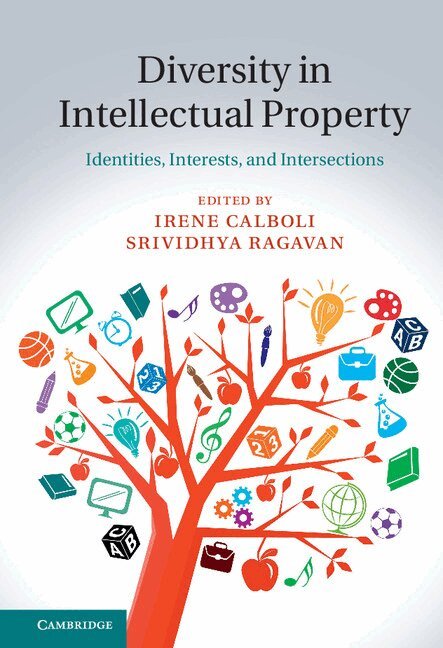
Diversity in Intellectual Property
Identities, Interests, and Intersections
Av Irene Calboli, Srividhya Ragavan
Inbunden, 2015
2217 kr
Lägg i varukorg
This book aims to create an interface between intellectual property and diversity - including cultural, biological, religious, racial, and gender-based diversity. While acknowledging that the historical rationale for intellectual property protection is based on theories of utilitarian incentives …